Last updated · May 19, 2026 · independently researched, never sponsored.
We use minimal analytics + ads (no personal tracking). See our privacy policy.
金黄酥脆的“banh tom”(虾仁地瓜饼)是Hanoi一种与西湖息息相关的街头小吃。本文将带你了解去哪里品尝以及最地道的吃法。

Last updated · May 19, 2026 · independently researched, never sponsored.
Other articles covering this city.

Xoi xeo — sticky rice with corn and shallots — is a Hanoi breakfast institution. Here's where locals actually eat it, and what makes the city's version different.

Loading…
Air pollution in Vietnam's major cities peaks in winter. Here's when masks matter, which cities are worst, and what the actual numbers mean for your trip.

A tested 10-day route from Hanoi to Saigon built around kid-friendly stops: water puppets, beaches, river cruises, and food that works for picky eaters. Practical notes on transport, hotels, and daily costs.
Other articles covering the same region.

Dinh Phat Chi is one of Lang Son's highest peaks and a rewarding day trek near the Chinese border. Here's everything you need to plan the trip.

Chua Ham Long is a centuries-old Buddhist pagoda tucked into a limestone hillside near Bac Ninh. Here's what to expect and how to visit.

Nang To Thi is a limestone rock formation in Lang Son that's woven into Vietnamese folklore. Here's what to expect, how to get there, and what to eat nearby.
More articles from the same category.

Che Hue is sweeter and richer than pho—a royal-court dessert soup made with pork, offal, and herbs. Here's where to eat it like a local in Hue.

Mui Ne's banh can scene is stripped down and perfect—crispy bowls, fresh shrimp, and street-side stalls where fishermen eat breakfast. Here's where to find the real thing.

Nha Trang's take on "bun cha ca" — grilled fish with herb noodles — is lighter and fresher than the Hanoi version. Here's where fishermen and office workers actually eat it.

Ha Giang's version of "thit lon den" — marinated pork knuckle — is denser and more sour than the south. Here's where locals actually eat it, what it costs, and how to order.

Banh hoi long heo—crispy rice noodle cake with grilled pork intestine—is a Mui Ne obsession. Here's where locals actually eat it, what to expect, and how to order.

Ca Loc Nuong Trui—grilled snakehead fish with herbs—is a Can Tho staple. Here's where locals actually eat it, what to expect, and why it tastes different here.
“Banh tom”是一种香脆的煎饼,由虾、红薯和木薯粉混合成面糊,压平后在浅油中煎至边缘呈蕾丝状且焦黄。它的名字直译过来就是这种小吃的发源地——Ho Tay(西湖)的湖畔。这是Hanoi最大的湖泊,至少从20世纪60年代起,小贩们就在这里炸制这种虾饼了。
刚出锅的虾饼热气腾腾,有些地方薄如纸板,而中间则略带嚼劲。你可以看到虾肉镶嵌在油炸的外壳中,有时是整只的,有时是碎块。红薯为面糊增添了淡淡的甜味和酥脆的口感。这并不是一种容易让人觉得腻的重口味小吃——它更像是一个用来搭配香草和蘸酱的酥脆载体。
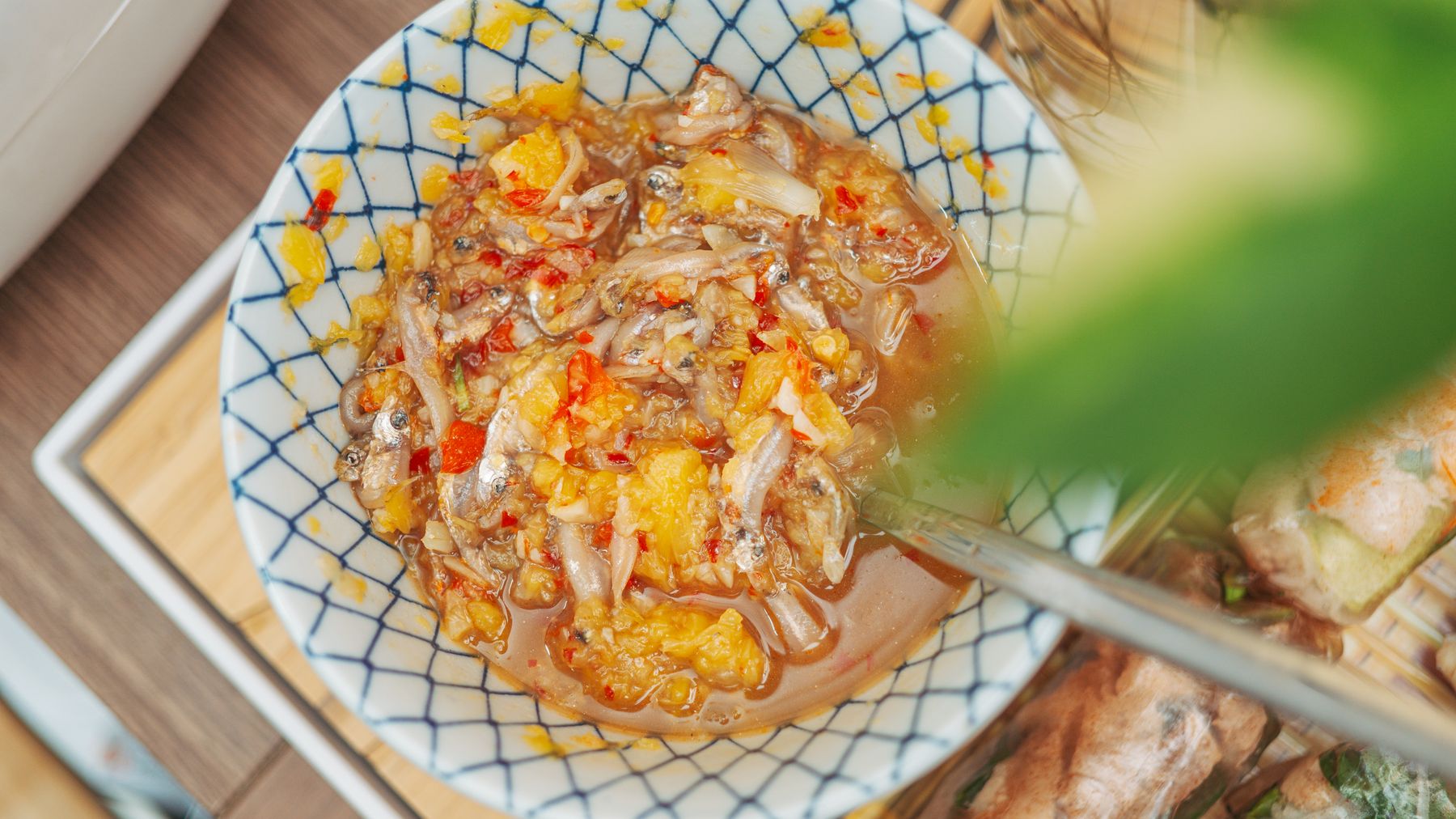
你会得到一块(有时是两块,取决于摊位)装在盘子里的虾饼,旁边配有一小堆新鲜的绿叶蔬菜:薄荷、香菜、紫苏叶和生菜。此外,还会附上一小碗“nuoc cham”——一种由鱼露、糖、水和青柠调制而成的鱼露蘸酱,有时还会加一撮辣椒。
吃法很简单:撕下一块虾饼,用生菜叶或紫苏叶包起来,加上几根香草,将整个包好的虾饼蘸上鱼露,然后一口吃下。这种吃法讲究互动感。清凉爽脆的香草中和了油炸虾饼的油腻与热气,而鱼露则为这种原本简单的小吃增添了丰富的层次感。
有些摊贩还会提供一种裹在甘蔗棒上的版本(“banh tom duong”),甘蔗的天然甜味与咸鲜的蘸酱搭配在一起,有着出人意料的美味。
图片由Thuan Pham发布于Pexels
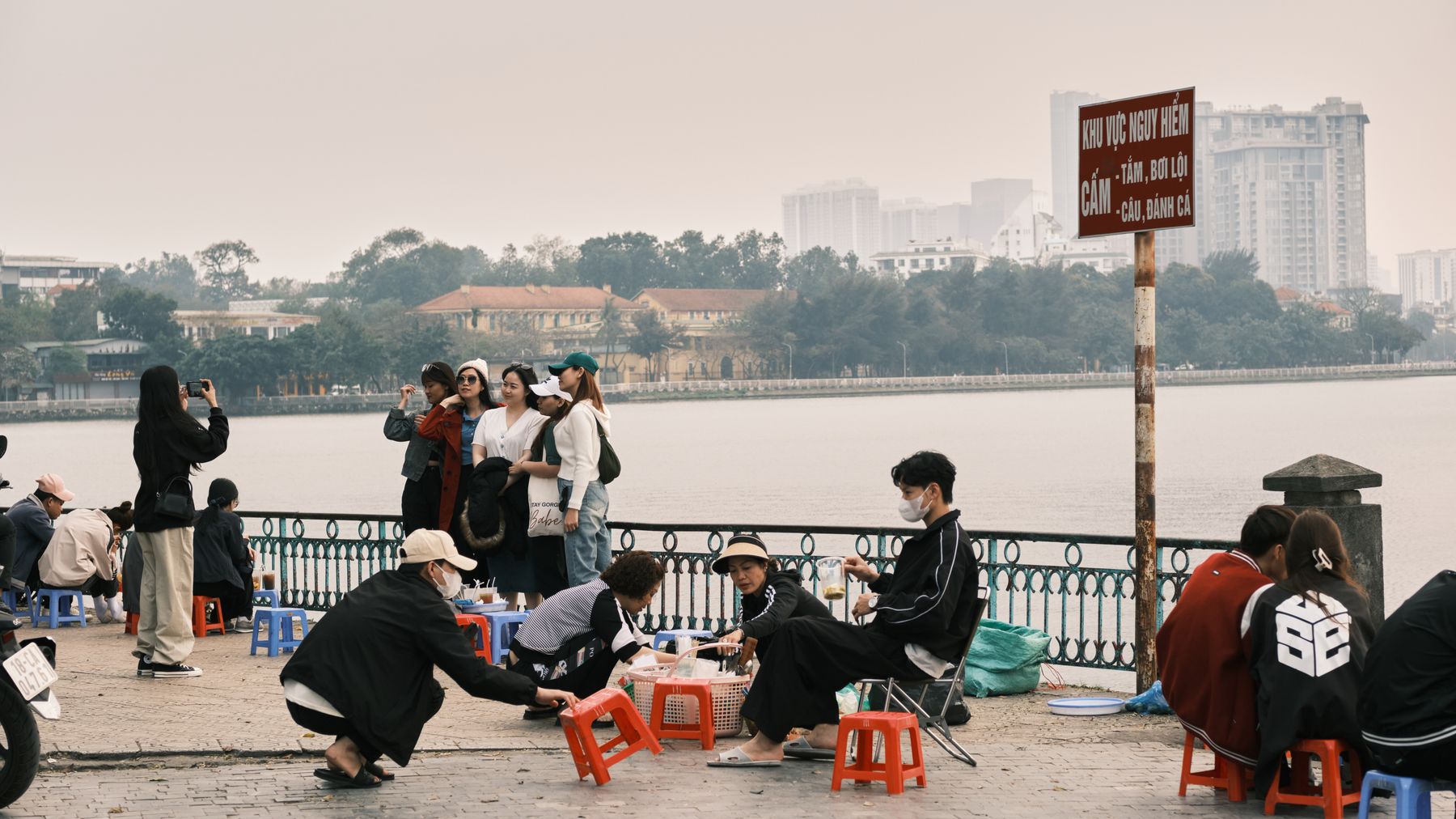
最显而易见的选择就是Banh Tom Ho Tay餐厅本身,它位于靠近水边的Thao Dien街。这家餐厅从20世纪90年代开始营业,风格非常休闲——塑料凳子,没有多余的装饰,如果坐在外面还能欣赏湖景。他们的虾饼是现点现炸的,你可以在桌边看到热油,听到滋滋的煎炸声。单块虾饼的价格大约在25,000–35,000 VND(1–1.50美元)之间。点上几块虾饼,再配上一杯Saigon啤酒或冰镇“ca phe sua da”(越式冰咖啡),就是一顿简单的午餐。
这里的品质很稳定,但它也是偏向游客打卡地的版本。如果你刚好在西湖区,这里还是值得一去的。
更地道的体验是去寻找散布在湖边的那些较小的“banh tom”摊位,特别是北岸靠近[Tran Quoc Pagoda](/posts/tran-quoc-pagoda-hanoi (하노이 / 河内 / ハノイ)-west-lake)(镇国寺)或Yen Phu村附近的地方。这些不是有品牌的餐厅——它们是手推车或由制作banh tom几十年的家庭经营的小店面。你会发现它们在傍晚时分(下午4点到6点左右)最为活跃,那时当地居民都在湖边散步。
这里的价格稍微便宜一些:每块虾饼15,000–25,000 VND。品质参差不齐,但最好的摊位会用非常热的油煎炸并立即上桌,所以边缘吃起来依然咔嚓作响。尽量寻找那些排满当地人而不是游客的摊位。
如果你正在游览Hanoi的老城区,Dong Xuan Market的美食区里也隐藏着几家“banh tom”摊贩。虽然风景不如湖边,但如果你刚好在那附近,吃起来会很方便。价格区间差不多:20,000–30,000 VND。
一份完整的“banh tom”小吃——一两块虾饼、香草、蘸酱和一杯饮料——花费在30,000到60,000 VND(1.25–2.50美元)之间。价格非常便宜,如果你愿意,一天吃两次都没问题。
最佳品尝时间是傍晚,这时候的虾饼最新鲜,摊贩们也正忙着备货。尽量避免中午去,因为那时的油已经放了一整个上午。如果你去的是路边摊(而不是餐厅),请带上现金——大多数摊位不接受刷卡。
虾饼不宜久放。一定要趁热吃,否则不到一个小时就会变得像橡胶一样难嚼。如果你打算打包留到以后吃,那简直是在浪费钱。
图片由FOX ^.ᆽ.^= ∫发布于Pexels
在开发之前,Ho Tay在历史上曾是淡水鱼和虾的产地,街头小贩们充分利用了这里丰富的物产。“Banh tom”之所以成为Hanoi的标志性小吃,部分原因是西湖是这座城市身份的象征——在水边吃东西,看着光线照在对面的佛塔上,成了一种休闲的娱乐活动。食品摊贩跟随着人流来到这里,这种小吃也就流传了下来。
如今,“banh tom”已不再是Hanoi独有的(在Hai Phong和其他北方城市也能找到类似的版本),但西湖的版本最为著名,部分原因是旅游业的发展和餐厅的标准化。然而,最好的摊位仍然在边缘地带经营——位置难找,只收现金,最好是跟着知道门道的当地人一起去体验。
前往西湖可以乘坐出租车或Grab(搜索“Tran Quoc Pagoda”或“Ho Tay”)。如果你住在老城区,乘车只需15分钟。傍晚时分前往,摊位最热闹,天气也更凉爽。带上零钱(10,000或20,000 VND的纸币),并做好一拿到手就马上开吃的准备——酥脆的油炸食品可不等人。