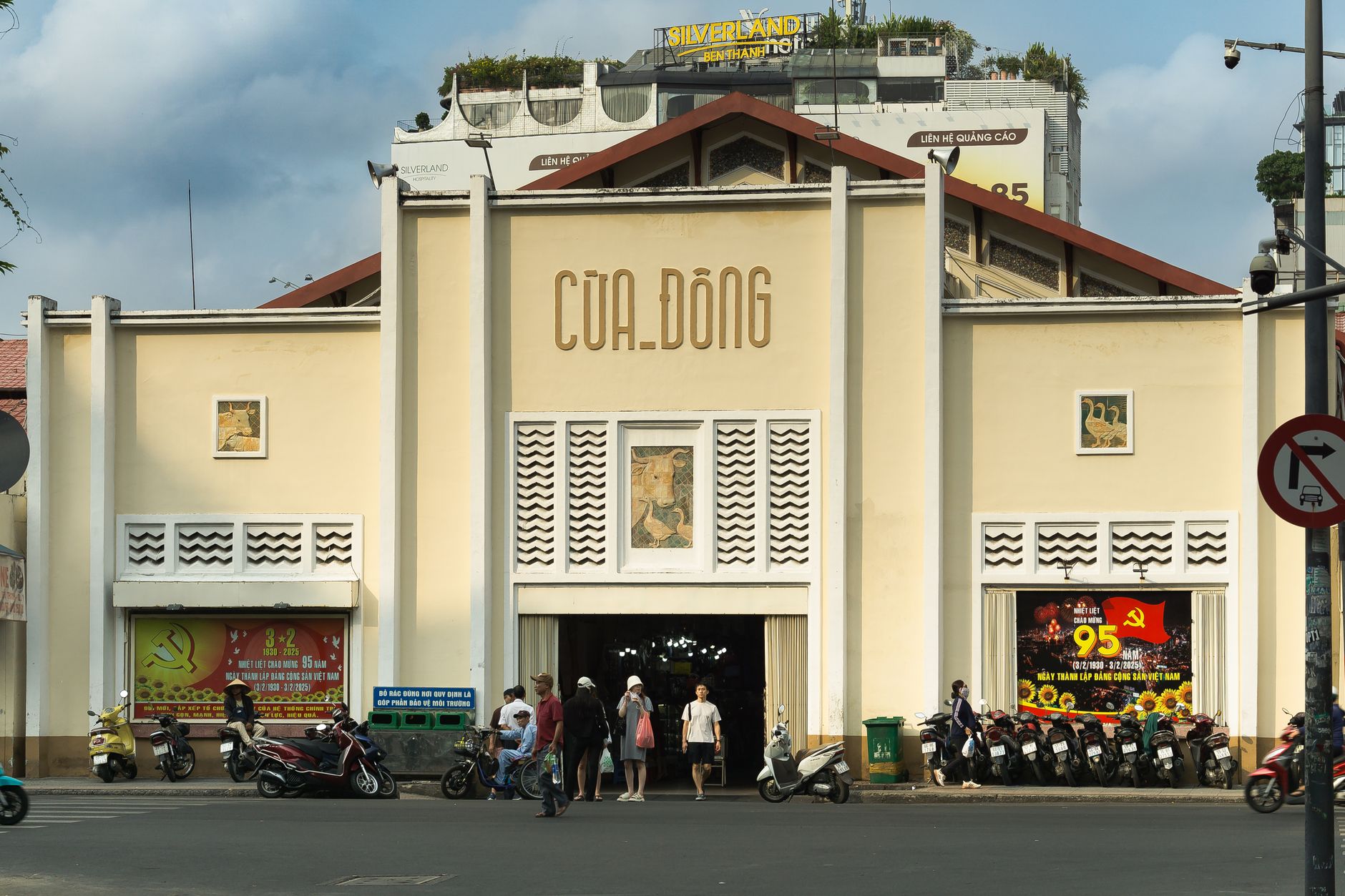
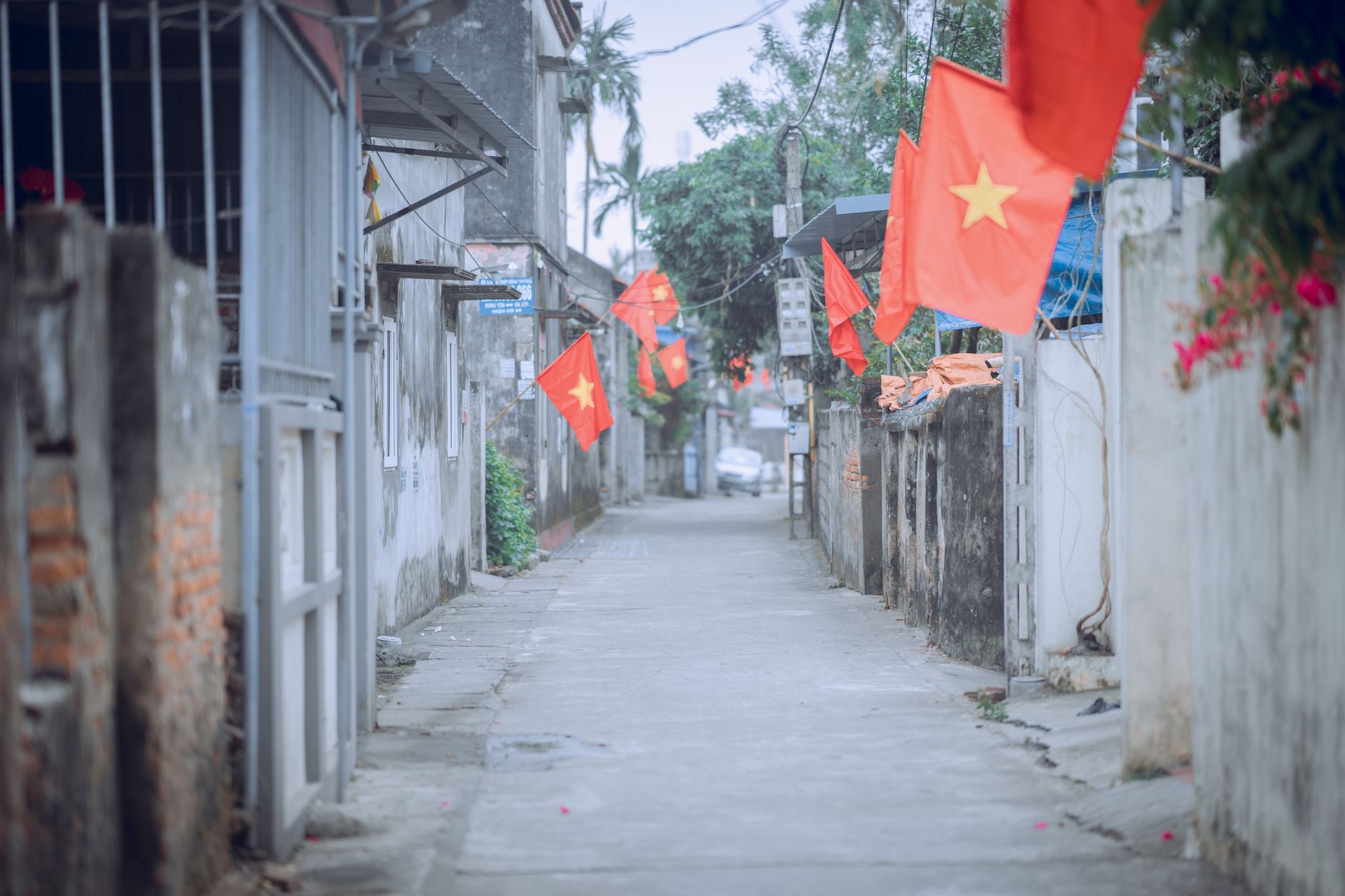
Ho Chi Minh City (호치민시 / 胡志明市 / ホーチミン市) (HCMC)—still called Saigon by locals and many visitors—sprawls across the Mekong Delta (메콩 델타 / 湄公河三角洲 / メコンデルタ)'s upper reaches with 14+ million people. It's Vietnam's financial center, accounts for roughly a quarter of national GDP, and handles nearly half of all international arrivals via Tan Son Nhat International Airport.
Why the Two Names?
The city has worn many names. Khmer Prey Nokor ('forest city') gave way to Gia Dinh when Vietnamese lords took control in the late 17th century. By the 18th century, Saigon (possibly from Khmer or Vietnamese-Sino characters meaning 'embankment') stuck. After reunification in 1975, it was officially renamed Ho Chi Minh City in honor of Ho Chi Minh, the first leader of unified Vietnam. Locals and older residents still call it Saigon—a habit that persists despite the official name. Both are correct; use either. You'll notice street signs say "TP. Ho Chi Minh" while most restaurant menus, cafe logos, and even local beer brands lean on "Saigon." Don't overthink it—taxi drivers respond to both.
Geography and River Life
The Saigon River cuts through the city's heart, flanked by colonial villas, new financial towers, and labyrinthine alleys. Canals web through residential districts, surviving from the Khmer era when water transport defined daily life. On weekends, river-side cafes fill with locals sipping coffee or beer. The Port of Saigon ranks among Southeast Asia's busiest container ports, a reminder that water still moves the city's economy.
The newer Thu Thiem district on the river's east bank is HCMC's answer to Shanghai's Pudong—glass towers rising from what was marshland a decade ago. For a different perspective, take the Bach Dang Wharf water bus (route 1) from District 1 to Thu Duc. The ride is about 30 minutes and costs 15,000 VND per ticket. It's one of the cheapest and most scenic ways to see the riverfront without booking a tourist cruise.
Colonial Remnants and Modern Icons
Walk District 1") and you'll spot yellow French villas with shuttered windows, crumbling colonial administrative buildings, and the blocky Independence Palace (also called Reunification Palace), the former residence of South Vietnam's president before 1975. Its austere 1960s architecture feels more Cold War than imperial.
The War Remnants Museum, a few blocks away, documents the Vietnam War with graphic photographs, weapons, and testimony. It's a difficult but necessary visit for understanding modern Vietnamese history. Admission is 40,000 VND; go early in the morning when it opens at 7:30 a.m. to avoid school groups and tour buses that flood in after 9.
Contrast that with Bitexco Financial Tower and Landmark 81, Vietnam's tallest building. Landmark 81's observation deck offers 360-degree views; on clear mornings you can trace the Saigon River's meanders into the countryside.
Don't skip the smaller architectural details either. Notre-Dame Cathedral Basilica (under long-term restoration but still worth seeing from outside) and the Central Post Office—designed by Gustave Eiffel's firm, with its soaring arched ceilings and hand-painted maps—sit side by side on Paris Commune Square. The post office still operates; you can buy stamps and mail postcards home. A few blocks south, the Saigon Opera House (Municipal Theatre) hosts regular performances and anchors Dong Khoi Street, the old Rue Catinat lined with upscale boutiques and rooftop bars.

Image by Diego Delso via Wikimedia Commons (CC BY-SA)
Markets and Street Life
Ben Thanh Market, a century-old iron-and-tile landmark in the city center, is where you'll find produce vendors, cloth sellers, and food stalls. Arrive early (6–8 a.m.) for the best energy and freshest stock. Prices are marked but haggling is expected for non-food items. A bowl of "banh mi" from a stall vendor costs 25,000–40,000 VND; sit-down restaurants charge 50,000–80,000 VND.
District 5, historically the Chinese quarter, teems with dim sum restaurants and herbalist shops. Binh Tay Market there is less touristy than Ben Thanh and worth an hour's ramble.
After dark, the Ben Thanh Night Market spills out onto the surrounding streets with more food vendors and souvenir stalls. It runs from around 6 p.m. to midnight. The night market is heavier on tourist trinkets than the daytime interior, but the grilled seafood vendors along the perimeter serve solid grilled squid and shellfish for 60,000–120,000 VND per plate.
Where Backpackers Congregate
Pham Ngu Lao Ward and Bui Vien Street are ground zero for budget travelers. Guesthouses, street-food vendors, and beer halls line every corner. If you want to meet other travelers or find a cheap room (150,000–300,000 VND per night), start here. The alleys are safe by day; by night it's rowdy but not dangerous—just loud and crowded.
For a step up without breaking the bank, look at the alleys branching off Nguyen Thai Hoc or De Tham streets—one block from the noise, half the price of District 1 hotels. Mid-range boutique hotels in this zone run 500,000–900,000 VND per night, and many include breakfast.

Image by Diego Delso via Wikimedia Commons (CC BY-SA)
Eating Your Way Through Saigon
Saigon is arguably the best eating city in Vietnam, and that's a high bar. The southern style leans sweeter and more herb-heavy than Hanoi's cooking. A few essentials:
"Pho" here is different from the Hanoi version. Southern "pho" comes with a big plate of fresh herbs—Thai basil, bean sprouts, lime, chili—and the broth tends slightly sweeter. A bowl at a street stall runs 40,000–60,000 VND. Pho Le on Nguyen Trai Street (District 1) has been serving since the 1970s and opens at 6 a.m.
"Com tam" (broken rice) is the city's signature lunch plate: grilled pork chop, a fried egg, shredded pork skin, pickled vegetables, and fish sauce on the side. You'll find com tam stalls in every district. Expect to pay 35,000–55,000 VND. Com Tam Ba Ghien on Dang Van Ngu Street (Phu Nhuan District) draws long lines, especially at lunch. Order by pointing—the menu is rarely in English.
"Banh xeo" (sizzling crepe) is a southern specialty: a crispy turmeric-yellow crepe stuffed with shrimp, pork, and bean sprouts. Wrap pieces in rice paper with lettuce and herbs, then dip in "nuoc cham" (fish sauce dip). Banh Xeo 46A on Dinh Cong Trang Street is a long-running local favorite. A full crepe costs about 50,000–70,000 VND.
Don't overlook "hu tieu," the southern noodle soup with a clear pork broth, chewy rice noodles, and toppings like shrimp, pork, and quail eggs. Street carts sell it for 30,000–45,000 VND, usually in the morning. "Goi cuon" (fresh spring rolls with shrimp and pork) are everywhere—two rolls for about 20,000–30,000 VND at street level. And "cha gio" (fried spring rolls), crispier and smaller than their northern cousins, are often served alongside other dishes as a side.
For something closer to Hoi An and central flavors, a handful of restaurants in District 3 serve "mi quang" (turmeric noodles) and "cao lau" (Hoi An pork noodles). They're not traditional Saigon dishes but the city's migrant mix means you can eat nearly every regional Vietnamese cuisine without leaving town—"bun bo Hue" (spicy Hue beef noodle soup), "banh cuon" (steamed rice rolls), "banh canh" (thick tapioca noodles), and "bun rieu" (crab noodle soup) are all easy to find.
Coffee Culture
Saigon runs on coffee. "Ca phe sua da"—iced coffee with condensed milk—is the default order. In local cafes, a glass costs 18,000–30,000 VND. The city's cafe scene ranges from tiny plastic-stool sidewalk operations to multi-story spaces with rooftop gardens and air conditioning.
For "vietnamese coffee" in its most traditional form, look for shops using a "phin" (metal drip filter) placed directly over the glass. It brews slowly, about four to five minutes, and the result is strong and slightly bitter. The condensed milk balances it.
If you've tried "egg coffee" in Hanoi and want the southern take, a few specialty cafes in District 1 and District 3 serve it, though it's really a northern drink. The Saigon equivalent of a local institution is more likely a decades-old "ca phe" shop tucked under a stairwell in an apartment block—Chung Cu 42 Nguyen Hue (the old apartment building on Nguyen Hue Walking Street) has several on upper floors, each with different vibes and views over the pedestrian boulevard. Drinks run 35,000–60,000 VND.
"Bia hoi" (fresh draft beer) isn't as deeply rooted here as in Hanoi, but you'll still find it. The Saigon equivalent is more likely a "nhau" session—casual drinking with shared plates of grilled food, usually at open-air spots along Vinh Khanh Street in District 4. Seafood platters, grilled clams, and cold Saigon beer for a group of four might run 300,000–500,000 VND total.
Day Trips from Saigon
The city is a launchpad. The Cu Chi Tunnels are about 60 km northwest—most visitors book a half-day tour (300,000–500,000 VND), but you can also take public bus 13 from Ben Thanh to Cu Chi town and arrange a motorbike taxi for the last stretch. The tunnels are a significant historical site and worth the trip.
The Mekong Delta is a two-to-three hour drive south. Ben Tre and My Tho are the most common day-trip destinations. If you have more time, push further to Can Tho for the floating markets.
Heading northeast, Vung Tau beach is about 100 km away and reachable by hydrofoil ferry from Bach Dang Wharf in roughly 90 minutes (about 200,000 VND one way). It's not Vietnam's best beach—Phu Quoc and Da Nang have cleaner water—but it's the closest ocean escape from the city and popular with locals on weekends.
Getting Around
Grab (motorbike taxi app) dominates; a 3 km ride costs 20,000–40,000 VND depending on surge pricing. Buses exist but are crowded and slow. The city is very bikeable in early morning or after 8 p.m., when heat and traffic ease. Rent a bike from your hotel or a shop on Bui Vien (50,000 VND per day).
Metro Line 1 (Ben Thanh to Thu Duc) began operations and connects the city center to the eastern districts. It's the fastest way to get to Thu Duc without sitting in traffic. Check current fares and schedules at the station—signage is in Vietnamese and English.
What Surprises Foreigners
The heat is constant. Saigon doesn't have a cold season. Daytime temperatures hover between 30–35°C year-round. The "cool" season (November–January) just means slightly less humidity. Carry water, wear sunscreen, and plan indoor breaks.
Traffic looks chaotic but has a logic. Motorbikes flow around you like water. When crossing the street, walk at a steady pace and don't stop suddenly or step backward. Drivers will route around you. Hesitation causes accidents.
Cash is still king for street food. Most sit-down restaurants accept cards, but market vendors and street stalls want VND cash. ATMs are everywhere—Vietcombank and BIDV machines usually accept international cards with reasonable fees (20,000–40,000 VND per withdrawal). Withdraw in larger amounts to minimize fees.
Addresses include ward, district, and street number. "123/4 Nguyen Dinh Chieu, Ward 6, District 3" means house 4 in alley 123 on Nguyen Dinh Chieu Street. The slash number (/4) indicates an alley entrance. Tell your Grab driver the main street number (123) and find the alley on foot.
Southern food is sweeter. If you're arriving from Hanoi or Hue, you'll notice more sugar in soups, sauces, and even bread. It's not a mistake—it's regional preference.
Tipping isn't expected at street food stalls or local restaurants. At higher-end places, 5–10% is appreciated but not required.
Quick Reference
- Best months to visit: December–April (dry season). May–November brings afternoon downpours, but mornings are usually clear.
- Airport to city center: 8 km. Grab costs 80,000–130,000 VND. Official airport taxis cost about the same. Bus 109 runs to the center for 20,000 VND.
- Budget daily spend: 500,000–800,000 VND covers a dorm bed, three street meals, a few coffees, and local transport.
- Mid-range daily spend: 1,500,000–2,500,000 VND gets a private hotel room, sit-down meals, a day trip, and Grab rides.
- Key districts: District 1 (center, sights, nightlife), District 3 (local cafes, residential charm), District 4 (seafood street), District 5 (Cho Lon / Chinatown), Thu Duc (new urban area, metro-connected), Phu Nhuan (local food, less touristic).
- Useful Vietnamese phrases: "Bao nhieu?" (How much?), "Tinh tien" (Check, please), "Khong co duong" (No sugar), "Them da" (More ice), "Cam on" (Thank you).
- SIM cards: Buy at the airport arrivals hall. Viettel or Mobifone tourist SIMs with 30 days of data cost about 100,000–200,000 VND.
A City in Motion
Ho Chi Minh City is not a slow-paced destination. It's a working city where locals hustle, where construction cranes dot every district, and where coffee shops are meeting halls for deals. The 2025 administrative merger with surrounding provinces made it a megacity spanning both industrial towns and coastal areas. That expansion will reshape the landscape for years. Visit now to see the colonial bones before they're buried by further development—and to experience the engine that powers modern Vietnam.
Final Note
Saigon doesn't try to charm you the way Hoi An or Da Lat might. It earns your attention through sheer energy—the 5 a.m. "pho" vendor ladling broth under a fluorescent light, the office workers on motorbikes threading through intersections with one hand on the horn, the rooftop bar crowd watching container ships glide up the river at sunset. Give it at least three full days. The city doesn't slow down for visitors, and that's exactly the point.
Last updated · May 29, 2026 · independently researched, never sponsored.