Last updated · May 19, 2026 · independently researched, never sponsored.
We use minimal analytics + ads (no personal tracking). See our privacy policy.
Banh Chung是用绿叶包裹的方形糯米粽,是越南Tet春节餐桌上不可或缺的主角。本文介绍它的制作原料与吃法。

Last updated · May 19, 2026 · independently researched, never sponsored.
Other articles covering this city.

Xoi xeo — sticky rice with corn and shallots — is a Hanoi breakfast institution. Here's where locals actually eat it, and what makes the city's version different.

Loading…
Air pollution in Vietnam's major cities peaks in winter. Here's when masks matter, which cities are worst, and what the actual numbers mean for your trip.

A tested 10-day route from Hanoi to Saigon built around kid-friendly stops: water puppets, beaches, river cruises, and food that works for picky eaters. Practical notes on transport, hotels, and daily costs.
Other articles covering the same region.

Dinh Phat Chi is one of Lang Son's highest peaks and a rewarding day trek near the Chinese border. Here's everything you need to plan the trip.

Chua Ham Long is a centuries-old Buddhist pagoda tucked into a limestone hillside near Bac Ninh. Here's what to expect and how to visit.

Nang To Thi is a limestone rock formation in Lang Son that's woven into Vietnamese folklore. Here's what to expect, how to get there, and what to eat nearby.
More articles from the same category.

Che Hue is sweeter and richer than pho—a royal-court dessert soup made with pork, offal, and herbs. Here's where to eat it like a local in Hue.

Mui Ne's banh can scene is stripped down and perfect—crispy bowls, fresh shrimp, and street-side stalls where fishermen eat breakfast. Here's where to find the real thing.

Nha Trang's take on "bun cha ca" — grilled fish with herb noodles — is lighter and fresher than the Hanoi version. Here's where fishermen and office workers actually eat it.

Ha Giang's version of "thit lon den" — marinated pork knuckle — is denser and more sour than the south. Here's where locals actually eat it, what it costs, and how to order.

Banh hoi long heo—crispy rice noodle cake with grilled pork intestine—is a Mui Ne obsession. Here's where locals actually eat it, what to expect, and how to order.

Ca Loc Nuong Trui—grilled snakehead fish with herbs—is a Can Tho staple. Here's where locals actually eat it, what to expect, and why it tastes different here.
Banh Chung是越南农历新年祭桌上不可缺少的核心供品。方形、厚实、绿叶包裹,内填糯米、绿豆与猪肉——如果你家过Tet连一对都没有,那就说不过去了。"Chung"这个字意为蒸,但实际上要在水中煮好几个小时,有时长达10至12小时。方形象征大地,圆形的Banh Giay象征苍天。两者合在一起,既是对祖先的敬奉,也是对滋养越南稻作文明的自然世界的礼赞。
Banh Chung的起源故事是越南为数不多、家喻户晓的饮食传说之一,每个孩子在学校都会学到。郎僚王子是第六代雄王的第十八子,家境贫寒——母亲早逝,家中人丁稀少。雄王宣布以献给祖先的最佳供品来选定继承人,郎僚的二十一位兄长纷纷出猎经商,搜罗各种珍馐异味,郎僚却囊中羞涩,无力效仿。
一夜,他梦见一位神灵告诉他:"天下没有什么比稻米更珍贵。将糯米舂成圆饼献于天,用叶子裹成方饼献于地,内填咸香馅料——如此方能彰显孝道。"郎僚醒后即刻动手,精选上好糯米,以绿叶包裹绿豆猪肉馅,煮成方形粽子(Banh Chung),又将糯米舂制成圆饼(Banh Giay)。
众王子献上供品,雄王品尝了郎僚朴素的粽饼,认为其胜过一切山珍海味,以之祭祀祖先,并颁令越南各家每逢Tet均应制作此饼,同时将王位传于郎僚。这个节日甚至曾因他而得名"Tet Lieu"。
![]()
图片来源:Cheong。原始上传者为英文维基百科用户 Cheong Kok Chun,经 Wikimedia Commons 发布(CC BY-SA)
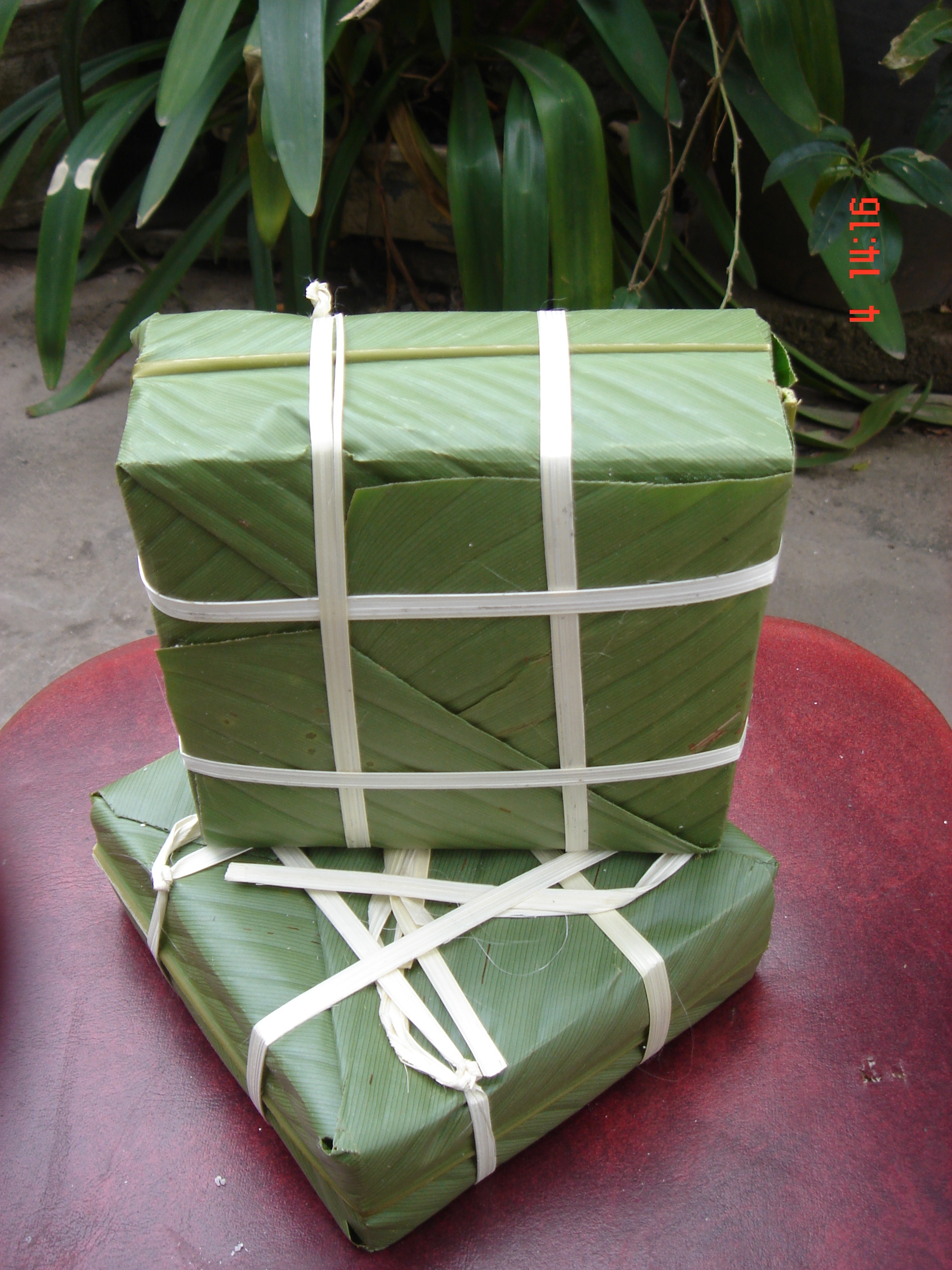
包叶: 新鲜的"La Dong"(Phrynium叶)是标准用料,要选叶片宽大、色泽翠绿、质地均匀、无破损的嫩叶。部分地区在La Dong难以取得时,会改用"La Chit"、芭蕉叶或"La Bang"。
捆绳: 用盐水浸泡或蒸软的细竹篾条"Lat Giang"。捆绑需要相当的腕力——将Banh Chung扎紧到足以撑过10小时水煮而不变形,是一门真正的手艺。
糯米: 选用当季收获的糯米,以"Nep Cai Hoa Vang"品种或高地糯米为佳。米粒应饱满圆润、黏性均匀,新米尤为清香。
绿豆: 以产自Thanh Hoa、Nghe An、Ha Tinh、Phu Tho丘陵地带的绿豆品质最佳,煮熟后香糯粉软。收获后经日晒、风选,存入陶罐保存。
猪肉: 选用传统"Lon I"猪的五花肉(Thit Ba Chi),这种猪以天然麸皮和蔬菜饲养,不使用生长激素。肥瘦相间的比例使馅料丰腴润口。腌制猪肉切勿用鱼露,否则会加速粽子变质。只需盐和黑胡椒即可。
调料: 黑胡椒、盐。旧时Hanoi部分家庭会在馅料中加入豆蔻或"Ca Cuong"精油,但现在已十分罕见。
色泽: 绿色来自将La Dong叶较深的一面贴着糯米放置。部分厨师会添加班兰叶或高良姜汁,以增添香气并呈现翡翠般的碧绿色。市面上有商贩在煮粽水中加入电池酸液以强行增色——切勿效仿。据家庭厨师反映,使用镀锌铁锅(而非铝锅)能安全地获得较好的色泽。
![]()
图片来源:CEphoto, Uwe Aranas,经 Wikimedia Commons 发布(CC BY-SA)
Tet祭桌上,Banh Chung与Banh Giay成对摆放。部分家庭会将外层叶子剥去,以新鲜叶子重新包裹,用红绳扎好再供奉。到了开吃的时候,用捆粽子的竹篾条斜切——这样每块都能均匀带到馅料。也可横切,中间几片馅料会更丰厚。
搭配腌洋葱(Dua Hanh)、鱼露,或加少许胡椒的酱油一同食用。Tet之后粽子变硬,可切片用油煎至两面金黄酥脆,配腌菜和Gio Lua(越南猪肉肠)同食,解腻爽口。
在Thanh Hoa、Nghe An、Ha Tinh一带,人们习惯将Banh Chung蘸糖蜜食用。有民谣为证:"剥开Banh Chung,请先生蘸糖蜜。"
在Phu Tho、Vinh Phuc、Bac Ninh、Bac Giang以及Hanoi部分地区等中部和山地省份,方形Banh Chung多用于祭祀场合。日常食用更偏爱长筒形的"Banh Chung Dai"(又称"Banh Tay")。原料相同,形状不同,横切成片,称为"Dong Banh"。