Hoi An 的与众不同之处
如果你在越南(베트남 / 越南 / ベトナム)的其他地方吃过“hoanh thanh”,Hoi An 的做法可能会让你感到惊喜。这里的馄饨明显更小——几乎只有拇指大小——外皮更薄、更剔透,猪肉鲜虾馅料也更清淡。汤底也更清澈:以鸡汤为底,而不是你在北方常见的那种浓郁的猪骨汤。当地人称之为精致,但这其实只是 Hoi An 整体饮食文化的缩影——少即是多,重品质而非分量。
这并非偶然。Hoi An(호이안 / 会安 / ホイアン)的商人阶层拥有财富和贸易人脉;这座小镇的饮食传统既体现了这种精致,也反映了几个世纪前定居于此的中国商人的影响。你能在“hoanh thanh”中品尝出这种底蕴——以越南的标准来看,它们简直可以说是小巧玲珑。
去哪里吃
Hoanh Thanh 1(Cao Thang 街)
这是大家首先会提到的地方。店面很小,除非你懂越南语,否则认不出招牌——窗户上只写着“Hoanh Thanh”。早上 6:30 左右营业,9 点或 9:30 关门。高峰期是早上 7–8:30。一碗(通常有 10–12 个馄饨)价格为 40,000–50,000 VND。这里的馄饨每天早上纯手工包制;你可以看着他们包好并下锅。汤头喝起来像是熬制了一整夜。早点来,否则你会遇到排队的学生和三轮车夫。没有英文菜单——只需指一指并点点头,或者直接说“mot tia hoanh thanh”(一碗馄饨)。
Phuong's Hoanh Thanh
规模较小的摊位,由一位名叫 Phuong 的女士经营了十多年。位于 Tran Hung Dao 街旁的一条小巷里(问问当地人,很容易错过)。早上 6 点营业,卖完即止——通常在 8:30 或 9 点左右。根据分量大小,一碗价格为 35,000–45,000 VND。Phuong 的独特之处在于:她会在汤里加一撮芝麻油,并且会配上一小碟辣椒和醋(大多数其他地方不提供)。这里的馄饨比 Hoanh Thanh 1 的肉更多一些,虾味明显。这是一个只有当地人光顾的地方;几乎没有游客知道。
Hoanh Thanh Com(早餐 + 米饭套餐)
位于市场附近的 Nguyen Trai 街。早上 6 点营业,一直开到上午 10 点左右。这家店卖“hoanh thanh com”——一碗盖着红烧五花肉和炸葱碎的米饭,旁边配一碗清汤馄饨。大约 55,000–65,000 VND。它比纯粹的“hoanh thanh”更丰盛,适合想要吃顿饱腹早餐的人。这里的汤底更清淡,甚至可以说是清雅——吃这里的馄饨更多是为了口感,而不是为了浓郁的汤头。
市场摊位(Hoi An 中央市场)
在菜市场(Cho Hoi An)内,有 2–3 个推车在早晨(5:30–8 a.m.)售卖“hoanh thanh”。价格较低——30,000–40,000 VND——但质量参差不齐。最稳妥的选择是一位撑着蓝色雨伞的老妇人经营的推车(她大多数早晨都在那里)。这里的馄饨还不错,但不如专卖店的精致;汤头尝起来像是与其他汤底(pho、酸汤等)共用的,所以带有一些混合的味道。如果你追求性价比,可以去试试;如果你想品尝最纯粹的版本,那就跳过吧。
Quang's Hoanh Thanh(午餐时段)
大多数“hoanh thanh”店在上午 9 点或 10 点前就关门了。Quang's 与众不同,因为他们在上午 11:30 重新营业,一直供应到下午 2 点——正好迎合了吃晚早餐或早午餐的人群。位于 Phan Dinh Phung 街。一碗 45,000–55,000 VND。午餐时的馄饨味道略有不同(汤头更新鲜,没有熬煮得那么浓缩),所以这和早上的体验不一样。品质很扎实;虽然不如 Hoanh Thanh 1 那么精致,但水准稳定且不那么拥挤。

照片由 Quang Nguyen Vinh 拍摄,来自 Pexels
如何点餐与何时前往
大多数“hoanh thanh”店只在早晨营业。如果你想吃到满满一锅新鲜出炉的馄饨,请尽量在早上 7–8 点前往。到了 8:30,有些地方已经煮到第二或第三锅了;到了 9 点,很多店已经卖光,或者在凑合用最后一点汤底。
点餐有两种方式:竖起一根手指说“mot tia”(一碗),或者说明大小——“tia lon”(大碗,通常 12–15 个馄饨)或“tia nho”(小碗,大约 8–10 个)。大多数地方会给你提供额外的调料:一个小盘子,里面有青柠角、辣椒和蘸酱(通常是酱油底)。把青柠汁挤到汤里,根据口味加入辣椒,再掰一两个辣椒放到蘸酱里。
如果你在上午 9 点之后才到,那就得碰运气了。有些地方会为晚到的客人留一小锅保温,但你吃到的将是早市尾声的馄饨——它们吸收了更多的汤汁,失去了外皮原本的精致爽滑。
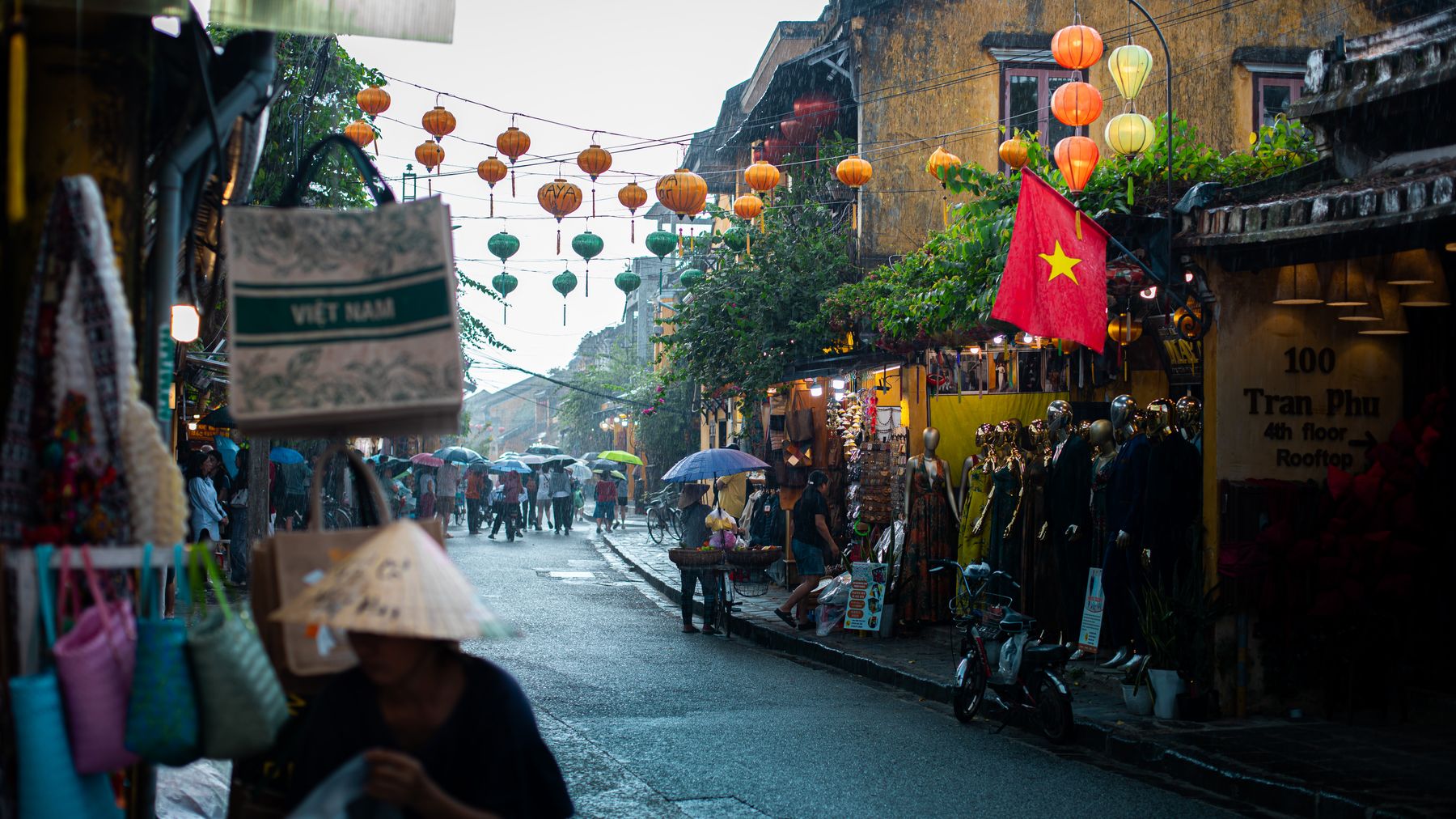
照片由 Sachith Ravishka Kodikara 拍摄,来自 Pexels
Hoi An 版本为何脱颖而出
在 Hanoi,“hoanh thanh”通常馄饨更大、外皮更有嚼劲,猪骨汤底也更浓郁。在 Saigon,它们的馅料往往更饱满,汤底因为脂肪含量较高而近乎呈乳白色。
Hoi An 摒弃了多余的修饰。馄饨更小,拿在手里更轻盈。汤底是鸡汤或鸡肉猪肉混合汤,这意味着它的味道更清爽——你不会被浓烈的猪肉味淹没。如果对着光看,外皮几乎是半透明的,这说明它擀得很薄且新鲜。这种做法比看起来需要更高的技巧:更薄的外皮更容易破裂,所以每一次折叠都必须精准。清淡的馅料要求使用更高品质的食材,因为任何瑕疵都无处遁形。这是一道值得细细品味的美食。
实用提示
请携带现金——这些地方都不接受刷卡。一碗馄饨加上调料的价格在 35,000–65,000 VND 之间,具体取决于地点和分量。你可以站着吃,或者坐在低矮的塑料小凳子上;大多数摊位都很随意。另外,一定要早点去。Hoi An 最好的“hoanh thanh”是早晨的食物,是当地人在上班或上学前享用的美味。到了上午 9:30,这场早晨的仪式就结束了。
最后更新 · May 26, 2026 · 独立调研,无任何赞助。