“Goi Cuon”是越南最灵活的一道菜。基本理念——用柔软的米纸包裹新鲜食材,蘸着酱汁吃——从Hanoi到湄公河三角洲 (메콩 델타 / 湄公河三角洲 / メコンデルタ) 始终如一。除此之外的一切都可以变通。
在这道菜的发源地南部,你会发现薄如蝉翼的“banh trang”里包裹着虾肉、五花肉、生菜、罗勒和紫苏。蘸酱通常是“tuong”(发酵黄豆酱)混合烤花生碎和炸红葱头。往北走,它的名字变成了“nem cuon”,米纸变得更厚,酱汁里可能还会加入少许“ruou nep cai”(糯米酒)。
这里没有绝对的标准食谱。Goi Cuon (고이꾸온 / 越南春卷 / ゴイクオン) 是一个模板,而不是一道固定不变的菜。
里面包什么
馅料可分为五大类:
肉类/蛋白质: 煮五花肉、虾(水煮或煎烤)、牛肉、鸭肉、蟹肉、“cha”(腌猪肉)、“gio lua”(越南香肠)、鸡蛋。有些摊贩还会用猪耳或鱼肉。
米纸 (banh trang): 不需要浸泡的轻薄柔软型米纸。南部春卷使用的米纸比越南中部 (베트남 / 越南 / ベトナム) 版本的要薄得多。更硬、更挺括的米纸是用来做“nem ran”(炸春卷)的,而不是生春卷。
香草和绿叶菜: 生菜(通常是散叶生菜,不是圆生菜)、越南香菜(“rau ram”)、九层塔、紫苏、莳萝。香草的组合因城市而异。
蔬菜和水果: 黄瓜、青香蕉、酸杨桃、凉薯、菠萝。这些食材增加了爽脆的口感和酸度。
粉面: 细米粉(“bun”)或粉片(“bun la”)。有些春卷完全不加粉。
酱汁
主要有两种风格:
-
Tuong(发酵黄豆酱): 用水稀释,混合花生碎、炸红葱头,有时还会加一点海鲜酱。在南部很常见。
-
“Nuoc cham”(鱼露蘸酱): 鱼露、青柠汁、糖、大蒜、辣椒。有些配方会加入玉米淀粉或椰奶来增加浓稠度。在Hanoi,摊贩有时会混入ruou nep cai。
第三种变体使用腌菜——苤蓝和胡萝卜,加盐腌制并焯水,然后与大蒜、辣椒、青柠和鱼露混合。

图片由 Cheong 拍摄。 原始上传者为英文维基百科的 Cheong Kok Chun,来自 Wikimedia Commons (CC BY-SA)
如何卷春卷
在街边摊和家里,你可以自己动手包。铺开米纸,放上一片生菜叶,然后在中间依次铺上肉类、米粉、香草和蔬菜。将其紧紧卷起,边卷边把两侧往里折。有些厨师会用焯过水的红葱头丝把春卷绑起来,或者纵向放一根韭菜,以增加风味并稳固结构。
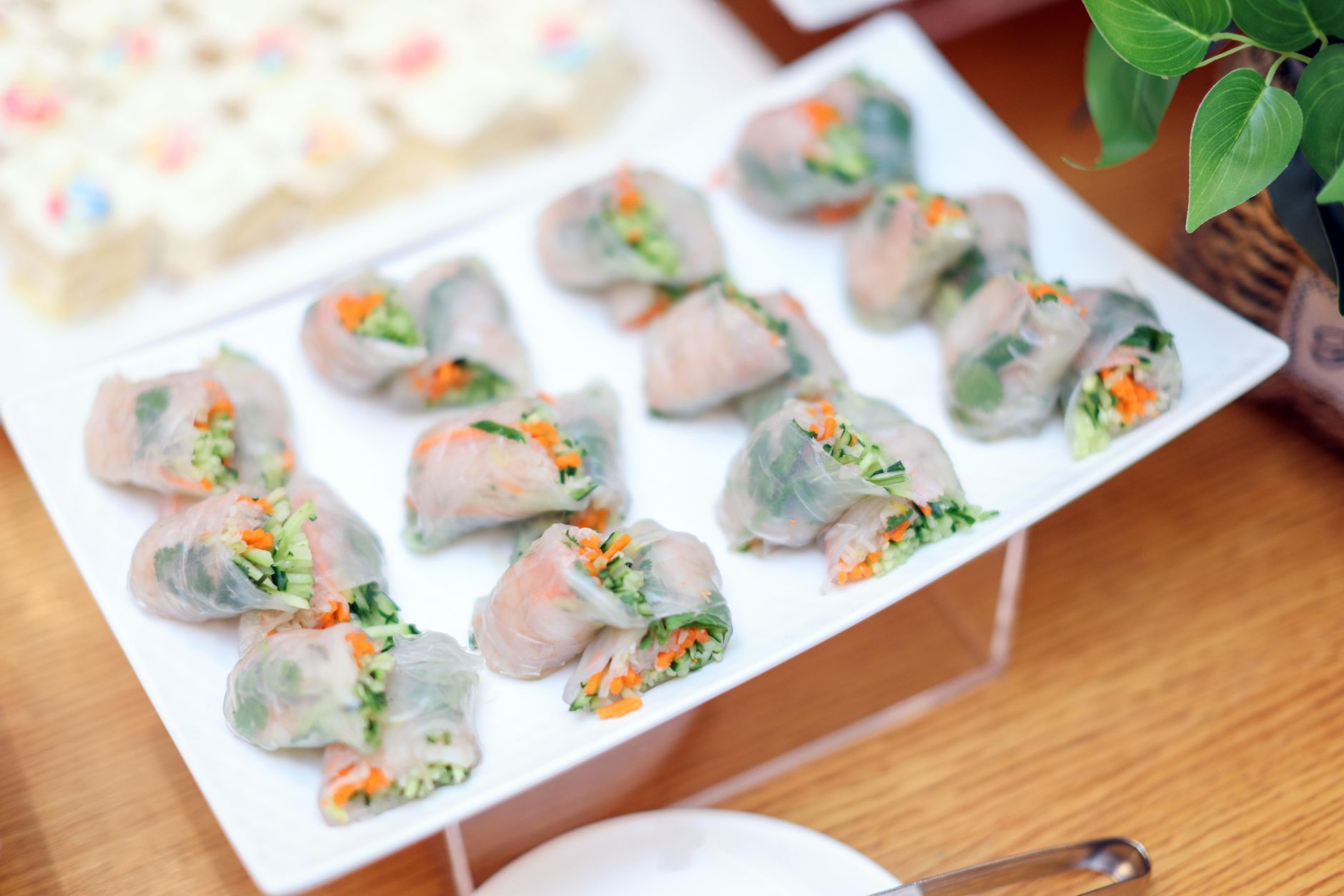
餐厅和外卖摊贩会提前卷好,通常还会把每个春卷切成一口大小的块。装在泡沫盒里并配上竹签,让你吃的时候不会弄脏手。

图片由 CEphoto, Uwe Aranas 拍摄,来自 Wikimedia Commons (CC BY-SA)
地区差异
“Thit luoc cuon”(白水猪肉卷): 最简单的版本。水煮五花肉或猪蹄,用米纸或无花果叶包裹,蘸着“mam nem”(发酵凤尾鱼酱)或“mam tom chua”(酸虾酱)吃。
“Nem cuon tom thit”(虾肉猪肉卷): 标准的Saigon Goi Cuon。水煮五花肉、煎虾(纵向切开)、薄煎蛋丝、生菜、细米粉、香草。通常还包括青香蕉和酸杨桃。蘸 tuong 或 nuoc cham 食用。
“Pho cuon”: 一种Hanoi特产,最早出现在 Ngu Xa 和 Nguyen Khac Hieu 街的拐角处。用新鲜的 Pho 粉皮代替米纸。馅料是大蒜和葱花炒牛肉。蘸 nuoc cham 食用,有时还会配上一份“quay”(油条)。
“Nem tai”(猪耳卷): 水煮猪耳切薄片,拌入烤米粉,用米纸和无花果叶、“la mo tam the”(三色胡椒叶)、“la dinh lang”以及“kinh gioi”(越南香薷)包裹。这里的香草组合非常讲究——这不是一道可以随意发挥的菜。
“Nem chua cuon”(发酵猪肉卷): 油炸、烤制或新鲜的“nem chua”(发酵猪肉)切块,与香草一起包裹,蘸酸甜微辣的鱼露食用。有几家Hanoi的店铺专门卖这个。
“Mon cuon Thuy Nguyen”: Hai Phong 的特产。使用切成短段的粉片。焯过水的红葱头变软后用来绑住春卷。薄煎蛋丝、酥脆的香煎河虾、水煮五花肉、炸豆腐,全部切成细丝。生菜叶保持半开状态以露出馅料。红葱头丝则缠绕在最外层。
“Bo cuon la cai”(芥菜牛肉卷): 略微烹调的牛肉、芥菜、未成熟的香蕉、青杨桃,搭配黑豆酱和芥末食用。
“Ca cuon”(鱼肉卷): Hanoi的“nem ca”使用腌制后煎烤的鱼片,搭配蛋黄酱、细米粉和莳萝。在南部,用野菜包裹烤黑鱼(“ca loc nuong trui”)很常见。清蒸鲭鱼搭配水煮瘦猪肉和生姜则是另一种变体。
“Thit chua cuon”: Thanh Son (Phu Tho) 的特产。酸味发酵猪肉用米纸包裹,搭配的香草与 nem tai 类似。
从何吃起
如果你是 Goi Cuon 的新手,可以在任何南部街边摊或北部 banh trang tron 店点一份 nem cuon tom thit。这是最基础的版本——虾、猪肉、香草、nuoc cham。一旦你了解了这个模板,就能明白那些地区变体的精妙之处了。
这道菜无处不在:街角、市场、正规餐厅、酒店的自助早餐。街边摊的价格在每卷 5,000–15,000 VND 之间,中档餐厅一盘四个的价格在 30,000–60,000 VND 之间。
Goi Cuon 并不猎奇。它是日常的美食。这正是它的魅力所在。
最后更新 · May 29, 2026 · 独立调研,无任何赞助。