When most people think of Vietnamese fish sauce, they picture nuoc mam—the clear, amber liquid on every table. But Vietnam (베트남 / 越南 / ベトナム)'s fermented-fish world goes deeper. "Mam nem" is the raw, intensely pungent cousin: thicker, cloudier, with visible fish pieces and an aroma that separates the curious from the cautious.
If you have spent any time eating street food in Da Nang or Hue, you have already encountered it—whether you realized it or not. That rust-colored sauce in the small bowl next to your grilled pork? That was probably "mam nem pha san." And once you know what it is, you start noticing it everywhere.
What Sets Mam Nem Apart
Unlike the refined, savory nuoc mam, "mam nem" is thick, reddish-brown, and unapologetic in its intensity. The smell is strong—undeniably so. But that's the point. For anyone who's grown up eating it, or who's learned to appreciate fermented boldness, "mam nem" is indispensable: the umami punch that nuoc mam can't deliver.
The difference lies in processing. While both start with fermented fish and salt, "mam nem" either ferments for a shorter period or is processed differently, keeping more of the original fish character. The result is a product that tastes like what it is: concentrated, funky, alive.
To put it in concrete terms: standard nuoc mam is strained and aged until it becomes a clear liquid. "Mam nem" keeps the solids. You can see flecks of fish in the paste, and the texture is closer to a loose puree than a pourable sauce. A 500ml bottle of decent commercial "mam nem" runs about 25,000-40,000 VND at a local market. Premium artisanal versions from Phan Thiet or Nha Trang (냐짱 / 芽庄 / ニャチャン) can cost 60,000-80,000 VND for the same volume.
Cham Origins and Regional History
The Cham people—an Austronesian ethnic group—brought "mam nem" into Vietnamese culinary tradition. Historical accounts suggest the ingredient entered southern Vietnamese cooking during the period of Vietnamese southward expansion, as culinary practices mixed across the region. The Cham cuisine was sweeter and spicier than northern Vietnamese food and relied heavily on various fermented pastes and sauces, of which "mam nem" was a cornerstone.
Today, even though "mam nem" feels quintessentially Vietnamese, its origins remind us that Vietnamese food is a conversation between cultures—a dynamic exchange that continues to define what we eat. You can taste echoes of this history in other Central Vietnamese dishes too—mi quang and cao lau in Hoi An both carry flavor profiles that reflect centuries of cultural layering.

Image by CEphoto, Uwe Aranas via Wikimedia Commons (CC BY-SA)
How It's Made
Traditional production is straightforward: small fish (usually anchovies) layered with salt in earthenware jars, sealed, and left to ferment for weeks or months. The duration and technique vary by region and maker, influencing final flavor and texture. Fermentation breaks down fish proteins into rich umami and the distinctive pungency that defines the product.
No additives. No shortcuts. Just time, salt, and patience.
The fish-to-salt ratio matters. Most producers use roughly three parts fish to one part salt by weight, though families who have been making it for generations guard their exact ratios. In coastal towns like Phan Thiet (about 200 km northeast of Saigon) and Nha Trang, you can still find small-batch producers selling directly from their homes. The jars sit in rows under corrugated roofs, baking in the coastal heat that accelerates fermentation. A batch typically needs at least two to three months, though some makers push it to six months or longer for deeper flavor.
Commercial brands like Nguyen Chat, Ba Co Ly Son, and 584 Nha Trang are widely available in supermarkets and wet markets across Vietnam. They are perfectly serviceable for home cooking, though locals will tell you—often with strong opinions—that nothing beats a jar sourced from a specific village.
Mam Nem Pha San: The Dipping Sauce
Raw "mam nem" is rarely eaten straight. Instead, it becomes "mam nem pha san"—prepared "mam nem" sauce—balanced with complementary flavors.
A basic version mixes raw "mam nem" with:
- Sugar – to balance salt and add sweetness
- Fresh pineapple – finely minced, providing fruity sweetness and subtle tang; the enzymes also smooth the texture
- Garlic and chili – minced fresh garlic and bird's eye chili for aroma and heat
- Lime juice – a squeeze for brightness and acid
- Water – to adjust consistency
Some regional versions add rice vinegar, lemongrass, or roasted peanuts. The proportions shift by preference and location. The result is sweet, sour, spicy, and savory in balance—a dipping sauce that makes sense of the raw ingredient.
Here is a working ratio to start with at home: two tablespoons of raw "mam nem," one tablespoon of sugar, two tablespoons of finely crushed pineapple, one minced garlic clove, one or two bird's eye chilies (sliced thin), juice of half a lime, and enough water to thin it to a pourable consistency. Taste and adjust. The pineapple is doing real work here—its bromelain enzyme breaks down residual fish proteins and softens the sauce's raw edge. Do not skip it.
In restaurants, you will sometimes see "mam nem" served with sliced green mango or green banana instead of pineapple. Both work, adding tartness and crunch.

Image by CEphoto, Uwe Aranas via Wikimedia Commons (CC BY-SA)
Where Mam Nem Shines
The prepared sauce is a workhorse in Central and Southern Vietnamese cooking:
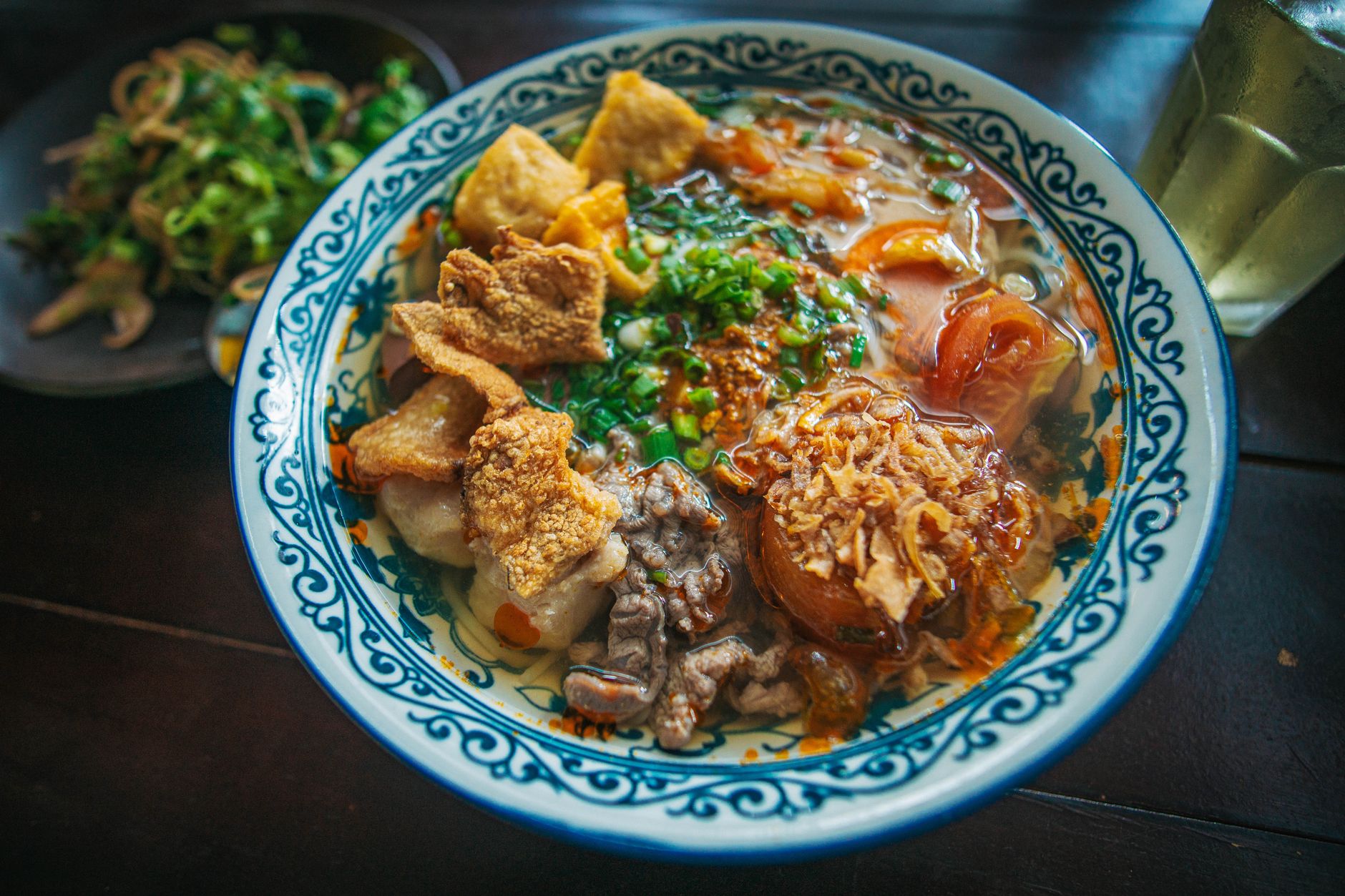
Bun Mam Nem is the signature dish: rice vermicelli noodles, grilled pork, fresh herbs, vegetables, and generous drizzle of "mam nem pha san." It's everywhere in Da Nang and the surrounding region. A bowl runs 30,000-50,000 VND at most street stalls.
Goi cuon (fresh spring rolls) often swap the standard fish-sauce dip for "mam nem," especially with grilled pork or beef, for a bolder taste.
Bo nhung dam (vinegar hot pot) pairs well with "mam nem"'s robust flavor against the tangy broth and beef. This dish is popular in Saigon, particularly in District 1 and District 3 restaurants.
Grilled seafood benefits from the sauce's pungency—a powerful counterpoint to the natural sweetness of shrimp or fish. Along the coast from Da Nang down to Phu Quoc, grilled squid and prawns arrive with a small dish of "mam nem pha san" as the default.
Even blanched or fresh vegetables become interesting when dipped into the prepared sauce. In the Mekong Delta, it is common to see a plate of raw vegetables—water spinach, cucumber, star fruit—served with nothing but a bowl of "mam nem" and steamed rice. That is a meal.
You will also find "mam nem" as a marinade base. Rub it into pork ribs before grilling, thin it with a little coconut water, and you get a caramelized, deeply savory crust. Some banh xeo vendors in Central Vietnam serve their crispy pancakes with "mam nem" rather than the more common "nuoc cham" (the diluted sweet fish sauce), which gives the dish an earthier, more assertive character.
Where to Find and Taste Mam Nem
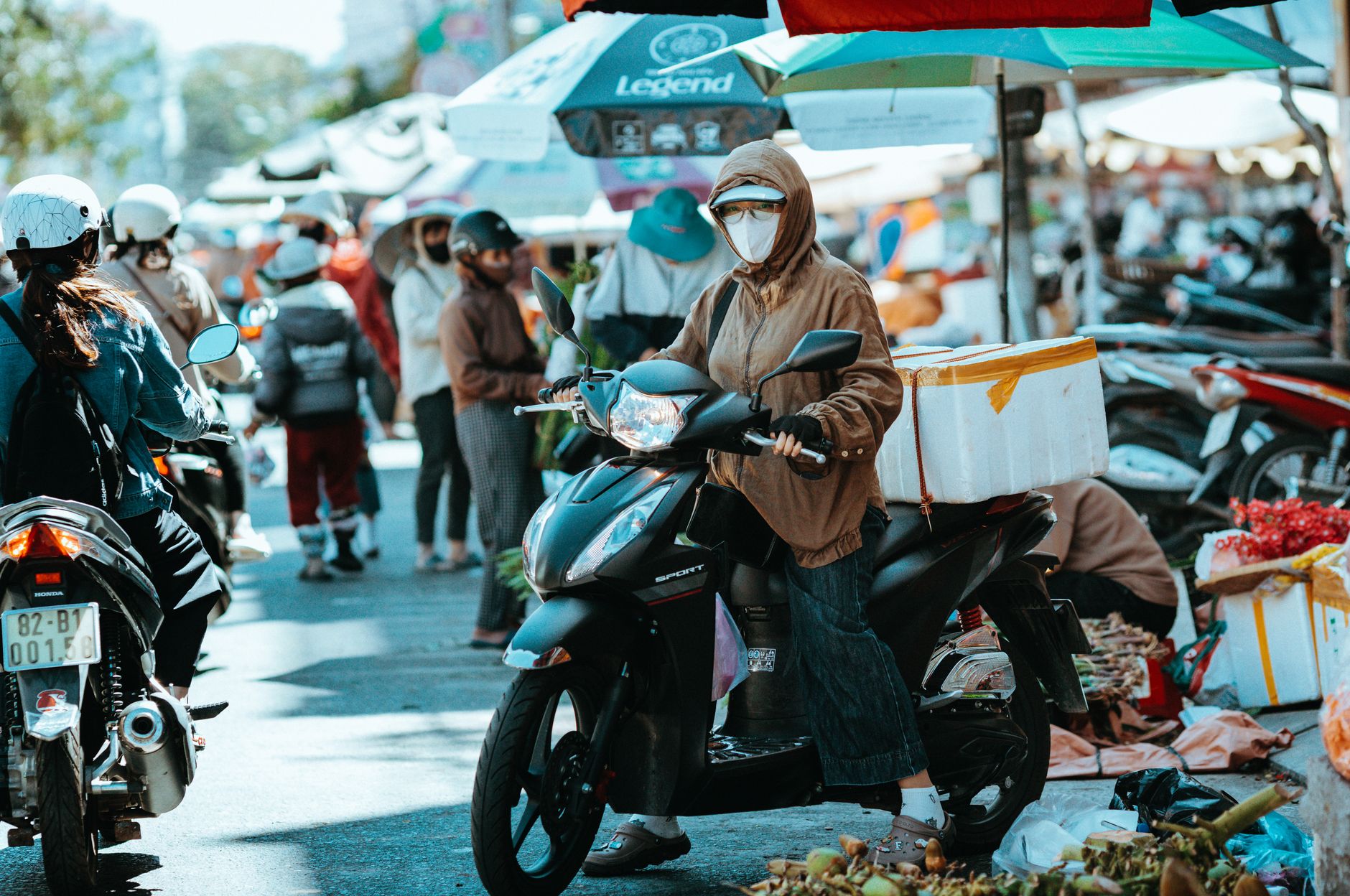
In Vietnam, look for it in local markets, especially in Central cities like Da Nang and Hue, where it's a culinary foundation. You'll see vendors selling both raw "mam nem" and ready-made "mam nem pha san." Vietnamese grocery stores outside Vietnam carry bottled versions, though quality and flavor vary.
For the real thing, seek it in local eateries and markets while you're in Vietnam. Start with a small amount—the intensity surprises. But once you adjust, many discover it's incredibly delicious: a powerful umami hit that opens doors to deeper, more complex Vietnamese flavor.
Some specific places worth visiting:
- Han Market (Cho Han), Da Nang – Open daily roughly 6:00-18:00. Multiple vendors on the ground floor sell bottled "mam nem" from various provinces. Prices range from 20,000-60,000 VND per bottle. You can ask to smell before buying—vendors expect it.
- Con Market (Cho Con), Da Nang – A bit less touristy than Han Market. Look for the fermented goods section near the back.
- Dong Ba Market, Hue – The largest market in Central Vietnam. "Mam nem" from Hue tends to be slightly thinner and saltier than the Da Nang style.
- Ben Thanh Market, Ho Chi Minh City – Tourist-facing, so prices are higher, but it is convenient for grabbing a bottle before a flight home. Expect to pay 40,000-70,000 VND.
If you want to taste it in a restaurant context before committing to a bottle, order "bun mam nem" at any street-side place in Da Nang. Point at the menu or say "cho toi mot to bun mam nem" (give me one bowl of bun mam nem). The sauce comes already mixed and drizzled over the noodles, so the intensity is controlled.
Common Mistakes and What Surprises Foreigners
Eating it raw from the jar. This is the most common mistake visitors make. Raw "mam nem" is an ingredient, not a finished sauce. Spooning it straight onto food is like eating tomato paste from the can—technically possible, but missing the point. Always look for the prepared version, "mam nem pha san."
Confusing it with "mam tom." "Mam tom" is fermented shrimp paste—purple-grey, even more pungent, and used primarily in Hanoi-style dishes like bun cha. They are not interchangeable. "Mam nem" is fish-based and most associated with Central and Southern cooking. "Mam tom" is shrimp-based and dominates the North.
Using too much. A little goes a long way. Start with a teaspoon mixed into your dipping sauce and build up. You can always add more.
Storing it wrong. Opened bottles should go in the fridge. At room temperature, fermentation continues and the flavor shifts—not necessarily in a direction you want. Sealed and refrigerated, a bottle lasts months.
Expecting it to smell like "nuoc mam." It does not. The aroma is significantly stronger. If you open a jar of "mam nem" in a small kitchen, everyone in the apartment will know. This is normal. The smell does not predict the taste of the finished sauce once balanced with pineapple, sugar, lime, and chili.
Assuming it is the same everywhere. "Mam nem" from Phan Thiet tastes different from "mam nem" made in Nha Trang or Da Nang. Fish species, salt ratios, fermentation times, and climate all influence the final product. If you try one version and do not love it, try another before giving up.
Quick Reference
- What: Fermented anchovy paste/sauce, thicker and funkier than standard "nuoc mam"
- Where it is most popular: Central Vietnam (Da Nang, Hue, Hoi An) and parts of the South
- Price range: 20,000-80,000 VND per bottle at markets
- Key dish: Bun mam nem (rice noodles with grilled pork and "mam nem" sauce)
- How to order: "Cho toi mam nem pha san" (give me prepared mam nem sauce)
- Shelf life: Months in the fridge once opened; check for off colors or mold
- Vegetarian alternative: None that is authentic—the ingredient is inherently fish-based
- Best markets: Han Market and Con Market (Da Nang), Dong Ba Market (Hue), Ben Thanh Market (Saigon)
- Related condiments: "Nuoc mam" (fish sauce), "mam tom" (shrimp paste), "nuoc cham" (dipping sauce)
Bottom Line
"Mam nem" is not a condiment that wins you over immediately—it earns your respect over time. The first encounter is usually the smell, and that can be a wall. But if you push past it and taste the prepared sauce alongside grilled pork, fresh herbs, and rice noodles, something clicks. It is one of those flavors that makes Vietnamese food feel deeper than you expected, connecting you to centuries of coastal fermentation traditions and Cham culinary influence that most visitors never learn about. Give it three tries before you decide.
Last updated · May 29, 2026 · independently researched, never sponsored.