— समाप्त —
अंतिम अपडेट · May 30, 2026 · स्वतंत्र शोध, कभी प्रायोजित नहीं।
We use minimal analytics + ads (no personal tracking). See our privacy policy.
When things go wrong on the road, clear communication is vital. Here are the essential phrases to describe pain and symptoms to a Vietnamese doctor.

इस शहर के अन्य लेख।

Winter in the north is damp, grey, and surprisingly chilly. Forget the tropical gear and pack for layering to survive the humidity.

…
Hotels, homestays, hostels — strongest inventory in Vietnam.
Thousands of foreigners teach English or freelance in Vietnam on tourist visas. Here is what Vietnamese law actually says, when it gets enforced, and how to do it properly.
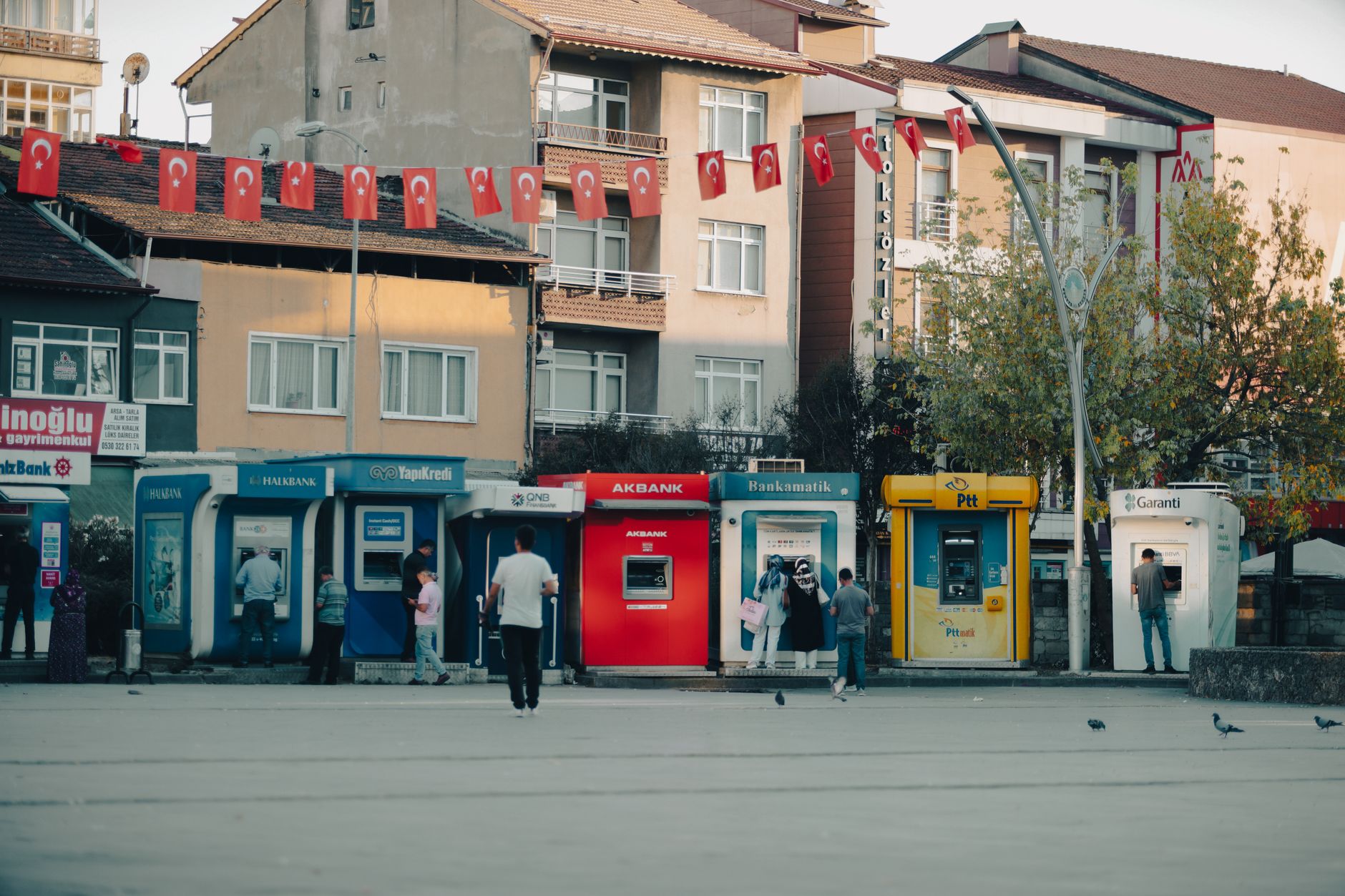
The Wise debit card works well in Vietnam if you know the fee structure. Here's how to use it at ATMs and merchants without losing money on bad rates.
इस क्षेत्र के अन्य लेख।

The Wise debit card works well in Vietnam if you set it up right. Here's how to avoid fees, use the VND balance, and when it beats alternatives.

Vietnam's wellness scene has matured fast. Here's how to spend 7 days across four retreats — Hoi An, Da Lat, Phu Quoc, and Mai Chau — depending on your pace and budget.
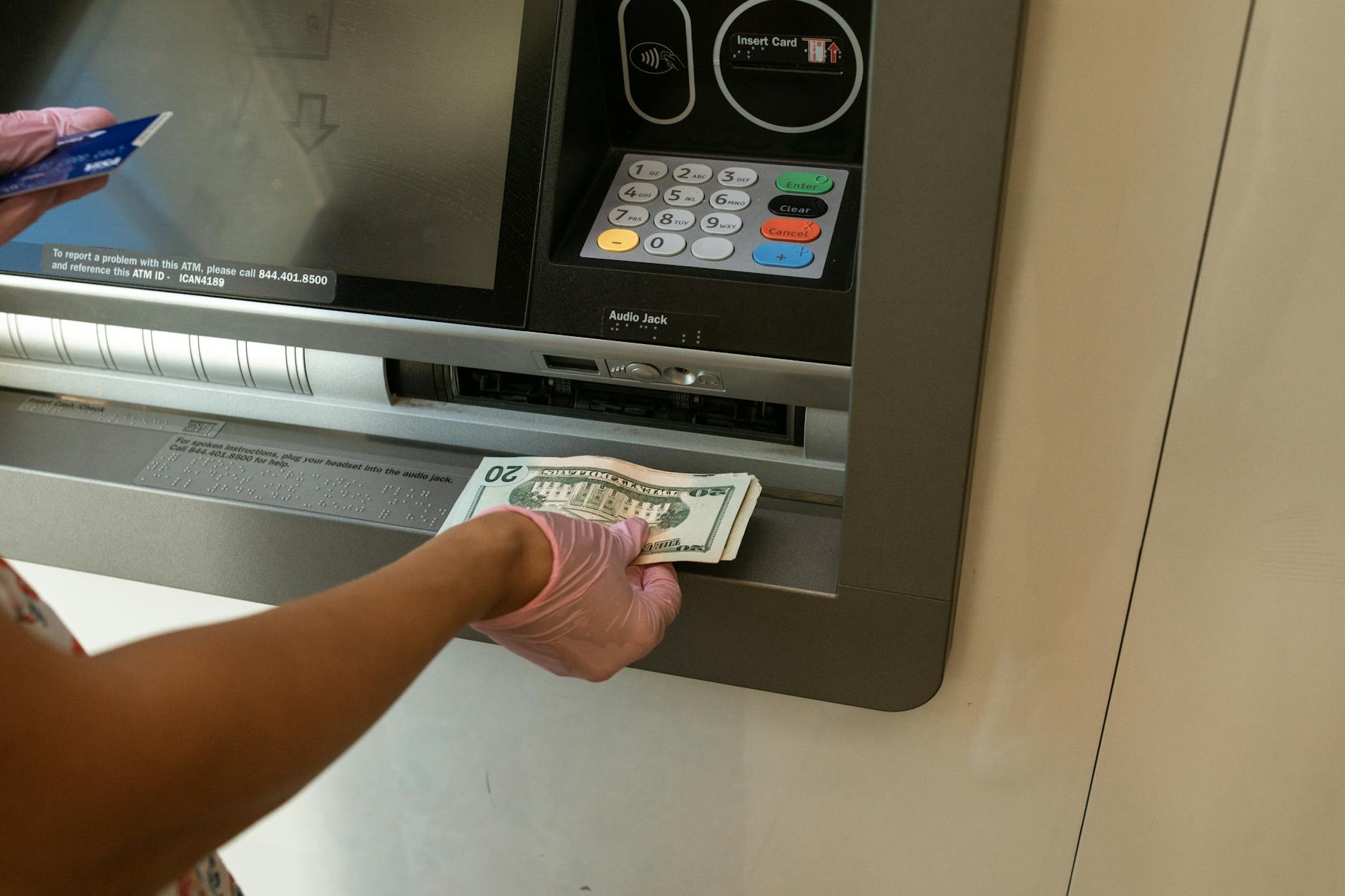
Vietnam runs on dong, but there are real situations where USD cash matters. Here is where you can actually pull USD from an ATM or bank counter.
More articles from the same category.
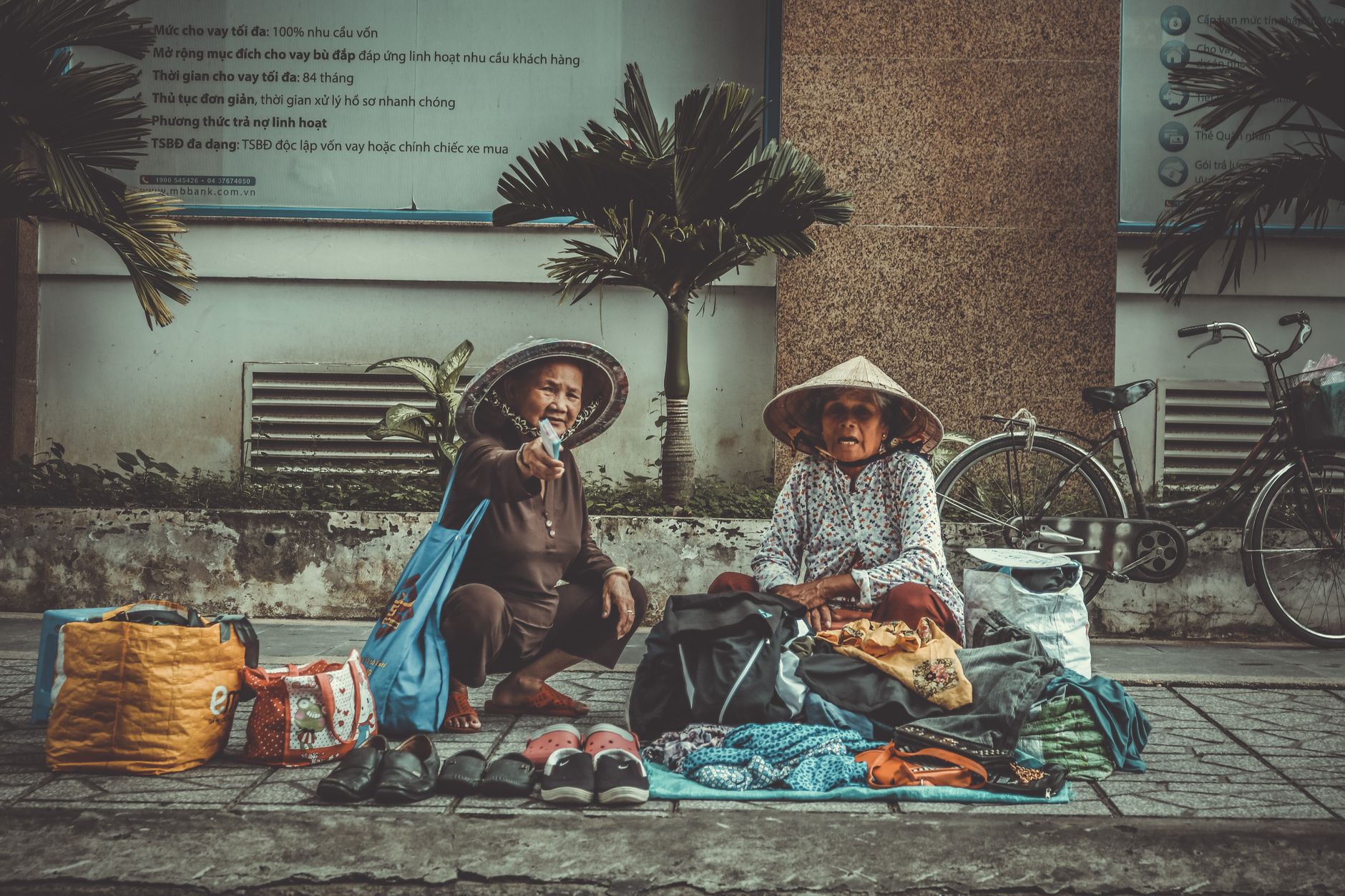
Forget the heavy gear. Packing for the Mekong Delta is about managing humidity, protecting your skin, and staying mobile on the water.

Wise works for sending VND to Vietnamese banks, but the process has quirks. Here's what fees to expect, which banks receive fastest, and why transfers get rejected.
Fees, speeds, and bank coverage compared for the three most-used international transfer services into Vietnam — so you pick the right one before you send.
Forget the resort-brochure packing lists. Here is the gear you actually need for Vietnam's coast, from the sands of Da Nang to the islands of Phu Quoc.
Mastering basic time and day markers in Vietnamese will save you from missed buses and confused taxi drivers. Here is the essential cheat sheet for your trip.

Most travel insurance policies have gaps that matter specifically in Vietnam — motorbike coverage, medical evacuation, and hospital payment methods. Here is what to check before you buy.
Navigating a clinic or hospital in Vietnam (베트남 / 越南 / ベトナム) can be daunting, especially when you are already feeling unwell. While many private clinics in cities like Saigon or Hanoi have English-speaking staff, knowing a few basic phrases can bridge the gap during a consultation. In Vietnam, doctors often appreciate direct, concise descriptions of your symptoms.
To start, you need to identify where the pain is and what it feels like. The most important word to know is "dau," which means pain or ache.
Phrase: Toi bi dau. Pronunciation: Toy bee dow. Context: Use this as your opening. If you need to be specific, add the body part after. For example, "Toi bi dau bung" (I have a stomach ache) or "Toi bi dau dau" (I have a headache).
Phrase: Dau o day. Pronunciation: Dow uh zay. Context: Point to the area while saying this. It is simple, effective, and leaves no room for misinterpretation.
Phrase: Dau bao lau roi? Pronunciation: Dow bow low zoy? Context: Even if you are the patient, you might hear this from the doctor. You can answer with a duration, such as "hai ngay" (two days) or "mot tuan" (one week).
Vietnamese doctors will often ask about the nature of the pain. Is it sharp? Is it dull? Is it constant?
Phrase: Dau nhoi. Pronunciation: Dow nyoy. Context: Use this for stabbing or piercing sensations. If the pain is more of a dull, constant ache, use "dau am i" (dow um ee).
Phrase: Dau lam. Pronunciation: Dow lum. Context: "Lam" acts as an intensifier. If you are in extreme pain, you can say "Dau qua" (Dow wa).

Photo by Markus Winkler on Pexels
Pain is rarely the only symptom. Be prepared to mention other common issues that might accompany your condition.
Phrase: Toi bi sot. Pronunciation: Toy bee sut. Context: If you have been taking your temperature, you can follow this with the number, e.g., "ba muoi chin do" (39 degrees Celsius).
Phrase: Toi bi chong mat. Pronunciation: Toy bee chong mut. Context: This is useful if you have been suffering from heat exhaustion or dehydration, which is common in the tropical climate of the south.
Phrase: Toi bi di ngoai. Pronunciation: Toy bee zee ng-why. Context: This is a common issue for travelers adjusting to local street food. It is best to be direct so the doctor can provide the correct rehydration salts or medication.
Photo by Markus Winkler on Pexels
In Vietnam, the doctor-patient relationship is often more hierarchical than in the West. Do not be surprised if the doctor asks you many questions about your diet or your recent travel history. They may ask if you have eaten "pho" or "bun cha" recently, or if you have been drinking "ca phe sua da" on an empty stomach. These aren't just small talk; they are trying to rule out common food-related illnesses.
If you are visiting a public hospital, expect a more chaotic environment than what you might be used to. It is standard practice to bring a local friend or a translator if possible. If you are in a remote area, such as the mountains of Ha Giang or the rural outskirts of Ninh Binh (닌빈 / 宁平 / ニンビン), medical facilities may be basic. In these cases, having these phrases written down on a piece of paper can be a lifesaver if your pronunciation is not perfect.
Always carry your travel insurance details and a list of any allergies you have. If you are taking regular medication, keep the original packaging with you. If you need to visit a pharmacy, you can often show the pharmacist the name of the drug you need, as many common medications are available over the counter.
While these phrases will help you communicate, they are not a substitute for professional medical care. If you are seriously ill, seek out an international-standard clinic in a major city like Saigon, Da Nang, or Hanoi, where English-speaking doctors are standard and the diagnostic equipment is up to date.