— समाप्त —
अंतिम अपडेट · May 30, 2026 · स्वतंत्र शोध, कभी प्रायोजित नहीं।
We use minimal analytics + ads (no personal tracking). See our privacy policy.
Don't get stuck without data. Learn these essential Vietnamese phrases to navigate mobile shops and get connected quickly.

अंतिम अपडेट · May 30, 2026 · स्वतंत्र शोध, कभी प्रायोजित नहीं।
इस शहर के अन्य लेख।
Winter in the north is damp, grey, and surprisingly chilly. Forget the tropical gear and pack for layering to survive the humidity.

…
Hotels, homestays, hostels — strongest inventory in Vietnam.
Thousands of foreigners teach English or freelance in Vietnam on tourist visas. Here is what Vietnamese law actually says, when it gets enforced, and how to do it properly.
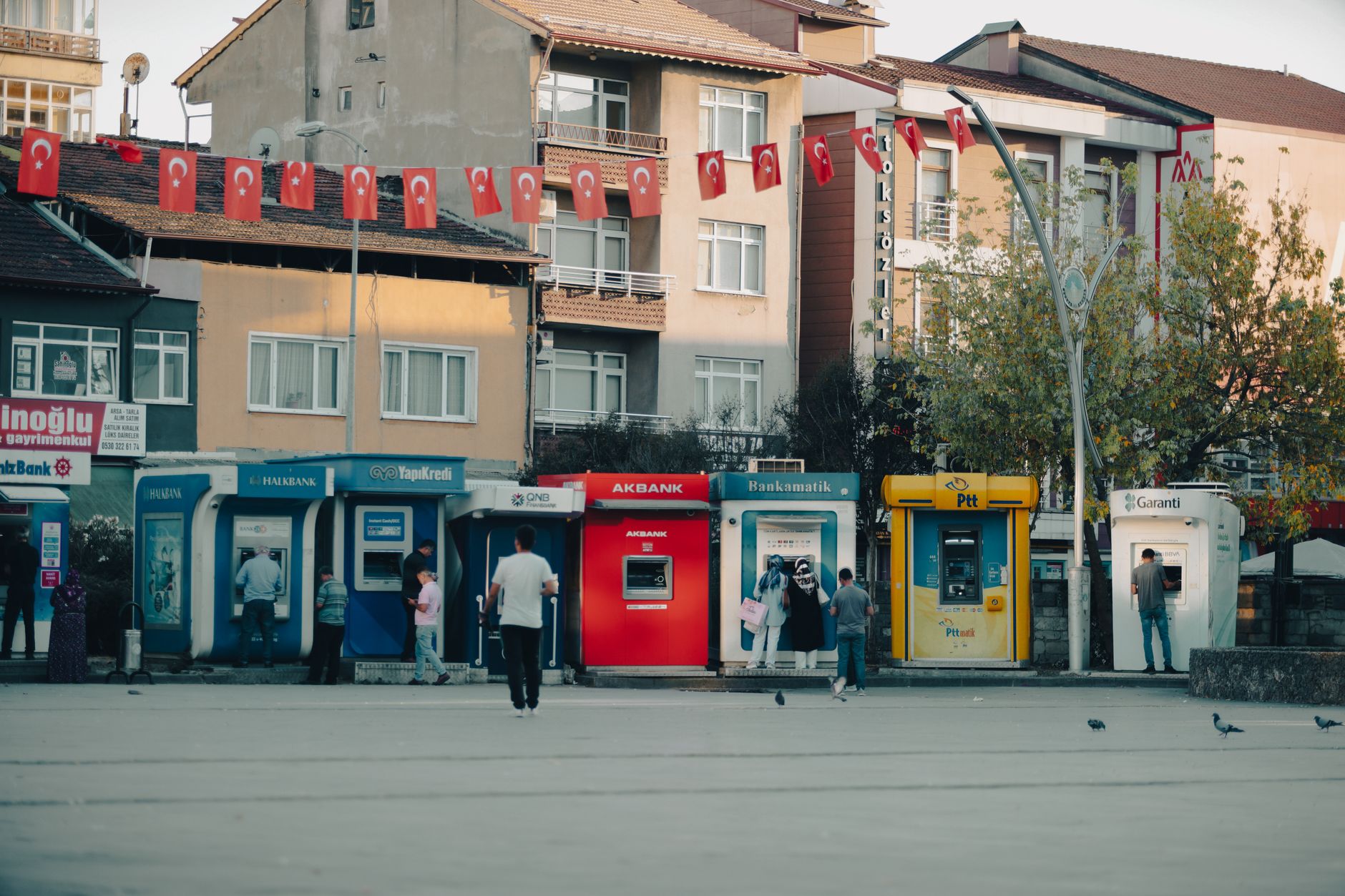
The Wise debit card works well in Vietnam if you know the fee structure. Here's how to use it at ATMs and merchants without losing money on bad rates.
इस क्षेत्र के अन्य लेख।

The Wise debit card works well in Vietnam if you set it up right. Here's how to avoid fees, use the VND balance, and when it beats alternatives.

Vietnam's wellness scene has matured fast. Here's how to spend 7 days across four retreats — Hoi An, Da Lat, Phu Quoc, and Mai Chau — depending on your pace and budget.
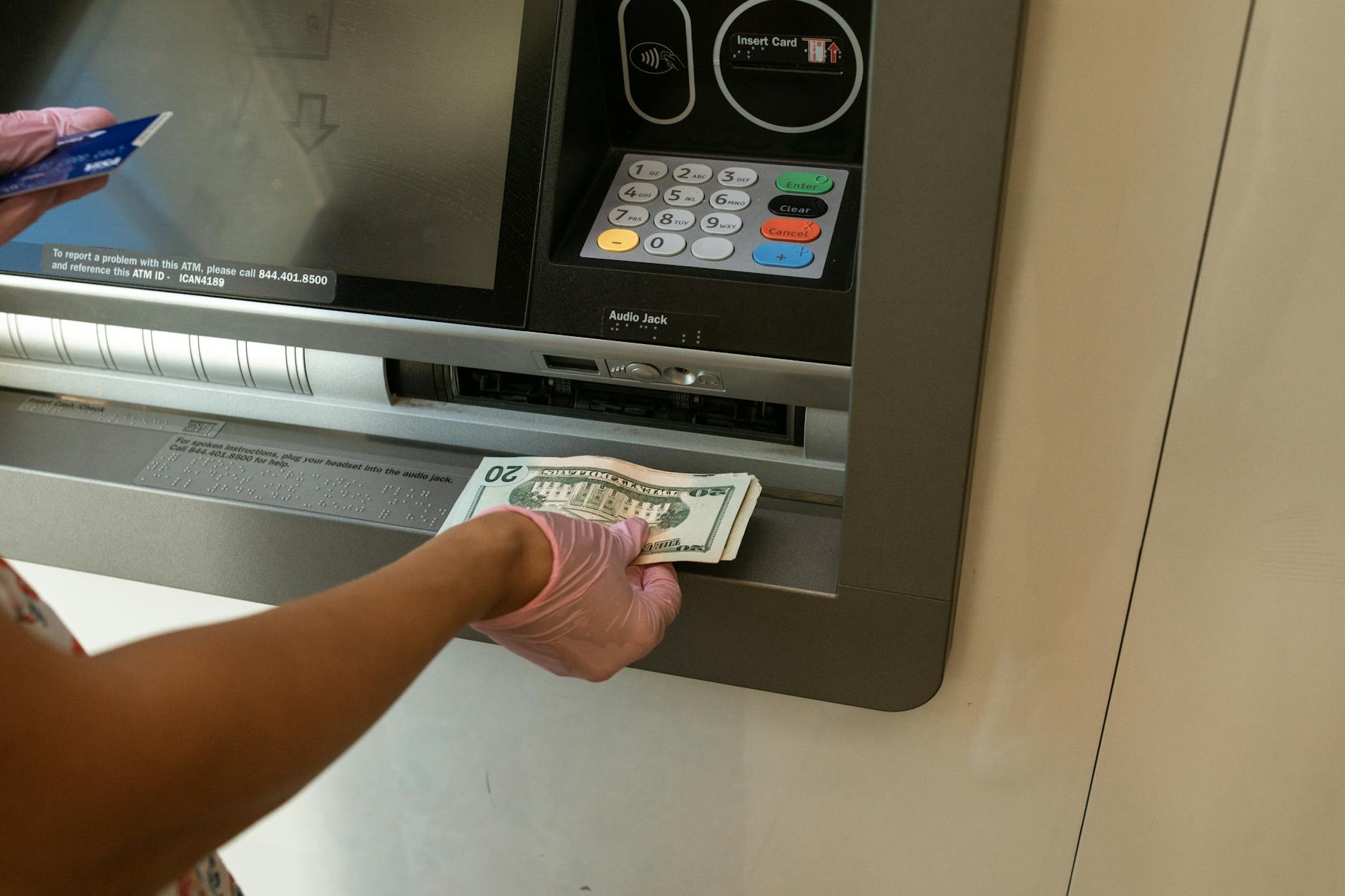
Vietnam runs on dong, but there are real situations where USD cash matters. Here is where you can actually pull USD from an ATM or bank counter.
More articles from the same category.
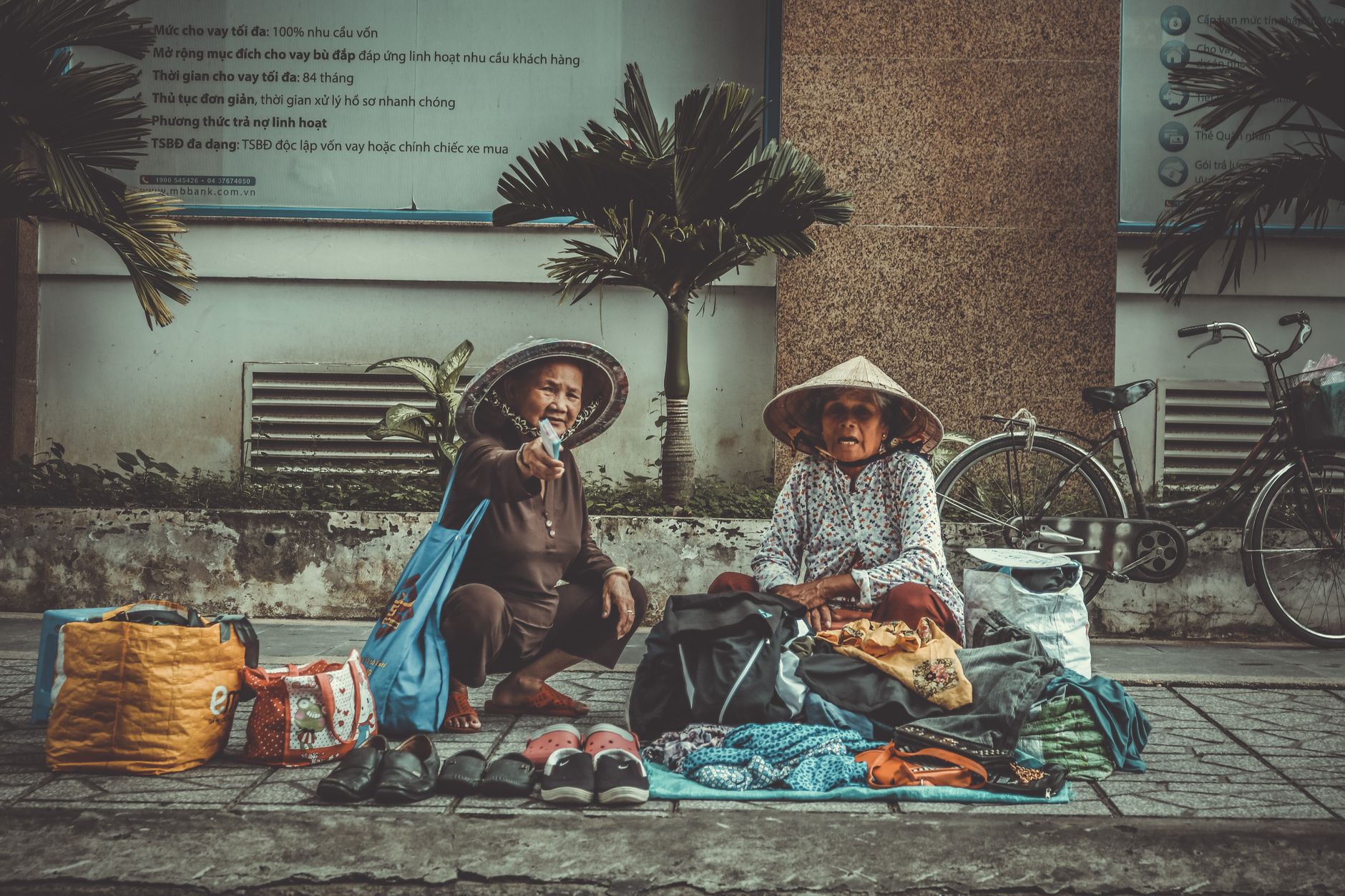
Forget the heavy gear. Packing for the Mekong Delta is about managing humidity, protecting your skin, and staying mobile on the water.

Wise works for sending VND to Vietnamese banks, but the process has quirks. Here's what fees to expect, which banks receive fastest, and why transfers get rejected.
Fees, speeds, and bank coverage compared for the three most-used international transfer services into Vietnam — so you pick the right one before you send.
Forget the resort-brochure packing lists. Here is the gear you actually need for Vietnam's coast, from the sands of Da Nang to the islands of Phu Quoc.
Mastering basic time and day markers in Vietnamese will save you from missed buses and confused taxi drivers. Here is the essential cheat sheet for your trip.

Most travel insurance policies have gaps that matter specifically in Vietnam — motorbike coverage, medical evacuation, and hospital payment methods. Here is what to check before you buy.
Getting a local SIM card is the first thing you should do upon landing. While English is widely spoken in tourist hubs like Saigon or Hanoi, knowing a few local phrases makes the transaction smoother and ensures you aren't accidentally sold a tourist package you don't need.
In Vietnam (베트남 / 越南 / ベトナム), the big three carriers are Viettel, Vinaphone, and Mobifone. Viettel generally has the best coverage in remote areas like Ha Giang or Sapa. When you walk into a shop—often marked by a small sign with the carrier's logo—you are looking for a "sim rac" (prepaid SIM).
Avoid the temptation to buy a SIM at the airport kiosks if you can wait; they often mark up prices significantly. A standard monthly data package should cost between 100,000 VND and 200,000 VND. If someone asks for 500,000 VND, you are likely looking at a tourist-specific markup.
Use these phrases to communicate exactly what you need. Remember that Vietnamese is a tonal language, but don't stress too much—locals are generally patient if they see you making an effort.
Phrase: "Toi muon mua mot cai sim." Pronunciation: Toy moo-on moo-ah mot kai sim. Context: This is your opening line. It’s direct and polite.
Phrase: "Ban co goi cuoc data khong?" Pronunciation: Ban kor goy ku-ok data khong? Context: Most SIMs come with a base balance, but you need to activate a "goi cuoc" (data plan) to get internet. If you don't ask, you might burn through your credit in minutes.
Phrase: "Toi muon dang ky goi mot thang." Pronunciation: Toy moo-on dang kee goy mot thang. Context: This tells the vendor you want a recurring monthly plan rather than a one-off top-up.
Phrase: "Lam on kich hoat giup toi." Pronunciation: Lam on keech hwat zup toy. Context: Crucial. Never leave the shop until you see the 4G icon on your phone. They will usually need your passport to register the SIM to your name.
Phrase: "Gia bao nhieu?" Pronunciation: Zyah bao nyew? Context: The universal question. If the price seems high, you can follow up with "Co re hon khong?" (Is there anything cheaper?).

Photo by Nguyen Ngoc Tien on Pexels
When you enter a mobile shop, you might be greeted with a smile and a "chao em" or "chao anh/chi." It is polite to return the greeting.
If you are traveling for a long time, consider visiting an official carrier store rather than a third-party reseller. The staff at official Viettel or Vinaphone branches are more likely to help you set up the app, which is the easiest way to monitor your data usage later.
If you find yourself in a smaller town, don't be surprised if the process takes 20 minutes. It is common for the shop owner to offer you a "tra da" (iced green tea) while they wait for the network to confirm your registration. Accept it—it’s a small gesture of hospitality that makes the wait much more pleasant.
Photo by Nguyen Ngoc Tien on Pexels
Always keep your SIM card packaging or the plastic frame it came in. It contains your PUK code and phone number, which you will need if you ever need to top up your balance at a convenience store or via an app. Once you are connected, you are ready to navigate the country, whether you are hunting for the best "bun cha" in Hanoi or planning a trek in "Mai Chau."