“Banh Can”是你在 越南 (베트남 / 越南 / ベトナム) 能找到的最不加修饰的早餐。将木薯粉面糊倒入半球形模具中烤制成酥脆的碗状小饼,里面塞满虾肉、猪肉和葱油,然后蘸着鱼露吃。在 Mui Ne,这不是什么游客专属餐——而是渔民们早上 6 点出海前吃的早餐。这里的版本比你在 Hanoi 或 Ho Chi Minh City 吃到的更清淡、更精致,也更少油,这可能是因为摊主们使用的都是从两个街区外的港口采购来的极鲜海产。
Mui Ne 位于 Ho Chi Minh City (호치민시 / 胡志明市 / ホーチミン市) 东北 220 km 处,拥有一支作业中的捕鱼船队。靠近渔获产地这一点至关重要。在其他地方,Banh Can 尝起来就像是随意的配菜,而在这里,它简直是一种信仰。
Banh Can Phan Rang(标杆之选)
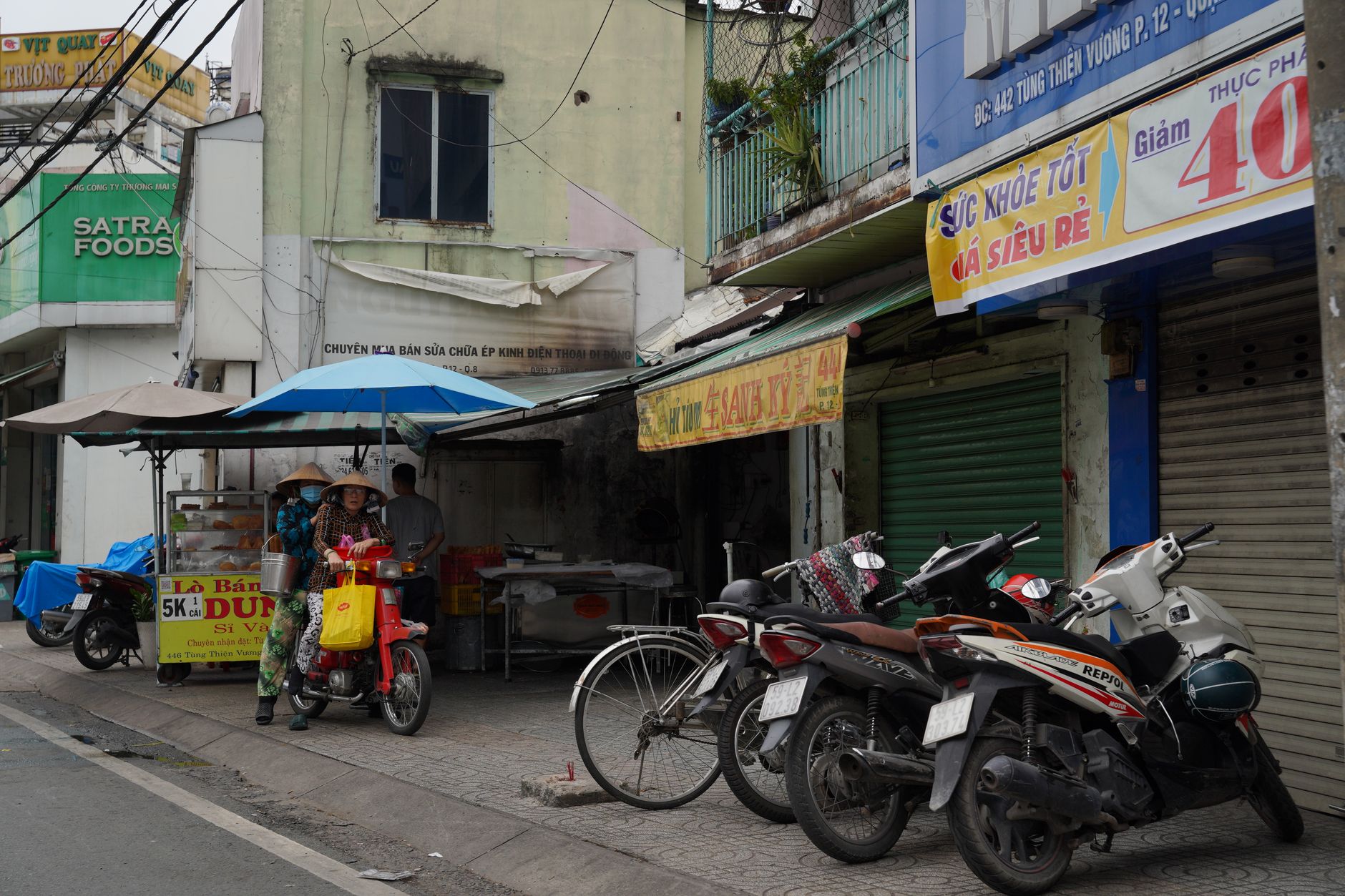
这是每个人都会推荐的摊位。它是一辆撑着蓝色遮阳伞的金属推车,位于 Nguyen Hue 街,就在 Mui Ne (무이네 / 美奈 / ムイネー) 市场正对面,营业时间为早上 5:30 到 9:30 左右。摊主是一位 60 多岁的妇女,已经在那里摆摊超过 15 年了。她在每个小饼里放上大概四只肥美的虾、一勺肉末,再淋上一点澄清的猪油(不是植物油)。小饼本身——她就在你面前现烤——酥脆得一咬就掉渣,但绝不生硬。她会配上自制的鱼露,里面加了大量的青柠和辣椒。一份售价 15,000 VND(约合 0.65 美元)。大多数人会点两份。当地人通常会拿 3 到 4 份,叠在一起,站着吃完。
如何前往:从镇中心步行到 Mui Ne 市场;Banh Can Phan Rang 紧挨着市场的北侧。如果你在早上 9 点之后才到,就会看到推车已经收摊了。
Banh Can Au Lac(多变风味)
在 Phan Rang 摊位转角处的 Tran Hung Dao 街上,有一个更小的摊位,由一位较年轻(40多岁)的摊主经营,名叫 Au Lac。她不仅做 Banh Can,还卖 banh hoai,这是一种用香蕉叶包裹的当地特色米饼。她的 Banh Can 稍微厚一点,面糊里混入了更多的鸡蛋,让内馅吃起来几乎像蛋奶冻一样软嫩。如果说 Phan Rang 的特点是外酥里嫩,那么 Au Lac 的口感则更加丰腴满足。她的虾是从丈夫的渔船上直接拿货的,所以馅料每天都在变——有时只有虾,有时会加入鱿鱼或小鱼。价格:每份 18,000 VND。营业时间:早上 6 点至 10 点。
为什么会有这种差异?Au Lac 的面糊是静置过夜的;而 Phan Rang 的则是每天早上现调的。你更偏爱哪一种,或许能反映出你个人的口味偏好。
Banh Can Thanh Huong(游客友好型)
如果你和习惯睡到早上 8 点以后的家人一起用餐,位于 Phan Boi Chau 街的 Thanh Huong 会是个好选择,它的营业时间是早上 7 点到 11 点,然后是下午 5 点到晚上 8 点(把 Banh Can 当晚餐吃很少见,但在这里确实可以)。这里的品质与 Phan Rang 推车不相上下,而且老板会说一些蹩脚的英语。售价为 16,000 VND。真正的区别在于:他这里有塑料凳子和一个小吧台,所以你真的可以坐下来吃。大多数其他的 Banh Can 摊位都没有座位;你只能站着吃或者打包带走。Thanh Huong 是 Mui Ne 唯一一个能看到当地人和游客混杂在一起的地方,而且当地人似乎并不介意。

照片由 Quang Nguyen Vinh 拍摄,来自 Pexels
Banh Can 6 Tran Hung Dao(没有招牌,只有门牌号)
一个没有名字的摊位(当地人只叫它“6 Tran Hung Dao”)隐藏在一家轮胎店和一辆卖椰子水的推车之间。没有招牌,没有遮阳伞,只有一个女人坐在一张孤零零的桌子前,守着她的模具和一瓶鱼露。她早上 5:45 出摊,卖完就收摊(通常是早上 8:30)。这里的 Banh Can 是所有摊位中口味最咸鲜的——她在馅料里使用了凤尾鱼酱,而不仅仅是猪肉和虾。这款 Banh Can 适合那些不想吃传统清淡早餐的人。价格:15,000 VND。座位:只能站着吃,最多大概能容纳三个人。
这个摊位是故意让人很难找的。当地人就喜欢这样。
Mui Ne 的 Banh Can 有何不同
大多数盛产 Banh Can 的地区(如 Phan Rang、Ninh Thuan)提供的版本口感更重、更油腻,通常面糊更多,烤制时也不那么精细。Mui Ne 的摊主们则把它当成一项精细活来做,这可能是因为他们的顾客还包括需要快速进食且口味清淡的捕鱼船员。这里的虾更新鲜——你甚至能尝出其中的海水咸味。鱼露通常是自家调制的,而不是那种装在瓶子里陈酿的。而且这里几乎没有竞争,所以摊主们多年来一直在完善他们的配方,而不需要去搞什么创新。

照片由 Sergey Guk 拍摄,来自 Pexels
如何点单
用手指比划你想要几份。如果你想多加虾,可以说“ca ri”(需多付 2,000 VND)。如果你不要虾,可以说“khong ca”(当地人有时会这么点)。如果你想要更多的香草(薄荷、香菜),可以说“thêm sa lach”,不过通常鱼露里已经加了。大多数摊主完全不懂英语,但他们做同一道菜已经超过 10 年了,所以交易过程非常快。
请使用现金支付。这些摊位都不接受刷卡。
何时前往
永远是早上。早上 6:30 到 8 点是高峰期。如果你在早上 9 点之后去,要么会发现推车已经卖光收摊了,要么只能吃到在保温灯下放了 90 分钟的 Banh Can。Thanh Huong 的晚班也是个选择,但 Banh Can 毕竟是一道早餐——在晚上 6 点吃它,感觉在传统上不太对味。
许多游客留在 Mui Ne 是为了海滩和风筝冲浪。如果你在这里逗留,请至少定一次闹钟。从大多数宾馆出发,只需 15 分钟就能吃到 Banh Can,花费 15,000 到 18,000 VND,你就能品尝到 Mui Ne 最真实的滋味:一个拥有得天独厚海洋资源的渔镇。
实用提示
所有摊位仅收现金。最佳就餐时间是早上 6:30 到 8 点,此时小饼都是新鲜现烤的,鱼露也处于室温状态。如果你在早上 9 点之后到达,推车可能已经准备收摊了。Banh Can Phan Rang 是最可靠的标杆之选,但如果你在 Mui Ne 停留不止一个早晨,Au Lac 和 Tran Hung Dao 街上那个无名摊位也绝对值得你去寻觅。
最后更新 · May 29, 2026 · 独立调研,无任何赞助。