Hue: Imperial Past, Present Heritage
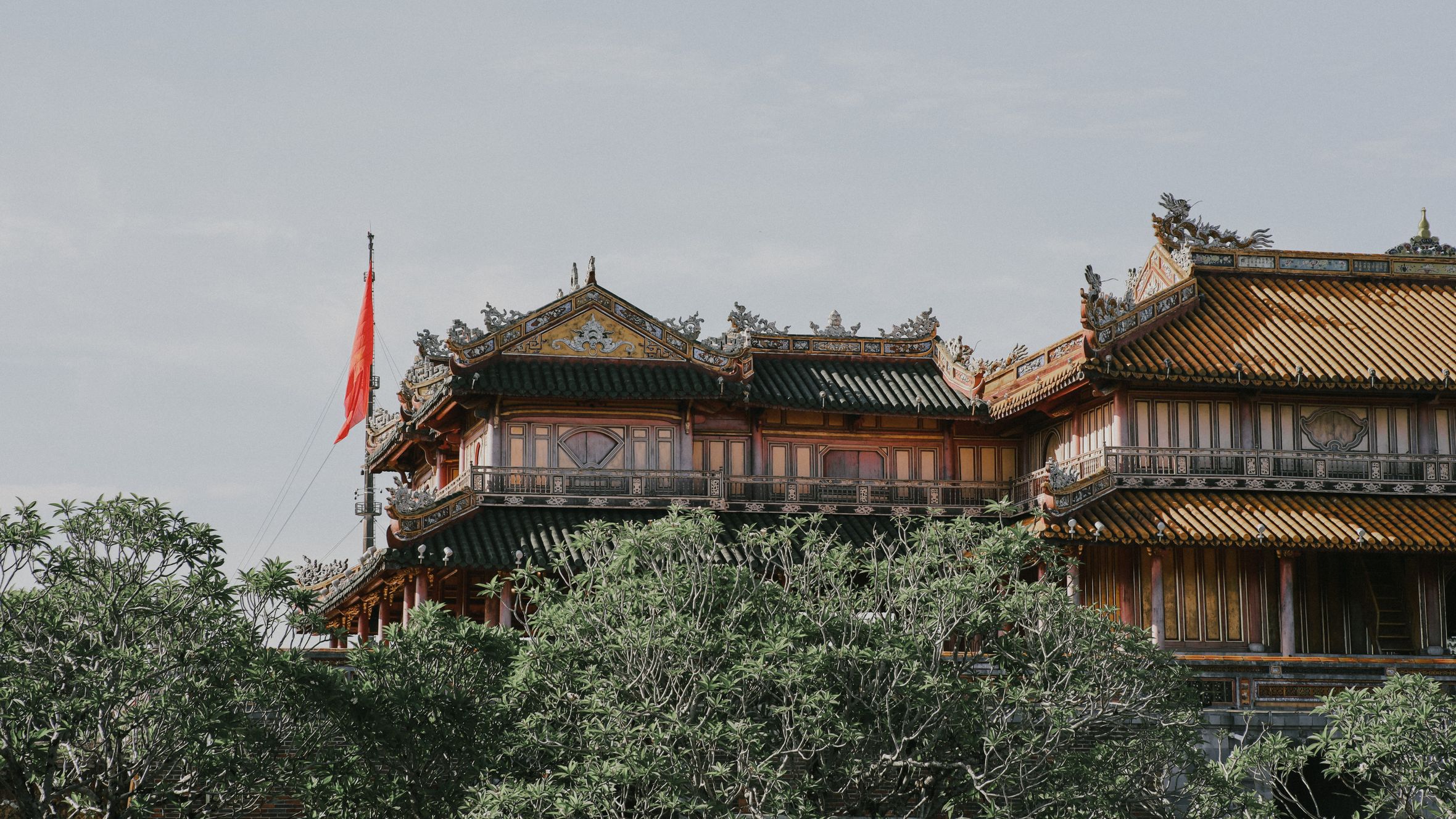
Hue, in central Vietnam (베트남 / 越南 / ベトナム), is one of the country's most historically layered cities. For 143 years it was the seat of power under the Nguyen dynasty — Vietnam's last imperial family. Today the walled Imperial City, rebuilt palaces, royal tombs scattered across the countryside, and the Forbidden Purple City (once the emperor's private residence) draw visitors interested in Vietnamese dynastic history and architecture. UNESCO recognized the complex in 1993.
The city sits on the Perfume River, with 128 kilometers of coastline and significant lagoons nearby — geography that made it strategically and culturally important for centuries.
The Name and Earliest Settlement
The name "Hue (후에 / 顺化 / フエ)" has uncertain origins. Early Vietnamese documents called the settlement Phu Xuan (when it was a Champa territory) or Kinh Do (the capital). French colonial records from the 18th century first documented "Hue," a spelling that stuck. The etymology itself — whether from earlier Vietnamese, Cham, or even Sanskrit — remains debated among historians.
The earliest archaeological layer points to the Kingdom of Lam Ap, a Champa state dating to the 4th century AD. Ruins believed to be its capital, Kandarpapura, lie on Long Tho Hill, three kilometers west of modern Hue.
The Champa Cession and Thuon Hoa
A pivotal moment came in 1306. Che Man, King of Champa, offered two Cham prefectures — O and Ly — to Vietnam's Tran dynasty as a wedding dowry when his daughter married Princess Huyen Tran. The Tran court renamed these territories Thuan and Hoa. The combined region became known as Thuan Hoa, the bridge zone between the north and south of Vietnam, and would define Hue's character for the next five centuries.

Image by CEphoto, Uwe Aranas via Wikimedia Commons (CC BY-SA)
The Nguyen Lords and Rise to Power
In the late 16th century, after dynastic upheaval in the north, Nguyen Hoang — a member of the Nguyen family — was granted permission to govern Thuan Hoa. He and his descendants built loyalty to the Nguyen clan in the southern territories, eventually challenging the Trinh lords (then the de facto rulers of Vietnam). This sparked a long civil conflict.
The Tay Son rebellions of the 1770s disrupted the balance further. By 1786, the Tay Son dynasty controlled Phu Xuan and made it their capital under Emperor Quang Trung.
Nguyen Anh and the Imperial Capital
In 1802, Nguyen Anh — a Nguyen heir — recaptured Phu Xuan and unified the fractured country. He took the imperial name Gia Long and completely rebuilt the citadel, establishing it as the capital of a unified Vietnam. His reign and those of his successors (notably Minh Mang, who reigned 1820–1841) made Hue the undisputed center of Vietnamese imperial power.
The Imperial City itself was a walled complex. Inside were royal palaces, shrines, administrative buildings, and the Forbidden Purple City — restricted to the emperor and his immediate family. Outside the walls lay the Royal Tombs, elaborate mausoleums for deceased emperors spread across the Perfume River valley.

Image by CEphoto, Uwe Aranas via Wikimedia Commons (CC BY-SA)
French Colonial Era and After
Following French conquest, Phu Xuan was officially renamed Hue in 1899 and remained the capital of the Annam protectorate — one of French Indochina's constituent regions — until 1945. The Imperial Palace continued to function until Emperor Bao Dai abdicated in 1945, ending nearly 150 years of Nguyen rule from the citadel.
In the decades following, Hue was caught in broader regional conflict, which left scars on the city and its people. The city has since rebuilt and refocused on its heritage identity.
What to See Today
The Imperial Citadel is the main draw: a 2.5-kilometer-square walled city with defensive moats, gates, and rebuilt structures. The Forbidden Purple City, largely destroyed, is now ruins with a few restored pavilions. The Royal Tombs — mausoleums of emperors Gia Long, Minh Mang, Tu Duc, and others — are scattered in the countryside and accessible by motorbike or organized tours. Each reflects different architectural styles and philosophies.
Thien Mu Pagoda, a seven-story tower on the north bank of the Perfume River, is an iconic symbol of Hue and a working Buddhist temple. The Royal Theater has been reconstructed near the Imperial City.
Hue is also known for its silk and traditional crafts — conical hats (non la), silk weaving, and woodcarving traditions survive in nearby villages.
Getting There and When to Visit
Hue is accessible by train, bus, and domestic flight from Hanoi, Ho Chi Minh City, and nearby Da Nang (about 2 hours away by road). The city is best visited during the dry season (May–September); October–April brings occasional rain and cooler temperatures.
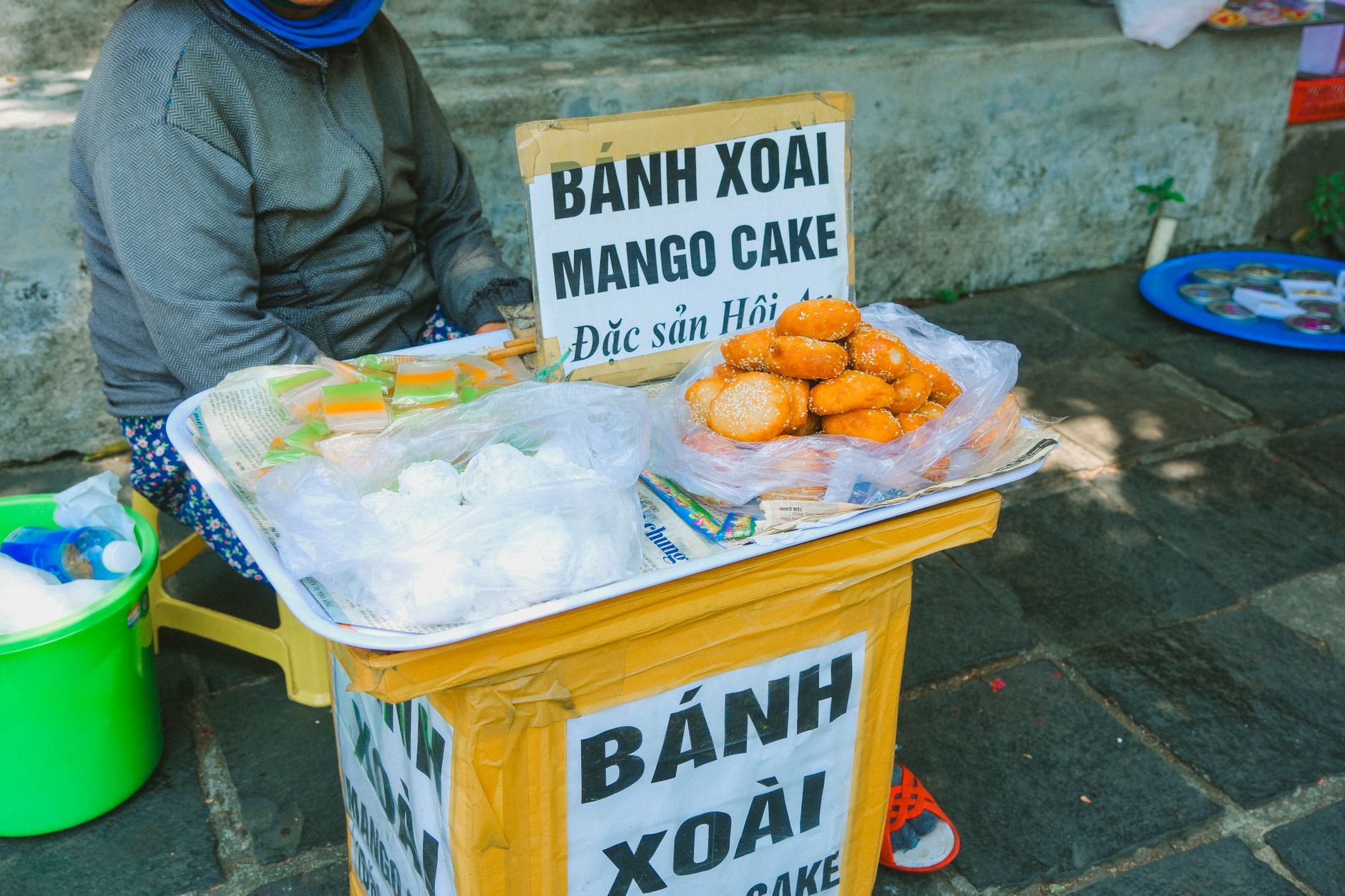
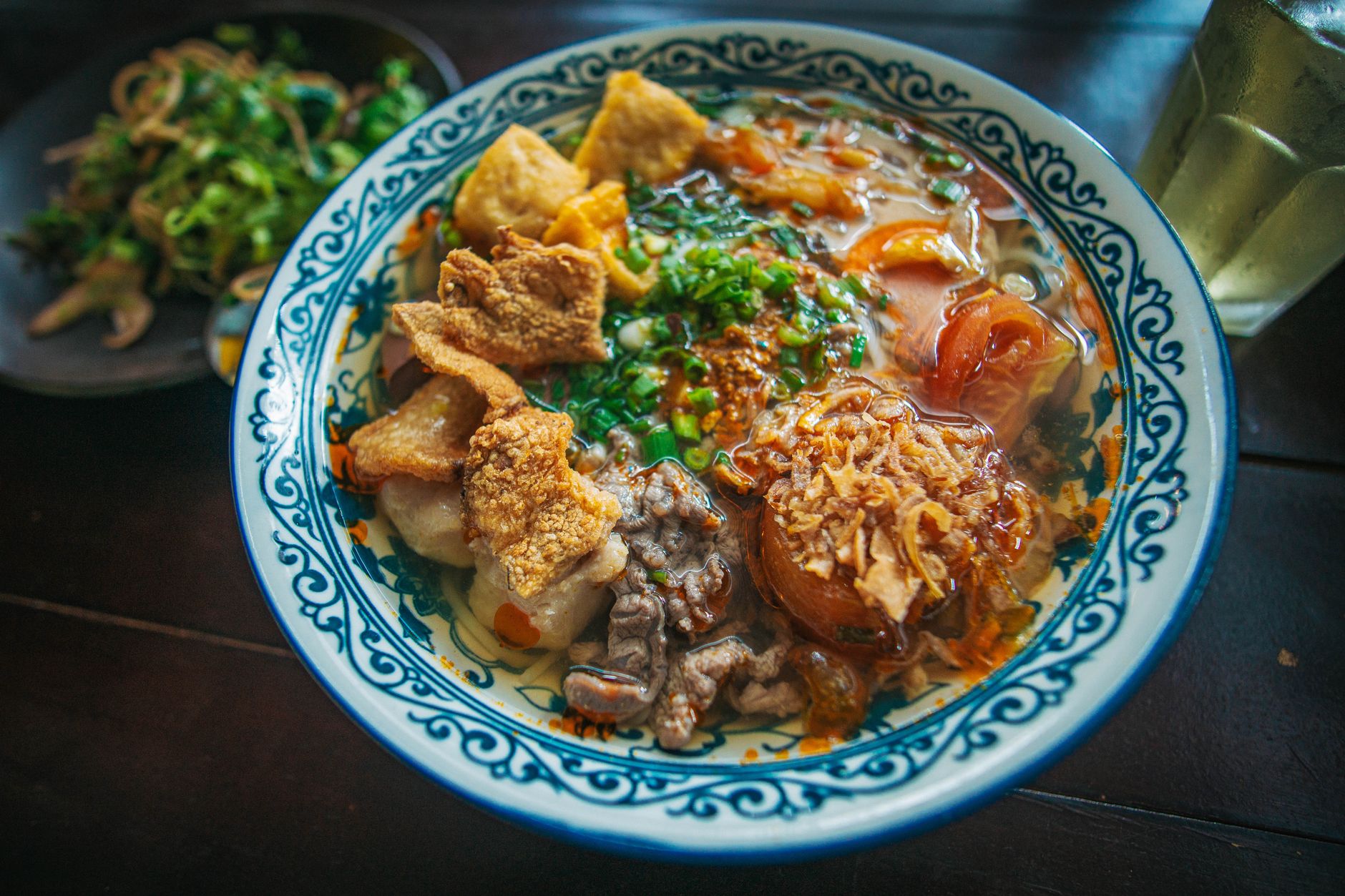
Local food is a draw too: Mi Quang (a regional noodle dish) and banh khoai (savory crepes) are local specialties, and the city has a number of good restaurants and cafes near the Perfume River.
Frequently Asked Questions
How long was Hue the seat of imperial power in Vietnam?
Hue served as Vietnam's imperial capital for 143 years under the Nguyen dynasty, Vietnam's last imperial family. Nguyen Anh, who took the name Gia Long, established it as the capital of a unified Vietnam in 1802 after recapturing the city. His successors, including Minh Mang (reigned 1820-1841), continued to rule from Hue, making it the undisputed center of Vietnamese dynastic power.
What is inside the Imperial City complex in Hue?
The walled Imperial City contained royal palaces, shrines, and administrative buildings. At its center was the Forbidden Purple City, restricted to the emperor and his immediate family. Outside the walls, elaborate mausoleums known as the Royal Tombs were built for deceased emperors across the Perfume River valley. UNESCO recognized the entire complex in 1993 for its historical and architectural significance to Vietnamese dynastic history.
When did Hue first come under Vietnamese control from Champa?
Hue's territory passed to Vietnam in 1306, when Che Man, King of Champa, offered two Cham prefectures — O and Ly — as a wedding dowry when his daughter married Princess Huyen Tran of Vietnam's Tran dynasty. The Tran court renamed the region Thuan Hoa. Before that transfer, the area had been Champa territory, with archaeological evidence of the Kingdom of Lam Ap dating to the 4th century AD.
Last updated · May 19, 2026 · independently researched, never sponsored.