菜市场是越南饮食文化的跳动心脏,但大多数游客往往直接与它们擦肩而过。这是一个错误——最新鲜的食材、最便宜的熟食以及最纯粹的当地风味,都藏在这些市场里。不过,经验丰富的食客在逛市场时确实会讲究一些策略。
赶早不赶晚——上午 9 点前
这是黄金法则。菜市场的节奏属于清晨。摊贩们通常在凌晨 5-6 点开始摆摊;到了上午 7 点,熟食摊位便进入了全盛状态。此时汤底最新鲜,食材是刚送达的,烹饪台也刚刚加热。到了上午 10 点,烤架上剩下的食物已经放了很久,海鲜摊上的冰块融化了一半,苍蝇也开始四处叮咬。
如果你在上午 10 点之后才去市场,建议只逛逛农产品区。千万不要吃那些在热带厨房里放在加热灯下许久的熟食。
点什么最稳妥
“现点现做”是你最安全的选择。任何在你面前从生料直接下锅或放在明火上烹饪的食物,风险都很低。
- "Pho" 及其他汤面 —— 正宗市场摊位的 Pho 汤底通常从凌晨 4 点就开始熬制。高温能杀死病原体。趁锅里还在冒泡时点上一碗,并观察摊主是否直接从锅里舀汤。
- "Banh mi" —— 市场的 Banh mi 摊位很靠谱,因为馅料很简单:肉酱、黄油、腌菜。尽量早点去,赶在冷切肉放置太久之前买一个。
- "Banh cuon" —— 在布蒸笼上现做的越南肠粉。你可以亲眼看到制作过程。馅料通常是猪肉末和木耳,完全熟透。
- "Bun bo Hue" —— 来自越南中部的香辣牛肉猪肉米粉。因为它盛在滚烫的汤里,在市场摊位上是一个明智的选择。
- "Bun rieu" —— 北部市场常见的蟹肉番茄米粉。同样的,高温是你的好朋友。只有在锅里正煮得沸腾时才点。
- 明火烧烤类 —— 在你面前烤制的玉米、红薯、肉串。这些都没问题。
避开这些食物
- 常温陈列的预制肉类。 那些从早上 6 点就摆在那里、没有任何冷藏措施的烤猪肉或烤鸭,到了上午 9 点(气温常达 33 摄氏度)就是一场赌博。
- 生贝类或生蚝。 除非你是在沿海市场,看到摊主当场现开且翻台率极高,否则请避开。
- 用自来水冲洗的沙拉或香草配菜。 如果摊位口碑好,随汤附送的香草通常没问题——摊主不会想毒害他们的常客。但预先拌好放在那里的沙拉风险较高。
- 加冰的果汁或奶昔。 果汁本身没问题,但小摊位的冰块可能是用自来水制作的。点单时要求不加冰(“khong da”),或者接受风险。
- 闻起来有异味的食物。 这听起来很显而易见,但必须强调:相信你的鼻子。发酵食品(如“mam”,发酵虾酱)本身气味浓郁是正常的,但如果蛋白质闻起来有不该有的酸味——请直接走开。

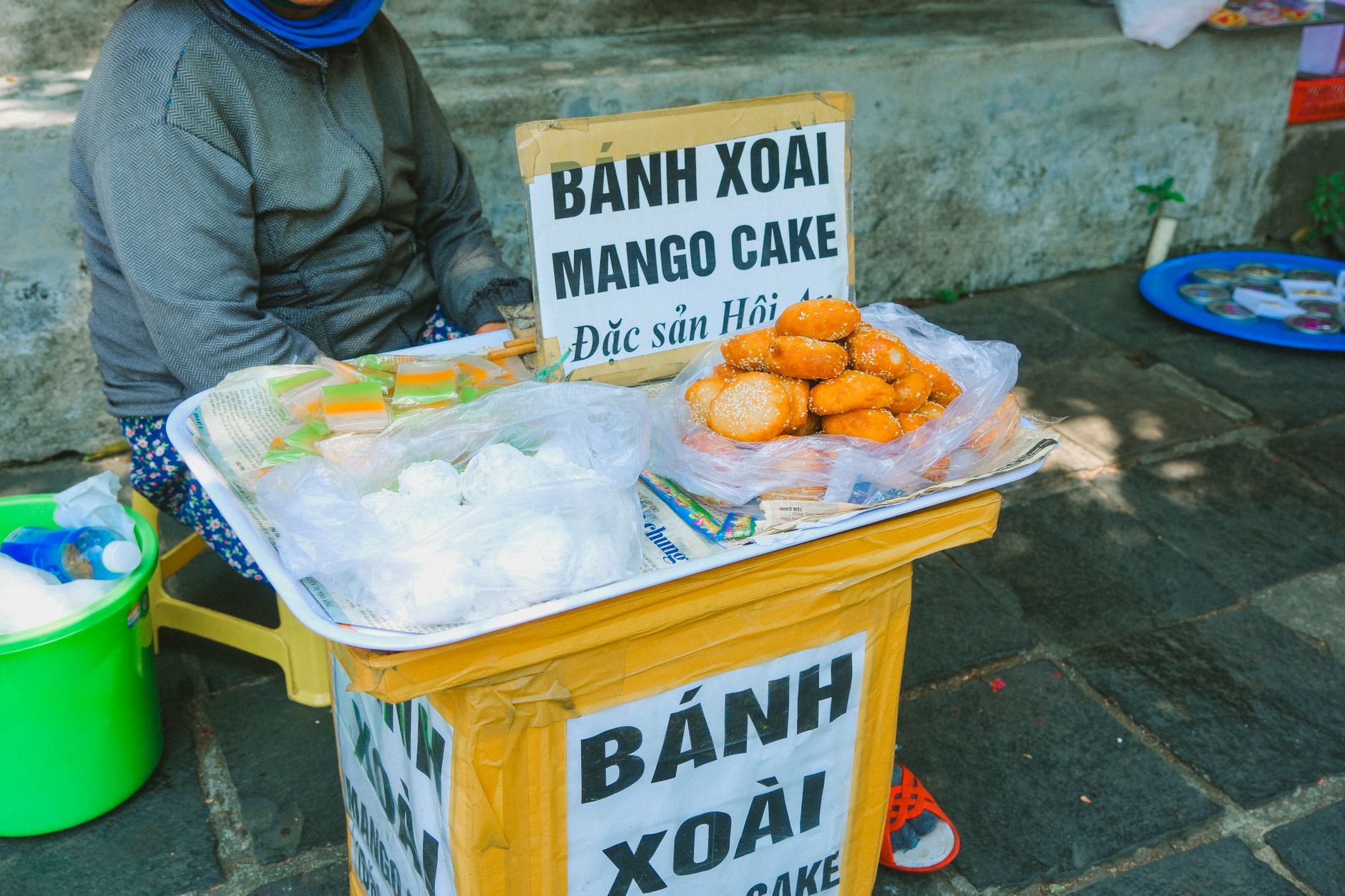
图片来源:Trần Phan Phạm Lê,来自 Pexels
观察卫生细节
你不需要卫生检查员——只需观察几点即可。
翻台率是最可靠的信号。 上午 7 点排着长队、8:30 锅就见底的摊位是安全的。如果到了 9:30,同一锅汤还剩一半,且只有一个顾客:请三思。
专用的餐具。 摊主应该有分开处理生食和熟食的工具。如果同一把夹子既碰了生猪肉,又去夹熟食,这就是一个警示信号。
干净的碗,不仅仅是擦过的。 大多数市场摊位是在水盆里涮碗。观察他们换水的频率。如果水盆看起来像用了六个小时的洗碗水,那和明显刚换过水的盆完全是两码事。
摊主自身的清洁度。 戴手套并不普及——这没关系。但要注意摊主是否在收钱后立即处理你的食物,且没有洗手。许多经验丰富的市场摊主会不断洗手,而另一些则不会。请把这一点考虑进去。
当地人吃什么 vs. 你该避开什么
当地人的肠道菌群已经适应了越南的饮食环境。如果你在越南待的时间不到两周,你的消化系统还在调整中。这意味着一个 Hanoi 居民每天吃都没事的摊位,可能会让刚来一周的游客感到不适——这并不是因为食物不好,而是因为你的肠胃还没跟上。
第一次在市场用餐时,尽量选择滚烫的汤面类。在连续一周吃越南街头小吃且身体无恙后,再扩大你的尝试范围。

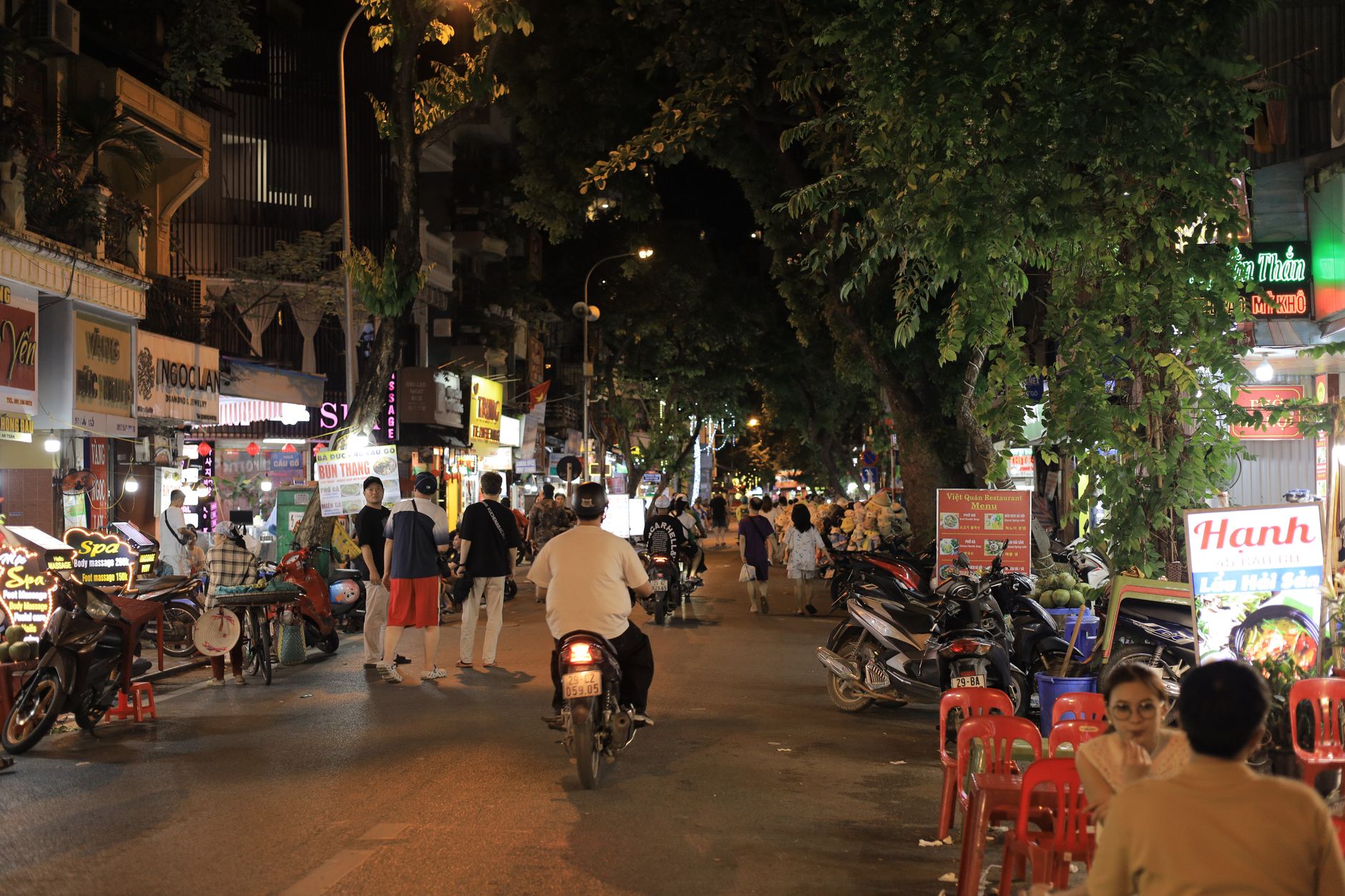
图片来源:Hồng Quang Official,来自 Pexels
价格与实用建议
市场早餐的价格通常在 20,000 到 50,000 VND(约合 0.8 到 2 美元)之间,就能吃上一大碗面。请准备好零钱——10,000 和 20,000 VND 的纸币。许多摊位找不开 200,000 VND 的大钞。不要索要收据;这里没有收据。
无论是在河内、胡志明市第一区的 Ben Thanh Market,还是在湄公河三角洲城镇芹苴(Can Tho)的任何省级市场,熟食区都很成熟,早上的翻台率很高,早起去吃通常是安全的。
实用小贴士
随身携带洗手液,并在进食前使用——市场座位区很少有洗手池。如果真的闹肚子,每家药店都有卖口服补液盐,一包大约 5,000 VND。吃坏一次肚子并不意味着市场不能去了;这只意味着你去晚了,或者选错了摊位。
最后更新 · May 26, 2026 · 独立调研,无任何赞助。