什么是"sinh to"?
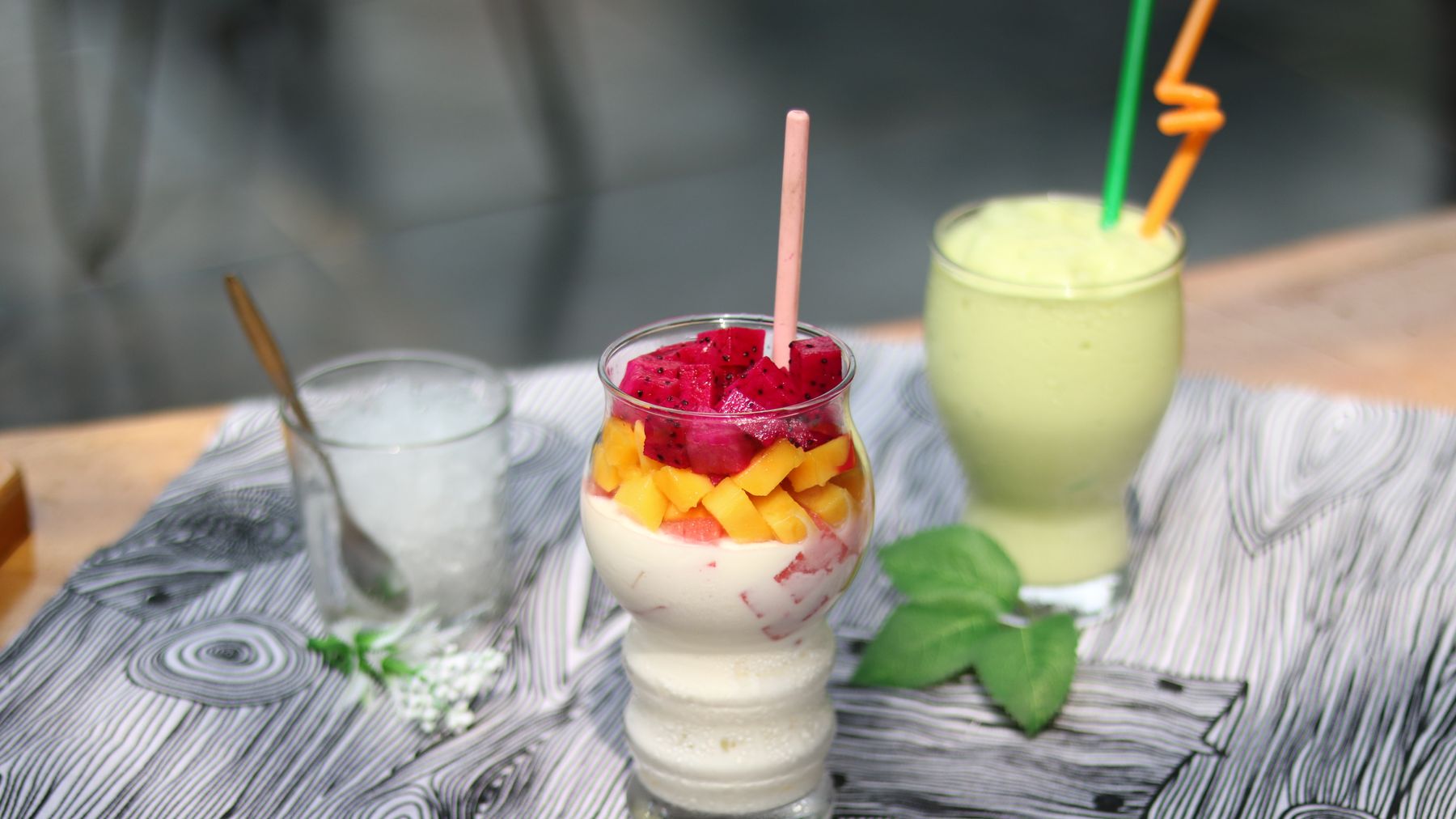
"Sinh to"大致可译为"生命之汁",当你顶着35度的高温坐在塑料凳上,手里握着一杯混合了芒果和炼乳的高脚杯时,这个名字便名副其实。它不是那种轻盈蓬松的巴西莓碗,而是浓稠、香甜、毫不掩饰的放纵——介于奶昔和甜点之间,有时更像是可以用吸管喝的慕斯。
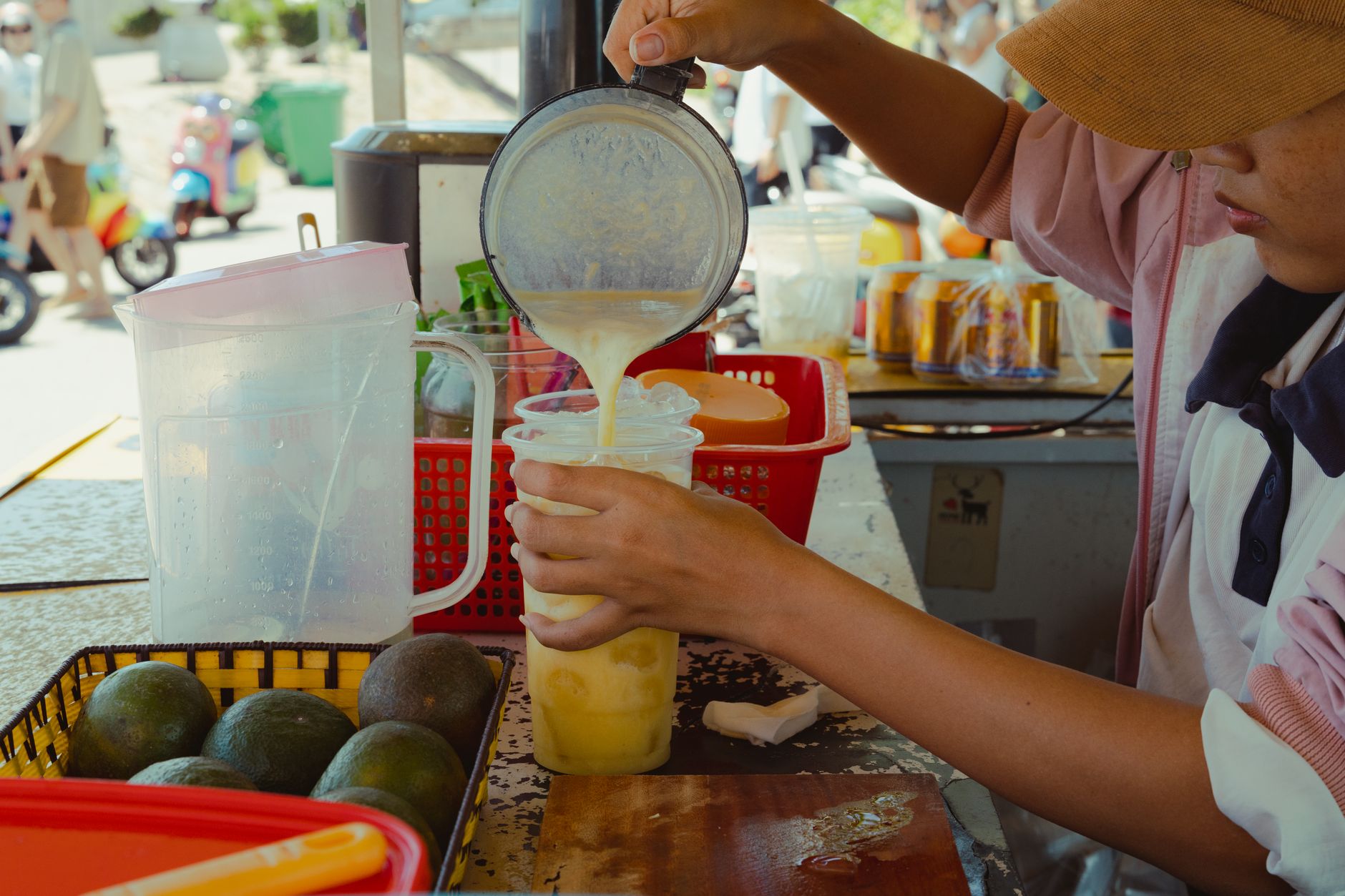
基本配方是水果、冰块、水或牛奶,通常还要加一大勺甜炼乳。口感要足够浓稠,得用力吸吸管才行。街边摊版本(非常冰、非常甜)与咖啡馆版本(稍微克制一些)各有千秋,两种都好喝。
必点款
Sinh to bo(牛油果)
这款在菜单上独占鳌头,理由充分。成熟的牛油果——绵密、清淡、奶香十足——打出来近乎卡仕达酱的质感。大多数摊主会加甜炼乳,进一步提升浓郁感。如果想要口味清淡一些,可以要求不加炼乳,用越南语说"it duong"(少糖)或"it sua de"(少炼乳)。价格:30,000–40,000 VND。上乘之作颜色深沉的黄绿色,喝完饱腹感十足;次品尝起来像是兑了水的牛油果皮。
Sinh to mang cau(刺果番荔枝)
刺果番荔枝生吃时呈淡绿色,纤维较多,略带酸味。打成奶昔后变得顺滑、带着淡淡的花香,那一丝酸劲能很好地中和炼乳的甜腻。这款比芒果或牛油果少见,但值得专程寻找。风味更独特,没那么"讨好大众"。很多游客会跳过它,但本地人经常点。价格:25,000–35,000 VND。
Sinh to xoai(芒果)
最稳妥的选择。大多数街边摊全年都有一堆成熟的黄色或橙色芒果(旺季是4月至8月)。这款奶昔香甜、简单直接,很难做砸。加上炼乳和冰块一起打,就像芒果糖的味道。记得要求用熟透的果子,避免遇到质地偏硬、尚未成熟的版本。价格:25,000–35,000 VND。
Sinh to mit(菠萝蜜)
菠萝蜜果肉金黄饱满,甜味温和——有点像菠萝的近亲。它没有软质水果打得那么顺滑,口感偏稀,更像浓果汁。街边小车上不常见,可以去市场或专门的饮品店找找。价格:30,000–40,000 VND。
Sinh to sau rieng(榴莲)
榴莲奶昔是一场考验。果肉气味浓烈、质地绵密、争议极大。如果你本来就吃榴莲,大概率会爱上这款;如果你平时避而远之,别指望奶昔版会温和许多。大多数街边摊不会每天现打新鲜榴莲——这是咖啡馆里的预订款。价格:40,000–60,000 VND。
图片由 Ngoc Binh Ha 拍摄,来自 Pexels
甜炼乳 vs. 鲜牛奶
大多数街边摊默认使用"sua de"——甜炼乳——因为它常温保存、方便携带,而且味道好。做出来的成品浓稠、像甜点。如果想要清爽一点,可以要求换成"sua tuoi"(鲜牛奶),或者完全不加奶,并说"it duong"(少糖)。这样喝到的会更偏果味、甜度更低。鲜奶版本在咖啡馆稍多见,街边小车上则较少。
在哪里点
Hanoi
老城区街边摊(Hang Dieu街、Hang Gai街)全年都有sinh to小车。早市摊主(早6点至11点)专注于鲜榨果汁和奶昔;下午的常驻摊主大约从2点开始营业。午饭时间预计要排队。Dong Xuan Market南侧外围有一片饮品摊聚集区。价格:25,000–35,000 VND。品质参差不齐,但竞争使摊主不敢怠慢。
Highland Coffee等连锁咖啡馆提供"果汁奶昔"系列,可以坐下来享用。价格涨至40,000–60,000 VND,但在炎热天气里,空调和座位是值得的。
Saigon
Ben Thanh Market(东南角,室外)有一排果汁和奶昔摊。Sinh to bo和xoai是主打款,品质不错,客流量大。价格:30,000–40,000 VND。下午3点后人会特别多。
Nguyen Hue步行街(Saigon Centre交叉口)在清晨和傍晚有摊贩聚集,面向游客但价格略高(35,000–50,000 VND)。
第一郡的咖啡馆(Coco、The Mesh、Nhan Phuong街一带)主打"健康"奶昔概念,提供酸奶、燕麦、蛋白粉等选项。价格:50,000–80,000 VND。风格更接近澳大利亚奶昔吧,而非街头sinh to。
大学城周边(两座城市均有)
Hanoi(越南国家大学校区、河内理工大学附近)和Saigon(理工大学、吴德胜大学附近)的校门口都有摊贩扎堆。学生群体让价格保持低位:20,000–30,000 VND。品质良莠不齐,但总有几家拥有一批忠实回头客。

图片由 Vietnam Tri Duong Photographer 拍摄,来自 Pexels
实用小贴士
看果子。 请摊主在打之前给你看水果。软熟、香气扑鼻的芒果和牛油果说明成熟度好;硬邦邦或已经发褐的果子意味着奶昔会很平庸。如果摊主不愿意给你看,换一家。
时机很重要。 清晨(早6点至10点)的摊主拥有最新鲜的水果;下午摊主卖的是剩余的果子,有时会多加炼乳来掩盖。街边小车在天亮时段人也少很多。
语言捷径。 指着水果说"Cho toi sinh to"(给我一杯奶昔),再加上水果名称。摊主看得懂手势,其余的他们会搞定。
卫生问题。 街边小车的用水质量是合理的顾虑。靠谱的摊主会把冰块存放在密封冷藏箱里,并使用事先烧开过的自来水打奶昔。如果环境看起来可疑(水桶敞口放置、冰块反复融化再冻),就不要喝了。如果你比较谨慎,选咖啡馆会更安全。
自定义口味。 可以要求少冰、少糖或不加炼乳。大多数摊主都能接受,虽然你要求完全不加炼乳时,他们可能会露出一脸震惊的表情。
实用信息
Sinh to便宜、快捷、随处可见。最好喝的在街边摊,趁着人流高峰时段(清晨或傍晚)现打现喝。根据水果种类、地点和摊位的游客化程度,价格在25,000–40,000 VND之间。牛油果和刺果番荔枝口味是亮点,芒果是可靠之选。选客流量大、翻台率高的摊位——那通常是新鲜和品质的保证。
最后更新 · Aug 18, 2026 · 独立调研,无任何赞助。