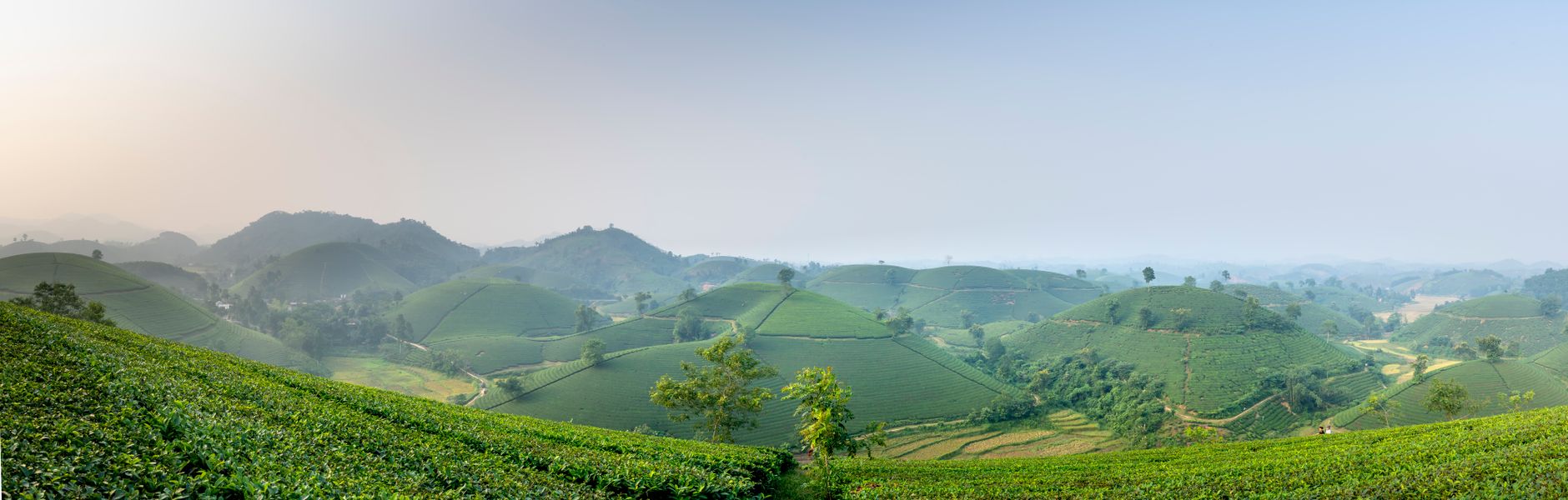
Thai Nguyen 感觉就像是人们前往其他地方时的途经之地——正因如此,这里的食物依然便宜且地道。这是一座位于 Hanoi 以北 80km 的高地城市,以茶园闻名,但在旅游宣传方面却默默无闻。这正是它的优势所在:你在当地人吃饭的地方就餐,价格保持低廉,也没有人在菜单上玩加价的把戏。
以茶为核心的饮食文化
在这里,茶不仅仅是一种农作物——它还塑造了人们的饮食内容和进餐时间。早餐通常吃得很清淡:早上 5 点吃点烤肉糯米饭或一碗“[pho](/posts/pho-vietnam (베트남 / 越南 / ベトナム)-noodle-soup-guide)”,然后在上午喝点茶、吃点小吃。午餐是一天中的正餐。晚餐通常只是剩菜或清淡的汤。如果你在采茶季(4月至5月和9月至10月)来访,你会看到工人们狼吞虎咽、精力充沛地进食,因为采茶是一项极其消耗体力的重活。
这里的招牌美食是“com tam”——在正宗的摊位上,这种碎米饭的价格在 20,000–30,000 VND($0.85–$1.30 USD)之间。饭里配有烤猪肉、煎蛋和腌菜。寻找那些排满当地工人的小店,而不是那些有着过塑菜单和英文招牌的地方。
当地人真正吃饭的地方
早晨:Pho (쌀국수 / 越南河粉 / フォー) 与糯米饭
早上 7 点前,随便走进 Tan Thinh 坊的一家“pho”摊位。一碗的价格是 25,000–35,000 VND($1.05–$1.50)。这里的汤头比 Hanoi (하노이 / 河内 / ハノイ) 的更清淡——八角放得少,姜味更浓。点一份“pho tai”(生牛肉河粉),老板会当着你的面浇上滚烫的高汤把肉烫熟。卖糯米饭的摊贩也会在同一个街角出摊;包好的一份只需 5,000–10,000 VND($0.21–$0.43)。
午餐:Com tam (껌땀 / 碎米饭 / コムタム) 与地方特色汤
Com tam 摊位聚集在市中心的 Thai Nguyen 市场(Cho Thai Nguyen)周围。最好的摊位往往只有几张塑料桌子,没有招牌,老板已经在那里开了 20 年。一份配有肉、蛋和小菜的丰盛碎米饭大约需要 30,000–50,000 VND($1.30–$2.15)。如果你想喝汤,可以尝尝“bun rieu”(蟹肉番茄汤米粉)——北方的口味更重,还会配上一份“cha gio”(炸春卷)。价格在 35,000–45,000 VND($1.50–$1.93)左右。
下午:糯米糕与茶
这是 Thai Nguyen 特有的作息。下午 3–4 点左右,摊贩们会售卖“banh chung”(用柊叶包裹的方形糯米粽)和“banh cuon (반꾸온 / 蒸米卷 / バインクオン)”(包有猪肉和蘑菇的蒸米卷)。这些传统上是 Tet(春节)的食物,但这里的摊贩全年都在卖,因为当地的气候非常适合糯米生产。每份 10,000–20,000 VND($0.43–$0.86)。搭配随便一家茶铺的当地绿茶——10,000–15,000 VND($0.43–$0.65)。
傍晚:烤肉与“ca phe sua da (연유커피 / 越南冰咖啡 / ベトナムアイスコーヒー)”
大串的烤肉(“thit nuong”)通常 3–5 串一把,价格为 20,000–40,000 VND($0.86–$1.72)。在市场附近的街边摊买上几串,然后找一家茶馆或咖啡店,点一杯“ca phe sua da”(炼乳冰咖啡)。这里的咖啡很浓,因为海拔高度非常适合罗布斯塔咖啡豆的生长。一杯的价格是 15,000–25,000 VND($0.65–$1.07)。
不容错过的招牌菜
炒虾酱碎米饭 (Com tam com rang)
这是 com tam 的升级版——虾酱被炒得干香四溢,带有坚果味,而不是湿漉漉的。只有少数摊位能做得好吃。可以向当地人打听哪家最好。价格在 35,000 VND($1.50)左右。
搭配糯米粉的 Bun cha (분짜 / 烤肉米粉 / ブンチャー)
与 Hanoi 的“bun cha”(烤猪肉饼配蘸汤)不同,Thai Nguyen 的版本有时会用糯米粉代替普通的米粉,这让它吃起来更有饱腹感,也更适合当地较凉爽的气候。价格为 30,000–40,000 VND($1.30–$1.72)。
香蕉叶烤鱼 (Ca nuong la chuoi)
在夜市和路边摊可以找到。香蕉叶锁住了鱼肉的水分,肉质鲜嫩温和。价格为 40,000–60,000 VND($1.72–$2.58)。
烤芝麻糯米饭 (Xoi vu du)
这是一道类似甜点的美食:糯米和芝麻一起烹煮,有时还会加点糖增加甜味。摊贩们会在早餐和下午茶时间售卖。价格为 15,000–25,000 VND($0.65–$1.07)。
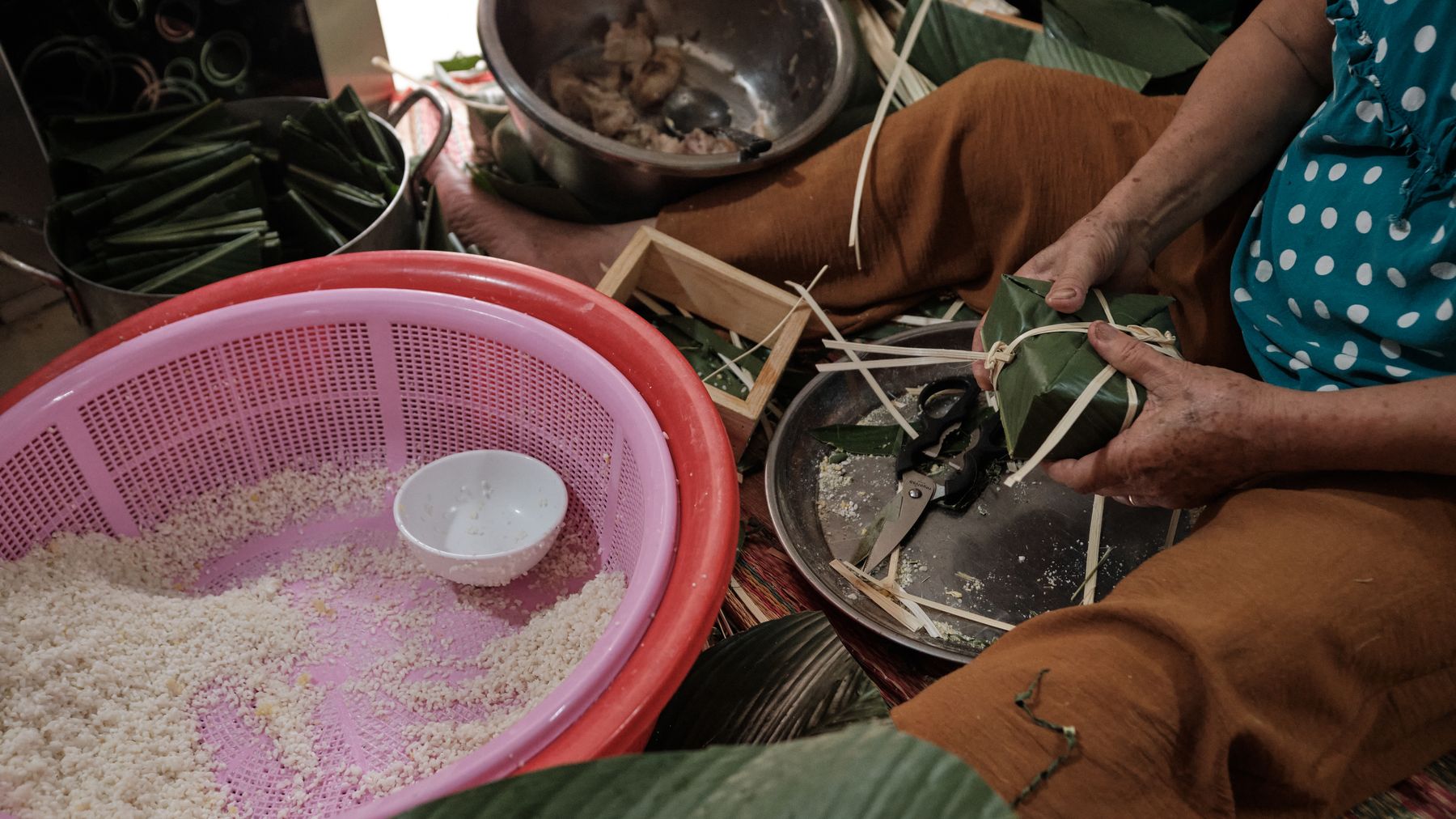
图片由 Nguyen Truong Khang 摄,来自 Pexels
应该避开的地方
Thai Nguyen 的旅游基础设施规模较小,这对于保留原汁原味来说是件好事,但如果你想找“适合发 Instagram”的咖啡馆或融合菜餐厅,那可能要失望了。茶叶博物馆(Tea Museum)附近有几家面向游客的茶馆,一壶茶收费 40,000–80,000 VND($1.72–$3.44),而在其他地方只要一半的价格。它们并不差——茶是真茶——但加价也是真加价。
避开酒店区那些挂着霓虹灯招牌和使用过塑菜单的餐厅。你会为一道本该便宜一半的菜花上 60,000–120,000 VND($2.58–$5.15),而且食物的味道也不再有 Thai Nguyen 的特色。
市场:Thai Nguyen Cho
这里是当地美食的心脏。市场营业时间为早上 5 点至晚上 8 点,在这里你可以找到卖糯米饭的摊贩、“pho”摊位、烤肉推车以及卖茶叶的商贩。先在周围逛一圈,看看哪家生意好(这通常是个好兆头),然后再坐下。这里没有英文菜单;只需用手指一指,点点头即可。在这里吃饭,每顿饭(含饮料)的花费在 25,000–50,000 VND($1.07–$2.15)之间。

图片由 Sergey Guk 摄,来自 Pexels
花费明细
- 早餐(pho + 糯米饭):30,000–40,000 VND ($1.30–$1.72)
- 午餐(com tam 或 bun):35,000–50,000 VND ($1.50–$2.15)
- 下午茶(糯米饭 + 茶):20,000–30,000 VND ($0.86–$1.30)
- 晚餐(烤肉 + 米饭):40,000–70,000 VND ($1.72–$3.01)
- 每日餐饮预算:如果在当地摊位就餐,大约为 130,000–190,000 VND ($5.59–$8.16)
这是基于一日三餐加一顿小吃的假设。如果你在有座位的小餐厅而不是路边摊就餐,请在这些价格的基础上增加 20–30%。
实用提示
Thai Nguyen 的摊位和市场只收现金。请随身携带小额纸币(10,000 和 20,000 VND 面额)。乘坐摩托车出租车是到达市场最快的方式;直接说出店名或描述摊位的特征(比如“排长队的那家”)。这里很少有人说英语,所以学点“pho”、“com tam”和“ca phe”会很有帮助。如果你打算过夜,茶园本身有时也会为客人提供便餐;可以向你住的客栈打听一下。
最后更新 · May 29, 2026 · 独立调研,无任何赞助。