景点介绍
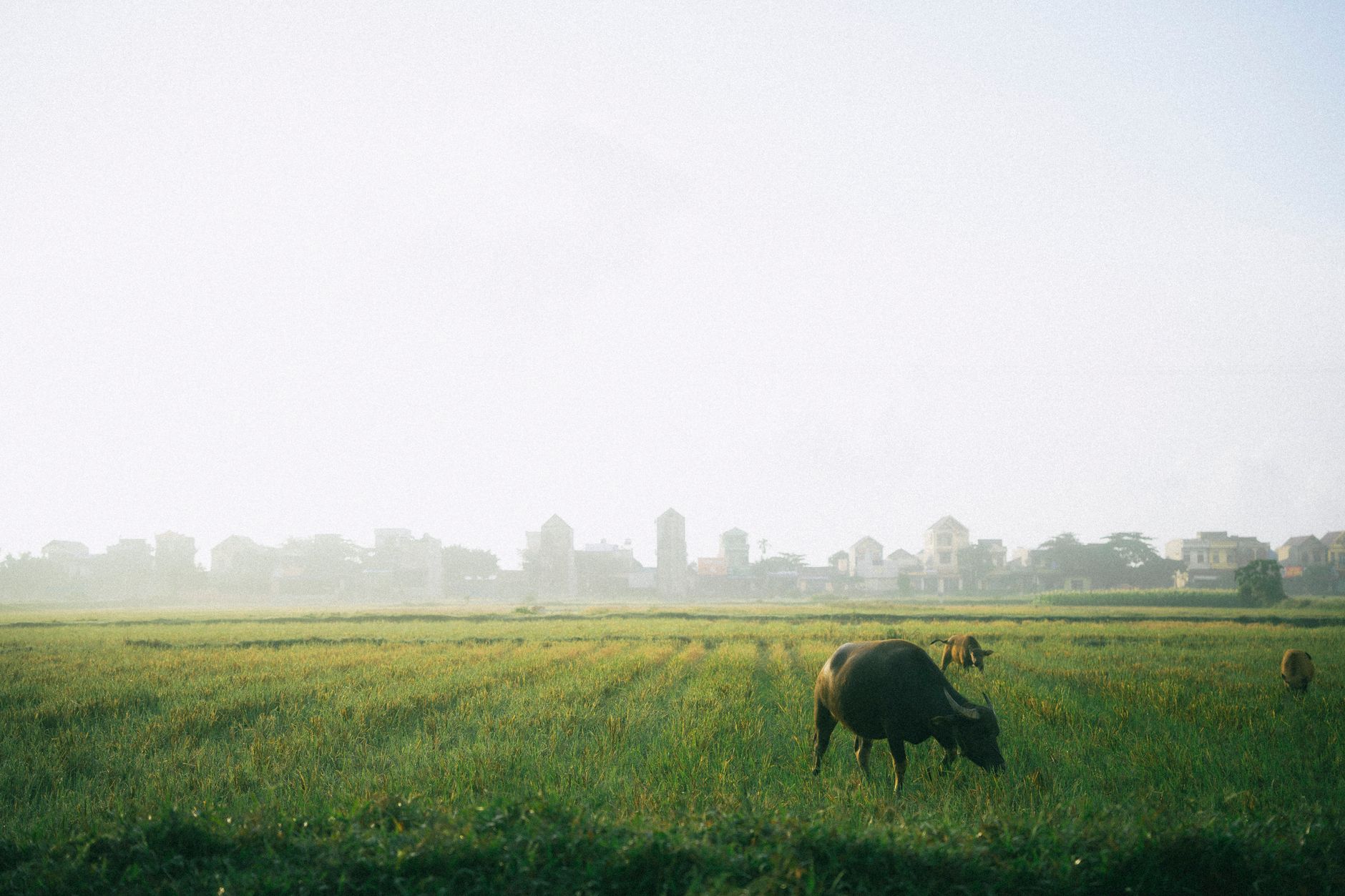
Trung Tam Nong Nghiep Mua Xuan(春季农业中心)位于 Can Tho 市中心西南约 15 km 处。在行政边界调整将其并入大 Can Tho 之前,该地区曾是 Hau Giang 省的一部分。它不是主题公园,也不是经过精心包装的旅游景点,而是一个恰好对游客开放的、仍在运作的农业研究和示范中心。想象一下,在约 50 公顷平坦的三角洲土地上,分布着果园、水稻试验田、水产养殖池和育苗温室。
该中心成立于 21 世纪初,是湄公河三角洲(메콩 델타 / 湄公河三角洲 / メコンデルタ)更广泛的农业现代化工作的一部分。它最初的任务是开发适合该地区易涝土壤的高产水稻品种和热带水果栽培技术。随着时间的推移,它向游客开放了部分区域——部分是为了教育目的,部分是因为总有游客被这里的果园吸引而慕名而来。
推荐理由
大多数游览 Can Tho(껀터 / 芹苴 / カントー)的人逛完水上市场就觉得不虚此行了。Trung Tam Nong Nghiep Mua Xuan 则能满足另一种好奇心:了解这片三角洲究竟是如何养活 2000 万人口的。你可以漫步在火龙果藤架、龙眼林和柚子试验田之间。如果碰巧遇到工作人员在工作间隙休息,他们有时会为你讲解嫁接技术或季节周期——除非提前预约,否则不要指望有正式的导游服务。
这里也确实非常宁静。没有小贩,没有旅游大巴,也没有卡拉OK的音箱。只有灌溉渠、鸟鸣声,以及偶尔载着肥料袋驶过的摩托车。摄影爱好者们尤其喜欢育苗排呈现出的几何图案,特别是在清晨的光线之下。
最佳游玩时间
三角洲有两个季节:雨季(5月至11月)和旱季(12月至4月)。具体到 Mua Xuan 而言:
- 12月至2月:水果丰收季。果园里挂满了柚子、龙眼和一些芒果品种。天气干燥,气温在 27–30°C 左右,地面也不会积水。
- 3月至4月:天气较热(32–35°C),但依然干燥。水果较少,但水稻试验田绿意盎然,非常适合拍照。
- 6月至9月:下午常有倾盆大雨。田间小路会变得泥泞。不过,水产养殖池里生机勃勃,你也会看到更多的工作人员。
无论哪个季节,都请在上午 9 点前到达。到了上午 11 点,酷热难耐,而且田块之间几乎没有遮阳的地方。

照片由 Quang Nguyen Vinh 发布于 Pexels
交通指南
从 Can Tho 市中心(Ninh Kieu 区)出发,您有以下几种选择:
- 摩托车:沿 QL91B 向西南方向行驶 25–35 分钟。道路平坦且铺设良好。中心内免费停车。
- Grab/出租车:单程约 80,000–120,000 VND。请让司机等待——该地区很难叫到返程的 Grab。
- 自行车:如果你住的地方提供自行车租赁服务,这也是可行的。地形平坦,距离约 15 km,但要考虑到炎热的天气。
没有直达该中心的公交车。最近的公交路线会将你放在距离主干道约 3 km 的地方,在正午的烈日下步行可不是什么愉快的体验。
游玩项目
漫步果园环路
果园呈环形分布。以轻松的步伐走完一圈需要 60–90 分钟。指示牌只有越南语,所以你可以使用手机摄像头的谷歌翻译,或者在入口处的建筑里询问是否有人会说英语(有时有,但通常没有)。
参观水产养殖区
几个大池塘采用综合养殖方法饲养鲶鱼和罗非鱼——水稻田的水流入鱼塘,鱼的排泄物则为相邻的蔬菜地施肥。这是湄公河三角洲世代改良的循环农业的实际展示。
直接购买水果
在水果当季时,你可以在入口附近的小售货亭购买水果。价格是批发价水平——柚子大约 30,000–50,000 VND/公斤,香蕉更便宜。因为是当天早上采摘的,所以质量明显比你在 Can Tho 街头市场买到的要好。
拍摄育苗温室
繁殖温室里有一排排呈几何网格状排列的幼苗。如果你能在附近找到稍微高一点的地方,非常适合俯拍。
餐饮推荐
现场没有餐厅——只有水果售货亭,偶尔会有一位女士在停车区附近推着小车卖 Banh Mi。建议在游玩前后安排就餐:
- 返回 Can Tho 的途中:可以在 QL91B 沿线的任何一家“com binh dan”(家常饭)餐馆停下来。一盘烤猪肉碎米饭——本质上是三角洲风格的“com tam”——价格在 35,000–45,000 VND 之间。
- Can Tho 市区:Ninh Kieu 区的 Hai Ba Trung 街沿线有非常棒的“bun rieu”(蟹肉汤粉)摊位。或者在海滨附近的 Hu Tieu Nam Vang Thanh Xuan 吃一碗“hu tieu”——湄公河三角洲的招牌汤粉——大约 40,000 VND。
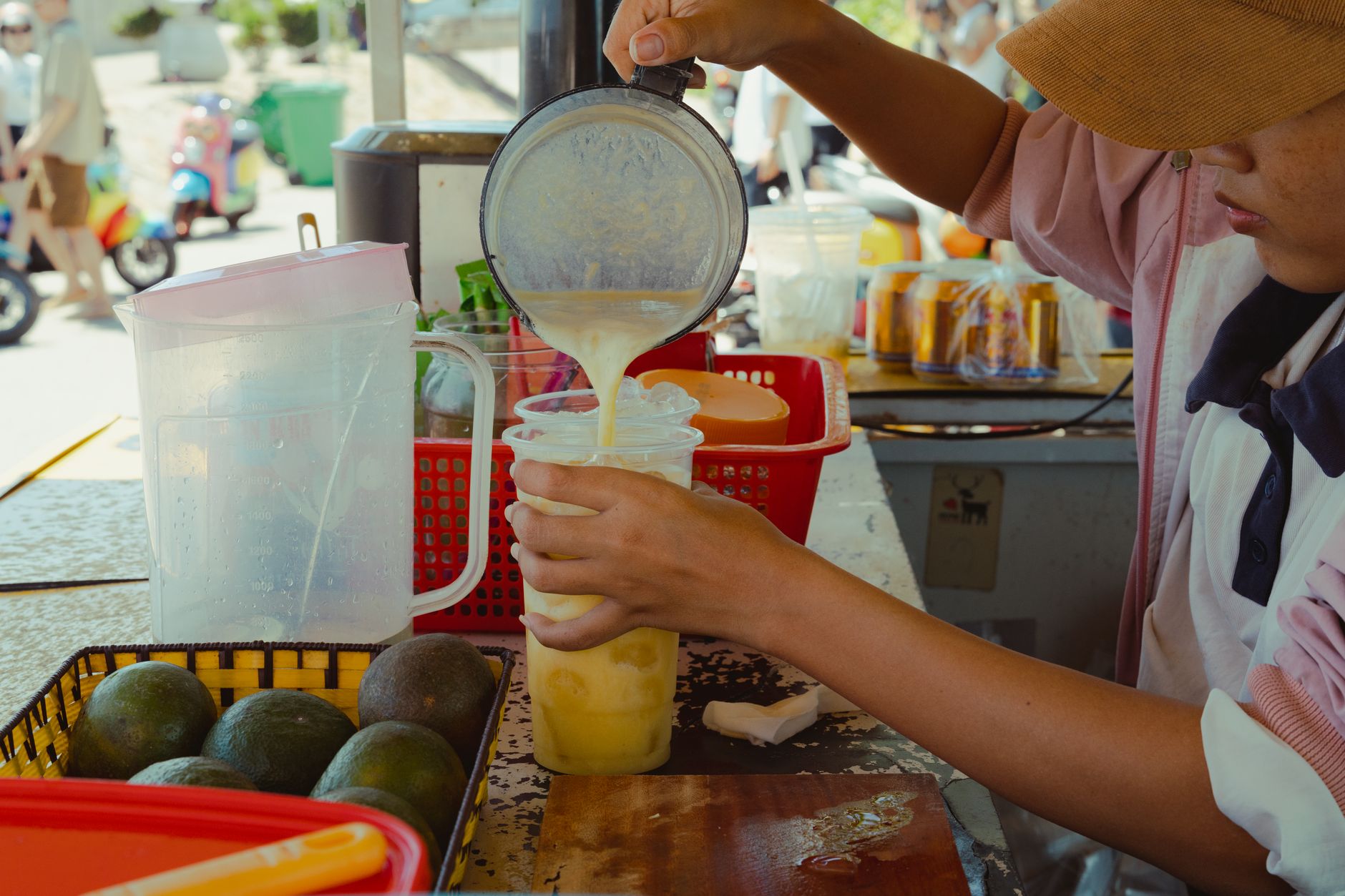
- 咖啡:越南咖啡文化在 Can Tho 非常盛行。这座城市有几十家花园咖啡馆,你可以坐在菠萝蜜树下,花 20,000–25,000 VND 喝上一杯地道的“ca phe sua da (연유커피 / 越南冰咖啡 / ベトナムアイスコーヒー)”。

照片由 HONG SON 发布于 Pexels
住宿推荐
没人会住在 Mua Xuan 附近——那里什么都没有。建议在 Can Tho 市中心落脚:
- 经济型:Ninh Kieu 海滨附近的宾馆,200,000–350,000 VND/晚。
- 中档型:Can Tho 在 Hai Ba Trung 和 Phan Dinh Phung 街沿线有几家干净的三星级酒店,500,000–800,000 VND/晚。
- 豪华型:如果你想在阳台上俯瞰 Hau River 的景色,这里有几家河畔精品酒店可供选择。
Can Tho 是探索更广阔的三角洲地区的绝佳大本营,包括前往 Cai Rang 水上市场的半日游(早上 5–6 点出发)以及乘船穿梭于较小的运河之间。
实用建议
- 自备饮用水。中心内没有便利店。
- 穿包趾鞋或至少结实的凉鞋。田块之间的许多路段都是未铺砌的泥路。
- 最好带上驱蚊剂,尤其是在水产养殖池附近。
- 门票名义上是免费的,不过在门口可能会被要求捐赠少量费用(10,000–20,000 VND)。
- 如果你需要导游讲解,请提前打电话:中心的办公电话贴在入口处的牌子上。找个会说越南语的人帮你打电话(酒店前台通常很乐意帮忙)会大大提升你的游玩体验。
常见避坑指南
- 中午到达:上午 11 点到下午 3 点之间的酷热会让在园区内散步变得苦不堪言。只建议清晨前往。
- 期望过高:这是一个正在运作的设施。没有带空调的游客中心,没有礼品店,也没有英文语音导览。请相应地调整你的期望值。
- 没有安排返程交通:如果你是打 Grab 来的,请让司机等待或提前预订返程车辆。这里的手机信号不错,但可用车辆很少。
- 完全错过这里:大多数游客从未听说过这个地方,这很正常——它比较小众。但如果你已经去过 Cai Rang 市场,并且想体验一下不同于常规 Can Tho 行程的景点,那么清晨来这里游玩,再回到镇上吃一顿河畔午餐,将会是一个令人满意的半日游。
最后更新 · May 29, 2026 · 独立调研,无任何赞助。