Hanoi is a city of intense sensory contrasts, where ancient temples sit next to chaotic motorbike lanes and quiet, leafy alleys open up to bustling street markets. For a solo female traveler, the Vietnamese capital is exceptionally safe, highly walkable, and rich with pockets of quiet refuge if you know where to look.
This 10-day itinerary balances iconic cultural sights with slow-paced neighborhood exploration, local food trails, and practical safety tips to help you navigate the city with confidence.
Day 1 — Orientation and Old Quarter Coffee
Start your trip in the heart of the city: the Old Quarter. Spend your first morning adjusting to the chaotic flow of traffic. The trick to crossing the street here is to walk at a slow, predictable pace; the motorbikes will flow around you like water.
Head to a hidden cafe to try "ca phe sua da" (iced coffee with condensed milk) or the city's famous "egg coffee". Cafe Dinh on Dinh Tien Hoang street offers an authentic, no-frills experience. You enter through a narrow corridor next to a bag shop and walk up a creaky staircase to a tiny, crowded room overlooking Hoan Kiem Lake.
- Off-script suggestion: Walk the perimeter of Hoan Kiem Lake just before sunset. You will see groups of local women doing aerobics, elderly men playing chess, and couples walking. It is a highly social, safe, and welcoming introduction to the city's public life.
Day 2 — The Classic Food Trail
Hanoi (하노이 / 河内 / ハノイ) is best understood through its food. Spend today eating your way through different neighborhoods. Start with a morning bowl of beef "pho" at Pho Thin (13 Lo Duc), where the beef is stir-fried with garlic before being added to the broth.
For lunch, seek out "bun cha" (grilled pork with rice noodles and herbs). You can visit Bun Cha Huong Lien, famously visited by Barack Obama and Anthony Bourdain, to see the memorabilia, or simply find a street-side stall with a smoking charcoal grill on the sidewalk.
- Off-script suggestion: In the evening, walk down Phung Hung street to view the public art murals painted into the stone railway arches. It is well-lit, popular with local families, and a great spot for a quiet evening stroll.
Day 3 — History and Quiet Courtyards
Dedicate today to Hanoi's deep historical roots. Begin at the Temple of Literature, a peaceful compound of courtyards and pavilions built in 1070. The manicured gardens offer a quiet escape from the street noise.
From there, take a short Grab ride to the Imperial Citadel Thang Long, a UNESCO World Heritage site. The sprawling grounds contain archaeological ruins stretching back over a thousand years, alongside mid-century military bunkers.
- Off-script suggestion: Skip the busy main roads and walk down Phan Dinh Phung street to reach the citadel. This avenue is famous for its massive shade trees, yellow colonial villas, and flower vendors selling seasonal blooms from the backs of bicycles.
Day 4 — West Lake (Tay Ho) Exhale
When the density of the Old Quarter becomes overwhelming, head north to Tay Ho (West Lake). This neighborhood is the expat hub of Hanoi and has a much slower, more residential pace.
Visit Tran Quoc Pagoda, the oldest Buddhist temple in Hanoi, situated on a small island on the east side of the lake. Afterward, spend the afternoon cafe-hopping along the waterfront.
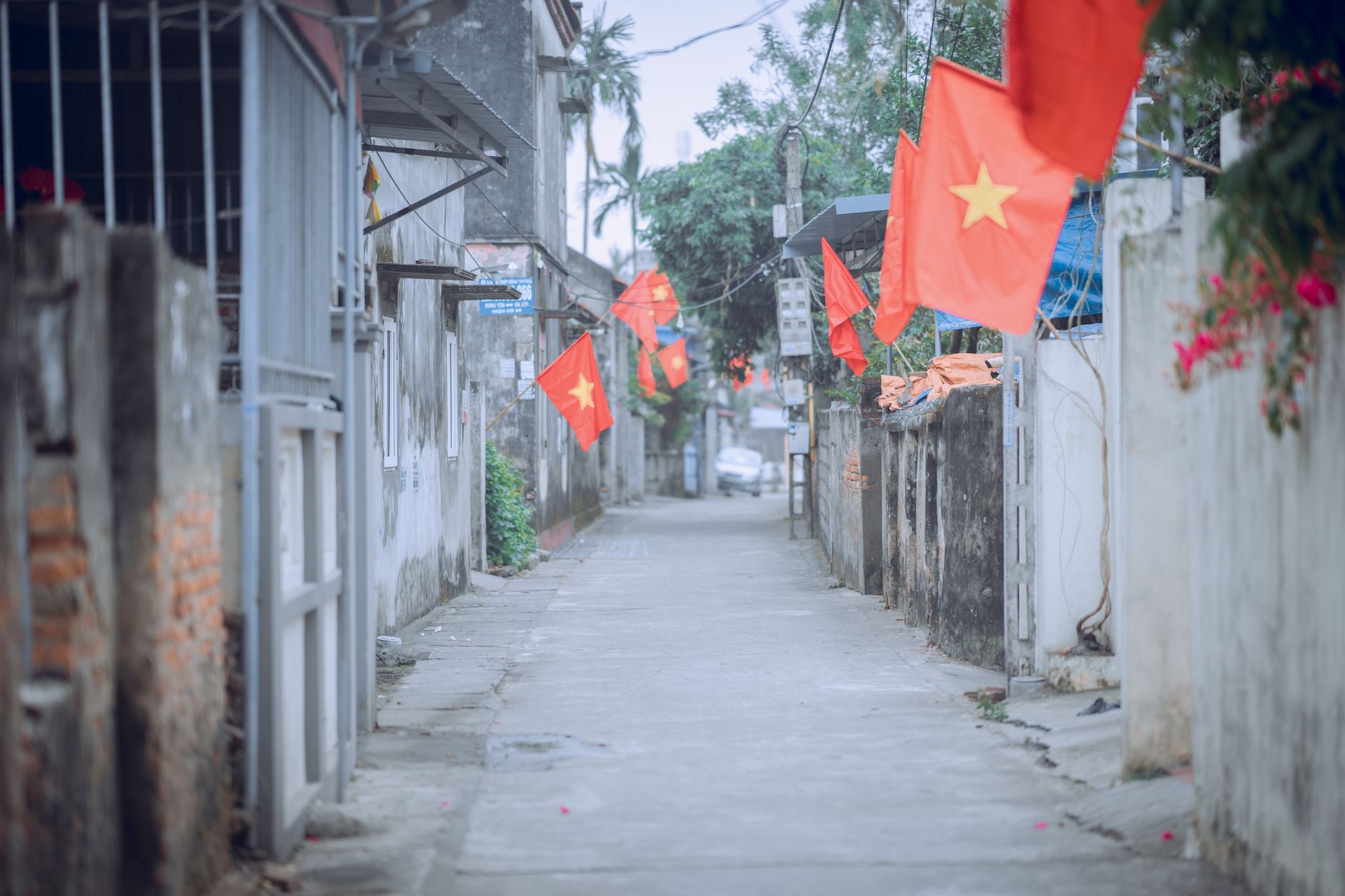
- Off-script suggestion: Wander into the residential alleys off To Ngoc Van street. You will find small boutiques, organic juice bars, and quiet lakeside docks where locals fish and watch the afternoon haze settle over the water.

Photo by Nguyen Ngoc Tien on Pexels
Day 5 — Art, Crafts, and Water Puppets
Start your morning at the Vietnam (베트남 / 越南 / ベトナム) Fine Arts Museum. Housed in a former French girls' school, the museum showcases everything from ancient Buddhist stone carvings to modern lacquer paintings depicting wartime scenes.
In the afternoon, book a ticket for a traditional "water puppetry" performance at the Thang Long Water Puppet Theatre near Hoan Kiem Lake. The live music, featuring traditional instruments, is fantastic.
- Off-script suggestion: Before the puppet show, walk across the historic Long Bien Bridge. Designed by the Eiffel company, this rusty cantilever bridge survived heavy bombing during the war. Walk along the pedestrian path as commuter trains rumble past just inches away.
Day 6 — Day Trip to Bat Trang Ceramic Village
Take a break from the city center and head 13 km southeast to Bat Trang, a village famous for its pottery traditions dating back to the 14th century.
Instead of booking an expensive tour, take public bus #47A from the Long Bien bus station. The ride costs just 7,000 VND and drops you right outside the village market. You can wander the narrow alleys, watch artisans paint intricate designs on vases, and even try throwing clay on a wheel yourself.
- Off-script suggestion: Visit the Bat Trang Toy Museum, a striking modern architectural landmark made of seven giant clay-canyon structures.
Day 7 — Truc Bach and French Quarter Architecture
Explore the quiet neighborhood of Truc Bach, located just south of West Lake. This area is famous for "pho cuon" (fresh rice noodle rolls stuffed with beef and herbs). Grab lunch at one of the lakeside restaurants on Ngu Xa street.
In the afternoon, walk south into the French Quarter to admire the grand Opera House and the colonial architecture. The streets here are wider, cleaner, and much easier to navigate than the Old Quarter.
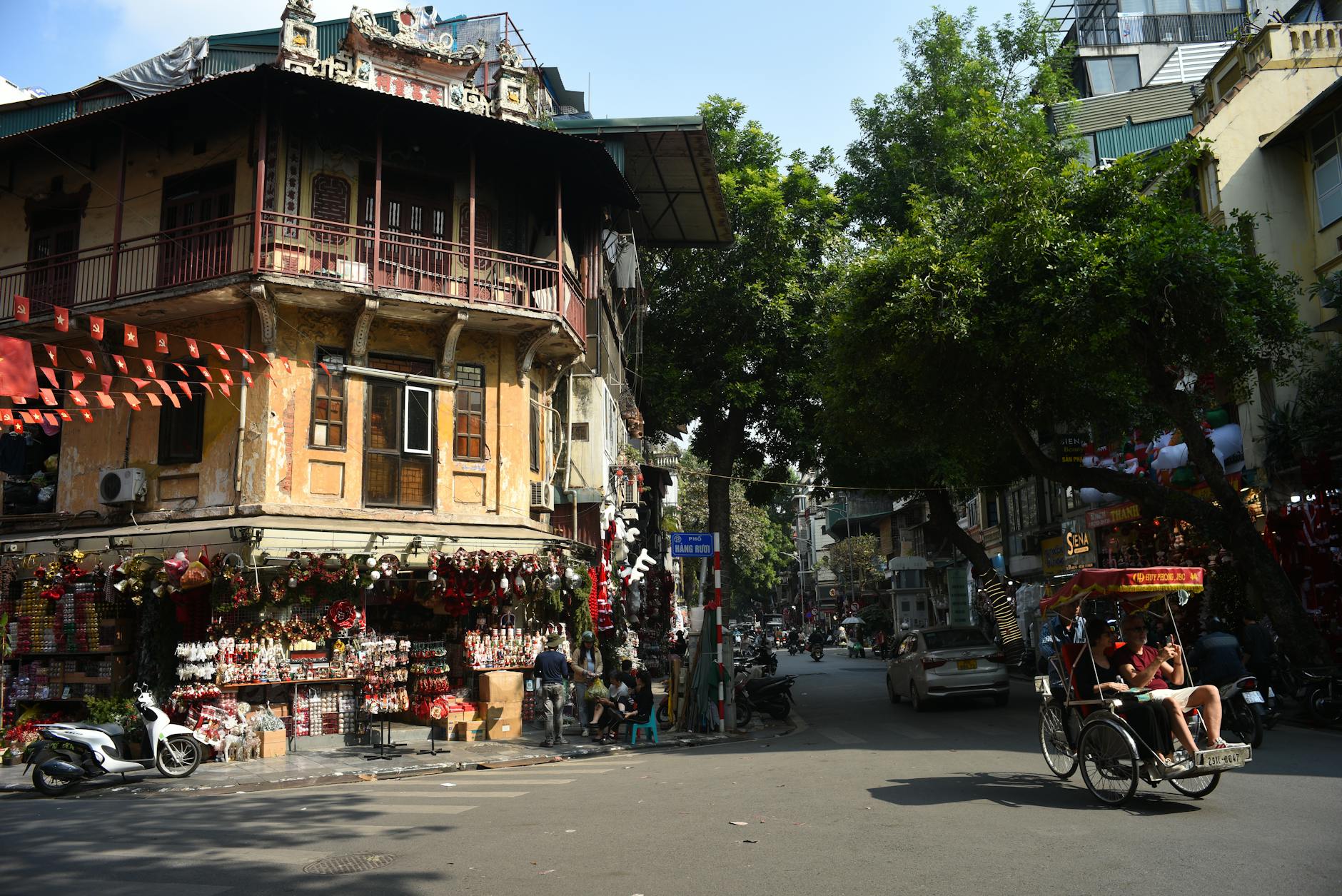
- Off-script suggestion: Stop by the Sofitel Legend Metropole Hanoi hotel. While it is a luxury property, anyone can walk into the lobby bar for a drink. Ask the staff about their historic bomb shelter, which was rediscovered during renovations in 2011.
Photo by Nguyen Ngoc Tien on Pexels
Day 8 — Hidden Cafes and Ca Tru
Spend today hunting down Hanoi's hidden architectural gems. Many of the best spots are hidden behind narrow shopfronts. Look for "banh mi" stalls that lead into deep courtyard homes.
In the evening, seek out a performance of "ca tru", an ancient form of chamber music featuring a female vocalist, a lute, and a bamboo clapper. The Hanoi Ca Tru Club regularly hosts intimate performances in historic communal houses.
- Off-script suggestion: Visit the Heritage House at 87 Ma May. This restored 19th-century merchant house gives you a clear sense of how Hanoi's traditional tube houses were designed to maximize light and ventilation.
Day 9 — Markets and Modern Hanoi
Start early at Dong Xuan Market, the largest covered market in Hanoi. The ground floor is a chaotic maze of dried spices, household goods, and local snacks, while the upper floors sell wholesale textiles.
In the afternoon, take a taxi to the Ba Dinh district to see the modern side of the city. Walk past the imposing Ho Chi Minh Mausoleum and the nearby One Pillar Pagoda.
- Off-script suggestion: For sunset, head to the observation deck at the Lotte Center Hanoi in Ba Dinh. The glass-floored skywalk offers panoramic views of the city's endless sprawl as the streetlights turn on.
Day 10 — Slow Pace and Final Bites
On your final day, slow down. Revisit your favorite cafe, buy some loose-leaf "lotus tea" to take home, and enjoy a bowl of "bun thang" (a delicate chicken, egg, and pork noodle soup) for lunch.
Spend your afternoon sitting by the railway tracks at one of the cafes along the train street (ensure you sit in a designated safe cafe area behind the yellow safety lines) to watch the daily life of the residents who live along the tracks.
- Off-script suggestion: Avoid the souvenir shops on Hang Gai and instead buy high-quality, ethically sourced crafts from social enterprises like Craft Link, located near the Temple of Literature.
Practical notes
For transport, download the Grab app before you arrive; it is the safest and most transparent way to book motorbikes or cars without negotiating prices. Stick to well-lit main streets in the Old Quarter at night, and keep your phone secure when walking near busy roads to prevent drive-by snatching. For accommodation, the Old Quarter is best for walkability, while Tay Ho offers a quieter, more community-focused base.
Ultimo aggiornamento · May 30, 2026 · ricerca indipendente, mai sponsorizzata.