Day 1 — Arrival in Saigon
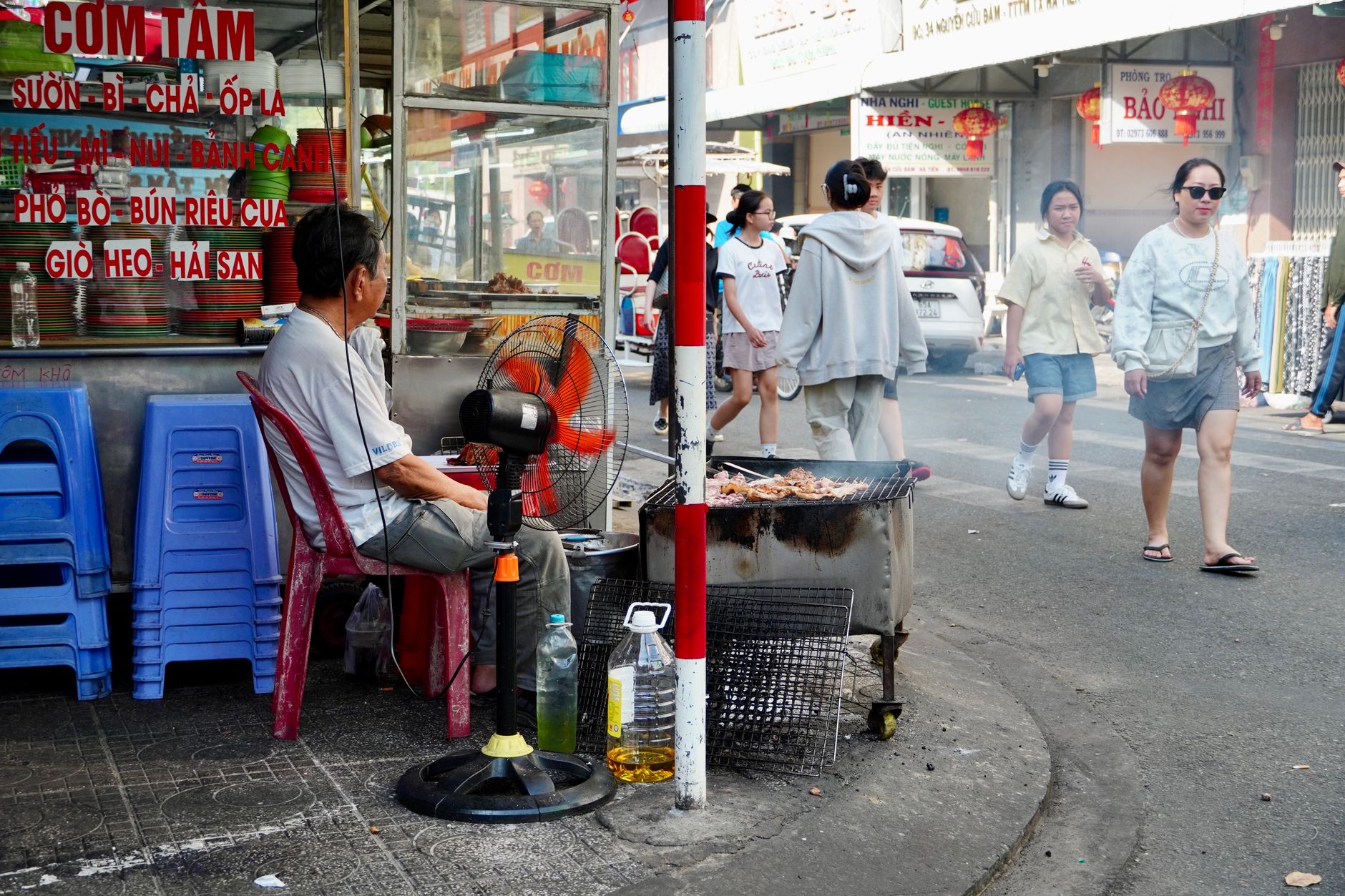
Ease into the humidity of Saigon. Spend your first day acclimating to the pace of the city. Head to a local spot for a bowl of "com tam" and get your gear sorted. If you need last-minute supplies, the shops around Ben Thanh Market have basic trekking gear, though serious hikers should bring their own boots. Spend the evening with a "ca phe sua da" on a plastic stool, watching the motorbikes navigate the chaos.
Day 2 — Ascent to Da Lat
Take a morning bus or a quick flight to Da Lat. The temperature drop is immediate as you climb into the Lang Biang plateau. Spend the afternoon walking around Xuan Huong Lake to stretch your legs. Dinner should be a bowl of "banh can"—small, crispy rice cakes topped with quail eggs—at a street stall near the night market.
Day 3 — Lang Biang Foothills
Start your trekking phase with a moderate hike up the lower trails of Lang Biang Mountain. This is the heart of the K'Ho people's ancestral lands. Avoid the main tourist jeep route; instead, hire a local guide to take you through the pine forests and coffee plantations. You will see the transition from urban Da Lat (달랏 / 大叻 / ダラット) to the quiet, red-dirt paths of the highlands.
Day 4 — Into the K'Ho Villages
Travel deeper into the Lac Duong district. This is where you begin to see the traditional architecture of the hill tribes. Spend the day visiting small-scale coffee farms where the K'Ho people process their beans. Stay in a local homestay if possible; it is the best way to understand the community's connection to the land. Expect simple meals of forest greens and grilled pork.

Photo by Markus Winkler on Pexels
Day 5 — The Bidoup Nui Ba Trek
This is a challenging day. Tackle the trails in Bidoup Nui Ba National Park. The elevation gain is significant, and the forest is dense with ancient trees. You are looking at a 12-15km trek depending on the route. The air is thin and crisp, a stark contrast to the tropical heat of the lowlands. Bring plenty of water and a rain shell, as the weather here shifts in minutes.
Day 6 — Forest to Falls
Continue your trek through the park, heading toward the remote waterfalls that dot the region. Many of these sites are untouched by mass tourism. You will likely pass through more hill tribe hamlets where the pace of life is dictated by the harvest. Enjoy a picnic lunch of "goi cuon" and local fruit by the water.
Day 7 — Transition to Di Linh
Head south toward the Di Linh plateau. This area is less visited than Da Lat and offers a more authentic look at highland agriculture. The landscape is a patchwork of tea and coffee. Spend the day walking the dirt paths between villages, observing the daily routines of the farmers. The "banh canh" here is served with a local twist, often featuring thicker noodles and a richer broth.
Photo by Markus Winkler on Pexels
Day 8 — Coffee and Culture
Spend a full day in the Di Linh highlands. Visit a local cooperative to learn about the processing of robusta and arabica beans. This is a great opportunity to support local livelihoods directly. In the evening, try to catch a performance or simply sit with locals over tea. The hospitality here is quiet and genuine.
Day 9 — Return to the Lowlands
Begin your descent back toward the coast or return to Saigon. The road down the mountain passes is winding and offers incredible views of the changing vegetation. Once you reach the plains, the heat returns. Stop in a roadside town for a final bowl of "bun bo hue (분보후에 / 顺化牛肉粉 / ブンボーフエ)" to satisfy your appetite after the long trek.
Day 10 — Departure from Saigon
Use your final day to grab some souvenirs or visit the Imperial Citadel Thang Long if you missed it on your way through. If you have time, a quick stop at a local cafe for one last "vietnamese coffee" is mandatory before heading to the airport.
Practical notes
Always hire a local guide for trekking in the highlands; the trails are not well-marked and local knowledge is essential for safety and cultural respect. Pack layers, as temperatures in the highlands can drop to 15C at night even when it is 30C in Saigon.
Ultimo aggiornamento · May 30, 2026 · ricerca indipendente, mai sponsorizzata.