어떤 곳인가
Nha Tho Da Sapa — 로사리오 성당, 혹은 단순히 "돌 교회"라 불리는 이곳은 Sapa 마을의 정중앙, 중앙 광장을 바라보며 서 있다. 1926년부터 1935년 사이 프랑스 선교사들이 건립한 이 성당은 두 차례의 전쟁과 수십 년의 방치를 비교적 온전한 형태로 버텨낸, 북서 고원 지대에 남아 있는 몇 안 되는 식민지 시대 건축물 중 하나다. 벽은 현지에서 채취한 화강암으로 쌓아 올렸으며, 그래서 "nha tho da(돌 교회)"라는 이름이 붙었다. 종탑은 약 20미터 높이로 솟아 있어, 맑은 날 아침이면 계곡 건너편에서도 보일 정도다.
성당은 지금도 가톨릭 본당으로 운영되고 있다. 일요일마다 미사가 열리고, 인근 마을에서 걸어온 Hmong족과 Dao족 신자들이 예배에 참석한다. 박물관이 아닌, 살아 있는 공동체의 공간이다.
여행자들이 찾는 이유
솔직히 말하면 세 가지다:
-
Sapa 마을의 지리적 기준점이다. 성당 앞 광장에는 토요일 밤 시장이 들어서고, 단체 관광객들이 모여들며, 대부분의 도보 코스가 여기서 시작된다. 의도하지 않아도 하루에 몇 번씩 지나치게 된다.
-
이 지역에서는 보기 드문 건축 양식이다. 해발 1,600미터 고지대에 들어선 로마네스크 양식의 돌 성당, 그 주변을 감싸는 Hmong족 시장 노점과 안개 낀 산봉우리들 — 과장 없이도 시각적으로 강렬한 풍경이다.
-
방향을 잡기 좋은 기준점이다. 성당 광장에서 Ham Rong 산 등산로(300m 오르막), 중심 시장 거리(Cau May), Cat Cat 마을로 내려가는 길이 모두 이어진다.
방문하기 좋은 시기
성당은 연중 언제든 볼 수 있지만, 사진과 분위기를 위해서는 시기를 골라야 한다:
- 9월~11월 — 가장 맑은 하늘, 아래 계곡을 물들이는 황금빛 다랑논, 낮 기온 15~22°C의 쾌적한 날씨.
- 12월~2월 — 대부분의 아침 짙은 안개가 깔린다. 성당이 구름 속으로 반쯤 사라지는 풍경은 신비로운 분위기를 자아내지만, 50미터 앞에서도 종탑이 보이지 않을 수 있다. 밤 기온은 3~8°C까지 떨어진다.
- 토요일 저녁 — "러브 마켓"(현재는 관광객을 위한 일반 야시장으로 변했지만)이 열리면 광장은 음식 노점과 Hmong족 직물 상인들로 가득 찬다. 성당에 불이 들어오고 오후 7시쯤부터 광장이 활기를 띤다.
- 일요일 오전 9시 이전 — 성당 본래의 모습을 보고 싶다면 미사 시간에 맞춰 방문하자. 예의를 지키고, 참관 목적이라면 뒤쪽에 조용히 앉을 것.
가는 방법
Sapa는 Lao Cai 성에 위치하며, Hanoi에서 북서쪽으로 약 350km 거리에 있다.
Hanoi에서 출발
- 버스: My Dinh 버스 터미널에서 야간 침대 버스가 여러 편 운행된다(6~7시간, 250,000~350,000 VND). Sapa 마을까지 직행하는 노선도 있고, Lao Cai 시내에서 내려 미니버스로 환승(45분, 50,000 VND)해야 하는 노선도 있다.
- 기차 + 버스: Lao Cai 역까지 야간 기차를 타고(8시간, 침대 등급에 따라 500,000~900,000 VND), 이후 미니버스나 택시로 산길을 올라 Sapa까지 이동한다(35km, 약 45분).
Sapa 내 이동
마을에 도착하면 성당은 눈에 바로 들어온다. Cau May와 Thach Son 거리가 만나는 교차점, 중앙 광장 바로 앞에 있다. Sapa 중심부는 도보로 충분히 돌아볼 수 있으며, 핵심 구역의 폭은 약 800미터 정도다.

사진: Quang Nguyen Vinh, Pexels
무엇을 할 수 있나
성당 자체는 외부에서 둘러보는 데 10~15분이면 충분하다. 내부는 소박하다 — 나무 장의자, 단순한 제단, 수십 년에 걸쳐 일부 교체된 스테인드글라스. 예배가 없는 날 문이 열려 있으면 잠깐 들어가 볼 수 있다.
진짜 가치는 성당에서 뻗어 나가는 주변에 있다:
- Ham Rong 산 — 성당에서 오르막으로 걸어 3분 거리에 등산로 입구가 있다. 입장료 70,000 VND. 난초 정원, 돌길, 계곡 전체를 내려다보는 전망대.
- Sapa 시장 — 지붕 있는 시장 건물이 성당에서 동쪽으로 100미터 거리에 있다. 1층에는 채소, 육류, 향신료가 있고, 위층에는 직물과 관광 기념품이 늘어서 있다.
- Cat Cat 마을 — 광장에서 내리막길을 따라 약 2km 내려가면 Hmong족 마을이 나온다(입장료 100,000 VND). 폭포, 다랑논, 전통 가옥을 볼 수 있다.
- 사진 촬영 — 이른 아침(오전 6~7시)과 오후 늦게 돌 외벽에 가장 좋은 빛이 든다. 성당은 대략 동쪽을 향하고 있어 일출 때 정면 벽이 빛을 받는다.
주변 음식점
성당 광장 주변 거리에는 식당이 즐비하다. 알아두면 좋을 곳들:
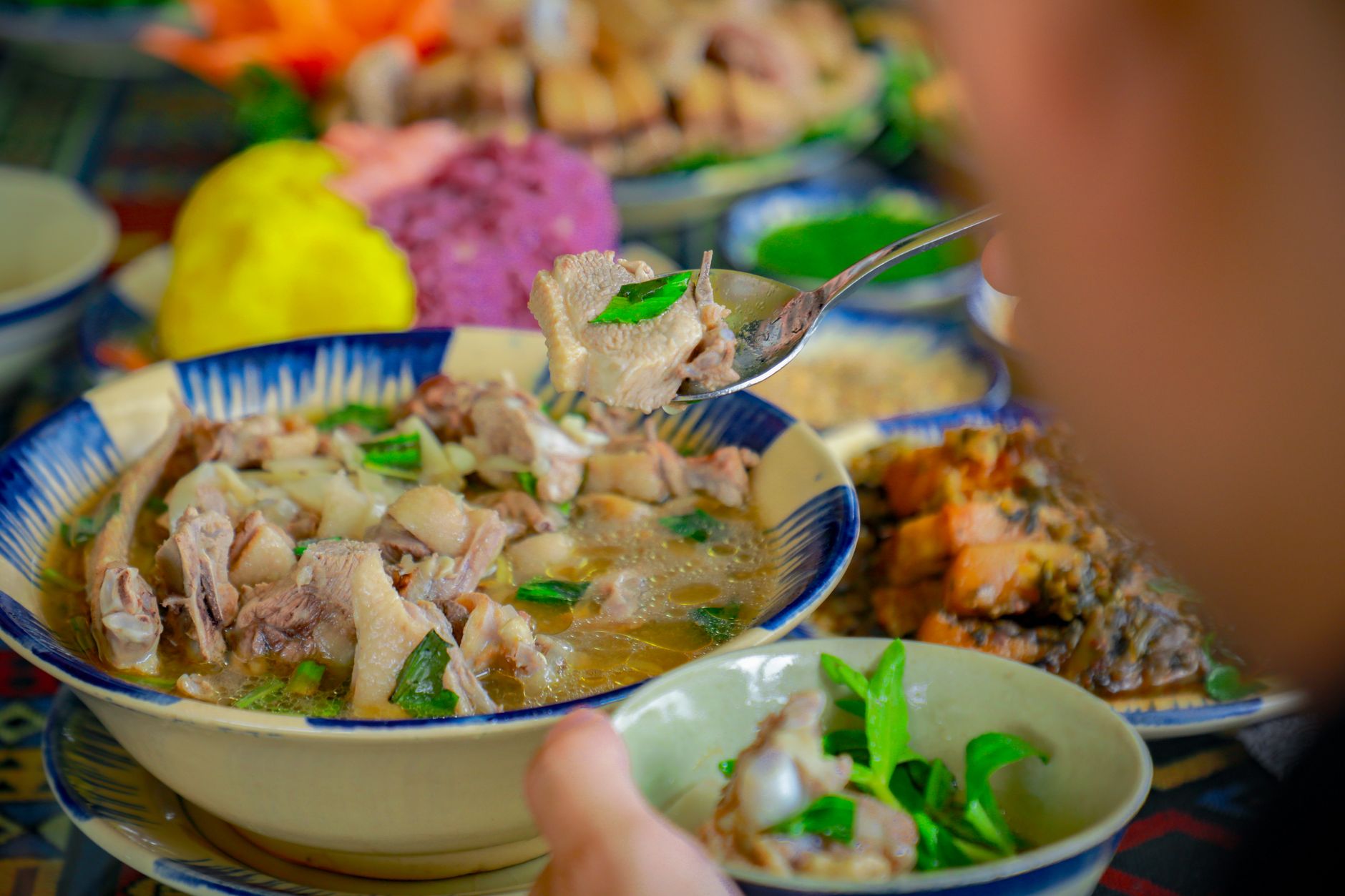
- 시장 내 탕 코 노점 — "thang co"는 Hmong족의 말고기 육수 전골로, 익숙해지는 데 시간이 걸리지만 문화적으로 의미 있는 음식이다. 작은 그릇 기준 30,000 VND부터.
- Cau May의 바게트 노점 — Sapa식 banh mi는 파테와 구운 돼지고기가 듬뿍 들어간다. 25,000~35,000 VND.
- Hill Station Signature Restaurant — 성당에서 200m 거리, 복원된 프랑스 식민지 시대 건물 안에 있다. 서양-베트남 퓨전 요리. 메인 요리 150,000~300,000 VND. 베트남 커피도 수준급이다.
- Thach Son의 "com binh dan" 식당 — 두세 곳의 현지 백반집이 공사 인부와 가이드들에게 점심을 내놓는다. 맛있어 보이는 것을 손가락으로 가리키면 된다. 두 가지 반찬에 밥 한 공기 40,000~60,000 VND.
Sapa에서 아침을 먹는다면, egg coffee도 이미 산 위까지 올라왔다 — Cau May의 카페 몇 곳에서 꽤 괜찮은 버전을 내놓는다.
숙소
성당을 중심으로 숙소들이 동심원 형태로 모여 있다:
- 저가 (1박 200,000~500,000 VND): Muong Hoa, Cau May 거리의 호스텔과 게스트하우스. 기본적이지만 어디든 걸어서 갈 수 있다.
- 중간 가격대 (1박 800,000~1,500,000 VND): Thach Son, Dong Loi 거리의 부티크 호텔. 계곡이 내려다보이는 발코니 객실도 있다.
- 고급 (1박 2,000,000 VND 이상): 규모가 큰 리조트들은 마을 외곽이나 계곡 중턱에 자리해 있다. 성당까지는 택시나 셔틀이 필요하다.
접근성을 생각하면 광장에서 300m 이내가 가장 편리하다 — 다만 오후 9시 이후 노래방 소음도 각오해야 한다. 소음에 민감한 여행자라면 Cau May에서 한 블록 안쪽 숙소를 예약하는 것이 낫다.

사진: Quyển Phạm Xuân, Pexels
실용 정보
- 복장: 성당은 보수적인 공간이다 — 미사 중 내부에 들어갈 때는 어깨와 무릎을 가리자. 외부에서는 상관없다.
- 실내 촬영: 미사 중에는 플래시를 사용하지 말 것. 예배 외 시간에는 간단한 사진 촬영은 괜찮다.
- 날씨 대비: 여름에도 Sapa 아침은 서늘하다(14~18°C). 광장으로 이른 아침 산책을 나갈 때는 얇은 재킷을 챙길 것.
- ATM: 성당에서 100m 이내에 ATM 두 대가 있다(Agribank, BIDV). 두 곳 모두 해외 카드를 사용할 수 있지만, 출금 시 22,000~55,000 VND의 수수료가 부과된다.
- 주말 혼잡: 토요일 오후부터 일요일 오전까지 광장 일대는 관광객이 가장 많이 몰린다. 평일 오전은 한결 여유롭다.
흔한 실수
- 작아 보인다고 건너뛰는 것. 성당 자체가 목적지가 아니다 — 출발점이다. 이곳을 기준 삼아 산책 코스를 잡고, 음식을 찾고, 가이드를 만나자.
- 한낮에만 방문하는 것. 빛이 밋밋하고 광장은 붐비며 안개도 대부분 걷혀 있다. 새벽이나 해 질 무렵에 오자.
- Sapa 마을과 Sapa 지역을 혼동하는 것. 성당은 마을 중심에 있다. 유명한 다랑논(Muong Hoa 계곡, Ta Phin, Lao Chai)은 7~15km 밖에 있어 교통편이나 가이드 트레킹이 필요하다.
마치며
Nha Tho Da는 외부에서 무료로 둘러볼 수 있으며, Sapa 마을의 사회적 중심지 역할을 한다. 성당과 광장을 둘러보는 데 30분을 배분한 뒤, 주변으로 발걸음을 넓혀 나가면 된다. 트레킹을 위해 Sapa를 찾았더라도 모든 코스는 이 성당에서 시작된다 — 계획했든 아니든.
마지막 업데이트 · May 26, 2026 · 독립적으로 조사한 콘텐츠, 협찬 없음.