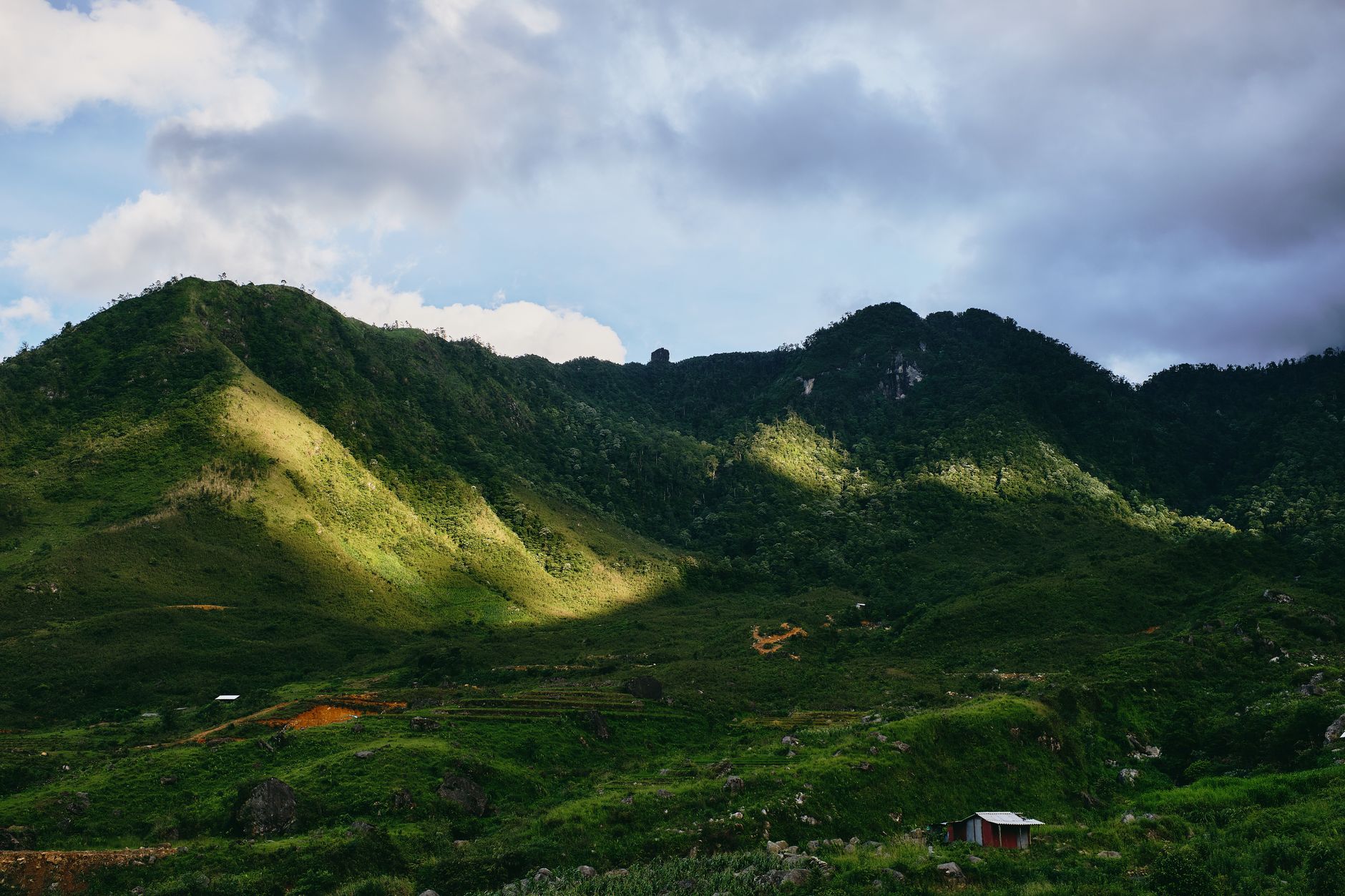
Mai Chau Valley sits in Hoa Binh Province, about 140 km southwest of Hanoi—close enough for a long weekend, far enough to feel genuinely removed. The valley is home to White Thai communities who live in wooden stilt houses and still weave fabric on hand looms. A three-day homestay trip here trades hotel comfort for the kind of access you simply can't buy as a day-tripper.
Day 1 — Arrival & Lac Village Homestay
Pick up your minivan or book a ride around 7 a.m. from central Hanoi. The drive takes three to four hours on Route 6, winding through rubber plantations and limestone hills before the road flattens into Mai Chau's basin. Arrive mid-morning, check into your homestay in Lac village, and let your body adjust.
Lac is the valley's main hub for tourism. Your homestay will be a traditional wooden house on stilts, stilts raised to keep livestock (and floodwater) below, living quarters above. Owners are almost always White Thai families who've opened their homes to visitors. Expect a clean room with a basic mattress, bucket showers, no Wi-Fi (most places), and absolutely genuine hospitality.
Spend the afternoon walking the village. Buy a cold "ca phe sua da" (Vietnamese iced coffee) from a shop, sit on a plastic stool, watch locals pass on motorbikes. At 6 p.m., eat dinner with your hosts—typically grilled fish, stir-fried greens, sticky rice, and whatever vegetables were grown minutes away. Beer costs 10,000–20,000 VND a bottle. Conversation is slow, friendly, and often conducted through a guide or simple gestures. Sleep early. Your bed will be firm.
Day 2 — Cycling Loop: Pom Coong, Ban Van & Pieng Ve Waterfall
Breakfast at 7 a.m.: congee, fried spring rolls, possibly fish soup. Your homestay will arrange a bike rental (usually included; expect a single-speed or three-gear Chinese model in decent condition).
The classic loop is roughly 30 km and takes six to seven hours with stops. Head out early to beat the heat and crowds.
Pom Coong section (8 km): Pedal north out of Lac through rice paddies on a packed-dirt road. The paddies are brilliant green March through June, gold-brown by October. Water buffalo graze between plots. You'll pass small hamlets where kids wave from doorways. Pom Coong is a second White Thai village perched on the opposite slope—less touristy than Lac, still welcoming. Stop for water and a snack at one of the informal "restaurants" (really someone's roadside shack selling instant noodles, bananas, and cold Sprite).
Ban Van (5 km): Continue looping southeast to Ban Van, another stilt-house village. The road becomes rougher here, more red clay. If it rained the night before, it's slippery; otherwise, totally manageable. Many cyclists stop here for a second breakfast or early lunch—fried spring rolls and a glass of sugarcane juice cost about 50,000 VND.
Pieng Ve Waterfall (7 km from Ban Van): The final leg descends toward the waterfall, a seasonal cascade that runs strongest during monsoon (May–September). In dry months, it's more trickle than torrent, but the jungle around it is thick and cool. A 20-minute walk through the forest leads to the pool below. Swim if water level permits. The whole area is quiet and genuinely off the beaten path—not Instagram-famous, just beautiful.
Return to Lac (10 km): Pedal back to your homestay via a different route, arriving around 4–5 p.m. Your legs will hurt. Shower with a bucket and take a nap.
Dinner is again with your hosts. Ask them to cook something you haven't eaten yet. Try "banh cuon" (steamed rice rolls) if available—the dough is soft, the fillings are delicate pork or shrimp.

Image by Steven C. Price via Wikimedia Commons (CC BY-SA)
Day 3 — White Thai Weaving & Return to Hanoi
After breakfast, your host will introduce you to a neighbor (or someone in the village) who still weaves on a wooden loom. This is not a commercialized "workshop"—it's a living room with a loom where someone spends three to four hours a day creating fabric the way her mother and grandmother did.
You'll sit beside the weaver, watch her feet work the pedals, her hands thread the shuttle back and forth. The rhythm is hypnotic. If you're interested, ask to try—don't expect coordination. These weavers have been doing this since childhood. The finished fabric becomes blankets, scarves, or traditional skirts. Prices for a handmade scarf are around 300,000–600,000 VND (roughly USD 12–24), depending on size and complexity.
Spend two to three hours here, then pack and head to lunch. Around 1–2 p.m., your arranged driver will pick you up for the return journey to Hanoi, arriving around 6–7 p.m. If you're driving yourself, leave by 1 p.m. to miss the worst traffic on the way back.

Image by Shyamal via Wikimedia Commons (CC BY-SA)
Frequently Asked Questions
How far is Mai Chau from Hanoi and how do I get there?
Mai Chau Valley sits about 140 km southwest of Hanoi in Hoa Binh Province. Pick up a minivan or book a ride around 7 a.m. from central Hanoi; the drive takes three to four hours on Route 6, winding through rubber plantations and limestone hills before the road flattens into the valley basin. Arriving mid-morning leaves the rest of the day for settling into your homestay in Lac village.
What should I expect from a homestay in Lac village?
Homestays in Lac are traditional wooden stilt houses owned by White Thai families. Expect a clean room with a basic mattress, bucket showers, and no Wi-Fi at most places. Dinner is eaten with your hosts and typically includes grilled fish, stir-fried greens, and sticky rice grown nearby. Beer costs 10,000 to 20,000 VND a bottle. The hospitality is genuine, but hotel-level comfort is not part of the arrangement.
When is the best time to cycle the valley loop and visit Pieng Ve Waterfall?
Head out by 7 a.m. to beat heat and crowds on the roughly 30 km loop through Pom Coong, Ban Van, and Pieng Ve Waterfall. The rice paddies are brilliant green from March through June and gold-brown by October. Pieng Ve Waterfall runs strongest during monsoon season from May through September; in dry months it reduces to a trickle, though the surrounding jungle remains cool and swimmable conditions may still be possible.
Practical notes
Book your homestay at least one week ahead through an agency (Hanoi (하노이 / 河内 / ハノイ) Old Town has dozens) or directly via email if the family has a contact. Cost runs 300,000–500,000 VND per night (USD 12–20) including meals and often a bike rental. Hire a guide for Day 2 cycling if you're uncomfortable navigating alone; homestay owners can arrange one for 200,000–300,000 VND. Bring water, sunscreen, and insect repellent. The valley is beautiful year-round, but May–September is humid and rainy; October–April is dry and clear.
Last updated · May 26, 2026 · independently researched, never sponsored.