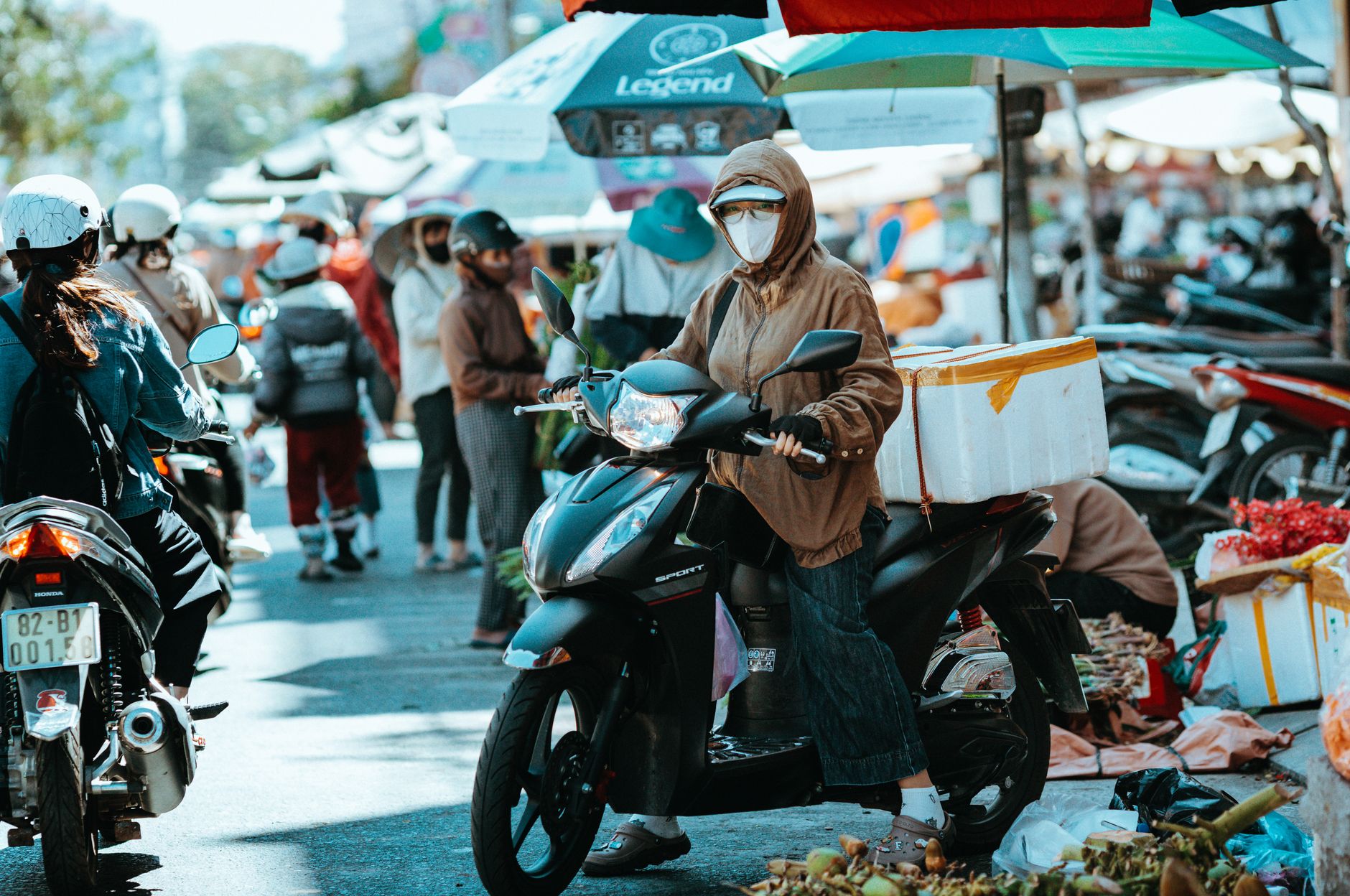
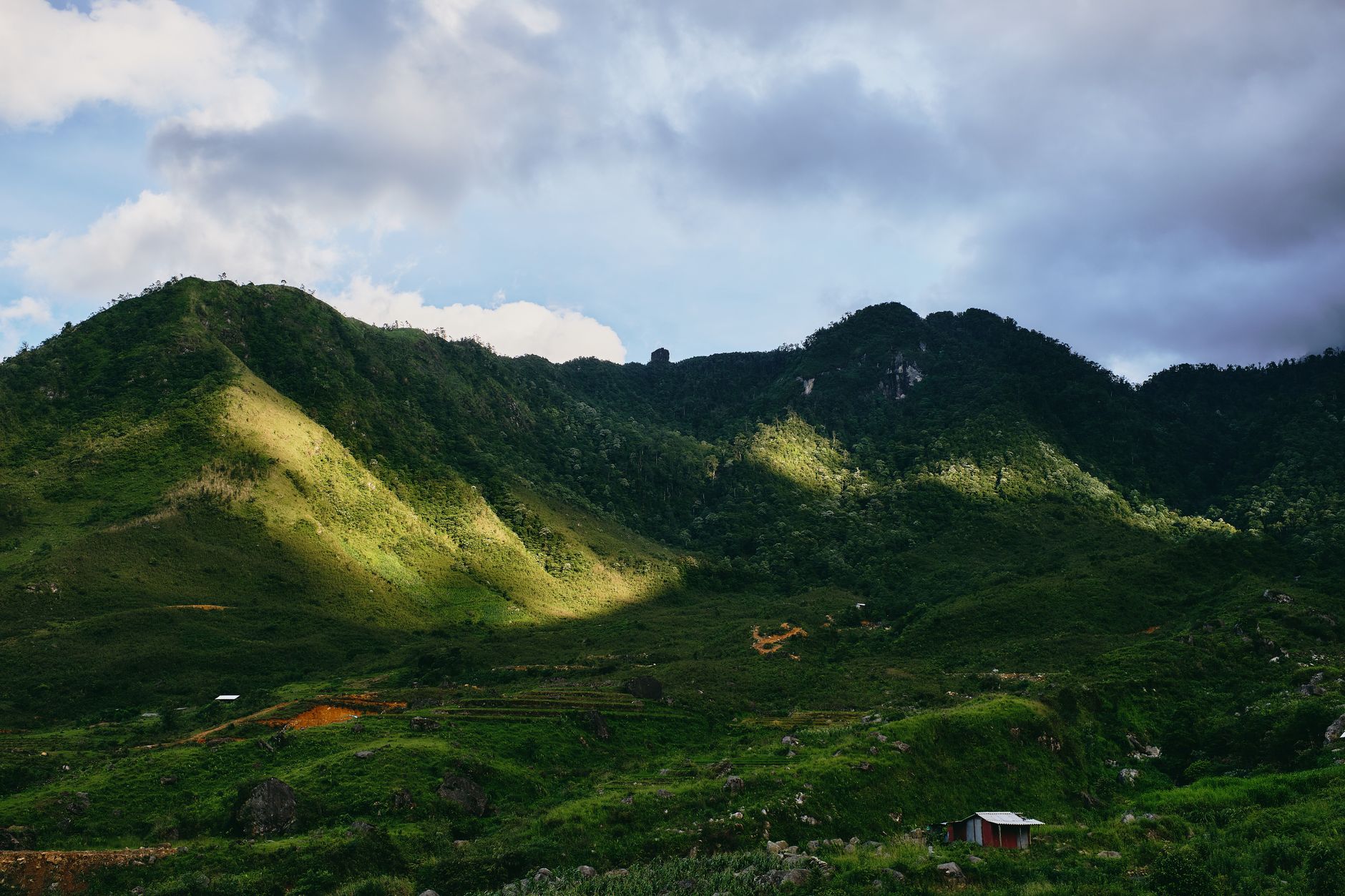
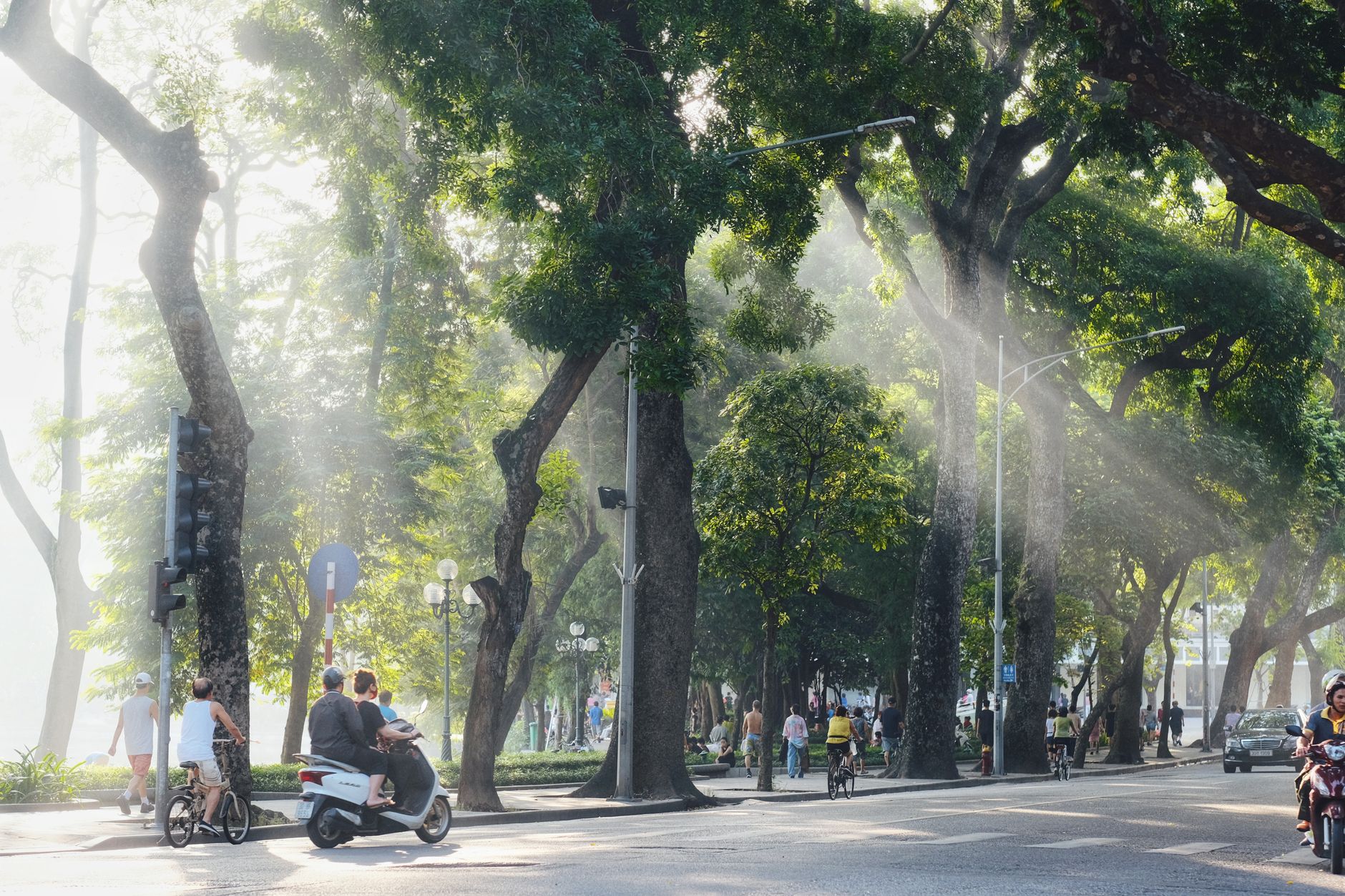
Northern Vietnam's most spectacular ride sits ten hours by sleeper bus from Hanoi. Limestone karsts, mountain passes that punch through cloud, and Hmong villages that haven't yet figured out how to overcharge. Done over four days, on a manual semi-automatic at 50 km/h, with stops you actually want to take — this is the trip.
I've ridden the loop three times: solo in 2022, with a partner in 2024, and last month with two friends visiting from Australia. Here's what works.
Why the Loop, and not Sapa
Sapa is fine. It's also been overrun for fifteen years. The trekking is shorter, the homestays are softer, and you'll share the rice terraces with three hundred other tourists.
Ha Giang is what Sapa was twenty years ago. Less polish, fewer people, more genuinely interesting roads. The Ma Pi Leng Pass is the most spectacular stretch of mountain road I've ridden anywhere — and there's no equivalent in Sapa.
The trade-off: Ha Giang takes more time (4-5 days minimum, vs. 2-3 for Sapa) and demands you ride a motorbike. If you've never ridden, take a 3-day course in Hanoi first. Or hire a local "easy rider" — a Hmong guide who rides a second bike with you on the back. Costs about $35 a day including the bike.
Day 1 — Hanoi to Ha Giang city
Take the night sleeper bus from Hanoi's My Dinh station. 21:00 departure, arrive Ha Giang 05:00. ~$13. Sleeper class is fine — fully reclining beds, a blanket, three rest stops.
In Ha Giang town, head to QT Motorbikes (or Bong Hostel — both rent the same Honda XR150 you want). $15 a day. Drop a $200 deposit OR your passport (controversial but standard). Get a helmet that actually fits and ask them to swap the rear shock if it's tired.
Eat pho at the bus station — surprisingly good, 35,000 VND — then ride out by 9:00. First day target: Yen Minh, 100 km, 4 hours with stops.
Day 2 — Yen Minh to Dong Van via Heaven's Gate
The day everyone takes the photo. Heaven's Gate viewpoint at km 30 — bring a windbreaker, it's twenty degrees cooler than down in the valley. Continue to Dong Van Karst Plateau Geopark.
Lunch in Dong Van old town. The Hmong King's Palace is a 30-minute side trip worth taking. Skip the Lung Cu flag tower unless you have an extra half-day — it's a long detour for a flag.
Stay at a homestay in Dong Van. Auberge de Meo Vac (run by a French expat, surprisingly) is the best in town — $25/night including dinner. The simpler stilt-house options are $8.
Day 3 — Ma Pi Leng Pass
The reason you came. Dong Van to Meo Vac via the Ma Pi Leng Pass — 22 km of cliff-edge road carved into limestone, 1500m above the Nho Que river.
Stop at every viewpoint. The "Skywalk" rest area at the high point is touristy but the view is real. Ride slowly. Two riders died on this pass last year — both going too fast on a corner. There is no margin.
Down the other side to Meo Vac, where the Sunday market is the best in the region if you time it right. Continue to Du Gia for the night — quieter than Meo Vac, with a swimming hole that's perfect after a hot day's ride.
Day 4 — Du Gia back to Ha Giang, bus to Hanoi
Ride out at 7:00 — the morning light through the rice terraces near Du Gia is the best of the trip. ~3.5 hours back to Ha Giang town with a stop for noodles in Yen Minh.
Return the bike, take the 17:00 sleeper back to Hanoi. Arrive 04:00. Have a coffee. Sleep until noon.
What to bring
- Rain layer: it rains in the mountains even in dry season.
- Gloves: hands get cold at altitude.
- Thin merino base layer + warm shirt + windbreaker is the right combo. No need for heavy down.
- Cash: ATMs in Dong Van and Meo Vac are unreliable. Bring 5 million VND in small bills.
- Phone with offline maps (download Maps.me or Google Maps offline for Ha Giang province).
What it costs (4 days, solo)
| Item | VND | USD | |------|-----|-----| | Sleeper bus round-trip | 600,000 | $24 | | Motorbike rental (4 days) | 1,500,000 | $60 | | Fuel | 350,000 | $14 | | Food (avg 200k/day) | 800,000 | $32 | | Homestays (3 nights) | 1,000,000 | $40 | | Park entry + tolls | 100,000 | $4 | | Total | ~4,350,000 | ~$174 |
When to go
Best: September through November. Cool, dry, golden rice terraces, clear skies for photos. October is peak.
Avoid: May through August. Hot, humid, daily afternoon storms, slippery roads. The Ma Pi Leng Pass becomes genuinely dangerous in heavy rain.
OK: December through February. Cold (can drop to 5°C at altitude). Fewer crowds. Bring proper layers.
Things nobody warns you about
- The first 30 km out of Ha Giang town is fine, paved, easy. The next 300 km is real mountain riding. If you've never done switchback corners on a bike, hire an easy rider.
- Petrol stations are far apart. Fill up at every chance. There are 60 km stretches with nothing.
- Some homestays are family-run and will offer you rice wine. Drink one shot to be polite, then say "sang mai phai chay xe" — "tomorrow I have to ride." They will understand and stop.
- The road between Ma Pi Leng and Meo Vac has a 6 km stretch under construction in 2026. Add 30 minutes.
After three trips, this is still the best four-day ride in Vietnam. Probably in Southeast Asia.
Last updated · Apr 29, 2026 · independently researched, never sponsored.