What Rach Vem is
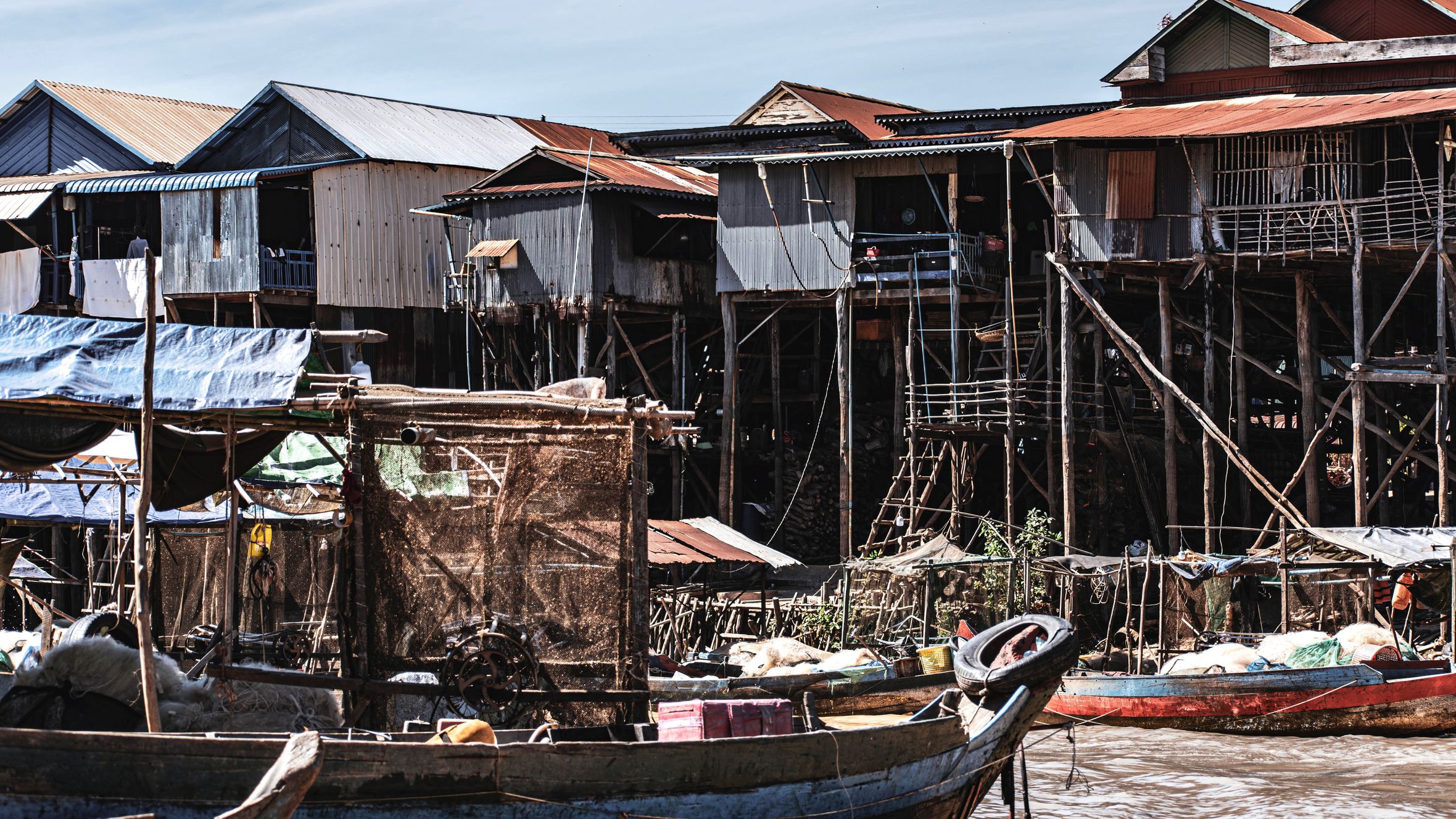
Rach Vem is a small fishing village built on wooden stilts over the shallows at Phu Quoc's northern tip, roughly 25 km from Duong Dong town. The village sits along a narrow inlet where the water barely reaches waist height at low tide, and the sandy bottom is famously carpeted with orange and red starfish — which is why some locals call it "Lang Sao Bien" (Starfish Village).
The community here is modest: a few dozen families who've fished these waters for generations, mending nets off their front porches and drying squid on bamboo racks. It's not a resort. It's not curated. That's exactly the draw.
Why travelers go
Three reasons people make the drive north:
The starfish. Between November and April, hundreds of starfish cluster in the shallows near the wooden jetties. The water is clear enough to spot them from above, and you can wade out without a boat.
The stilted architecture. The over-water houses connected by narrow plank walkways make for genuinely interesting photographs — especially in the golden hour when fishing boats return.
The quiet. Phu Quoc (푸꾸옥 / 富国岛 / フーコック)'s south coast is dense with resorts and construction noise. Rach Vem feels like the island did fifteen years ago. No thumping pool bars, no jet skis.
Best time to visit
The sweet spot is December through March — dry season on Phu Quoc, calm seas, maximum starfish visibility. The water stays shallow and glassy.
Avoid June through September: monsoon rains churn up sediment, the starfish retreat to deeper spots, and the access road can get muddy after heavy downpours.
Time of day matters too. Come between 7:00 and 9:00 in the morning or after 15:30. Midday sun washes out the turquoise color and makes the jetties uncomfortably hot.
How to get there
From Duong Dong town center, head north on DT45 toward Ganh Dau. After roughly 20 km, turn right at the signposted junction for Rach Vem (the turn is easy to miss — look for a faded blue sign and a seafood shack on the corner). From the turn, it's another 5 km on a narrower concrete road that ends at the village.
By motorbike: The most common option. Rental bikes from Duong Dong run 150,000–200,000 VND/day. The ride takes about 40 minutes with no traffic.
By taxi/Grab: A one-way Grab car from Duong Dong costs around 180,000–250,000 VND. Ask the driver to wait — you won't find a return ride at the village.
By tour: Several Phu Quoc day tours bundle Rach Vem with Ganh Dau Cape and the northern snorkeling spots. Expect 400,000–600,000 VND per person including lunch.

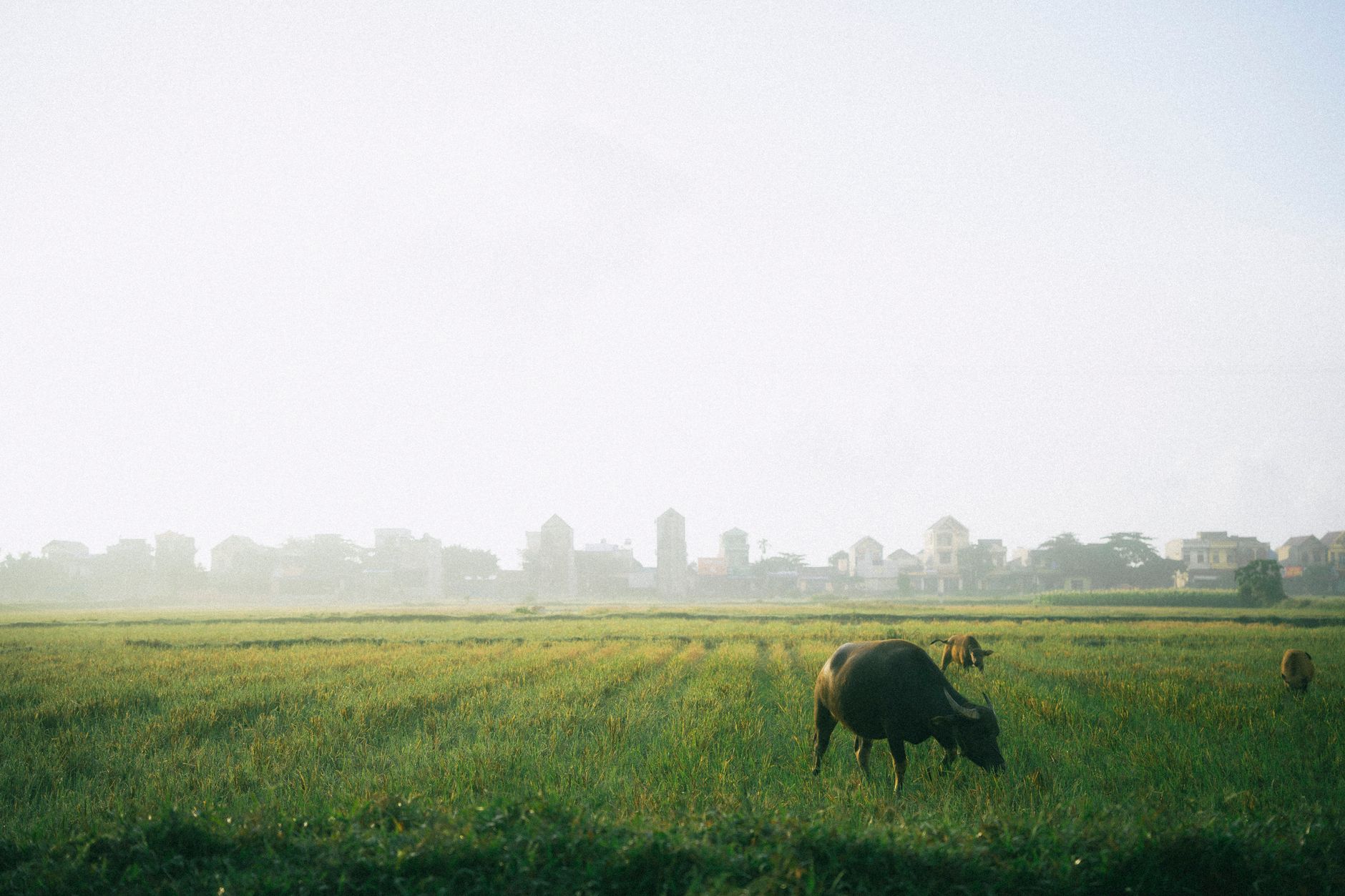
Photo by Rasca Don on Pexels
What to do
Walk the jetties
The main wooden pier extends about 200 meters over the water. Side walkways branch off to individual houses and floating platforms. Some platforms have hammocks and thatched shade — you can rent one for 50,000 VND and just lie there watching boats.
Wade with the starfish
The starfish congregate in the sandy shallows east of the main pier. Wade out carefully — the bottom is soft sand, no coral — and you'll find them in clusters. Do not pick them up or take them out of the water. This is enforced now; locals will tell you off, and rightly so.
Photograph the village
Bring a polarizing filter if you shoot with a real camera. It cuts the glare off the water and makes the starfish pop. The best angles are from the far end of the pier looking back toward shore, with the jungle-covered hills as backdrop.
Kayak the inlet
A few spots rent basic kayaks for 100,000 VND/hour. Paddle south along the mangrove edge for birdwatching — herons and kingfishers are common in the early morning.
Where to eat
Rach Vem has three or four seafood restaurants built over the water at the end of the access road. They're simple open-air places with plastic chairs and hand-written menus.
- Grilled "muc" (squid): 120,000–180,000 VND per plate, caught that morning.
- Steamed "ghe" (blue crab): Market price, usually 250,000–400,000 VND/kg.
- "Hu tieu" soup: Some stalls serve this southern noodle soup for breakfast, around 40,000 VND.
Don't expect refined plating. Do expect very fresh seafood at prices lower than Duong Dong's tourist strip. Bring cash — no card machines here.
Where to stay
Rach Vem itself has no hotels. Your options:
- Ganh Dau area (5 km west): A handful of mid-range resorts and guesthouses, 500,000–1,200,000 VND/night.
- Ong Lang beach (15 km south): Better variety of boutique stays, still quieter than the south coast.
- Duong Dong (25 km south): Full range from hostels (200,000 VND) to luxury resorts.
Most travelers visit Rach Vem as a half-day trip from wherever they're based on Phu Quoc.

Photo by Vo Ngoc Anh Thy on Pexels
Practical tips
- Cash only at the village. The nearest ATM is in Ganh Dau town.
- Wear water shoes or sandals you don't mind getting wet. The pier planks have gaps and splinters.
- Sunscreen before you arrive. There's zero shade on the jetties and the reflection off the water doubles your UV exposure.
- Bring your own water. The village shops stock drinks but sometimes run out on busy weekends.
- Fuel up in Duong Dong. There's one small petrol station on DT45 north of town, but it occasionally closes early.
Common mistakes
Arriving midday on a weekend. Tour groups hit between 10:00 and 14:00 on Saturdays. The jetties get crowded and the vibe shifts. Early morning weekdays are a different experience entirely.
Expecting a beach. Rach Vem isn't a swimming beach. It's a tidal flat with a fishing village on it. If you want sand-between-your-toes beach time, combine the trip with a stop at Bai Dai on the way back.
Touching the starfish. Seriously. They're fragile, they stress easily, and the population has already declined from overtourism. Look, photograph, leave them alone.
Not negotiating seafood prices upfront. Ask the price per kilogram before ordering crab or prawns. Write it down if needed. Misunderstandings happen when the bill arrives.
Final note
Rach Vem works best as a slow morning — arrive early, eat seafood, drift around the jetties, then head south to whatever else Phu Quoc has on offer. It's not a full-day destination, but it's one of the few spots on the island that still feels like a working village rather than a construction site. Go before that changes.
Last updated · May 26, 2026 · independently researched, never sponsored.