Last updated · May 13, 2026 · independently researched, never sponsored.
We use minimal analytics + ads (no personal tracking). See our privacy policy.
芽庄版"bun sua"(碎米配烤肉)与南方经典有所不同——这里口味更清淡、更鲜爽,还带有海鲜风味。我们找到了本地人真正光顾的那些摊位。

Last updated · May 13, 2026 · independently researched, never sponsored.
Other articles covering this city.

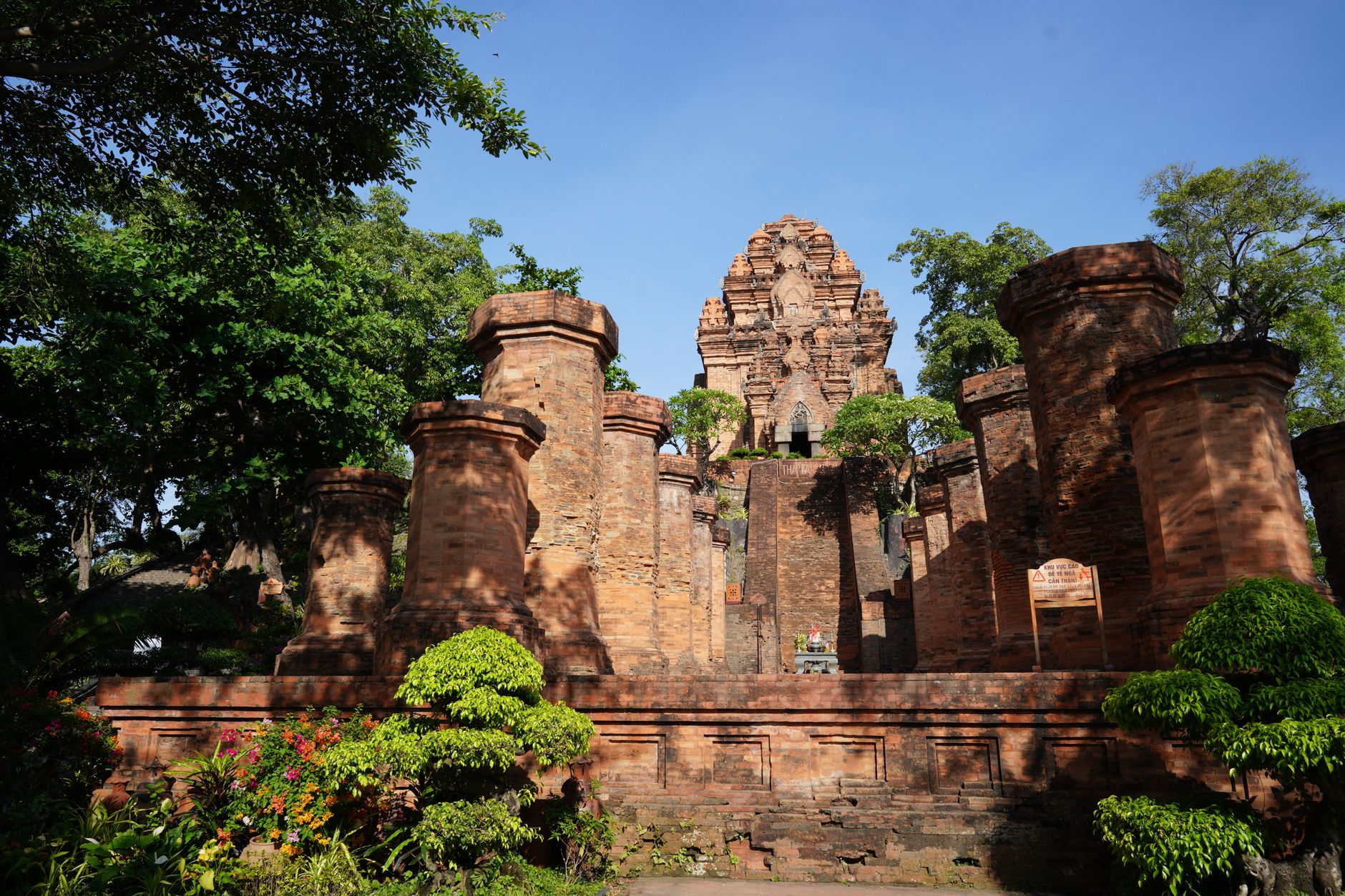
Po Nagar is a working Cham temple complex on a granite hill in Nha Trang. Here's what to know before you visit, from history to nearby nem nuong.

Loading…
Everything you need to know about visiting Dao Khi in Nha Phu Bay — how to get there, what to actually expect, and whether it's worth your time.

Banh dap—crispy, layered flatbread with savory fillings—is a Nha Trang specialty. Here's where locals actually eat it, what to order, and why it tastes different here than anywhere else.
Other articles covering the same region.

Van Thanh Mieu in Vinh Long is one of the best-preserved Confucian temples in southern Vietnam — here's how to visit, what to see, and where to eat nearby.

Everything you need to know about Phu Quoc Night Market — from the best seafood stalls to navigating the crowds and avoiding tourist traps.

Dong Nai's food scene sits between industrial city grind and rural delta freshness. Here's where to find the real food—markets, family-run joints, and dishes that rarely make it to guidebooks.
More articles from the same category.

Che Hue is sweeter and richer than pho—a royal-court dessert soup made with pork, offal, and herbs. Here's where to eat it like a local in Hue.

Mui Ne's banh can scene is stripped down and perfect—crispy bowls, fresh shrimp, and street-side stalls where fishermen eat breakfast. Here's where to find the real thing.

Ha Giang's version of "thit lon den" — marinated pork knuckle — is denser and more sour than the south. Here's where locals actually eat it, what it costs, and how to order.

Banh hoi long heo—crispy rice noodle cake with grilled pork intestine—is a Mui Ne obsession. Here's where locals actually eat it, what to expect, and how to order.

Ca Loc Nuong Trui—grilled snakehead fish with herbs—is a Can Tho staple. Here's where locals actually eat it, what to expect, and why it tastes different here.

Xoi xeo — sticky rice with corn and shallots — is a Hanoi breakfast institution. Here's where locals actually eat it, and what makes the city's version different.
"Bun sua"——碎米饭配烤猪肉、虾酱和腌菜——是南方的经典小吃,但芽庄有自己的风格。这里的米饭比Saigon的更新鲜、油分更少,摊主们常常用烤海鲜(鱿鱼、虾、鱼)来替换或搭配猪肉。汤底也更清淡,有时带一丝姜黄或青柠的香气。这道菜追求的不是浓郁,而是海滨城市特有的清爽感。
这家摊没有招牌——本地人直接叫摊主的名字。它藏在一条与陈兴道街垂直的窄巷里,距邮局向西约200米。摊主在这里已经做了12年,她的碎米每天早上用一台摆在柜台旁的小石磨现磨而成。她提供两种蛋白质:烤猪肩肉和鱿鱼。鱿鱼版是她的招牌——烤得恰到好处,嫩而不韧。
价格: 每碗45,000–55,000 VND。
最佳时间: 早上6:30–11:00。大多数日子正午前售罄。
如何点餐: 指着猪肉或鱿鱼示意即可。点头的话她会加一个煎蛋。汤单独盛在小碗里上桌。
位于芽庄大教堂附近的繁忙街角,Thanh的摊位更显眼——塑料椅,小摊上架着煤气炉。他以平衡见长:米饭香而不腻,猪肉用木炭炉烤制,带有淡淡的烟熏味。他的腌芥菜酸味比一般的更冲,是刻意为之的酸爽口感。
价格: 50,000 VND(含肉和虾酱)。
最佳时间: 早上7:00–10:30,午餐时段11:00–13:00。
如何点餐: 直接说"mot ba"(一碗)。默认配猪肉和炸虾。说"them muc"(加鱿鱼)需额外加10,000 VND。
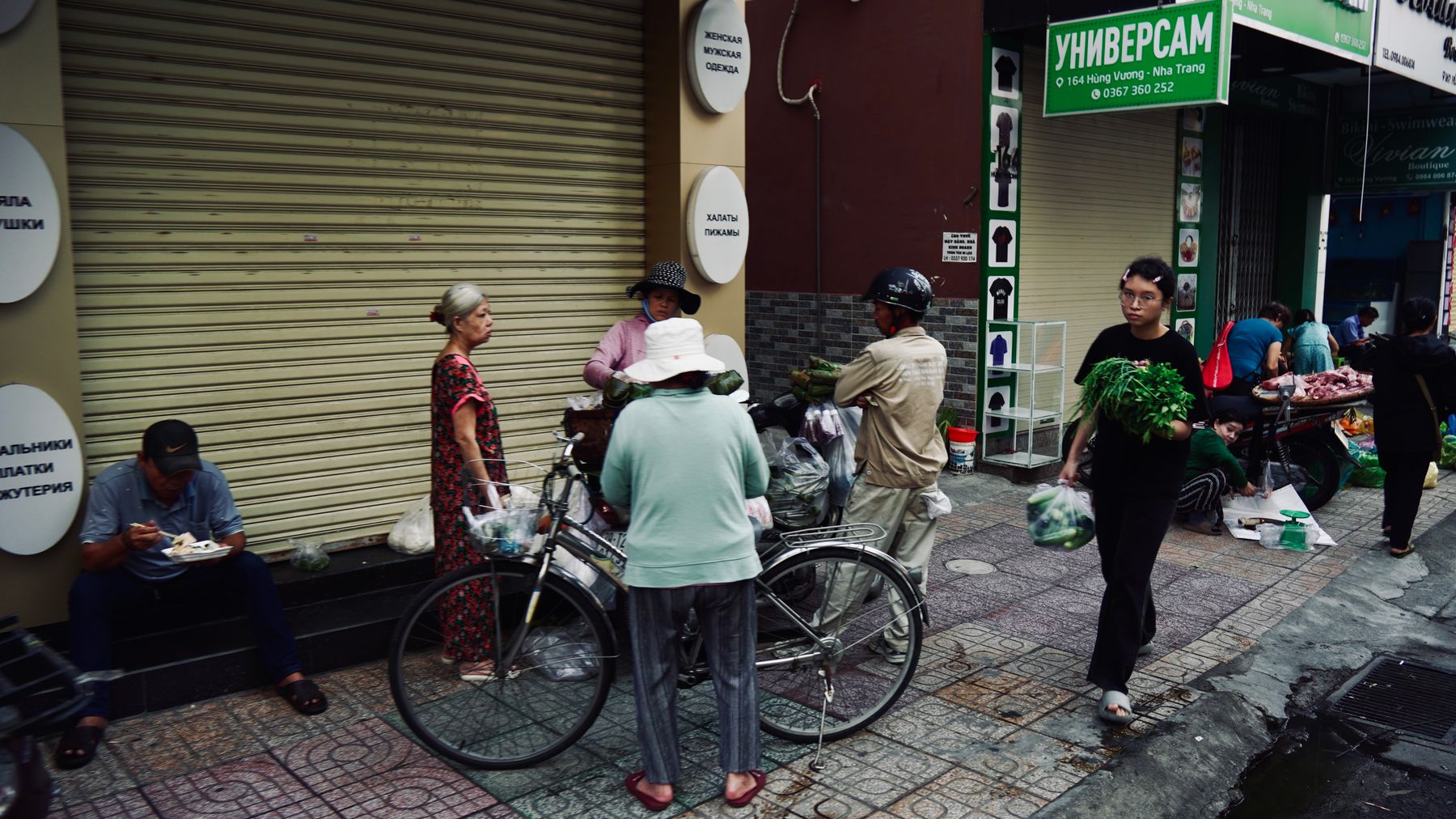
摄影:Tuan Vy,来源:Pexels
位于菜市场内蔬菜区附近。Chung今年六十多岁,在同一个摊位做了20年。她的米饭颗粒感更强——近乎粗粝——用少许猪油翻炒,略带粘性。她用大瓷碗盛装,上面铺一整块烤猪五花肉(thit heo nuong),而不只是猪肩肉。肉质肥嫩软糯。
价格: 55,000 VND(份量是这份列表里最大的)。
最佳时间: 早上6:30–8:30。市场11点前关门。
如何点餐: 走进去找47号摊(找不到可以问其他摊主)。在窗口付款,坐在两张小凳子之一上等候。她基本不会说英语,用手指比划即可。
Trang的摊是一辆摩托车推车,每天早上停在固定位置。这里的米饭最为轻盈——几乎蓬松——蛋白质用的是烤鱼(ca nau)。鱼肉味道清淡鲜甜,没有猪肉那么浓烈。如果你想品尝最纯粹形态的"bun sua",就来这里。
价格: 40,000–50,000 VND,视鱼的大小而定。
最佳时间: 仅早上6:00–9:30。
如何点餐: 说"mot ba ca"(一碗鱼)。她会问你是否要多加汤或少放腌菜。

摄影:Sergey Guk,来源:Pexels
大多数摊主会让你先坐下,再为你备碗。米饭先舀入小金属杯压实,再倒扣到盘子上。烤好的蛋白质摆在上面。虾酱(mam tom)单独放在旁边——少量蘸食,味道相当浓烈。腌菜、新鲜香草(薄荷、香菜)以及一小碗汤(餐后当消化饮品啜饮)一并附上。
如果会说越南语,点餐时可以说"mot ba"(一碗)或"hai ba"(两碗)。不确定选哪种蛋白质,就说"khong biet, ban tieu nhieu thoi"(我不知道,来个最受欢迎的)。摊主们都很欣赏这种态度。
Bun sua是早餐和早午餐食品。芽庄的摊主一般在早上6点至6:30之间开档,最晚11点或正午收摊。如果你在工作日的早上来,想吃一顿没有游客的正宗本地餐,这就是最佳选择。价格是餐厅的一半,份量却相当慷慨。
请携带小面额纸币(10,000或20,000 VND)。大多数摊位不支持刷卡。肠胃敏感的话,可以说"khong mam tom"(不要虾酱)——虾酱是最容易让不习惯的人肠胃不适的食材。水是免费的,摊主会主动为你提供。