它是怎样的存在
Cang va Don Nghia Lo——即 Nghia Lo 的旧驻军与军事哨所——坐落于 Muong Lo 山谷,这是北部高地最大的水稻种植平原之一。该遗址是一处保存完好的法国殖民时期军事大院,在20世纪50年代初越南军队夺取西北地区控制权时曾经历过战火。如今,它已成为一处质朴的遗产遗址:一座重建的瞭望塔、原始的石头地基、信息牌,以及一个在古老鸡蛋花树荫蔽下的小型纪念区。
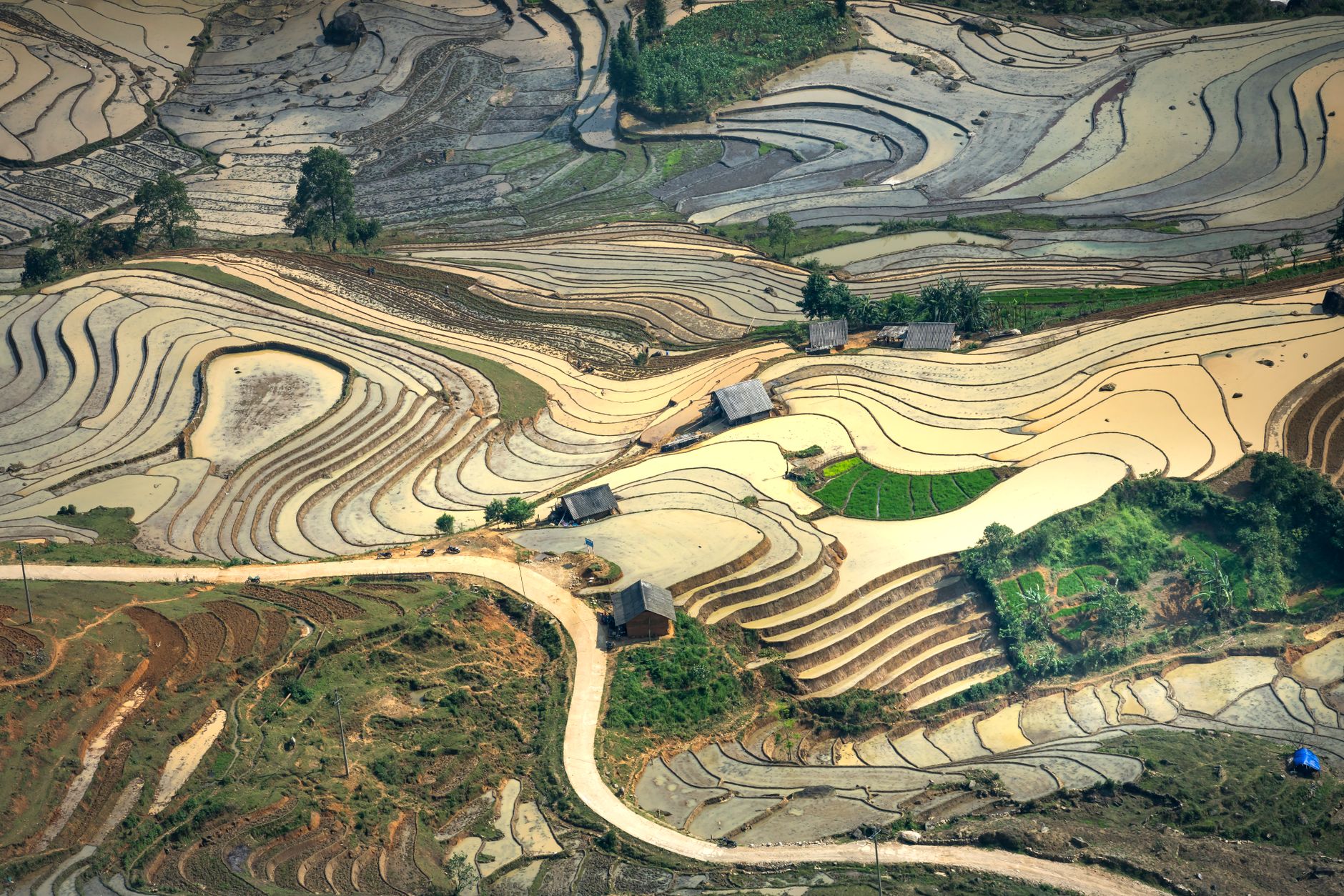
这个大院并不大——30分钟就能逛完——但它是游览 Nghia Lo 镇和更广阔的 Muong Lo 山谷的核心起点。这里是黑泰族(Black Thai)社区的密集聚居地,拥有除 Sapa 之外最美的梯田,并且保留着大型旅游线路尚未触及的慢节奏生活。
为什么旅行者会去
大多数来到 Cang va Don Nghia Lo 的人,都是在 Hanoi 和 Ha Giang 之间进行摩托车环线骑行时路过,或者是走一条较少人涉足的路线:从 Hanoi 经 Nghia Lo 和 Mu Cang Chai 前往 Sapa (사파 / 沙坝 / サパ),而不是走穿过 Lao Cai 市的高速公路。该遗址为这座山谷增添了历史底蕴,适合作为短暂的停留点,而非全天游览的目的地。
真正的吸引力在于这里的环境。Nghia Lo 镇是通往 Muong Lo 山谷的门户——这是西北地区仅次于 Muong Thanh (Dien Bien) 的第二大山谷。周边的村庄里排列着泰族的高脚屋,该地区在节日期间还会举办“xoe”舞蹈表演。如果你对少数民族文化感兴趣,又想避开 Sapa 密集的人流,这里是一个更宁静的替代选择。
最佳游览时间
有两个最佳游览时段:
- 9月至10月初:Nghia Lo 和 Mu Cang Chai 之间的梯田呈现出最美的金黄色。这是摄影师们追逐的著名季节。遗址本身全年都不拥挤,但在丰收季节来访意味着整个山谷都处于最上镜的状态。
- 4月底至5月:绿色季节。稻田里灌满了水并刚刚插上秧苗,形成了如镜面般的倒影。游客比秋季少,清晨也更凉爽。
如果你不喜欢寒冷的浓雾,请避开11月下旬至2月。夜间温度会降至 8-12°C,山谷可能会被大雾笼罩数日。
如何前往
从 Hanoi (하노이 / 河内 / ハノイ) 出发,Nghia Lo 位于西北方向约 180 km 处——经 Son Tay-Phu Tho 路线乘车或大巴约需 4.5 小时。从 My Dinh 车站 (Hanoi) 有开往 Nghia Lo 镇的大巴;单程票价约为 150,000-180,000 VND。
如果你正在进行摩托车环线骑行,Nghia Lo 自然地坐落于 Hanoi–Mu Cang Chai–Sapa 路线上。从 Hanoi 出发,沿 QL32 向西骑行穿过 Thu Cuc 并翻越 Khau Pha 隘口,或者走穿过 Phu Tho 省的更快(但风景较少)的路线。
遗产遗址就位于 Nghia Lo 镇中心,在 Nguyen Thai Hoc 街上。不需要打车——从镇上的任何宾馆步行即可到达。

照片由 Quang Nguyen Vinh 发布于 Pexels
可以做什么
在遗址
沿着外围城墙漫步,阅读历史展板(仅限越南语——请使用谷歌翻译的相机模式),并登上重建的瞭望塔,越过 Nghia Lo 低矮的屋顶眺望稻田。这里有一间陈列着照片和文物的小型展览室。免费入场。
在 Muong Lo 山谷
- 村庄游览:Ban Sai Na 和 Ban Pon 是距离镇中心 3-5 km 范围内的泰族村落。这里有高脚屋,主人会热情提供米酒,底楼还摆放着织布机。建议在天气变热之前的早晨前往。
- Suoi Giang 茶山:距离 Nghia Lo 约 20 km,雾气缭绕的山坡上生长着古茶树(有些树龄超过300年)。你可以直接向这里的泰族家庭购买新鲜茶叶——高品质的“shan tuyet”雪茶价格约为每 500g 100,000-200,000 VND。
- Ban Hao 温泉:位于镇外约 8 km 处的一处天然温泉。当地人清晨会在这里沐浴。设施简陋,无门票。
- 清晨市场:Nghia Lo 的中心市场每天开放,但在早上 7 点前最为热闹。可以找找“xoi ngu sac”(五色糯米饭)、熏水牛肉,以及装在回收水瓶里出售的山区米酒。
餐饮推荐
Nghia Lo 并不是 [pho](/posts/pho-vietnam (베트남 / 越南 / ベトナム)-noodle-soup-guide) 或 banh mi 意义上的美食胜地——这里主打泰族高地烹饪。可以寻找:
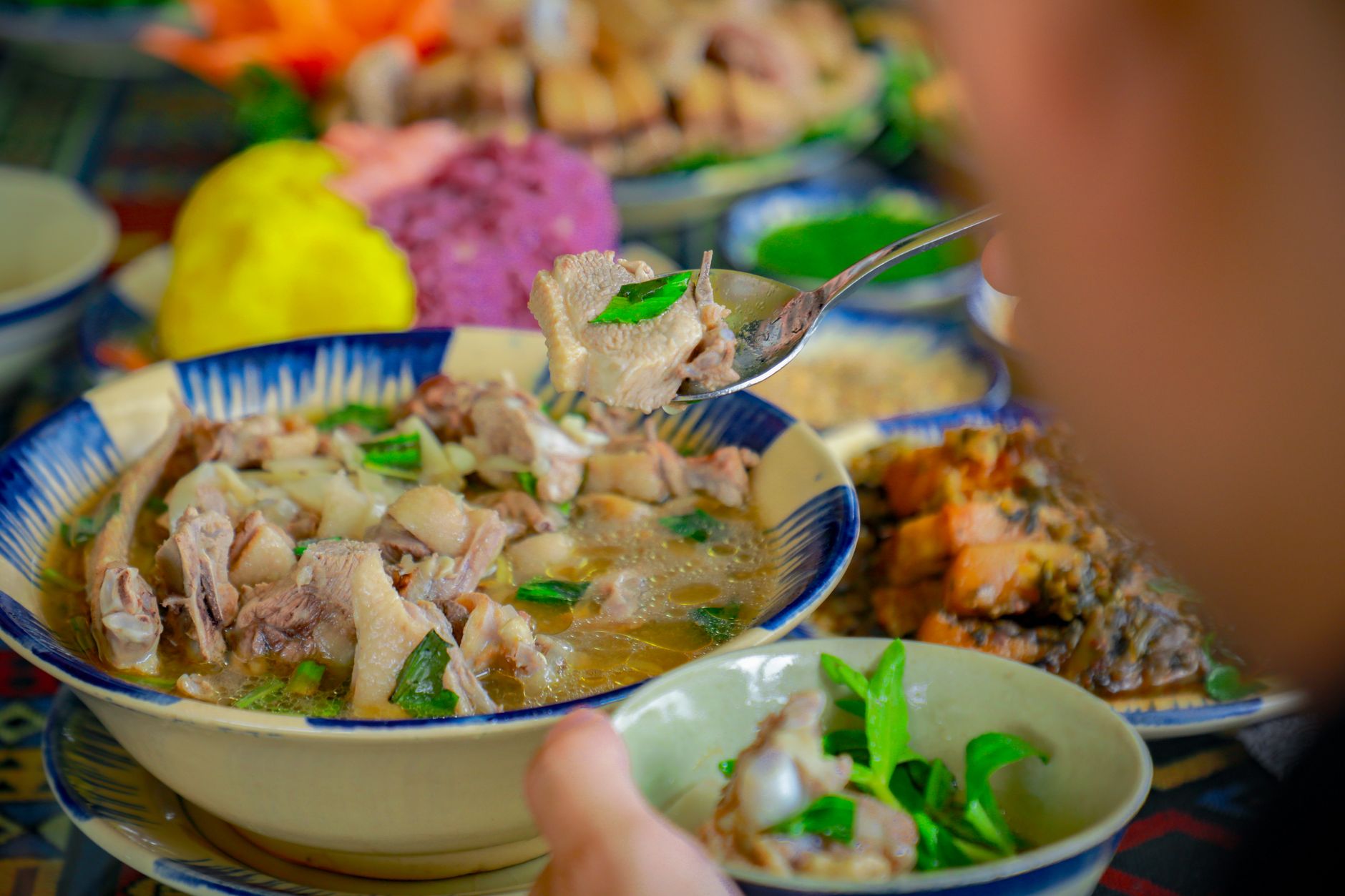
- “Com lam”——在炭火上用竹筒烤制的糯米饭。在市场摊位和路边小店有售,每筒 15,000-20,000 VND。
- 烤溪鱼,用香蕉叶包裹并配以当地香草。通往 Ban Pon 道路上的几家小餐馆都有供应。
- “Thit trau gac bep”——在厨房炉火上方悬挂数周的熏水牛肉。口感有嚼劲,咸香浓郁,通常切成薄片搭配米酒食用。
- Nghia Lo 夜市区域(周末):体育场附近的主干道沿线会摆起一排排小吃摊。供应烤肉、糯米饭和当地的玉米酒。
至于 越南咖啡,在遗产遗址附近的 Nguyen Thai Hoc 街上有几家简易咖啡馆——虽然没什么特别的,但从二楼阳台俯瞰山谷的景色,足以弥补默认供应的炼乳速溶咖啡的不足。
住宿推荐
- 泰族高脚屋民宿:最佳选择。Ban Sai Na 及附近村庄的家庭提供客房出租,价格为 200,000-400,000 VND/晚,含早晚餐。你将睡在木地板的床垫上——足够舒适。
- Nghia Lo 镇宾馆:设施基本但很干净,250,000-500,000 VND。可以留意主干道沿线的 Nha Nghi 标志。热水是标配;空调很少见,而且在一年中的大部分时间里也用不上。
- Muong Lo Resort:唯一的中档住宿选择,距离镇中心约 2 km。价格约 800,000-1,200,000 VND/晚,提供正规客房、游泳池和山谷景观。
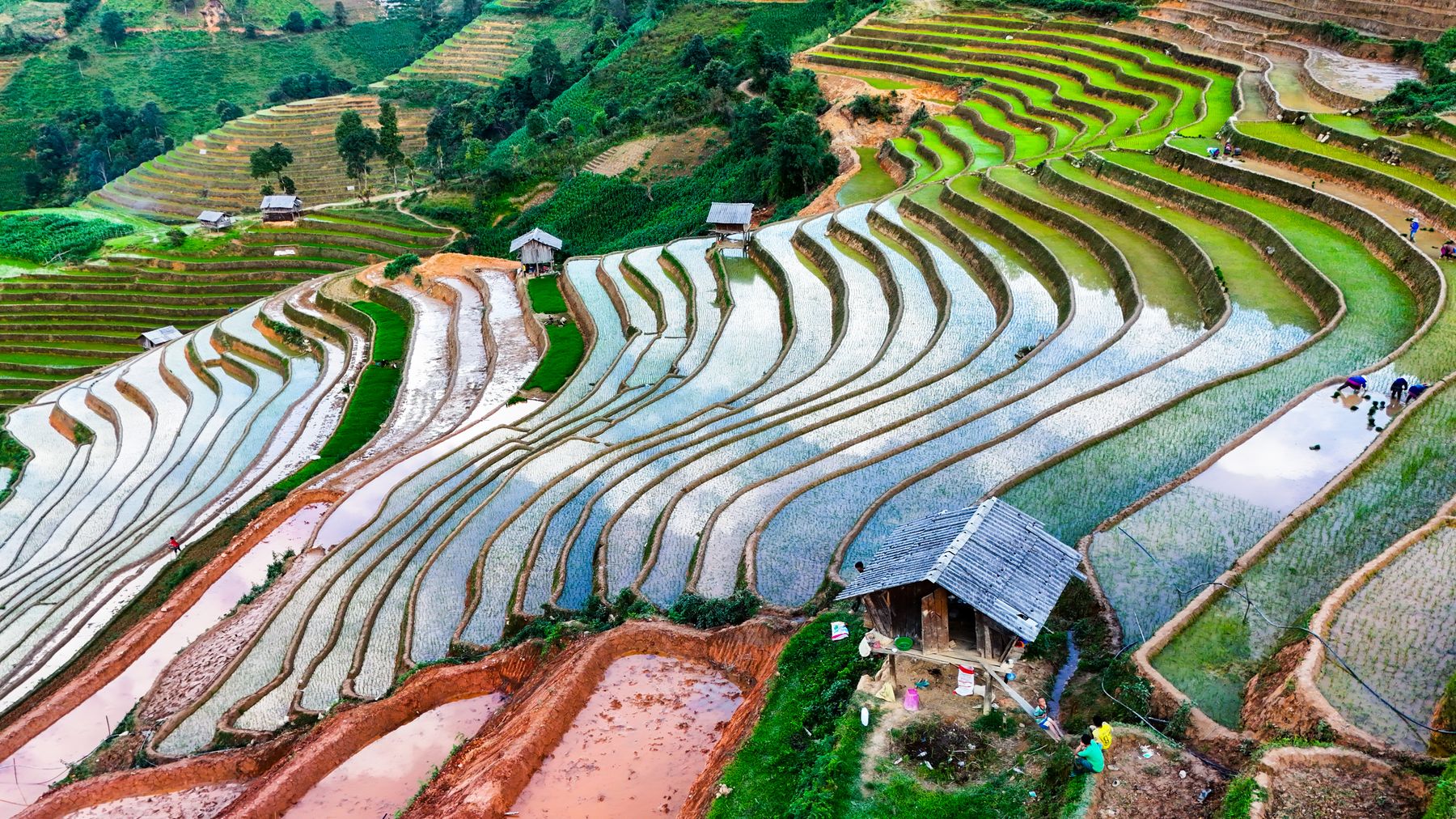
照片由 GIANG VU 发布于 Pexels
实用提示
- 语言:几乎没人说英语。请在抵达前下载谷歌翻译的越南语离线包。
- 仅限现金:没有能稳定接受外国银行卡的自动取款机 (ATM)。请在前往山区前,在 Hanoi 或 Yen Bai 市取款。
- 加油:如果你要继续前往 Mu Cang Chai,请在 Nghia Lo 镇加满油——下一个可靠的加油站位于 60 km 外的山路上。
- 尊重当地习俗:在泰族村落,进入高脚屋前请脱鞋。未经允许,请勿拍摄祭坛。拜访当地家庭时,带上一份小礼物(水果、零食)会很受欢迎。
常见误区
- 匆匆而过:大多数骑行者将 Nghia Lo 视为 Hanoi 和 Mu Cang Chai 之间的加油站。在这里住上一晚——尤其是在民宿里——能让你欣赏到山谷的晨光,体验村庄的生活节奏,而这些是匆匆路过的人完全体会不到的。
- 仅为遗产遗址而来:这只需 30 分钟的游览。请将其规划为半天山谷探索行程的一部分,而不是绕道的唯一理由。
- 跳过 Suoi Giang:古茶山确实非常壮观,且鲜有外国游客造访。从镇上骑行 40 分钟前往是绝对值得的。
实用须知
Cang va Don Nghia Lo 最适合作为更广泛的西北环线的一部分——将其与 Mu Cang Chai 结合,然后继续前往 Sapa,或者经 Than Uyen 绕回。在山谷住一晚就足够了;如果你想从容地探索 Suoi Giang 和温泉,则可以住两晚。遗址本身并不大,但周围的 Muong Lo 山谷才是真正的收获。
最后更新 · May 26, 2026 · 独立调研,无任何赞助。