你究竟吃的是什么
“Cha gio(짜조 / 炸春卷 / チャーゾー)”是越南无处不在的炸春卷在南方的叫法。在北方,你会听到它被称为“nem ran”。它的做法很简单:将调好味的馅料紧紧包裹起来,然后下锅油炸,直到咬下去时外皮酥脆掉渣。在全国各地的街头小车、正规餐厅和家庭餐桌上,你都能找到 Cha gio 的身影——通常趁热上桌,配上一小碟“nuoc mam”蘸酱和一盘香草。
这道菜可以分为三个部分:春卷皮、馅料和蘸酱。每一部分都会因地区、摊贩和家庭配方的不同而有所变化。
春卷皮:米纸 vs. 粉丝网皮
占据主导地位的春卷皮有两种:
Banh trang(米纸)是标准配置。它很薄,生的时候呈半透明状,炸后会变成光滑金黄的外壳。在北方,摊贩们称之为“banh da nem”。你在街上遇到的大多数 Cha gio 用的都是这种皮——它更便宜,更容易操作,而且炸出来的效果很稳定。
Banh re(粉丝网皮)则是口感上的升级。这种皮由细米粉编织成网状。油炸后,它会膨胀成蕾丝般极其酥脆的外壳,咬下去会发出清脆的咔嚓声。如果选用 banh re,每个春卷你需要多付 5,000-10,000 VND,而使用这种皮的摊贩通常会在招牌上标明。为了体验这种口感上的反差,绝对值得一试。
馅料:以猪肉为底,变化无穷
标准的 Cha gio 馅料以猪肉碎为基础,然后加入:
- 木耳(“nam meo”):有嚼劲,味道温和,增加口感
- 粉丝(“mien dong”):吸收汁水,增加馅料的饱满度
- 凉薯(“cu san”):带有淡淡的甜味,炸后依然保持爽脆
- 红萝卜(“cu cai do”):带有一丝辛辣,增加视觉对比
- 鸡蛋:将所有食材粘合在一起
调味料:盐、糖、黑胡椒、红葱头碎和大蒜。比例因厨师而异,但整体风味始终保持在咸、甜、香的区间。
海鲜升级版:沿海摊贩和高档餐厅会加入蟹肉或虾肉。在海滨城市——Nha Trang(냐짱 / 芽庄 / ニャチャン)、Da Nang、Vung Tau——可以找找“cha gio cua”(蟹肉春卷)。价格预计为每个 15,000-25,000 VND,而不是标准的 8,000-12,000 VND。
素食 Cha gio(“cha gio chay”)将猪肉替换为豆腐、炸腐竹,有时还会加入香蕉以增加甜味。蘑菇、凉薯和粉丝则保留不变。你可以在佛教素食餐厅(“quan chay”)找到它们,或者在农历初一和十五,许多越南人吃素的日子里也能买到。

图片由 Daiju Azuma 提供,来自 Wikimedia Commons (CC BY-SA)
如何点单与食用
Cha gio 通常一份有 3-5 个。在街边摊,你可以指着春卷说出数量:“Ba cai”(三个)。在餐厅里,菜单上通常会写着 “Cha gio 5 cai”(5 个装春卷)。
春卷上桌时非常烫——请等 30 秒再吃,否则会烫伤舌头。蘸料选择:
- Nuoc mam chua ngot:酸甜鱼露,默认蘸酱。比例各不相同,但基本包含鱼露、青柠汁、糖、水、蒜末和辣椒片。有些摊贩还会加入胡萝卜丝和木瓜丝。
- Tuong ot:较浓稠的辣椒酱,比鱼露更甜,腥味较淡。在南方很常见。
- Tuong xi muoi:酸梅酱,粘稠且酸甜。不太常见,但会出现在北方的摊位上。
拿一片生菜叶,放上香草(如果有薄荷、香菜、紫苏的话),把春卷放在里面,包起来,蘸酱,咬一口。或者直接蘸着吃——没人会对你指指点点。
你会在哪里遇到 Cha Gio
作为开胃菜:正规餐厅通常会把 Cha gio 作为前菜供应,一盘 5 个,价格通常在 40,000-80,000 VND 之间。
在“bun cha gio”中:一碗冷米粉,上面铺着炸春卷、香草、腌菜、花生和鱼露。这是常见的午餐菜品,价格为 35,000-50,000 VND。你需要把春卷弄碎拌在碗里吃。
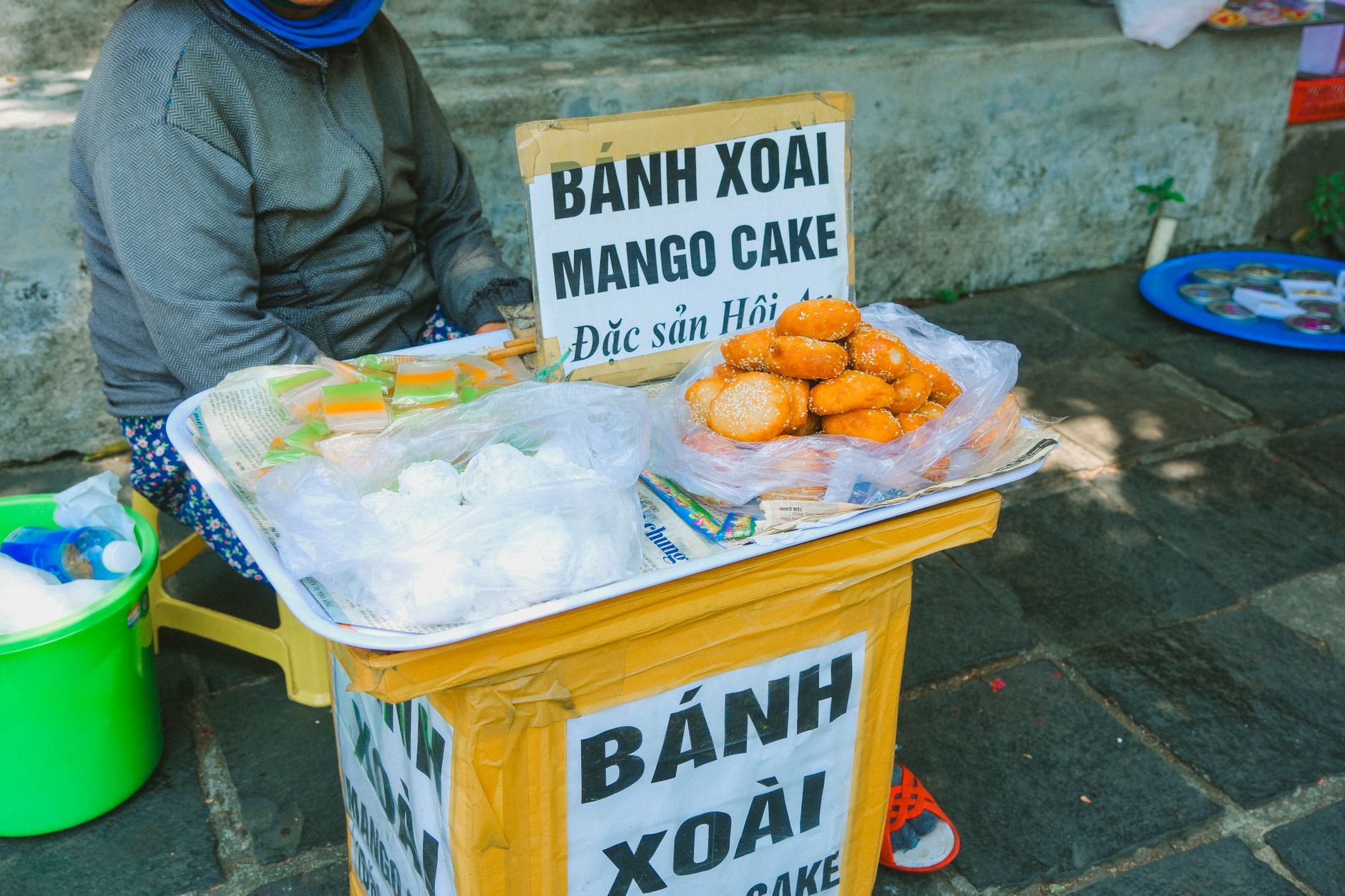
街头小吃:傍晚时分,摊贩们会在市场、公园和繁忙的十字路口附近摆摊。每个春卷 8,000-15,000 VND,用纸包着,站着吃。
在家里:制作 Cha gio 非常费时费力(包 30 个春卷需要 45 分钟),所以通常只在家庭聚会、“Tet”(春节)和特殊场合才会做。如果一位越南朋友邀请你去家里吃饭并端上了 Cha gio,那说明他们真的花了不少心思。

图片由 Phương Huy (thảo luận) 提供,来自 Wikimedia Commons (CC BY-SA)
南北差异
北方人偏爱更小、包得更紧的春卷,并且喜欢用 banh trang。馅料偏向于猪肉和蘑菇,较少使用海鲜。蘸酱里的糖分也较少。
南方人做的春卷更大,更常使用 banh re,并且会加入蟹肉或虾肉。蘸酱更甜,有时还会混入菠萝汁。
越南(베트남 / 越南 / ベトナム)中部(Hue、Da Nang)则介于两者之间——春卷大小适中,海鲜可加可不加,蘸酱口味均衡。
实用建议
- 好的摊贩总是现点现炸 Cha gio。如果你看到一堆春卷放在保温灯下,直接走开。
- 馅料应该是热腾腾但不油腻的。如果盘子里积了一层油,说明油炸温度太低了。
- 素食版非常普遍,绝不是敷衍之作。在城市里你很容易就能找到。
- 冷冻与加热:吃剩的 Cha gio 会变软。可以在烤箱或空气炸锅中以 180°C 加热 8-10 分钟。用微波炉加热会让春卷皮变得像橡胶一样难嚼。
Cha gio 是游客们最先尝试的菜品之一,也是他们离开后最念念不忘的美味之一。它并不奢华,但如果炸得恰到好处——外皮酥脆掉渣,馅料咸甜适口,鱼露酸甜平衡——你绝对吃三个就停不下来。
最后更新 · May 29, 2026 · 独立调研,无任何赞助。