— ENDE —
Zuletzt aktualisiert · May 30, 2026 · unabhängig recherchiert, nie gesponsert.
We use minimal analytics + ads (no personal tracking). See our privacy policy.
Winter in the north is damp, grey, and surprisingly chilly. Forget the tropical gear and pack for layering to survive the humidity.

Weitere Artikel zu dieser Stadt.

Thousands of foreigners teach English or freelance in Vietnam on tourist visas. Here is what Vietnamese law actually says, when it gets enforced, and how to do it properly.
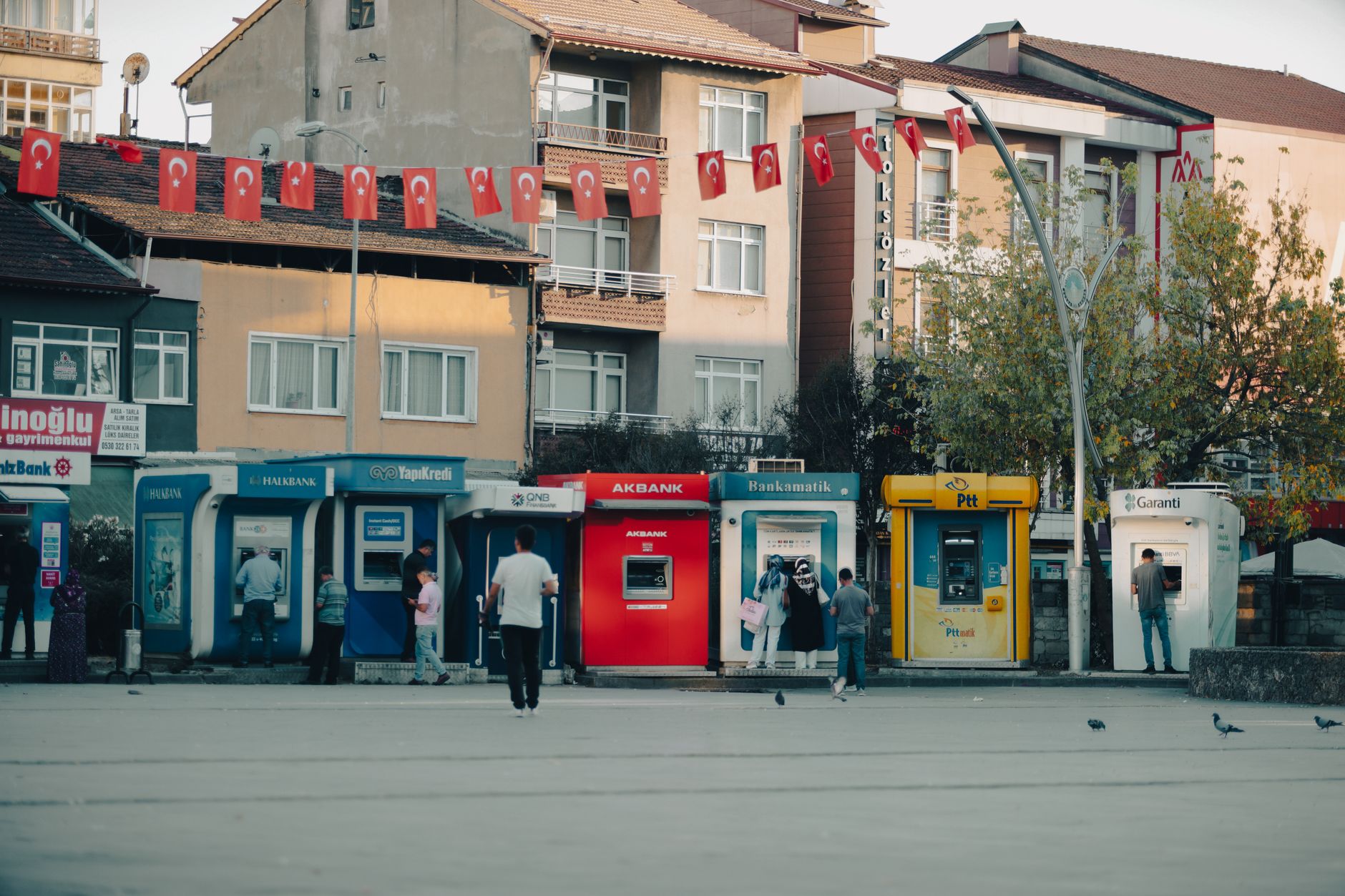
…
Hotels, homestays, hostels — strongest inventory in Vietnam.
The Wise debit card works well in Vietnam if you know the fee structure. Here's how to use it at ATMs and merchants without losing money on bad rates.

Yen Tu in Quang Ninh province is Vietnam's most significant Buddhist pilgrimage site — a forested mountain where a 13th-century king renounced his throne and founded a homegrown school of Zen.
Weitere Artikel in dieser Region.
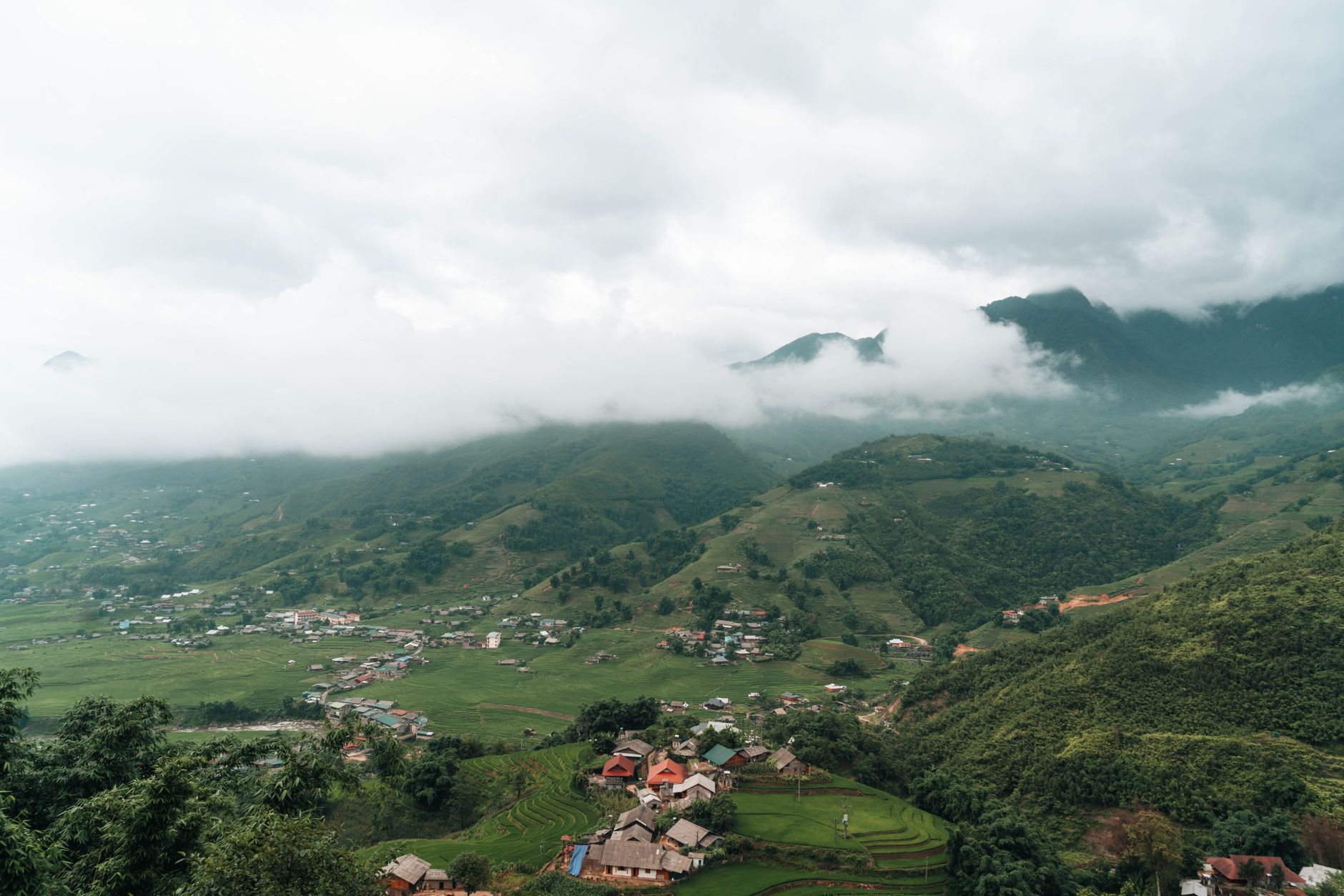
Y Ty is a Ha Nhi ethnic commune in Lao Cai province where sea-of-cloud mornings run from September to March — and almost nobody shows up compared to Sa Pa.

Y Ty's sea of fog is not a rumor — but it only appears reliably for a few weeks a year. Here's when to go, where to stand, and how to sleep close enough to catch it.
Skip the crowds of Sapa for Y Ty, a remote highland outpost in Lao Cai where clouds settle in the valleys and ancient mud-walled houses dot the terraced hills.
More articles from the same category.

The Wise debit card works well in Vietnam if you set it up right. Here's how to avoid fees, use the VND balance, and when it beats alternatives.
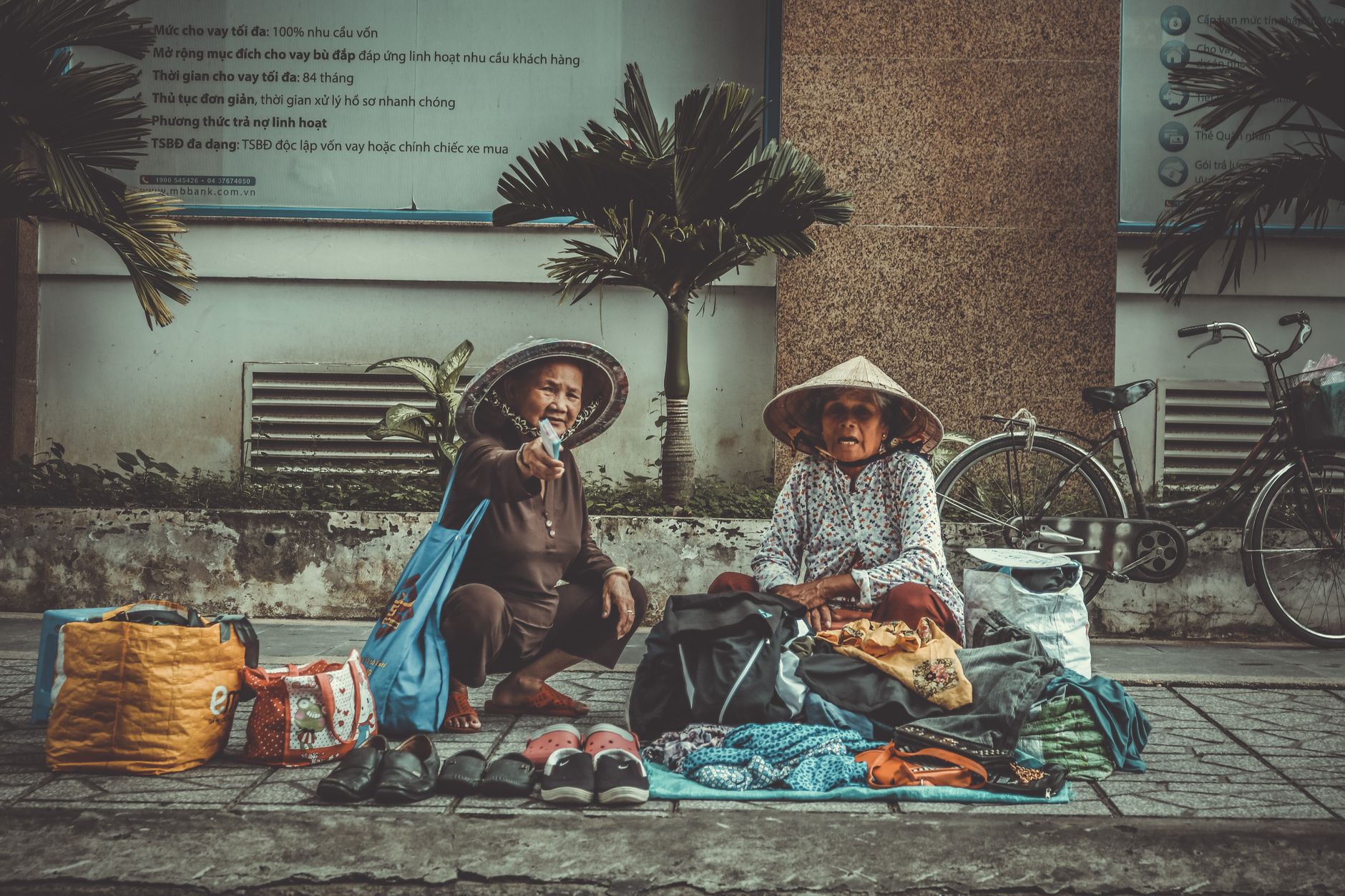
Forget the heavy gear. Packing for the Mekong Delta is about managing humidity, protecting your skin, and staying mobile on the water.
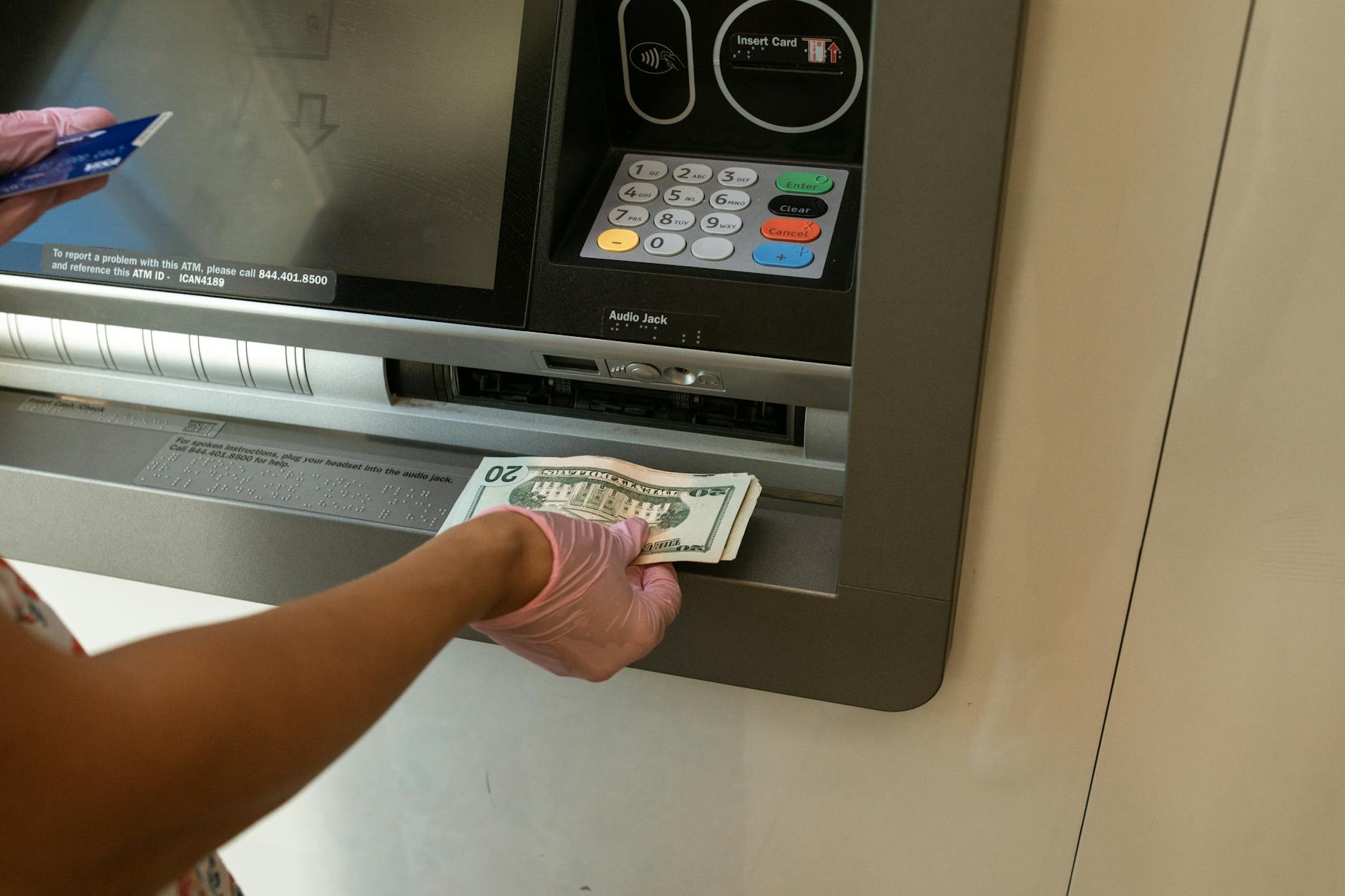
Vietnam runs on dong, but there are real situations where USD cash matters. Here is where you can actually pull USD from an ATM or bank counter.

Wise works for sending VND to Vietnamese banks, but the process has quirks. Here's what fees to expect, which banks receive fastest, and why transfers get rejected.
Fees, speeds, and bank coverage compared for the three most-used international transfer services into Vietnam — so you pick the right one before you send.
Forget the resort-brochure packing lists. Here is the gear you actually need for Vietnam's coast, from the sands of Da Nang to the islands of Phu Quoc.
Many travelers arrive in Hanoi or Sapa expecting a mild, breezy winter. They are often caught off guard by the 'damp cold'—a persistent, bone-chilling humidity that settles into the stone floors and brick walls of older buildings. From December through February, temperatures in Hanoi can hover between 10C and 18C, while the mountains in Ha Giang or Sapa can dip near freezing. Because central heating is virtually non-existent, you need to pack for the environment, not just the thermometer.
The golden rule here is layers. You will likely be moving between chilly outdoor markets and cafes that feel like iceboxes.
Leave the open-toed sandals at home. The streets are often wet, and the sidewalks in cities like Hanoi are uneven and frequently splashed with grey puddle water. Bring a pair of waterproof walking shoes or boots with good grip. If you are heading to the mountains, ensure your footwear has decent tread, as the paths around Sapa or the karst landscapes of Ninh Binh (닌빈 / 宁平 / ニンビン) can become slippery mud tracks after a light rain.

Photo by Nguyen Ngoc Tien on Pexels
Because the cold here is penetrating, your extremities will feel it first. A lightweight scarf is a lifesaver, especially when riding on the back of a motorbike or walking across the Long Bien Bridge in the evening. A beanie is also useful, particularly if you plan on visiting the higher elevations of the northern highlands. Many locals wear thin, disposable-style masks while riding; these are surprisingly effective at keeping the cold wind off your face and are easy to buy at any pharmacy for a few thousand VND.
Do not overpack heavy sweaters. They are bulky, difficult to dry in the humid air, and you will likely end up buying a cheap, effective fleece or a windbreaker at a local market if you find yourself under-prepared. Also, skip the heavy umbrellas. They are cumbersome in crowded markets like Dong Xuan Market. Instead, buy a cheap, sturdy plastic poncho from a street vendor for 20,000 VND when the drizzle starts—it covers you and your backpack, and you can discard it when you move on.
Photo by Nguyen Ngoc Tien on Pexels
If you are traveling through multiple regions, remember that the south remains hot. If you are heading to Saigon or Phu Quoc (푸꾸옥 / 富国岛 / フーコック) after your northern stint, you will want a way to store your winter gear. Most hostels and hotels in Hanoi offer luggage storage for a small fee or for free if you are returning to stay with them. Don't lug your heavy winter coat to the beach; it will just take up space and get moldy in the tropical humidity.
In the winter months, clothes take a long time to dry. If you are doing your own laundry, it might take two days for a pair of jeans to lose their dampness. Most hotels offer same-day laundry service for a reasonable price—usually around 30,000 to 50,000 VND per kilogram. It is worth the investment to ensure you aren't putting on cold, damp socks in the morning.
Pack a small, quick-dry towel and a portable power bank, as cold weather drains phone batteries significantly faster. If you find yourself truly freezing, head to a local cafe for a "vietnamese coffee" or a hot "lotus tea"—the heat of the drink and the warmth of the small plastic stools will do more for your morale than any extra sweater.