— समाप्त —
अंतिम अपडेट · May 27, 2026 · स्वतंत्र शोध, कभी प्रायोजित नहीं।
We use minimal analytics + ads (no personal tracking). See our privacy policy.
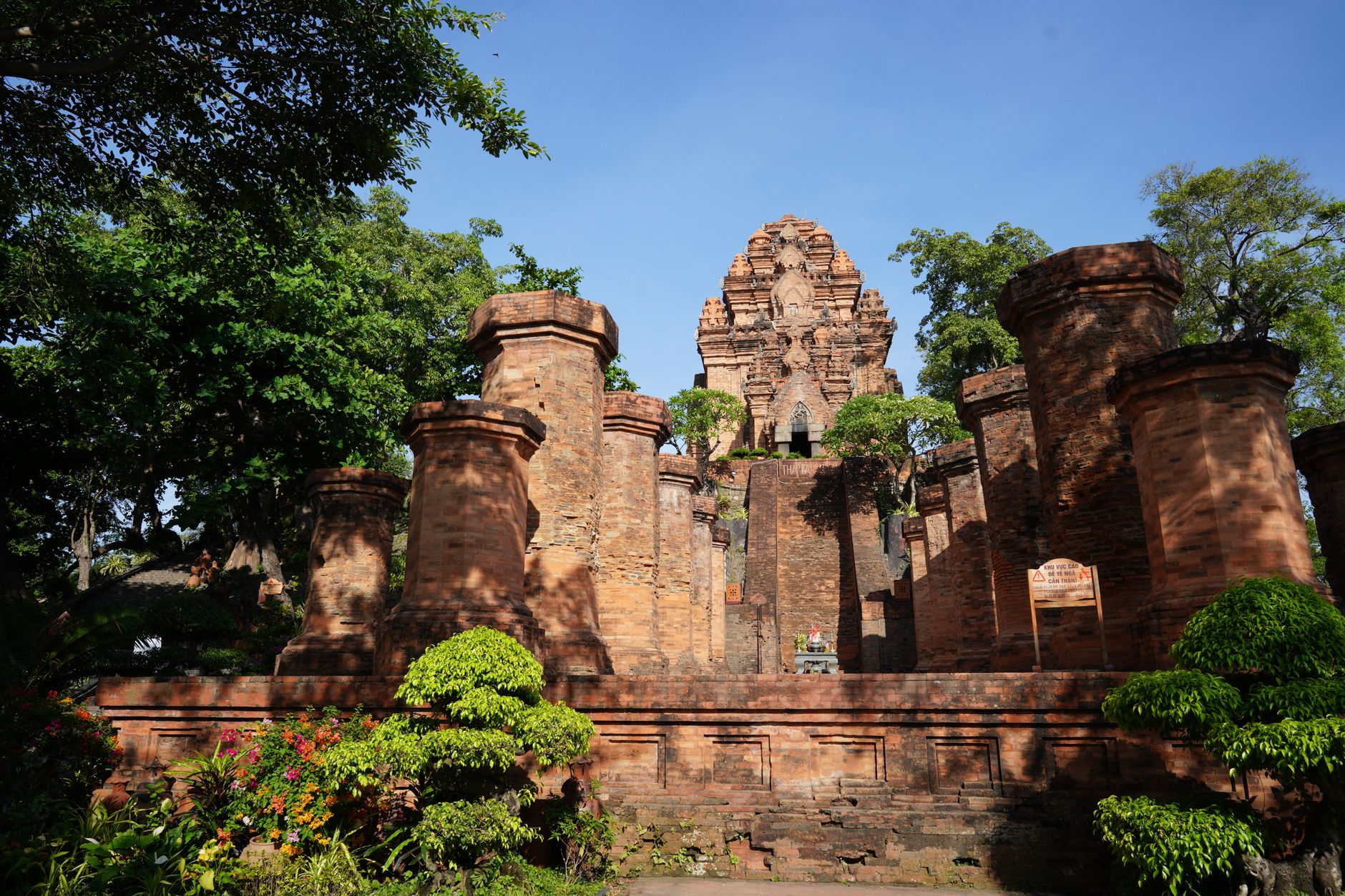
Most visitors to Quy Nhon skip its Cham ruins entirely. That's a mistake — Banh It and Duong Long are two of the least-crowded, most architecturally interesting tower complexes in central Vietnam.
अंतिम अपडेट · May 27, 2026 · स्वतंत्र शोध, कभी प्रायोजित नहीं।
इस शहर के अन्य लेख।

A slow, coastal-only itinerary hitting Ha Long, Quy Nhon, Nha Trang, Mui Ne, and Con Dao — with actual rest days built in so you're not just ticking boxes.

…
Hotels, homestays, hostels — strongest inventory in Vietnam.
Bai Mon is a crescent of white sand tucked beneath the Mui Dien lighthouse in Phu Yen — one of the quietest beaches on the central coast, if you show up early enough.

A three-week route built around eating the canonical version of each regional dish — from Nam Dinh pho to Can Tho bun mam — with zero filler days.
इस क्षेत्र के अन्य लेख।

Forget everything you know about standard noodle soup. In the Central Highlands city of Pleiku, the local obsession is 'pho kho', a two-bowl ritual that defines the region's breakfast culture.

Da Lat has quietly become Vietnam's most liveable remote-work base — cool air, cheap rent, and more cafes than you can reasonably test in a month.

Hoi An is slow, cheap, and surprisingly well-connected. Here is what a working month actually looks like — costs, internet, and where to sit with a laptop.
More articles from the same category.
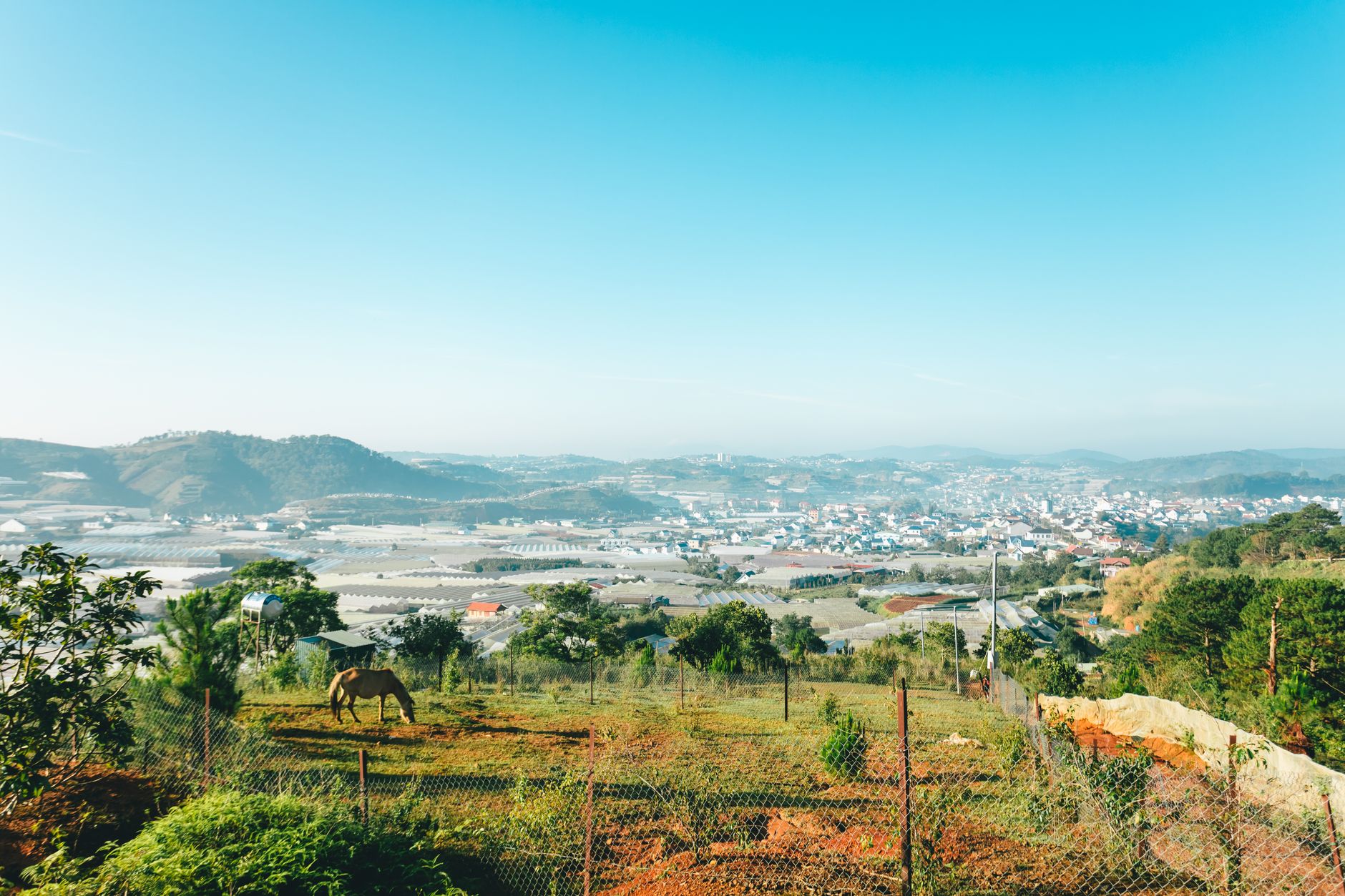
Yok Don is Vietnam's biggest national park and one of its least-visited. Here's what actually lives inside — and how to do it properly.
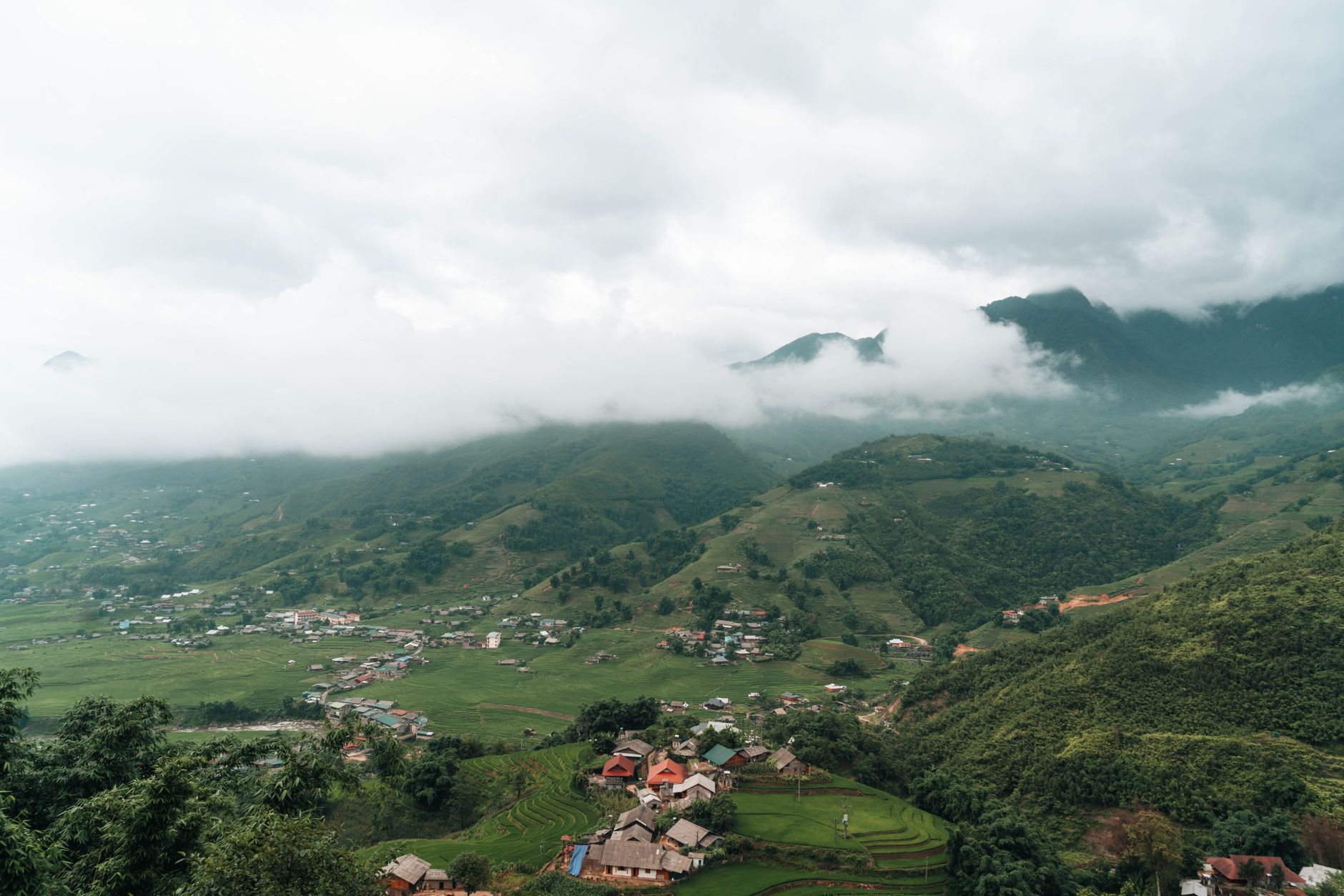
Y Ty is a Ha Nhi ethnic commune in Lao Cai province where sea-of-cloud mornings run from September to March — and almost nobody shows up compared to Sa Pa.

Y Ty's sea of fog is not a rumor — but it only appears reliably for a few weeks a year. Here's when to go, where to stand, and how to sleep close enough to catch it.

Yen Tu in Quang Ninh province is Vietnam's most significant Buddhist pilgrimage site — a forested mountain where a 13th-century king renounced his throne and founded a homegrown school of Zen.
Skip the crowds of Sapa for Y Ty, a remote highland outpost in Lao Cai where clouds settle in the valleys and ancient mud-walled houses dot the terraced hills.

Skip the mega-resort bubble and head south to the An Thoi archipelago. This independent day-trip route covers speedboat logistics, quiet snorkeling spots, and local seafood.
Most visitors to Quy Nhon come for the beach and leave without knowing the city sits inside what was once the heartland of the Champa kingdom. Two Cham tower complexes — Banh It and Duong Long — sit within 30 km of the city center, see a fraction of the visitors that My Son gets, and in some respects are more rewarding precisely because of that.
Quy Nhon doesn't market itself as a heritage destination. It markets itself as a beach town, and a low-key one at that. The tourist infrastructure around the Cham sites is minimal — no shuttle buses, no English-language audio guides, no café at the entrance. That keeps casual visitors away, which is mostly a good thing if you're willing to arrive with a bit of preparation.
My Son, two hours north near Hoi An, has the name recognition and the UNESCO badge. But My Son was heavily bombed during the American War and many of its towers are partial ruins. Banh It and Duong Long are smaller complexes, but they're structurally intact in ways My Son often isn't, and the setting — one on a hilltop, one in a valley surrounded by sugar cane fields — gives each a different character.
Banh It sits about 20 km north of Quy Nhon, just off National Highway 1A near the town of Phu My. The name translates loosely to "little cake" — a reference to the shape of the towers as seen from the road, which do look a bit like the sticky rice cakes called "banh it" sold throughout Binh Dinh province.
The complex sits on a low hill above rice paddies and you'll climb a short, steep path to reach the main towers. There are four structures in varying states of preservation, the tallest being the main kalan (sanctuary tower), which rises around 22 meters. The brickwork is the thing to pay attention to: Cham builders used a technique that still puzzles researchers — the bricks are bonded so tightly that mortar joints are nearly invisible, and the surface was then carved in place rather than assembled from pre-carved pieces. The foliate reliefs around the doorframes and the kala faces above the lintels are intact enough here to give you a real sense of how decorative these towers originally were.
Entrance fee is around 20,000–30,000 VND. There's a caretaker on site most mornings. Weekdays before 9 a.m., you'll likely have the entire hill to yourself.
Photo by E.OHIPHOTO on Pexels
Duong Long is the one that tends to stop people cold when they first see it. Located about 50 km northwest of Quy Nhon near the town of An Nhon — roughly a 40-minute ride on Highway 19 — it's the tallest Cham tower complex surviving in Vietnam (베트남 / 越南 / ベトナム). The central tower clears 39 meters, and the stone carvings covering the upper sections are dense and remarkably preserved: elephants, serpents, devatas, and flame motifs stacked in registers that get more elaborate as they climb.
The complex is also called "Thap Duong Long" locally and sits in a flat agricultural plain, which makes its height feel even more dramatic. There's no hill to frame it — the towers simply rise out of the fields. Three towers stand in a north-south line, with the central one dwarfing the flanking structures. The sandstone decorative elements here are noticeably more refined than at Banh It, suggesting Duong Long was built or renovated at a later period when Cham artisans were working in a more elaborate style.
The site is managed by the Binh Dinh provincial heritage authority. Admission is similar to Banh It — around 20,000–30,000 VND — and there's a small display near the entrance with some historical context in Vietnamese and basic English.
The most practical approach from Quy Nhon is to rent a motorbike and combine both sites in a single day. The route works well in either direction, but starting with Banh It (Highway 1A north from the city) and looping back via Duong Long (returning on Highway 19 east) covers both without significant backtracking. Total riding distance for the loop is around 110 km.
Alternatively, xe om (motorbike taxi) drivers in Quy Nhon know both sites and will negotiate a half-day rate — expect to pay 250,000–350,000 VND depending on your bargaining and the driver. Grab doesn't reliably reach the towers from Quy Nhon, so book a driver directly through your guesthouse or hotel.
There's no useful public bus connection to either site.

Photo by 🇻🇳🇻🇳Nguyễn Tiến Thịnh 🇻🇳🇻🇳 on Pexels
Binh Dinh province has its own Cham-influenced food culture worth paying attention to. "Banh trang nuong" (grilled rice paper) from roadside stalls along Highway 19 is good and costs almost nothing — 5,000–10,000 VND per sheet. If you're passing through An Nhon on the way back from Duong Long, look for "bun cha ca" (fish cake noodle soup) at the market stalls near the town center, a regional variant that's distinctly different from the Hanoi version of bun cha.
For lunch, the small town of Phu My near Banh It has a few com binh dan (everyday rice) spots on the main road serving set plates of grilled pork, pickled vegetables, and soup for around 40,000–50,000 VND.
Both sites are manageable year-round but avoid the November–December wet season if possible, as the roads to Duong Long can flood briefly after heavy rain. Morning visits are better at both locations — the towers face east and the light is flat and harsh by midday. Bring water; there's nothing for sale at either entrance.