Day 1-3: Da Nang — Coastal Pace
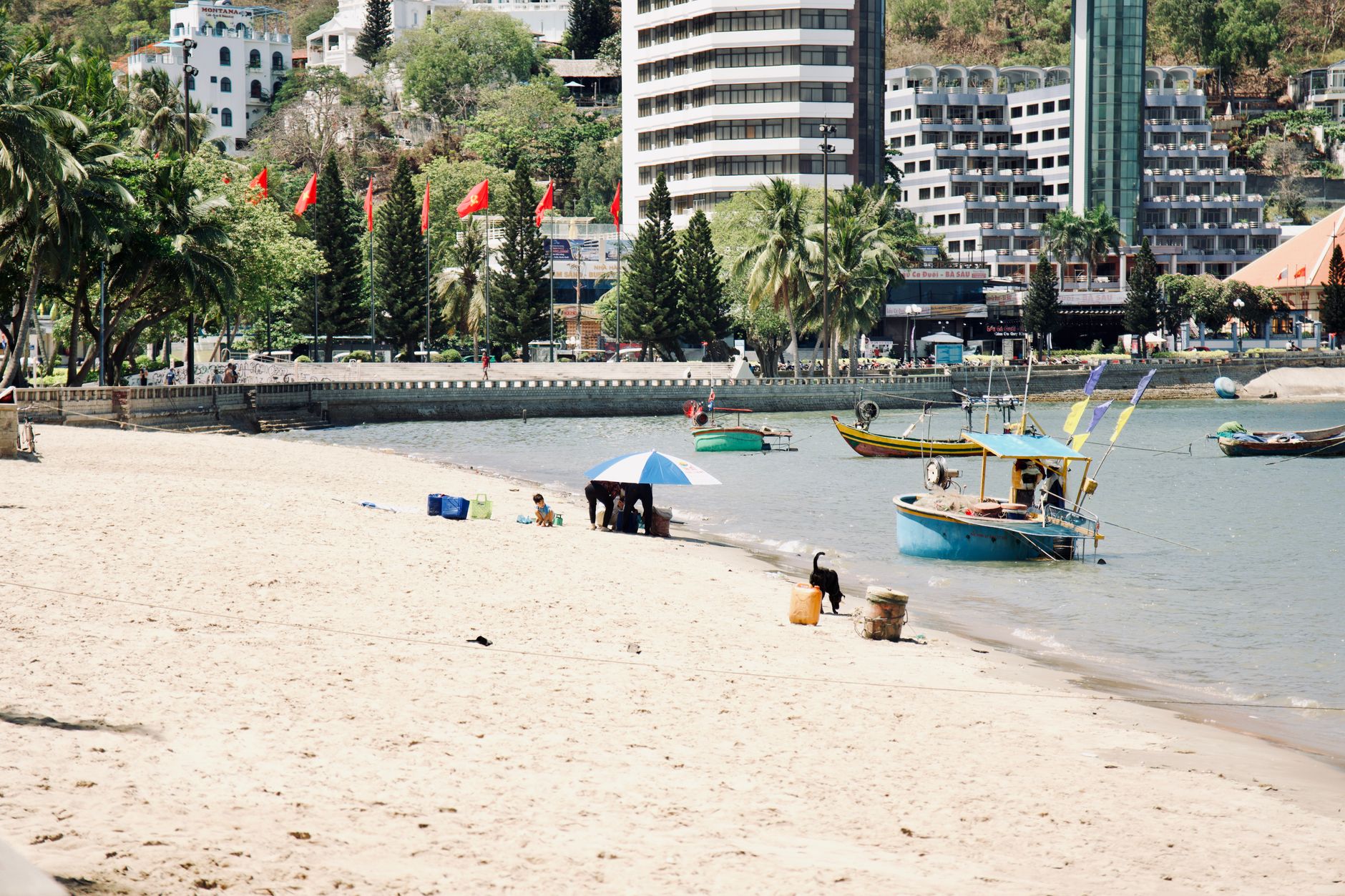
Most travelers treat Da Nang as a transit hub, but it is the best place to find your footing. Start your mornings at a local cafe with a "ca phe sua da" (iced coffee with condensed milk) while watching the city wake up along the Han River. Spend your first afternoon at the beach—My Khe is the most accessible, but head north toward Son Tra Peninsula for quieter stretches of sand.
For food, skip the hotel breakfast. Hunt down a bowl of "mi quang" (turmeric-infused noodles with pork, shrimp, and quail eggs) at a local stall. In the evening, walk the bridges. The Dragon Bridge is the obvious landmark, but the nearby riverside cafes offer a better view of the city lights without the crowds. Budget about 30,000 to 50,000 VND for a solid street-side meal.
Day 4-5: The Road to Hoi An
It is only 30km from Da Nang (다낭 / 岘港 / ダナン) to Hoi An. Skip the expensive private cars and grab a local bus or a taxi (roughly 300,000 VND). Once you arrive, the shift in pace is immediate. The Ancient Town is a UNESCO site, but the real magic happens in the early morning before the tour buses arrive from the coast.
Spend these days wandering the narrow alleys. Visit the Japanese Covered Bridge and the old merchant houses. For dinner, you have to try "cao lau"—a noodle dish unique to this town, characterized by its thick, chewy noodles and pork broth. If you want a break from the heat, take a short bicycle ride to the nearby rice paddies or An Bang beach.

Photo by Kirandeep Singh Walia on Pexels
Day 6: Into the Valley at My Son
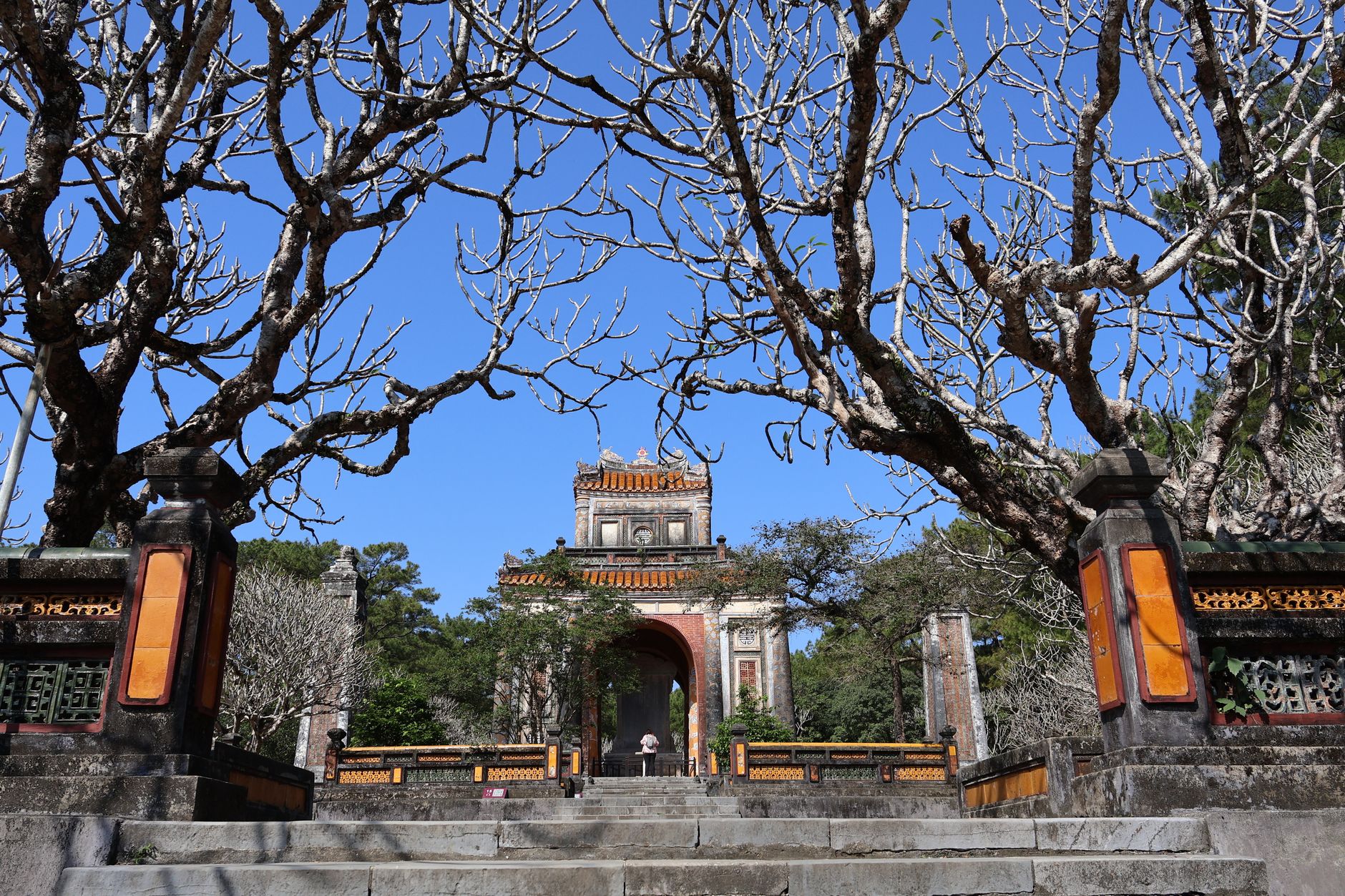
My Son is roughly 40km from Hoi An (호이안 / 会安 / ホイアン), tucked into a lush valley. Hire a driver for the day (expect to pay around 600,000 to 800,000 VND) so you can leave by 7:00 AM. Arriving early is non-negotiable; by 10:00 AM, the heat and the crowds make the "My Son" sanctuary difficult to appreciate. These 4th-century brick structures are a testament to the Champa Kingdom. Spend three hours walking the paths, then head back to Hoi An for a late lunch of "banh mi" at one of the famous local shops.
Day 7-8: Deepening the Hoi An Experience
Use these days to get off the main tourist drag. Take a cooking class that includes a market tour, or visit a local tailor to see how the "ao dai" is constructed. In the evenings, grab a "lotus tea" and sit by the Thu Bon River. If you are here during the full moon, the town turns off its electric lights and relies on paper lanterns, which is a quiet, meditative experience compared to the usual bustle.
Photo by Kirandeep Singh Walia on Pexels
Day 9: Return to Da Nang
Head back to Da Nang for your final stretch. This is the time to visit the "Marble Mountains" (Ngu Hanh Son). It is a cluster of limestone hills with caves and pagodas tucked inside. It is a bit of a climb, but the view over the coastline is worth the sweat. For your final dinner, find a place serving "banh xeo" (savory crispy pancakes) and "goi cuon" (fresh spring rolls). It is the perfect way to wrap up the trip.
Day 10: Departure
Use your final morning to visit the local markets. If you are in Da Nang, the Han Market is a sensory overload of dried goods and local snacks. Grab a final Vietnamese coffee, pick up some local coffee beans to take home, and head to the airport.
Practical notes
Transport between these cities is straightforward; Grab is widely available and reliable for short hops. Always carry a bit of cash, as many of the best street food stalls do not accept cards. Remember that the weather in Central Vietnam can be unpredictable, so pack a light rain shell regardless of the season.
Ultimo aggiornamento · May 30, 2026 · ricerca indipendente, mai sponsorizzata.