What makes Mi Quang different
"Mi Quang (미꽝 / 广南面 / ミークアン)" is a rice noodle dish from Quang Nam province in Central Vietnam (the region now includes Da Nang). The name translates literally to "Quang noodles."
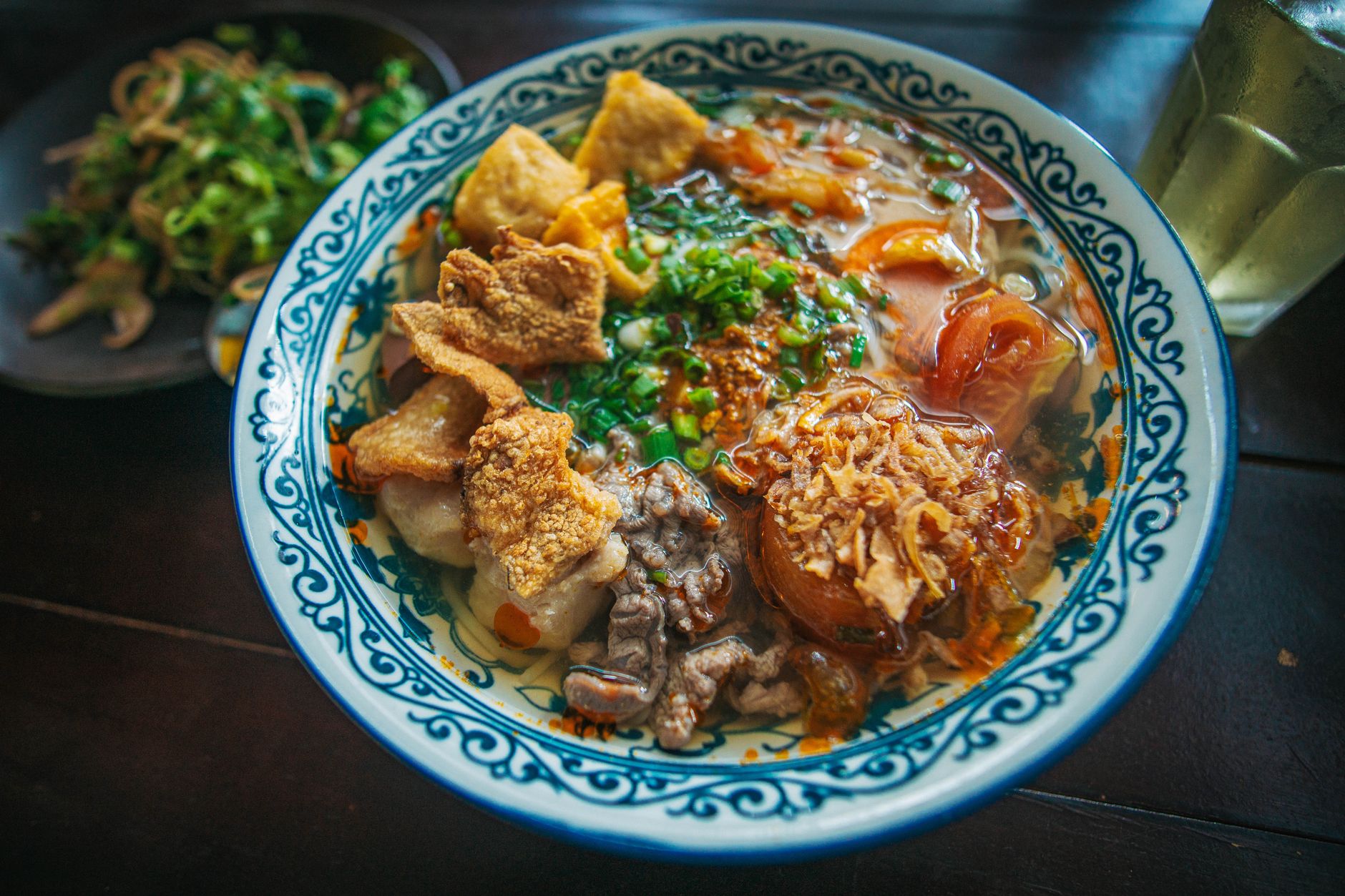
Unlike "pho" or "bun", Mi Quang uses barely any broth — just enough thick, concentrated pork-bone liquid to coat the noodles. You eat it more like a dressed noodle salad than a soup. The noodles themselves are wide, flat ribbons (5-10mm), tinted yellow with gardenia seed water and egg.
The other defining feature: a specific combination of nine fresh herbs and vegetables piled underneath and on top of the noodles. This isn't garnish — it's structural.
The nine herbs (and why they matter)
Traditional Mi Quang includes:
- Thai basil
- Fresh lettuce
- Young mustard greens (often with flower buds)
- Bean sprouts (blanched or raw)
- Coriander
- Vietnamese coriander ("rau ram")
- Sliced spring onions
- Shredded banana blossom
- Sometimes perilla or fish mint
The combination creates a sharp, vegetal contrast to the rich pork broth and fatty proteins. You're meant to mix everything together — the herbs aren't optional.
If you've eaten pho in Hanoi or bun bo Hue in Hue, you already know that Vietnamese noodle dishes are regional to the bone. Mi Quang is no different. The herb tray you get in Quang Nam won't look the same as one assembled in Saigon — and locals notice.

Image by CEphoto, Uwe Aranas via Wikimedia Commons (CC BY-SA)
Proteins and broth
Standard proteins: pork (sliced belly or shoulder), shrimp, chicken, or snakehead fish. Some versions include a boiled quail egg or chicken egg.
The broth (called "nuoc nhan") is simmered from pork bones until deeply concentrated. A proper bowl has maybe 2-3 tablespoons of liquid — just enough to season the noodles when you toss them. It's not soup. If your bowl is swimming in broth, it's not traditional Mi Quang.
The best versions use a combination of proteins — pork and shrimp together is the classic pairing. Chicken Mi Quang ("mi quang ga") is a lighter variation popular at breakfast. In some rural parts of Quang Nam, you'll find versions topped with snakehead fish, eel, or even frog. Vendors typically charge an extra 5,000-10,000 VND for bowls with shrimp or mixed protein compared to the plain pork version.
One thing worth noting: the broth often has a faint orange-red tint from annatto seed oil ("dau dieu mau"). This isn't chili — it's purely for color. The actual heat comes from sliced fresh chilies served on the side, plus a small dish of fermented fish sauce ("mam cai") that's specific to Quang Nam. That sauce is pungent and salty, and a little goes a long way.
Crunch: peanuts and sesame crackers
Every bowl comes with:
- Roasted peanuts, crushed
- Toasted sesame rice crackers ("banh trang me"), broken into shards
You crumble the crackers over the top right before eating. They soften slightly in the broth but stay crisp enough to add texture. The peanuts are non-negotiable.
The sesame crackers are worth a side note. "Banh trang me" from Quang Nam are thinner and more brittle than the ones you find in Saigon (사이공 / 西贡 / サイゴン) supermarkets. Street vendors in Da Nang and Hoi An sell bags of them for 10,000-15,000 VND — they make a good snack on their own and travel well if you want to bring some home.

Image by CEphoto, Uwe Aranas via Wikimedia Commons (CC BY-SA)
Where to eat it
Mi Quang is everywhere in Da Nang and Hoi An. Morning street stalls are your best bet — look for vendors with trays of fresh herbs, a pot of yellow noodles, and a small burner keeping broth warm.
In Hoi An's old town, most restaurants serve a tourist-friendly version with extra broth (locals will tell you this is wrong). For the real thing, eat at a neighborhood stall in Da Nang's Hai Chau district or near the Han Market.
Price: 25,000-40,000 VND per bowl at street stalls. Sit-down restaurants charge 50,000-70,000 VND.
A few specific spots worth knowing: Mi Quang Ba Mua on Le Dinh Duong street in Da Nang's Hai Chau district has been open since the 1990s and serves pork-shrimp bowls for around 35,000 VND. It opens at 6:00 AM and typically sells out by early afternoon. In Hoi An, skip the old town tourist spots and walk about 1 km south to the local market area on Tran Cao Van street, where vendors serve bowls closer to the Quang Nam original.
If you're in Saigon, Mi Quang restaurants exist but they're adapted for southern palates — sweeter broth, different herbs, more liquid. The same is true in Hanoi. It's the kind of dish that tastes best where it was born, within about 50 km of Quang Nam.
How to eat Mi Quang (the right way)
There's a specific sequence that locals follow, and it matters:
- Don't start eating immediately. First, tear the sesame crackers into rough pieces and scatter them across the top.
- Squeeze lime over everything — one wedge is usually enough.
- Add chili if you want heat. The sliced fresh chilies on the side table are milder than you'd expect. The fermented fish sauce ("mam cai") is where the real punch lives — start with half a teaspoon.
- Toss the whole bowl with chopsticks. Lift from the bottom so the herbs underneath get mixed into the noodles and broth. This is the step most foreigners skip, and it changes the dish completely.
- Eat with chopsticks and a spoon. Use the spoon to scoop up the small amount of broth and peanut fragments at the bottom.
The entire experience should be textural: chewy noodles, crisp crackers, crunchy peanuts, soft herbs, tender meat. If everything in your bowl has the same texture, something went wrong.
Mi Quang vs. Cao Lau vs. Pho: clearing up the confusion
Visitors to Central Vietnam often confuse Mi Quang with "cao lau," the other famous noodle dish from Hoi An. Here's how they differ:
| | Mi Quang | Cao Lau | Pho | |---|---|---|---| | Broth amount | 2-3 tablespoons | Almost none (dressed) | Full bowl of soup | | Noodle width | Wide, flat (5-10mm) | Thick, round, chewy | Thin, flat (3-5mm) | | Noodle color | Yellow (gardenia/egg) | Brown (lye water/ash) | White | | Herbs | 9+ fresh herbs | Fewer, plus crispy pork skin | Basil, cilantro, bean sprouts | | Region | Quang Nam / Da Nang | Hoi An only | Hanoi (north), Saigon (south) | | Crackers | Sesame rice crackers | Fried wonton strips | None |
If you're spending a few days between Da Nang and Hoi An, eat all three. They're fundamentally different dishes that happen to share the category of "rice noodles." The same trip could easily include banh xeo (Central-style, which is smaller and crispier than the Saigon version) and "com tam" if you pass through Saigon on the way.
What surprises foreigners
The broth situation. Every foreigner I've watched eat Mi Quang for the first time looks confused by how little liquid is in the bowl. They think the kitchen forgot something. It's correct. This isn't pho. You're not slurping soup.
It's a breakfast dish. Most Mi Quang stalls open between 5:30 and 6:00 AM and close by 1:00 or 2:00 PM. If you show up at dinner expecting Mi Quang, you'll mostly find it at sit-down restaurants, not at the stalls where it's best.
The herbs go underneath. At a proper stall, the vendor builds the bowl in layers: herbs and lettuce on the bottom, noodles in the middle, protein and broth on top. When you receive the bowl, you can't see half the vegetables. This is why tossing the bowl before eating is essential.
Fermented fish sauce is not regular fish sauce. The condiment dish on the table labeled "mam" is "mam cai" — a thick, fermented anchovy paste specific to Quang Nam. It's saltier and more concentrated than the "nuoc mam" (fish sauce) you're used to from spring rolls or goi cuon. Use it sparingly until you know your tolerance.
You will spill. The wide noodles, minimal broth, and mountain of herbs make Mi Quang one of the messier Vietnamese noodle dishes to eat. Nobody cares. Street stalls have tile floors for a reason.
Quick reference
- Dish name: Mi Quang ("mi" = noodle, "Quang" = Quang Nam province)
- Origin: Quang Nam province, Central Vietnam
- Best cities: Da Nang, Hoi An, Tam Ky (Quang Nam provincial capital)
- Price range: 25,000-40,000 VND (street stall), 50,000-70,000 VND (restaurant)
- Typical hours: 5:30 AM - 1:00 PM (stalls), all day (restaurants)
- Ordering phrase: "Cho toi mot to mi quang" (Give me one bowl of Mi Quang)
- Add shrimp: "Them tom" — usually 5,000-10,000 VND extra
- Common proteins: Pork, shrimp, chicken, quail egg, snakehead fish
- Key condiments: Lime, fresh chili, fermented fish sauce ("mam cai")
- Vegetarian version: Exists but rare — ask "Co mi quang chay khong?" (Do you have vegetarian Mi Quang?)
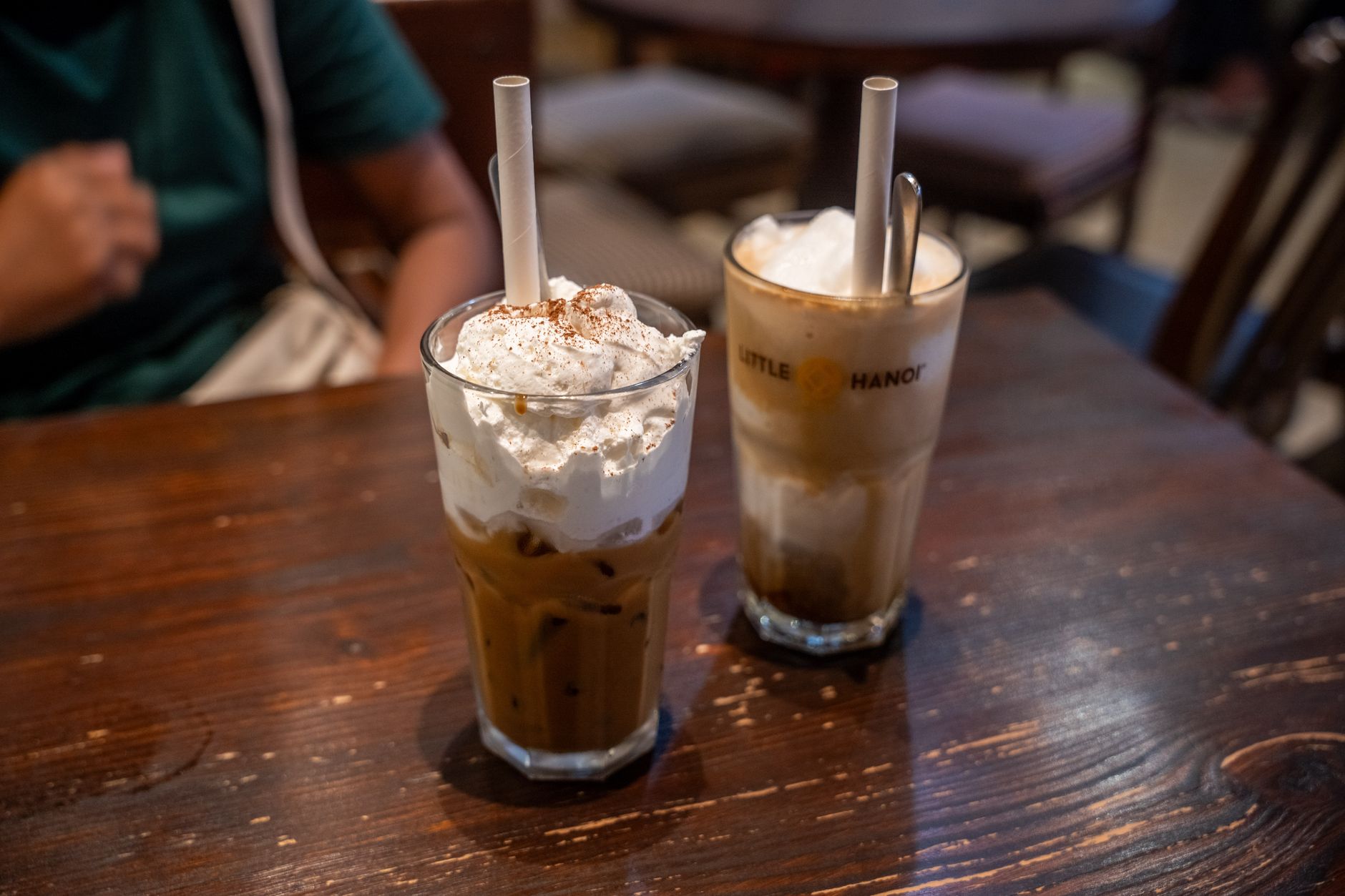
- Pairs well with: Vietnamese iced coffee ("ca phe sua da") or a cold bia hoi if eating at lunch
Cultural heritage push
In November 2022, Quang Nam's Department of Culture, Sports, and Tourism held a workshop on recognizing Mi Quang as intangible cultural heritage. The province is building a dossier for formal recognition.
For now, the dish remains everyday food — served at breakfast, lunch, and sometimes dinner. It's what people from Quang Nam eat when they're homesick.
Final note
Mi Quang doesn't travel well. The noodles go soft, the crackers lose their snap, the herbs wilt. You can find versions of it in Saigon and Hanoi, but they're compromises. If you're planning time in Central Vietnam — even just a couple of days between Da Nang and Hoi An — eat it at a morning stall where the noodles were made that day. That's the version worth crossing the country for.
Last updated · May 29, 2026 · independently researched, never sponsored.