VietnamWayfarerEST. 2026
DestinazioniItinerariCibo & BevandeConsigli di Viaggio
Newsletter →
Browse by region▲Bắc · Northern■Trung · Central●Nam · Southern
+Travel essentialsISSUE №01 · MMXXVIAbout
Vietnam
Wayfarer.
Colophon

An independent field guide to Vietnam — food, destinations, and the kind of practical advice you only get from people who live here.

Get the dispatch

Monthly: dishes, destinations, itineraries — once a month, straight to your inbox.

Subscribe →
Topics
  • Destinazioni
  • Cibo & Bevande
  • Itinerari
  • Consigli di Viaggio
Regions
  • Northern Vietnam
  • Central Vietnam
  • Southern Vietnam
Resources
  • About
  • Contact
  • Affiliate Disclosure
  • Disclaimer
  • Privacy
  • Terms
© 2026 Vietnam WayfarerMade in VietnamAll rights reserved
Independent · Reader-supported

We use minimal analytics + ads (no personal tracking). See our privacy policy.

Bac Lieu: storia del Delta del Mekong, musica e il legame con i Teochew | Vietnam Wayfarer
  1. Home
  2. Destinations
  3. Bac Lieu: storia del Delta del Mekong, musica e il legame con i Teochew
🇮🇹 Destinations · south · bac-lieu-city

Bac Lieu: storia del Delta del Mekong, musica e il legame con i Teochew

Un tempo provincia a sé stante nel Delta del Mekong, Bac Lieu si è fusa con Ca Mau nel 2025, ma la sua eredità continua a vivere. Dalla culla di una forma musicale struggente alle comunità Teochew che hanno plasmato la regione, ecco cosa rende questa ex provincia degna di essere scoperta.

By the Wayfarer teamApr 6, 20264 min read
Bạc Liêu province
↑ Bạc Liêu provinceImage via Wikipedia (Bạc Liêu province, CC BY-SA)
Tags
#mekong delta#bac lieu#ca mau#southern vietnam#teochew chinese#vong co#delta history#traditional music
You might also like
Women in conical hats fishing in mangrove forest using bamboo traps.
Destinations

Lang Rung Ca Mau: A Traveler's Guide to the Mangrove Forests at Vietnam's Southern Tip

May 24, 20266 min
Intricately carved incense burner with smoke in a temple in Cà Mau, Vietnam.
Destinations

Khu Quan Am Phat Dai in Ca Mau: A Traveler's Guide

May 24, 20266 min
— FIN —

Last updated · May 19, 2026 · independently researched, never sponsored.

More like this
→

Keep reading — related guides.

All destinations →

More from bac-lieu-city

Other articles covering this city.

Women in conical hats fishing in mangrove forest using bamboo traps.
Destinations

Ca Mau: What to Do — A Traveler's Guide to the Southernmost City

Ca Mau is Vietnam's southernmost province, a flat and watery landscape where mangroves, birdlife, and fishing culture dominate. Here's what's actually worth your time—and what to skip.

May 24, 20266 min read
Wind turbines standing tall in the Bình Thuận desert, showcasing renewable energy.
Destinations

Comments

Loading…

Lascia un commento

Email usata solo per avatar Gravatar e notifiche. Mai mostrata pubblicamente.

Il dispaccio mensile

Vai in Vietnam?
Mangia e viaggia con intelligenza.

Una volta al mese: nuovi piatti, destinazioni fuori dai circuiti e itinerari — direttamente nella tua casella. Niente spam. Cancellazione in qualsiasi momento.

Unisciti a 1.247 lettori · Primo numero: giugno 2026
01 · Itineraries
2 Weeks in Vietnam: The Perfect First-Timer's Itinerary
16 min read
  • 02 · Food & Drink
    Pho in Hanoi: The 7 Bowls That Are Actually Worth Lining Up For
    11 min read
  • 03 · Destinations
    The Ha Giang Loop: A Complete 4-Day Motorbike Adventure Guide
    14 min read
  • Bac Lieu Wind Farm: A Traveler's Guide to Vietnam's Coastal Turbines

    The Bac Lieu wind farm stretches along the southern coast where the Mekong Delta meets the sea — here's how to visit, what to do, and what to eat nearby.

    May 24, 20266 min read
    A close-up view of the historic Banh It Tower in Vietnam with a vibrant purple sky backdrop.
    Destinations

    Thap Co Vinh Hung: A Traveler's Guide to the Mekong Delta's Oldest Tower

    Thap co Vinh Hung is a centuries-old Khmer tower in the deep Mekong Delta — here's what to expect, how to get there, and what to eat nearby.

    May 23, 20267 min read

    More from Southern Vietnam

    Other articles covering the same region.

    Traditional Chinese ancestral shrine with ornate wooden panels and calligraphy.
    Destinations

    Van Thanh Mieu Vinh Long: A Traveler's Guide to the Mekong Delta's Confucian Temple

    Van Thanh Mieu in Vinh Long is one of the best-preserved Confucian temples in southern Vietnam — here's how to visit, what to see, and where to eat nearby.

    May 25, 20266 min read
    A vibrant scene of a street food vendor at Đà Lạt Night Market, Vietnam.
    Destinations

    Phu Quoc Night Market: A Traveler's Guide

    Everything you need to know about Phu Quoc Night Market — from the best seafood stalls to navigating the crowds and avoiding tourist traps.

    May 25, 20265 min read
    A woman skillfully peels a pineapple at a bustling night market in Hanoi, Vietnam, showcasing urban life.
    Destinations

    What to Eat in Dong Nai: Local Dishes, Markets & Where Locals Go

    Dong Nai's food scene sits between industrial city grind and rural delta freshness. Here's where to find the real food—markets, family-run joints, and dishes that rarely make it to guidebooks.

    May 25, 20265 min read

    More in Destinations

    More articles from the same category.

    View all in Destinations →
    Scenic aerial view of Bac Son Valley, Vietnam, capturing houses and lush fields at sunset.
    Destinations

    Dinh Phat Chi (Lang Son): A Traveler's Guide

    Dinh Phat Chi is one of Lang Son's highest peaks and a rewarding day trek near the Chinese border. Here's everything you need to plan the trip.

    May 25, 20267 min read
    Breathtaking view of a Buddhist temple amidst stunning limestone mountains in Ninh Bình.
    Destinations

    Chua Ham Long in Bac Ninh: A Traveler's Guide

    Chua Ham Long is a centuries-old Buddhist pagoda tucked into a limestone hillside near Bac Ninh. Here's what to expect and how to visit.

    May 25, 20266 min read
    A peaceful motorcycle ride on the winding roads of Van Ho amidst lush mountains.
    Destinations

    How to Get to Ninh Thuan: Transport Options from Hanoi, Saigon & Da Nang

    Ninh Thuan sits on Vietnam's south-central coast, halfway between Da Nang and Ho Chi Minh City. Here's how to reach it by bus, train, flight, or motorbike—plus costs and realistic travel times.

    May 25, 20265 min read
    A lone explorer illuminates a vast, mysterious cave in Son La, Vietnam with a torch, showcasing nature's hidden wonders.
    Destinations

    Nang To Thi in Lang Son: A Traveler's Guide to Vietnam's Most Famous Rock Formation

    Nang To Thi is a limestone rock formation in Lang Son that's woven into Vietnamese folklore. Here's what to expect, how to get there, and what to eat nearby.

    May 25, 20266 min read
    The Center of Vietnam Quintessential Handicraft showcases modern architectural design with wave-like patterns.
    Destinations

    Vietnam Fine Arts Museum in Hanoi: A Traveler's Guide

    Everything you need to know before visiting the Vietnam Fine Arts Museum in Hanoi — what to see, how to get there, and what to eat nearby.

    May 25, 20266 min read
    Vibrant green guest house surrounded by lush greenery and a serene road setting.
    Destinations

    Where to Stay in Lam Dong: Budget to Luxury by Neighborhood

    Lam Dong's main towns offer distinct vibes for different travelers. Here's how to pick a base—from Da Lat's colonial guesthouses to Thac Dac's jungle ecolodges.

    May 25, 20264 min read
    View all in Destinations →
    Hidden gems

    Lesser-known articles tourists usually miss

    • 01
      food

      Ba Khia Ca Mau: The Salt-Fermented Crab That Southerners Swear By

    • 02
      destinations

      Bai Bien Nha Mat: A Traveler's Guide to Ca Mau's Coastline

    • 03
      destinations

      Lang Rung Ca Mau: A Traveler's Guide to the Mangrove Forests at Vietnam's Southern Tip

    ← Older
    Khanh Hoa Province: Nha Trang, Cam Ranh, and the South Central Coast
    Newer →
    Visa on Arrival vs E-visa Vietnam: Which to Choose in 2026

    Bac Lieu: storia del Delta del Mekong, musica e il legame con i Teochew

    Bac Lieu era un tempo una provincia autonoma. Il 12 giugno 2025 si è fusa ufficialmente con Ca Mau, ponendo fine a 29 anni come unità amministrativa distinta. Ma se state viaggiando nel Delta del Mekong (메콩 델타 / 湄公河三角洲 / メコンデルタ) o siete curiosi della cultura del Vietnam del sud, la storia di Bac Lieu è ancora importante: è radicata nel cibo, nella musica e nell'identità della regione.

    Dove si trovava e perché era importante

    Bac Lieu occupava una stretta fascia costiera a circa 100 chilometri a sud di Can Tho, la città più grande del Delta del Mekong. Un territorio pianeggiante e fertile e una lunga costa significavano due economie: la coltivazione del riso nell'entroterra e la pesca in mare aperto. I corsi d'acqua della provincia — fiumi, canali, il sistema venoso del delta — tenevano tutto unito. Se avete mangiato riso o pesce del Delta del Mekong, è probabile che a un certo punto sia passato per Bac Lieu.

    La mescolanza di culture qui era peculiare. Le comunità cinesi Teochew (originariamente migranti dal Guangdong) si stabilirono e rimasero, portando con sé le proprie tradizioni culinarie, i templi e le festività. Ancora oggi è possibile ritrovare questa fusione a Ca Mau.

    "Vong Co": un canto nato a Bac Lieu

    La principale esportazione culturale di Bac Lieu è il "vong co", una forma di canto emersa intorno al 1918 o 1919 e diventata centrale nella musica tradizionale del Vietnam del sud. "Vong co" significa letteralmente "guardare indietro", e lo stile è malinconico, lirico e spesso eseguito all'interno del "cai luong" (l'opera rinnovata). Se lo ascoltate dal vivo — in un'esibizione tradizionale o in una celebrazione in un tempio nel delta — state ascoltando una tradizione nata a Bac Lieu.

    Questa forma musicale è tipica del sud; gli abitanti del nord non la cantano. Musicisti itineranti e registrazioni l'hanno diffusa in tutto il Vietnam del sud (베트남 / 越南 / ベトナム), ma Bac Lieu ne è stata la culla. Vale la pena ricordarlo se vi capita di ascoltarla durante un tour del delta.

    Il Principe di Bac Lieu: il leggendario playboy

    Il folklore di Bac Lieu è legato a una personalità fuori dal comune: Tran Trinh Huy, noto come il "Principe di Bac Lieu" o "Cong Tu Bac Lieu" (letteralmente "giovane maestro di Bac Lieu"), chiamato anche il Principe Nero. Negli anni '30 e '40 era famoso per la sua ricchezza e il suo stile di vita stravagante, non solo a Bac Lieu, ma anche a Saigon e in tutto il Vietnam del sud.

    La sua reputazione è in parte una leggenda del delta, in parte un racconto ammonitore sugli eccessi delle vecchie ricchezze. Il folklore e il cinema vietnamita hanno mantenuto viva la sua memoria; rappresenta un momento storico e una classe sociale specifici che non esistono più. Se visitate la città di Bac Lieu, le guide locali potrebbero menzionarlo: è una finestra sulla storia sociale precedente al 1975.
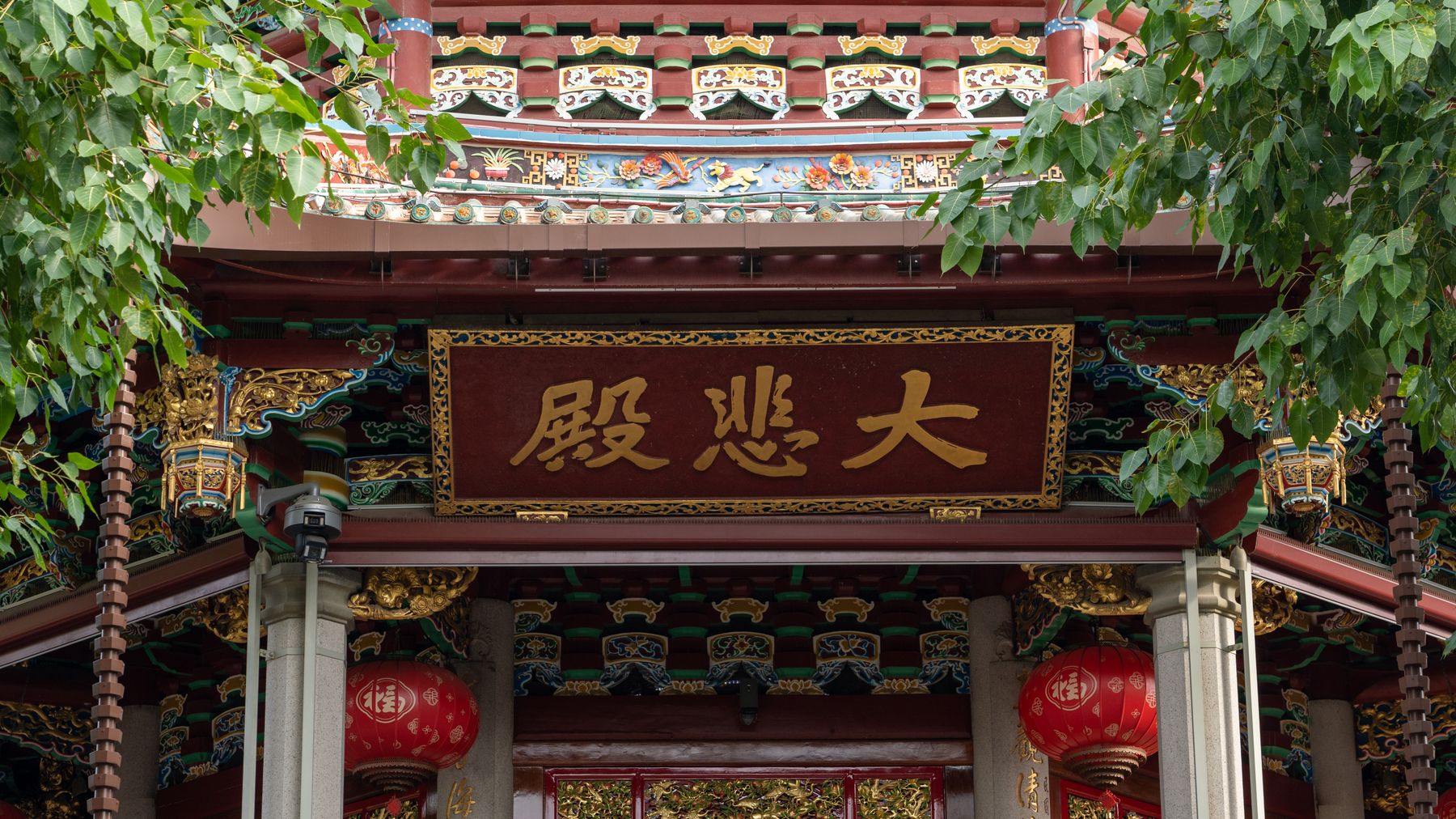
    Dettagli intricati dell'ingresso di un tempio tradizionale cinese con lanterne rosse e accenti dorati.

    Foto di Peter Xie su Pexels

    La cronologia amministrativa

    I confini di Bac Lieu sono cambiati diverse volte:

    • 1899–1900: Istituita come unità amministrativa.
    • 1956: Sciolta e inglobata nella provincia di Ba Xuyen.
    • 1964: Ristabilita come provincia indipendente di Bac Lieu.
    • 1975: Fusa con Ca Mau per formare la provincia di Minh Hai.
    • 1996: Nuovamente divisa nelle province di Bac Lieu e Ca Mau.
    • 2025: Fusa di nuovo con Ca Mau nell'ambito di un consolidamento amministrativo a livello nazionale.

    Per i viaggiatori, la conclusione è semplice: sulle mappe e nei documenti ufficiali, Bac Lieu fa ora parte della provincia di Ca Mau. Ma la sua storia e la sua identità culturale rimangono distinte.

    Cosa si può ancora visitare

    La città di Bac Lieu, l'ex capoluogo di provincia, esiste ancora. È una tranquilla cittadina del delta, meno turistica di Soc Trang o Can Tho (껀터 / 芹苴 / カントー). Potete visitare i templi Teochew, passeggiare sul lungofiume, mangiare pesce e gamberi freschi e immergervi nei ritmi lenti della vita del Delta del Mekong. I distretti circostanti (Dong Hai, Hoa Binh, Hong Dan, Phuoc Long, Vinh Loi) sono comunità agricole e di pescatori; immaginate risaie, allevamenti ittici e moli per le barche, piuttosto che strutture turistiche.

    Se state seguendo un itinerario approfondito nel delta — oltre al classico circuito Can Tho–Ben Tre–My Tho — Bac Lieu offre un'immersione autentica e meno affollata. È il luogo in cui la gente del delta lavora e vive realmente, non dove convergono i gruppi di turisti.
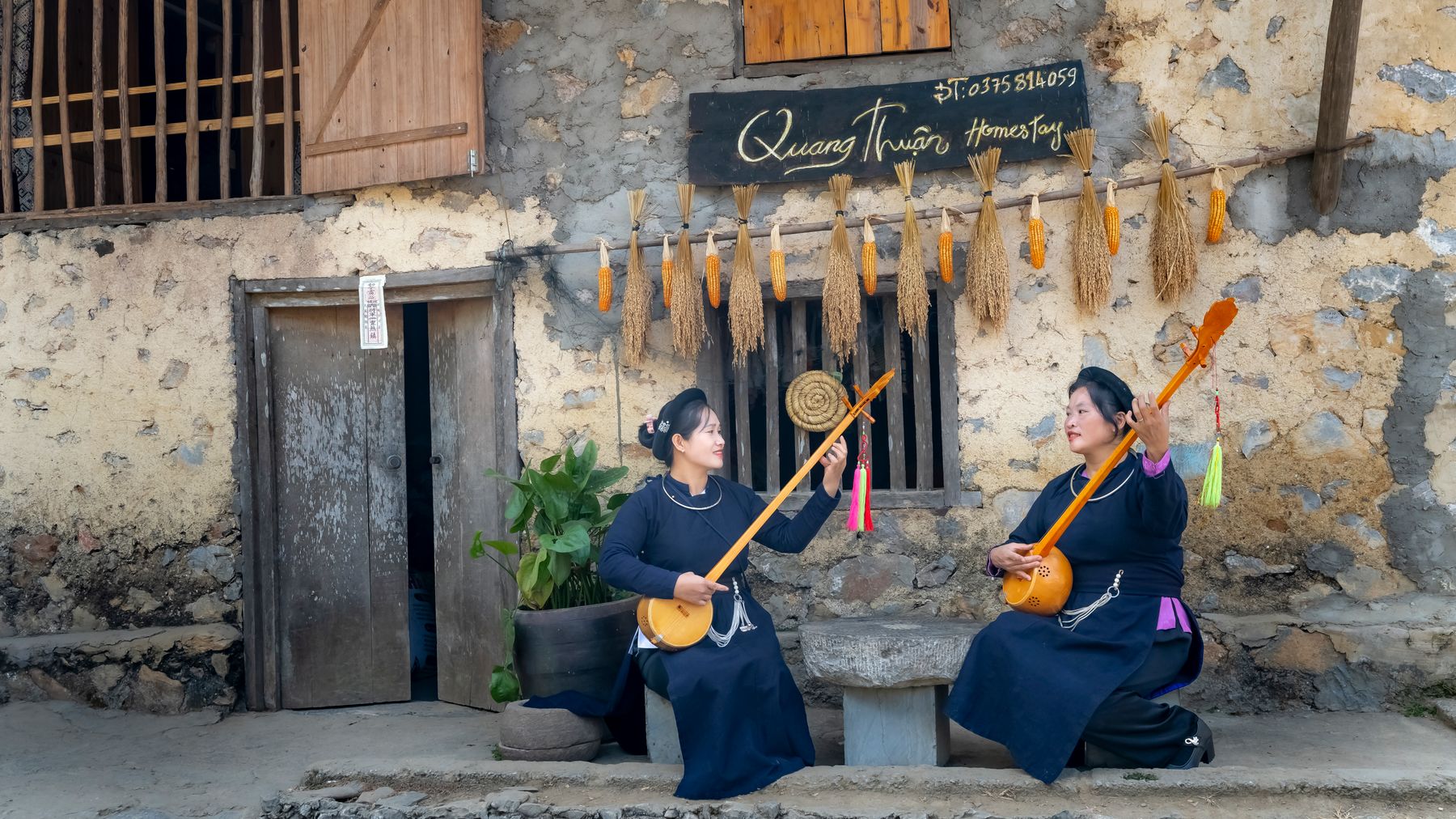
    Donne in abiti tradizionali che suonano la chitarra in un ambiente rustico vietnamita all'aperto.

    Foto di Quang Nguyen Vinh su Pexels

    L'influenza Teochew

    La presenza cinese Teochew ha conferito a Bac Lieu un sapore distinto rispetto alle altre province del delta. Lo noterete in:

    • Cibo: pesce al vapore in stile Teochew, char siu (maiale) e piatti influenzati dai dim sum.
    • Templi: elaborati templi che fondono lo stile sino-vietnamita, dedicati alle divinità e agli antenati Teochew.
    • Lingua e nomi: il dialetto Teochew parlato accanto al vietnamita; cognomi cinesi nei registri locali.
    • Festività: celebrazioni del Capodanno Teochew e altre ricorrenze tradizionali.

    Questo strato culturale arricchisce l'identità del Delta del Mekong. Non è un'esclusiva di Bac Lieu — anche altre province del delta ospitano minoranze cinesi — ma la comunità Teochew di Bac Lieu è stata storicamente e particolarmente rilevante.

    Perché è importante oggi

    I confini amministrativi cambiano; è una normale dinamica di governo. Ma la storia di Bac Lieu — la sua musica, le sue figure leggendarie, il suo patrimonio Teochew, il suo ruolo nell'agricoltura del delta — non scompare. Quando mangiate o viaggiate nel Vietnam del sud, vi imbattete ancora nell'eredità di Bac Lieu, anche se il nome della provincia non è più sulla mappa.

    Per i viaggiatori interessati alla cultura, alla storia e al cibo autentici del Delta del Mekong, comprendere Bac Lieu offre un contesto più profondo. Apprezzerete maggiormente la regione, farete domande migliori e creerete legami più ricchi con le persone e i luoghi che incontrerete.