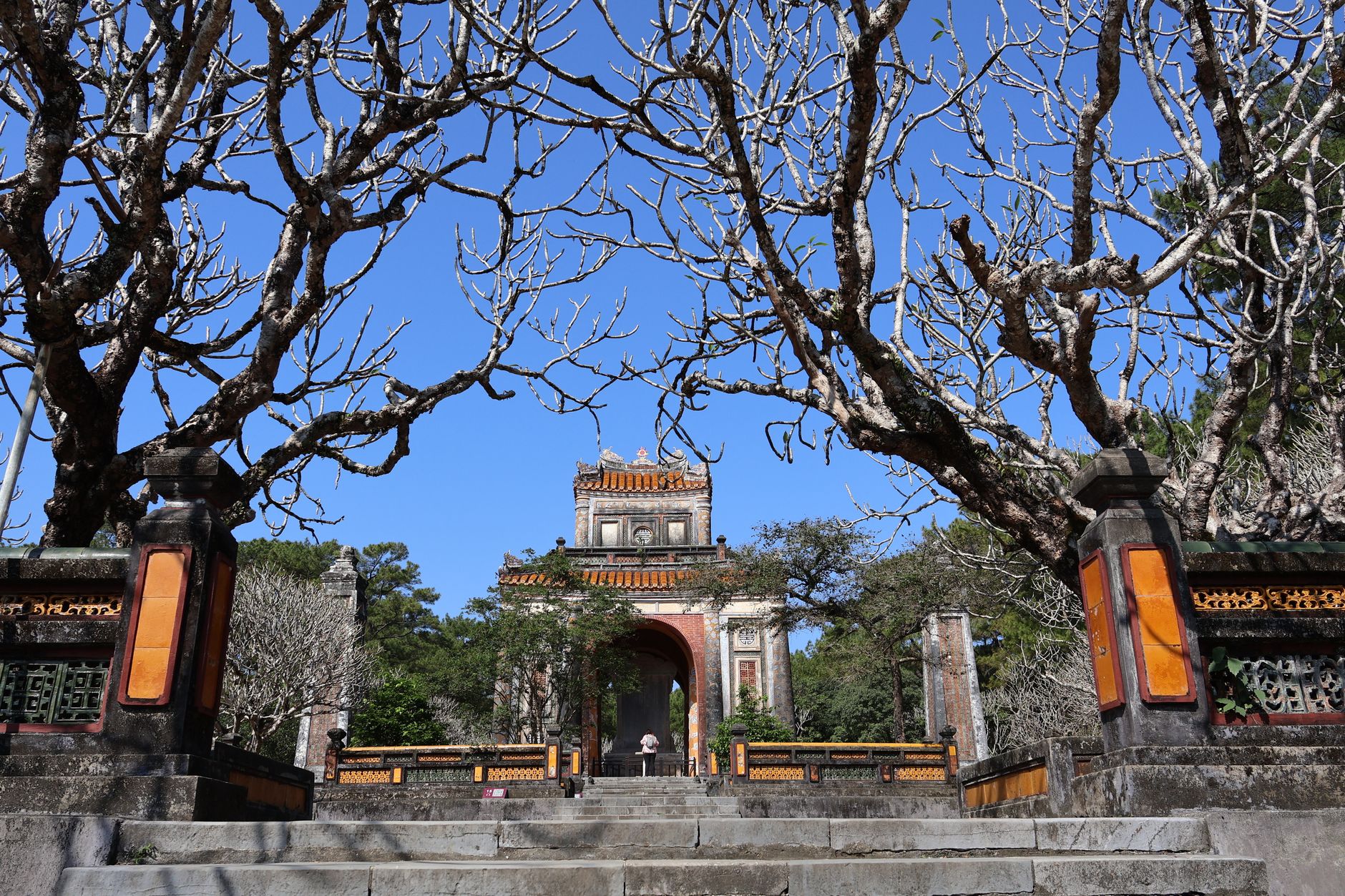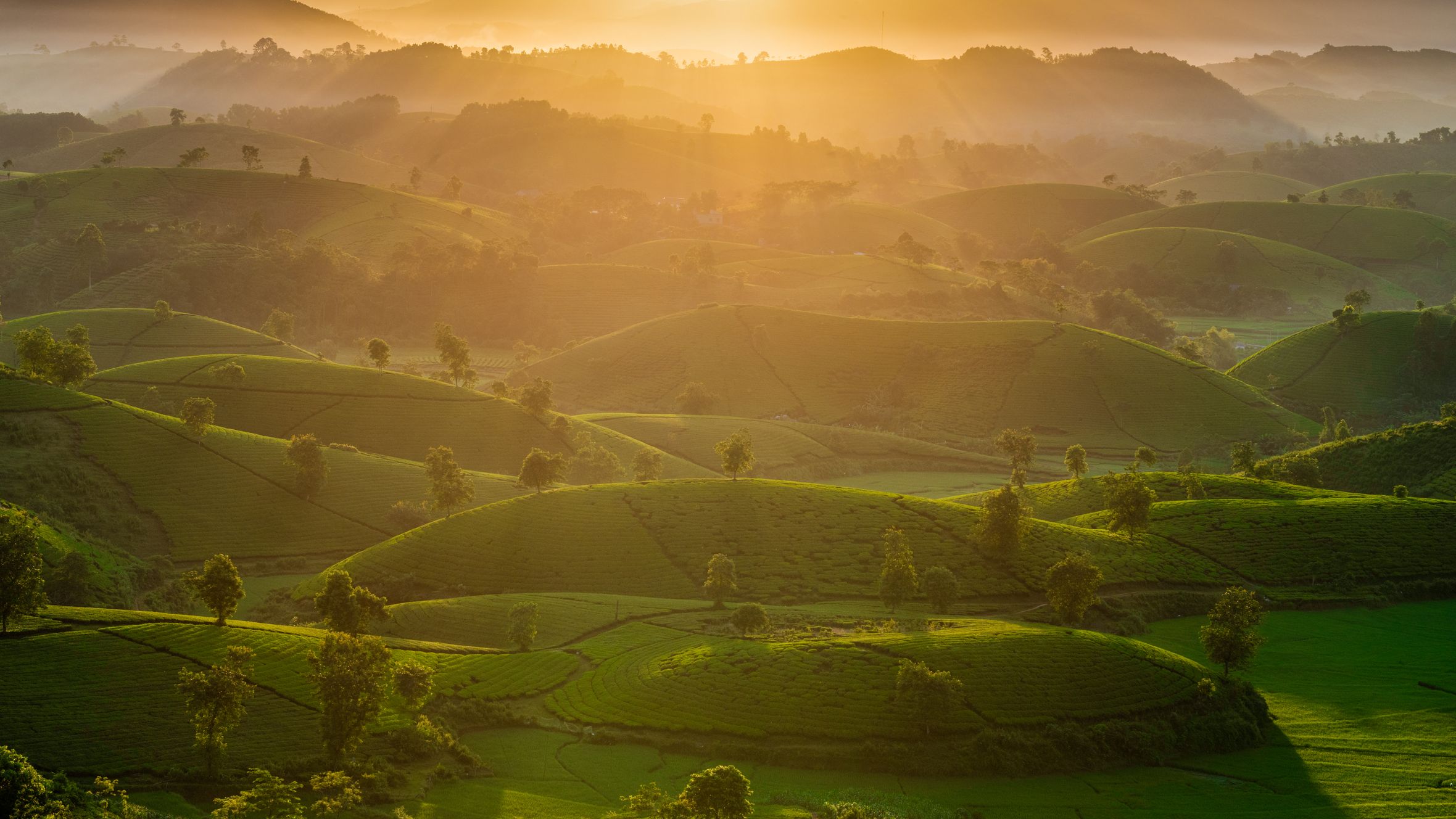
Can Tho is often treated as a two-hour stopover for a floating market photo, but to understand the Mekong Delta (메콩 델타 / 湄公河三角洲 / メコンデルタ), you need to stay long enough for the humidity and the river to become your new baseline. This 10-day itinerary prioritizes slow travel, local food, and the quiet corners of the city.
Day 1 — Finding the Rhythm
Start by settling into a guesthouse near the Ninh Kieu Wharf. Spend your first afternoon walking the riverfront promenade. For dinner, head to a local stall for "hu tieu", a pork-based noodle soup that defines the Delta. Off-script: Skip the main tourist restaurants and find a sidewalk vendor serving "nem chua" near the park.
Day 2 — The Morning Market
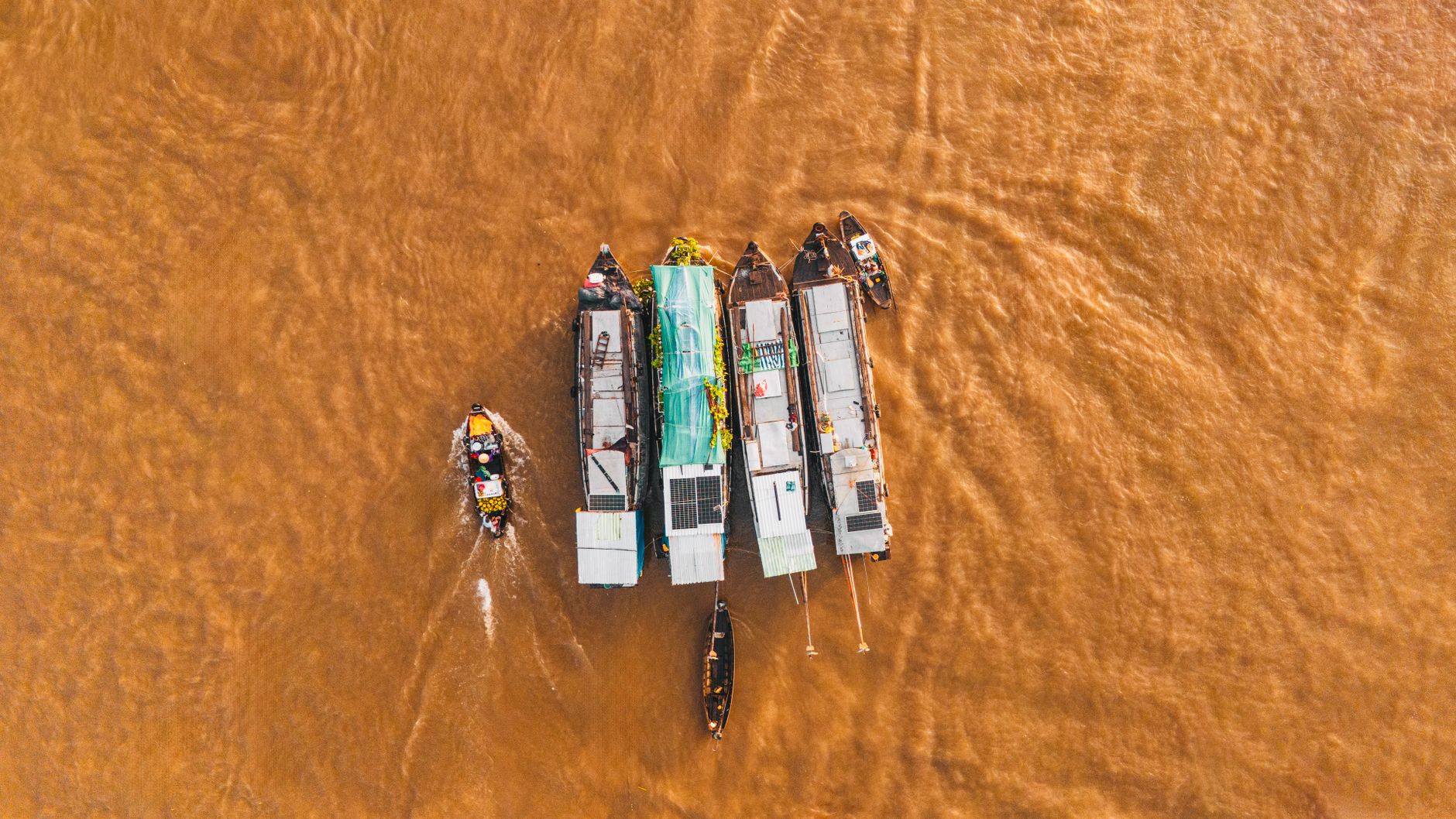
Wake up at 5:00 AM for the Cai Rang floating market. Hire a small sampan rather than a large tourist boat to get closer to the wholesale action. By 9:00 AM, you should be back on land to explore the smaller canals. Off-script: Visit the local wet market in An Binh to see where the produce from the boats actually ends up.
Day 3 — Architectural Heritage
Spend the morning at the Binh Thuy Ancient House. It is a rare, well-preserved example of French-colonial and traditional Vietnamese architecture. In the afternoon, visit the Munirangsyaram Pagoda to observe the Khmer influence on the local landscape. Off-script: Look for the small, unmarked incense workshops in the nearby alleys.
Day 4 — The Art of the Delta
Dedicate today to "don ca tai tu", the traditional folk music of the South. Many homestays or cultural centers offer intimate performances. It is best enjoyed with a glass of tea and a slow evening breeze. Off-script: Ask your host if there is a local practice session you can observe quietly.
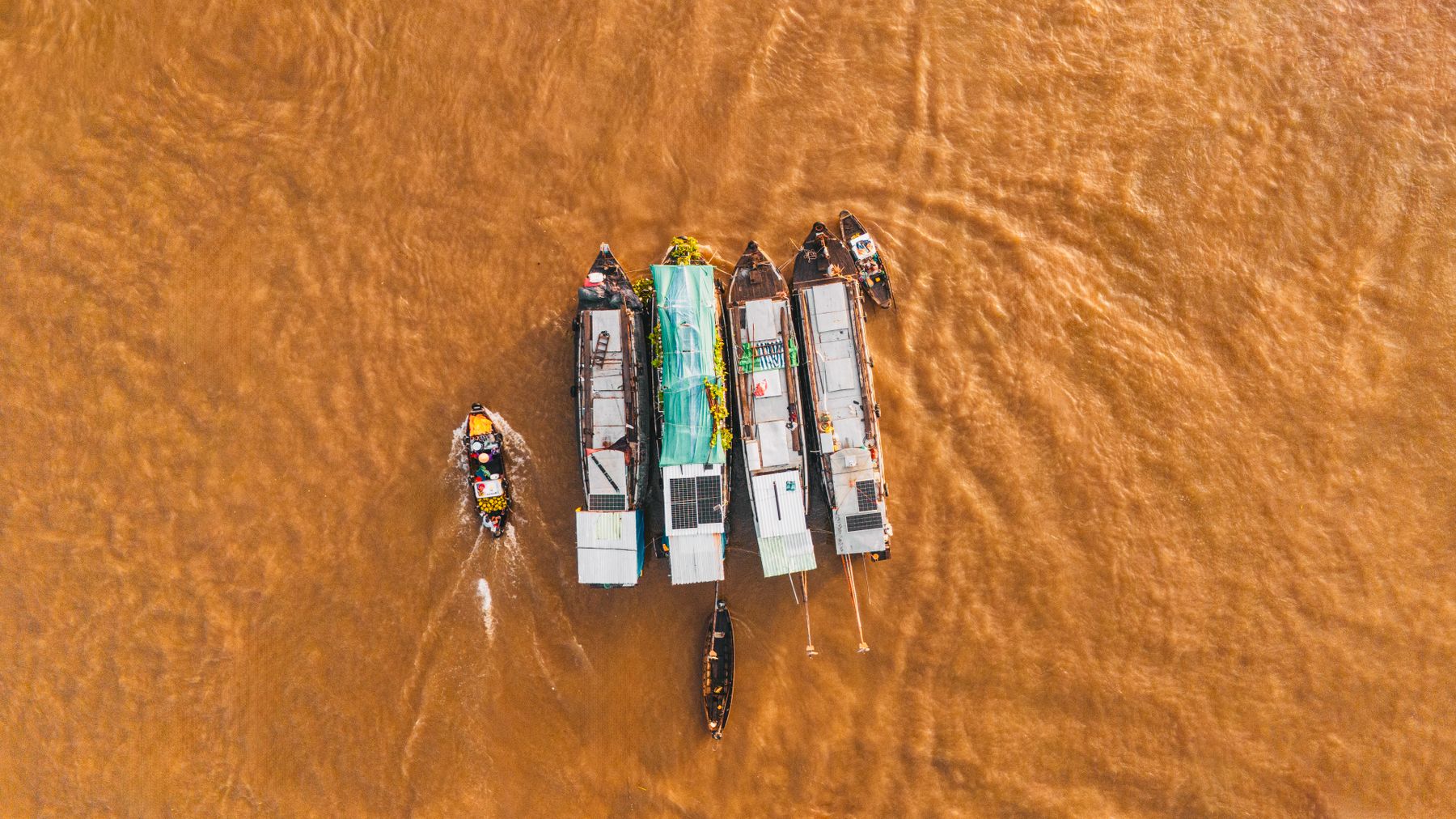
Photo by Duy Nguyen on Pexels
Day 5 — Orchard Immersion
Take a boat to the My Khanh tourist village area, but bypass the main gates. Instead, rent a bicycle and ride through the fruit orchards of Phong Dien. You will find small stands selling fresh longan and pomelo. Off-script: Try the "banh xeo" at a roadside stall in Phong Dien; the local version often uses more coconut milk in the batter.
Day 6 — The Khmer Connection
Travel slightly outside the city to visit the Pitu Khosa Rangsay Pagoda. The intricate carvings and the quiet atmosphere offer a stark contrast to the bustle of the city center. Off-script: Stop at a local Khmer bakery to try their specific style of sticky rice cakes.
Day 7 — Culinary Deep Dive
Can Tho (껀터 / 芹苴 / カントー) is famous for its "banh cong", a fried cake made with mung beans and shrimp. Spend your day hunting down the best version. In the evening, try "bun rieu" at a stall where the broth is made with fresh river crab. Off-script: Visit a local market and buy a bag of fresh lotus seeds to snack on.

Photo by Emily Le on Pexels
Day 8 — The River Life
Take a long-tail boat deep into the smaller tributaries where the river is the only road. You will see the daily life of families living in stilt houses. This is not a show; it is just how life happens here. Off-script: Bring a small notebook and sketch the river traffic; locals are often curious and will strike up a conversation.
Day 9 — Craft and Tradition
Visit the traditional craft villages that produce "non la" (conical hats) or rice paper. These are family-run operations that have been working the same way for generations. Off-script: Try your hand at making rice paper—it is significantly harder than it looks.
Day 10 — Reflection
Spend your final day at the Can Tho Museum. It provides a necessary context for the history of the Delta. End your trip with a final bowl of "bun bo hue" or a simple "vietnamese coffee" by the river, watching the boats head out for the night shift. Off-script: Write down your favorite meal of the trip and ask the vendor for the name of the specific herb they used.
Practical notes
Carry cash in small denominations, as many of the best food stalls do not have change for large notes. Renting a bicycle is the best way to see the outskirts, but always stay hydrated and carry a rain poncho, even in the dry season.
Last updated · May 30, 2026 · independently researched, never sponsored.