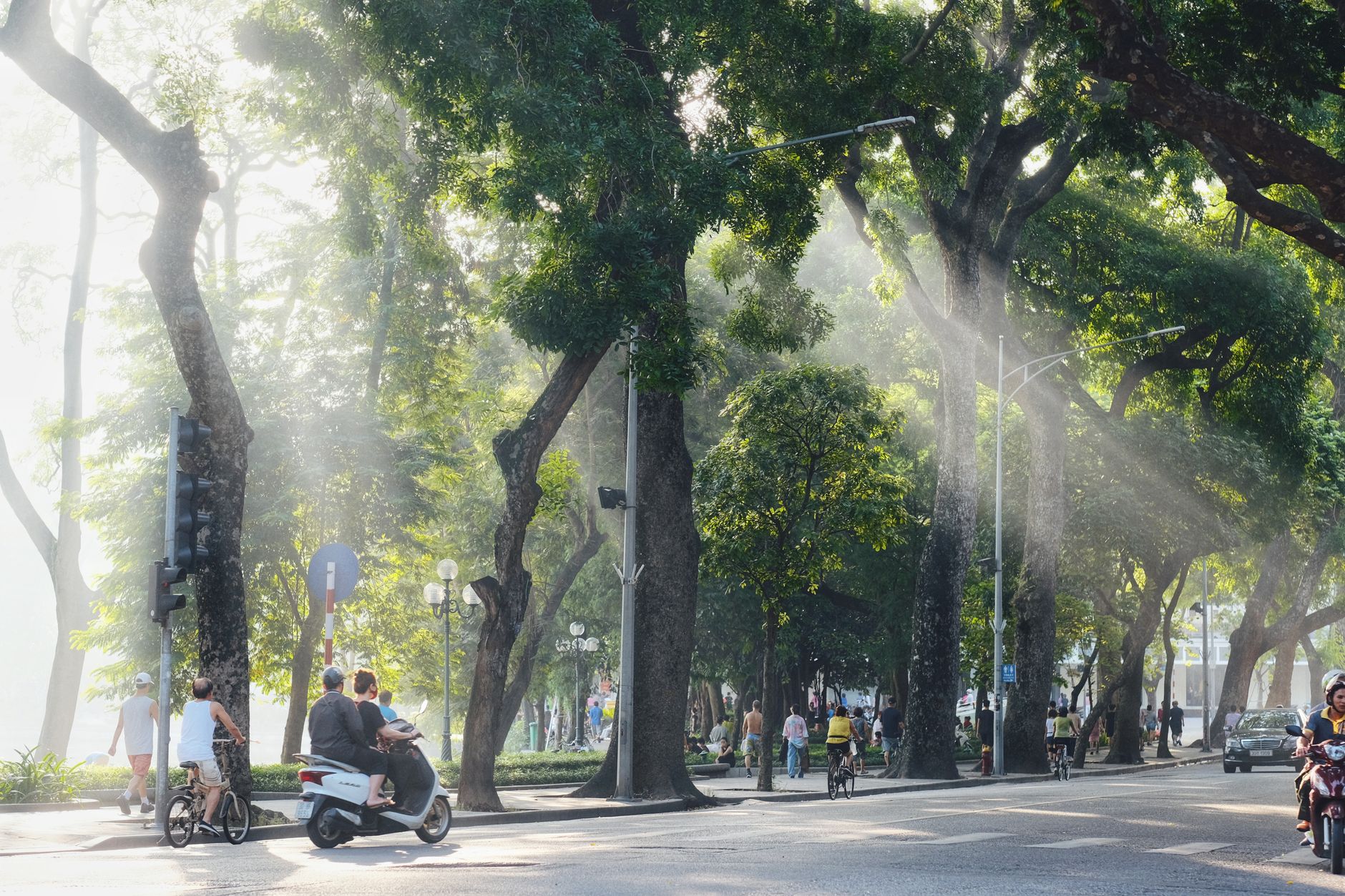
The Province
Bac Kan is a thin rectangle in Vietnam (베트남 / 越南 / ベトナム)'s northeast midland, directly north of Hanoi. Forests cover 95% of the terrain—mountains, limestone karst, river valleys—making it one of the country's most remote and least-populated provinces. The name itself, from Sino-Vietnamese, means "north and arid," though the monsoon rains from May to October drench the landscape.
As a traveler, you'll notice right away that this is not a packaged destination. Towns are small. Roads wind. The provincial capital, also called Bac Kan, is the only urban center. The real draw is the land itself and the ethnic minorities—Kinh, Tay, Nung, and Dao—who live across its eight districts.
Ba Be Lake: Vietnam's Largest Natural Lake
"Ba Be" means "three lakes" in the Tay language—Pé Lầm, Pé Lù, and Pé Lèng—three interconnected bodies of water that together form a single entity. The lake sits 178 meters above sea level, stretches 8 kilometers north to south, averages 800 meters wide, and reaches depths of 20 to 35 meters. Limestone islets and submerged mounts dot the bed, remnants of the karstic process that began roughly 200 million years ago, in the Cambrian era.
What makes Ba Be unusual among karst lakes is that it stays full year-round. Three rivers feed it from the south and west—the Tả Han, Nam Cường, and Chợ Lèng—while the Năng River drains northward. The water runs clear and blue, cold from the springs and mineral-rich from the limestone.
The lake has been proposed to UNESCO for recognition as a natural heritage site under criteria (viii) and (ix)—geological significance and ecological process.
Flora and Fauna
Ba Be National Park, which encompasses the lake, harbors extraordinary biodiversity. The forest canopy contains 417 tree species, plus countless orchids and medicinal plants. Phytoplankton surveys have identified 179 species, spanning six divisions of freshwater algae. The waters hold 106 fish species across 61 genera.
The animal inventory runs to 319 species. Three are endemic: the snub-nosed gibbon (also called the Tonkin snub-nosed monkey), a bamboo-eating primate found nowhere else on earth; plus two others historically documented here. Forty-two species appear in Vietnam's Red Book of endangered fauna. The gibbons are most active at dawn and dusk; their calls echo across the lake in the early morning and late afternoon.
This richness depends on intact forest. Mining and logging threaten it. As a visitor, treading lightly—hiring local guides, staying on marked trails, respecting quiet hours—helps preserve the ecosystem.
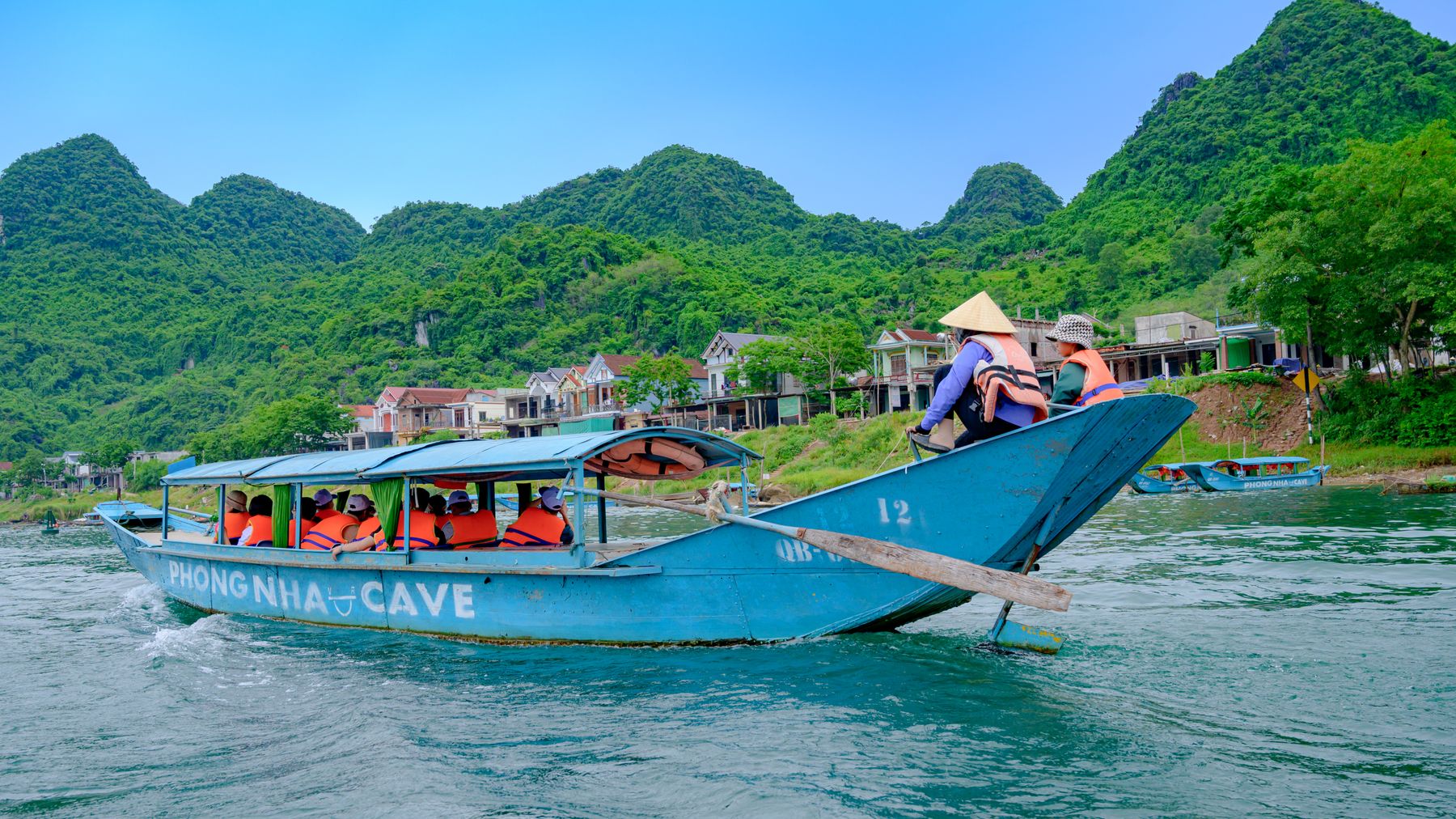
Photo by Manh Pham on Pexels
Getting There
Bac Kan is 165 kilometers northeast of Hanoi (하노이 / 河内 / ハノイ), a 4-5 hour drive by car or motorbike via National Highway 3. The road is decent but winding. Minibus services run from Hanoi's outlying bus stations, though schedules are sparse. Renting a motorbike with a driver, or a car with driver, from Hanoi is more flexible if you want to explore multiple districts and ethnic villages en route.
The provincial capital, Bac Kan town, serves as the logistical hub. From there, local roads lead to Ba Be Lake (roughly 50 kilometers) and to the national park headquarters.
Where to Stay and Eat
Accommodations are basic. The national park office and a handful of guesthouses near the lake offer rooms, typically 200,000-500,000 VND per night. Some homestays in nearby Tay villages provide more intimate experiences and a meal included. Bring cash; ATMs are unreliable.
Food centers on rice, freshwater fish, and greens. Local restaurants in Bac Kan town serve "com tam" (broken-rice bowls), "pho", and grilled fish from the lake. Don't expect English-language menus; a phrasebook or translation app helps. Markets in town stock basic provisions if you plan to cook or picnic.

Photo by Quang Nguyen Vinh on Pexels
What to Do
Boat tours: The most popular activity. Local boatmen operate from the lake's southern shore, offering half- and full-day trips. Tours typically stop at Tay fishing villages, limestone caves, and quiet coves. Bring sun protection and water; the sun reflects off the water intensely. Cost is roughly 500,000-800,000 VND per boat (4-6 people).
Hiking: Trails loop the lake perimeter and climb into the forest. The Ta Phin ridge walk offers views of valleys and distant peaks. Go with a guide—paths are not always marked, and a guide can point out birds, plants, and village shortcuts.
Village visits: Homestays and guides arrange visits to Tay hamlets where you can observe wet-rice farming, bamboo craft, and daily life. Respect village customs; ask permission before photographing.
Ba Be National Park headquarters: Located near the lake, the office sells maps, books, and permits (if required). Staff can arrange guides for longer treks into the interior.
Best Time to Visit
November to April (dry season) is optimal. The water is lower, hiking is easier, and the forest is drier. Days are mild; nights can be cool. Bring a fleece or light jacket.
May to October (rainy season) brings lush growth and is harder on the infrastructure. Roads can flood; boat tours may be canceled. The forest canopy is thickest then, so wildlife spotting is more difficult. Humidity is intense. If you go, go early in the season (May-June) before the heaviest rains.
Practical Notes
Money: Bac Kan town has a few banks and ATMs. Don't count on them. Bring sufficient cash from Hanoi in VND.
Language: Vietnamese is the main language. Tay, Nung, and Dao are spoken in villages. English is rare. A phrasebook is essential.
Health: The nearest hospital of any quality is in Hanoi. Bring a basic first-aid kit and any medications you need. Malaria risk is low in the highlands but not zero; ask your doctor.
What to pack: Sturdy walking shoes, rain jacket, insect repellent, sunscreen, water bottle, and a headlamp or torch. The infrastructure is basic; bring extras of anything you can't live without.
Ba Be and Bac Kan reward patient, independent travelers. It's not convenient, and that's the point. If you want Halong Bay's limestone karst without the cruise ships, Ba Be is the answer.
Last updated · May 19, 2026 · independently researched, never sponsored.