What makes Vung Tau's banh hoi long heo different
"Banh hoi long heo" is a dish built on contrast: gossamer-thin rice noodle cakes fried until they shatter, topped with seasoned minced pork liver, fresh herbs, and a pour of fish sauce. In Hanoi and the north, the liver tends to be bold, sometimes rank, paired with heavier oils. Vung Tau's version is lighter—the liver is fresher, rarely gamy, and the noodle cake itself gets a crisper fry. The coastal location means better ingredient turnover and access to morning catches of liver that locals say "hasn't been sitting."
You'll also notice Vung Tau (붕따우 / 头顿 / ブンタウ) vendors tend to serve it with more fresh greens: mint, cilantro, sometimes sawtooth coriander. The fish sauce dipping is gentler, less aggressive than inland interpretations.
Where to go
Banh Hoi Long Heo Hang Duong (near the beach)
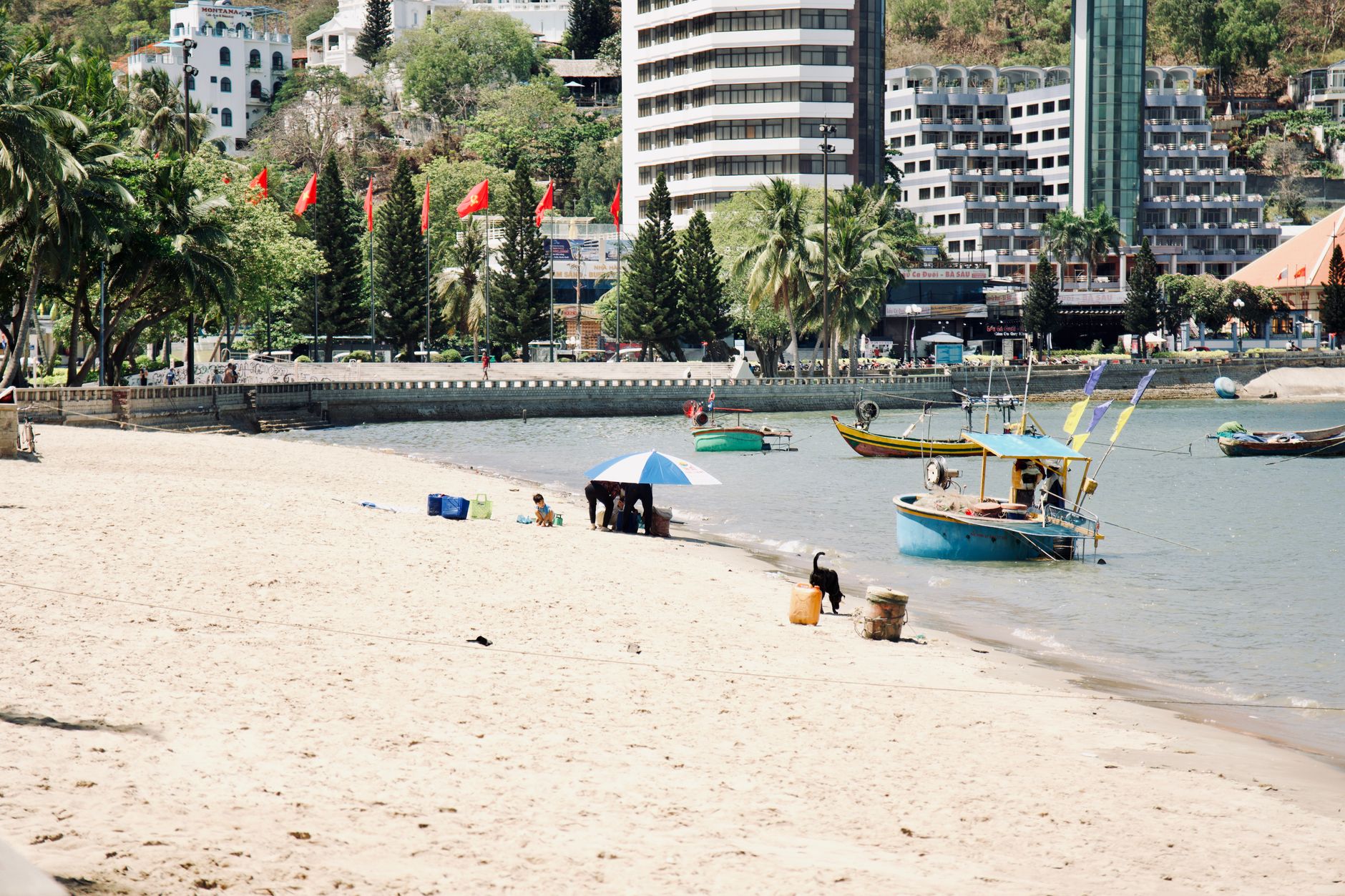
This is the spot regulars mention first. Located on Hang Duong Street, a short walk from Back Beach (Bai Sau), it opens at 06:00 and serves only until 11:30. The owner, Mrs. Linh, has been making the same recipe for 20 years. Her liver is sourced from a butcher two blocks away—same guy for a decade—and she minces it by hand each morning. One portion costs 35,000 VND. The noodle cake has almost no oil sheen; it breaks clean when you bite it. The fresh herb plate (mint, cilantro, perilla) is generous. Most regulars order two cakes and share, or eat one with a side of "com tam" (broken rice) if they're hungry. Cash only.
Banh Hoi Thanh Hang (Thang Tam market area)
Inside Thang Tam market, this stall (no real storefront, just a counter with four stools) does brisk morning business. The owner, Mr. Duc, operates 06:30–11:00. His signature move: he tops the banh hoi with fried shallots and a pinch of ground peanut before the liver hits it, giving a subtle sweetness that cuts the liver's iron-forward taste. 32,000 VND per cake. Locals say it's the most "refined" version in town—less rustic, more considered. The market location means you're eating alongside fishmongers and produce sellers, which is the vibe. Arrive by 09:00 or the best liver is gone.
Banh Hoi Co Mot (Tran Hung Dao Street)
Named after the owner's nickname ("Mrs. One"), this spot is older—sign outside says established 1998—and sits on a busy commercial street away from the beach tourist drag. She opens at 07:00, closes at 12:00. The liver here is slightly chunkier (not minced as fine), and the noodle cake is fried longer, giving it a deeper gold and a crunchier edge. Some locals prefer this version; others find it heavier. 30,000 VND. The real draw: Mrs. One serves a small cup of "ca phe sua da" (iced milk coffee) alongside, included in the price. Few tourists know this place exists.
Banh Hoi Sao (Ngo Tat To Street, near Vung Tau train station)
This is the "no-frills" spot. Metal tables, plastic stools, hand-written price board. Open 06:00–11:30. The owner sources liver from a supplier two km inland (not coastal), which some locals say makes it taste more "authentic" to the inland tradition—deeper, funkier. Not everyone's preference, but regulars swear by it for that reason. 28,000 VND, the cheapest in town. The noodle cake is fried in a wok over charcoal, visible from your seat. The ritual here is to watch it cook, which is part of the appeal.
Banh Hoi Ba Nam (Back Beach alley, Tran Phu)
A newer spot (opened 2019), this one leans modern—cleaner space, better lighting, a printed menu (rare for banh hoi vendors). The liver is the mildest in Vung Tau, almost delicate. Some locals see this as progress; purists call it "oversanitized." 40,000 VND, slightly pricier. If you want comfort and consistency, this is it. Open 06:30–12:00. Good if you're not confident about eating off-the-street or traveling with someone squeamish.

Photo by Pham Huan on Pexels
Timing and ordering
Go in the morning. 06:30–09:00 is the sweet spot. By 10:30, vendors have sold most of their liver stock, and what's left sits in the sun. Afternoons (after 14:00) sometimes see a second prep, but it's inconsistent and not recommended.
To order: point to the banh hoi in the display tray, say "mot cai" (one) or "hai cai" (two). The vendor will fry it fresh. You'll get the cake, a plate of fresh herbs, and a small bowl of dipping sauce. Tear off pieces of the cake, wrap them in herbs, dip, eat. It's a hands-on dish—embrace the mess.
If you want no liver, ask for "banh hoi" plain (though this defeats the point). Most vendors will look confused.

Photo by FOX ^.ᆽ.^= ∫ on Pexels
Cost and what to expect
One cake: 28,000–40,000 VND (roughly $1.15–$1.65 USD). It's a light meal, meant for breakfast or a morning snack, not lunch. Many locals eat one cake with coffee and move on. Two cakes fill you up. No rice, no noodle bowl on the side—this dish stands alone.
Practical notes
Vung Tau's banh hoi long heo season is year-round, but peak freshness is November–April when cooler weather keeps ingredients stable. Summer (May–October) heat can degrade the liver's quality if it sits. Restaurants and tourist spots rarely serve banh hoi long heo—it's a street-food ritual and a locals' breakfast. Your hotel will probably not know where to send you; ask a taxi driver or your guesthouse owner directly. The dish is not Instagram-friendly or refined, and that's exactly why locals protect these spots.
Last updated · May 23, 2026 · independently researched, never sponsored.