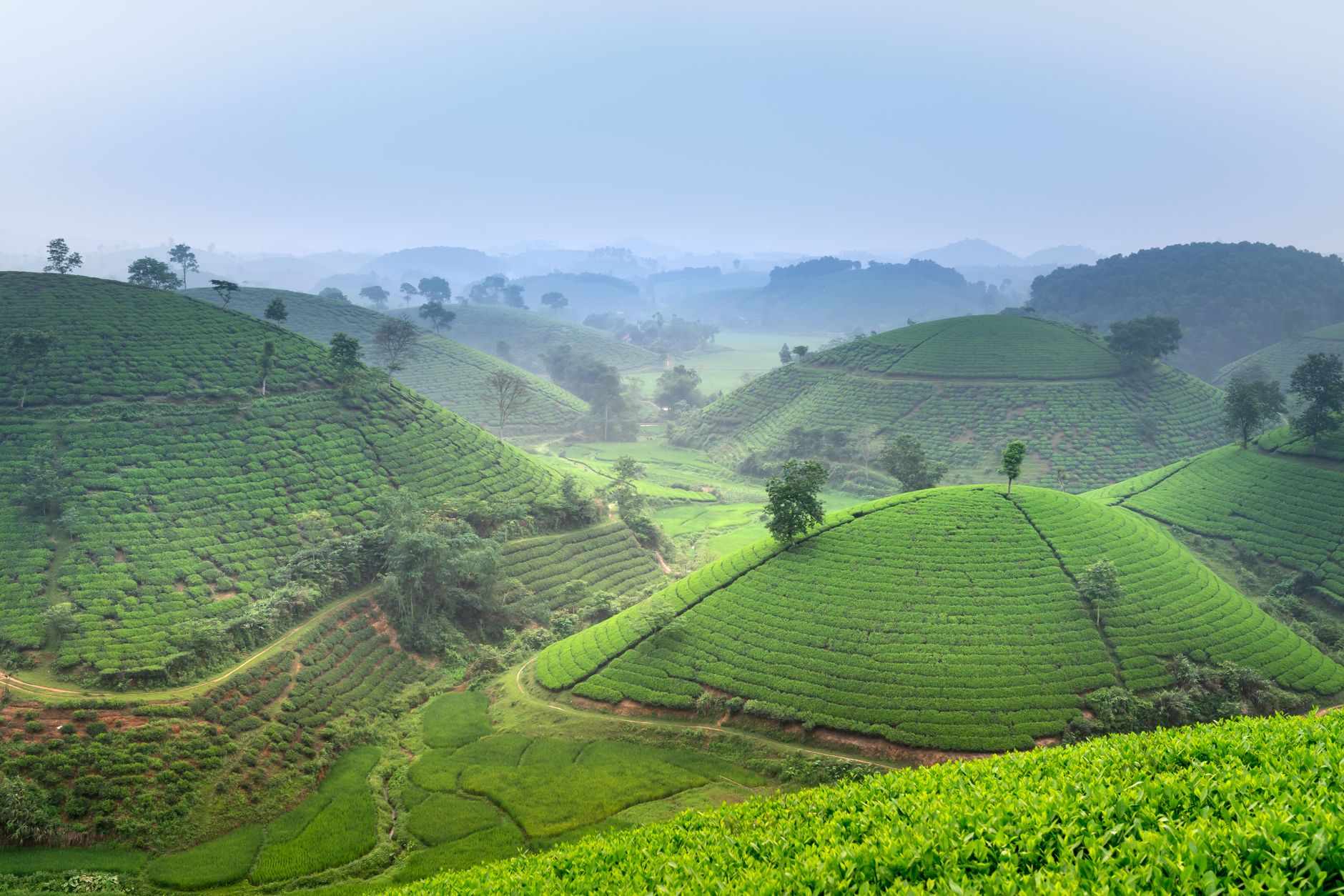
Bang Hot Springs — officially Khu Du Lich Suoi Nuoc Nong Bang — is a hot spring resort complex about 55 km northwest of Dong Hoi, tucked into the limestone karst foothills on the western edge of what is now Quang Tri province. It's one of the few developed natural hot spring sites in central Vietnam (베트남 / 越南 / ベトナム), and it draws a steady mix of domestic weekenders and the occasional traveler making a detour between Hue and Phong Nha.
What it is
The springs surface at temperatures between 37°C and 105°C, fed by geothermal activity deep beneath the Truong Son range. The site has been known locally for generations — villagers in the area used the springs long before any tourism infrastructure existed. The current resort was developed in the early 2010s, with soaking pools, mud baths, a waterfall area, and a small water park added over the years.
It's not a luxury spa. Think concrete pools under a forest canopy, mineral-rich water with a faint sulfur smell, and a vibe that's more local recreation park than Bali retreat. That's part of its appeal if you're looking for something unpretentious.
Why travelers go
Most visitors come for three reasons. First, the hot mineral water itself — locals swear by its effects on joint pain and skin conditions, and whether or not you buy the health claims, soaking in naturally heated water surrounded by jungle is genuinely relaxing. Second, it's a logical side trip from Phong Nha (퐁냐 / 峰牙 / フォンニャ), which sits about 50 km to the southeast. If you've spent a couple of days in caves and on river tours, a half-day at Bang is a good counterweight. Third, it's quiet. Even on weekends, the crowds are manageable compared to more famous hot spring sites up north.
Best time to visit
The sweet spot is September through March. The region gets heavy rain from September to November, but the hot springs are actually better in cooler, overcast weather — sitting in 40°C water when the air temperature is 22°C and mist is hanging in the trees is a different experience than sweating through it in July.
Avoid the peak summer months (June–August) if you can. Temperatures push past 38°C and the pools lose their appeal when the air is hotter than the water. Vietnamese public holidays — especially Tet and the April 30 / May 1 long weekend — bring big domestic crowds.
How to get there
The nearest transport hub is Dong Hoi, which has a small airport (VDQ) with flights from Hanoi and Saigon, plus a train station on the Reunification Express line.
From Dong Hoi, you have a few options:
- Motorbike rental: The most flexible choice. The ride takes about 1 hour 15 minutes via QL1A north then cutting west on DT562. Rentals in Dong Hoi run 120,000–180,000 VND/day for a semi-auto.
- Grab car or private taxi: Around 350,000–450,000 VND one way. Negotiate a round-trip with waiting time for roughly 700,000–900,000 VND.
- Organized tour: Several Phong Nha-based hostels and tour operators offer half-day trips to Bang Hot Springs for 250,000–400,000 VND per person, including transport and entry.
If you're based in Phong Nha rather than Dong Hoi, the drive is about 50 km and takes around 1 hour heading north and west.
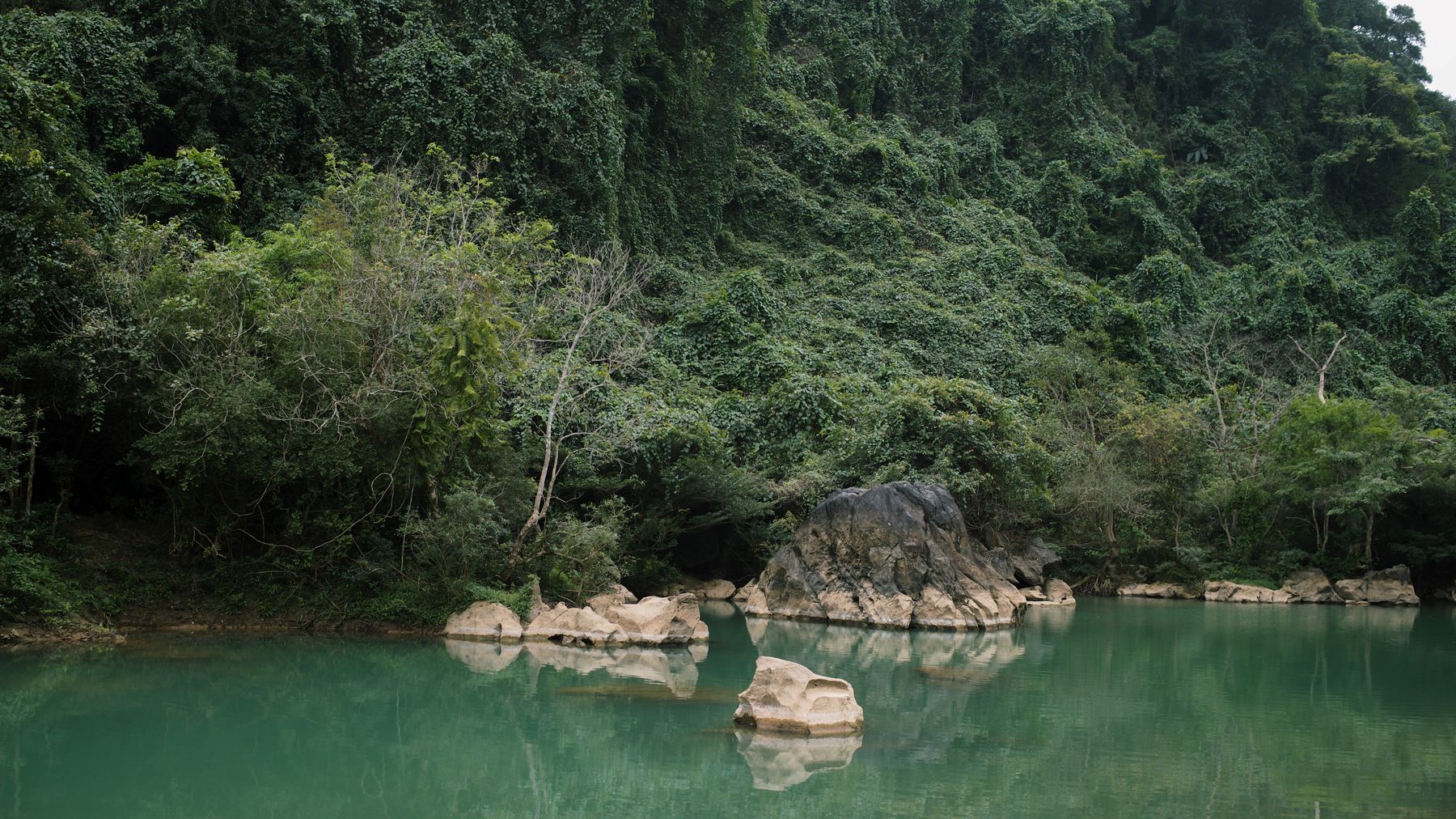
Photo by Lucas Tran on Pexels
What to do
Soak in the mineral pools
The main draw. There are several pools at different temperatures — start with the warm ones (around 37–40°C) and work your way up if you want hotter. Entry tickets cost approximately 100,000–150,000 VND for adults, depending on which pool zone you access.
Try the mud bath
Bang offers mineral mud baths where you coat yourself in warm clay, let it dry, then rinse off in the springs. It costs an additional 150,000–200,000 VND on top of the base entry. The mud is dense and gray, and yes, everyone looks ridiculous. Worth doing once.
Walk to the natural waterfall
A short trail from the main resort area leads to a natural waterfall fed by the spring runoff and the surrounding streams. The path is shaded and the waterfall pool is cool — a good contrast after the hot soak. Allow about 20 minutes each way.
Explore the surrounding forest
The valley around Bang sits at the edge of a protected forest area. If you have a motorbike, the roads west of the resort wind through small Kinh and ethnic minority villages with rice paddies and pepper farms. No need for a guide — just ride and stop when something catches your eye.
Cool down in the water park section
The resort added a small water park with slides and a wave pool aimed at families. It's basic compared to anything in Da Nang or Saigon, but if you're traveling with kids, it buys you an extra hour or two.
Where to eat nearby
The resort has its own restaurant serving standard Vietnamese fare at slightly inflated prices — expect 60,000–100,000 VND per dish. The food is acceptable but unremarkable.
Better to eat before or after your visit. Along the road between Dong Hoi and Bang, small roadside places serve "bun bo Hue" — the spicy beef noodle soup that's a staple across central Vietnam — and "banh canh", the thick tapioca-flour noodle soup that's particularly good in this part of the country. A bowl runs 25,000–40,000 VND. Look for places with plastic stools and a crowd of locals outside — the usual reliable filter.
Where to stay
Most visitors treat Bang as a day trip from Dong Hoi or Phong Nha. But if you want to stay closer:
- Bang Hot Springs resort rooms: Basic but clean rooms and bungalows on-site, ranging from 400,000–800,000 VND/night. Booking directly or calling ahead is more reliable than online platforms for this property.
- Dong Hoi: A wider range of hotels and hostels. Budget rooms from 200,000 VND/night, mid-range hotels around 500,000–900,000 VND.
- Phong Nha: If you're combining with cave visits, stay in Phong Nha village where backpacker hostels start at 120,000 VND/dorm bed and private rooms run 300,000–600,000 VND.
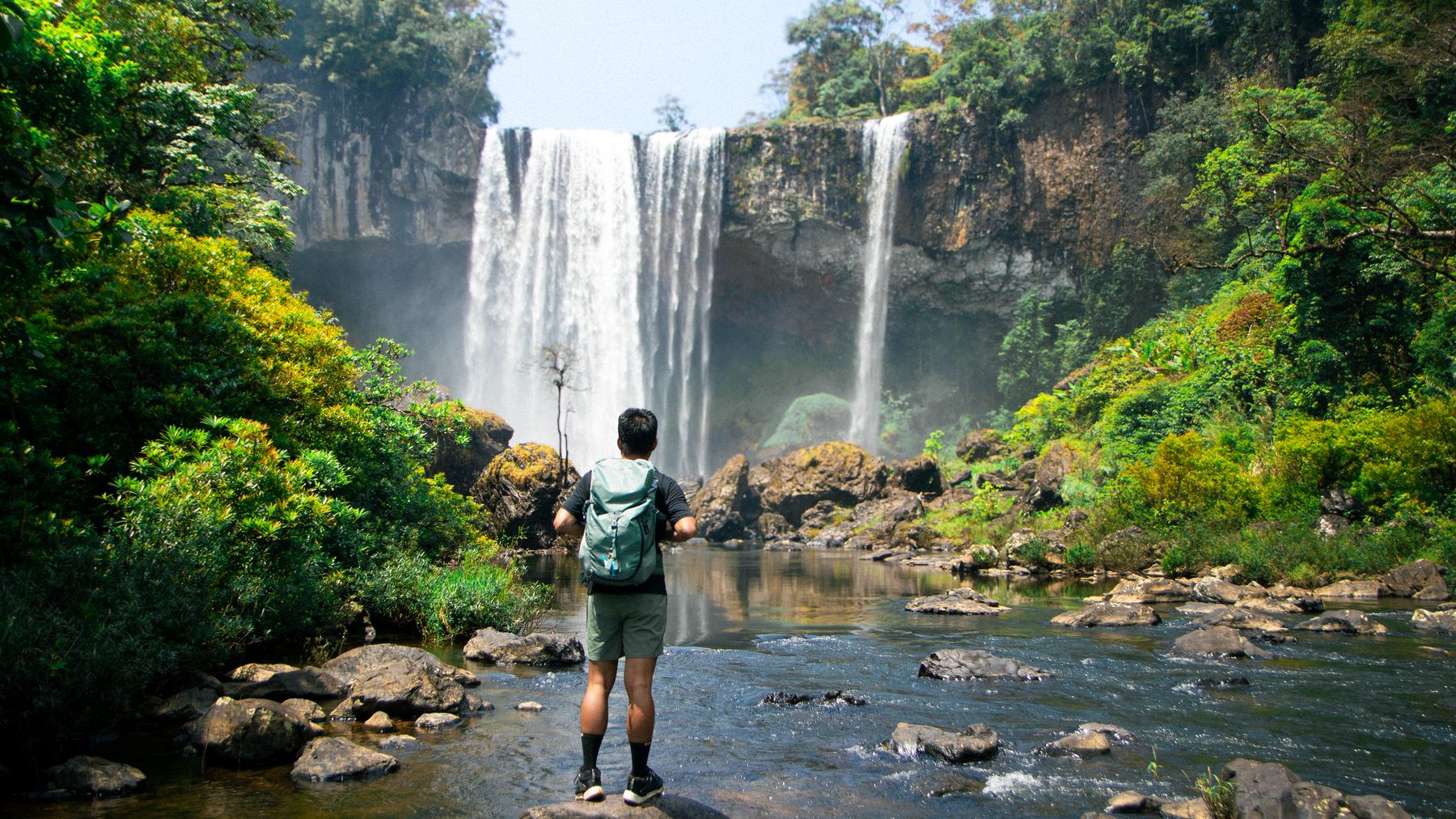
Photo by Tường Chopper on Pexels
Practical tips locals would tell you
- Bring your own towel. Towel rental exists but the quality is hit or miss.
- Go early on weekends. The resort opens around 7:00–7:30 AM. By 10 AM on a Saturday, the main pools get crowded with domestic tour groups.
- Wear water shoes or sandals with grip. The walkways between pools can be slippery, and the trail to the waterfall is uneven.
- Bring cash. Card payment is unreliable. ATMs are in Dong Hoi, not at the resort.
- Hydrate. Hot water soaking dehydrates you faster than you'd think. Bring a water bottle or buy drinks on-site.
Common mistakes to avoid
- Spending a full day here. Three to four hours is enough for most people. The pools, mud bath, and waterfall can all be done comfortably in a half-day. Plan your visit as part of a bigger day — combine it with the drive to or from Phong Nha.
- Visiting in peak summer heat. As mentioned, hot springs in 38°C weather aren't relaxing. Time your visit for cooler months or at least go early in the morning.
- Skipping the mud bath to save money. The extra 150,000–200,000 VND is the most distinctive part of the experience. The regular pools alone are pleasant but not that different from any heated swimming pool.
- Not checking the road conditions in rainy season. The route from Dong Hoi is paved but sections west of the main highway can flood briefly after heavy downpours. Ask your hotel about conditions before heading out.
Practical notes
Bang Hot Springs works best as a half-day detour between Dong Hoi and Phong Nha, or as a rest day if you've been doing heavy trekking or caving. It's not a destination you'd fly to Vietnam for, but if you're already in the area, it's a solid way to spend a morning.
Last updated · May 29, 2026 · independently researched, never sponsored.