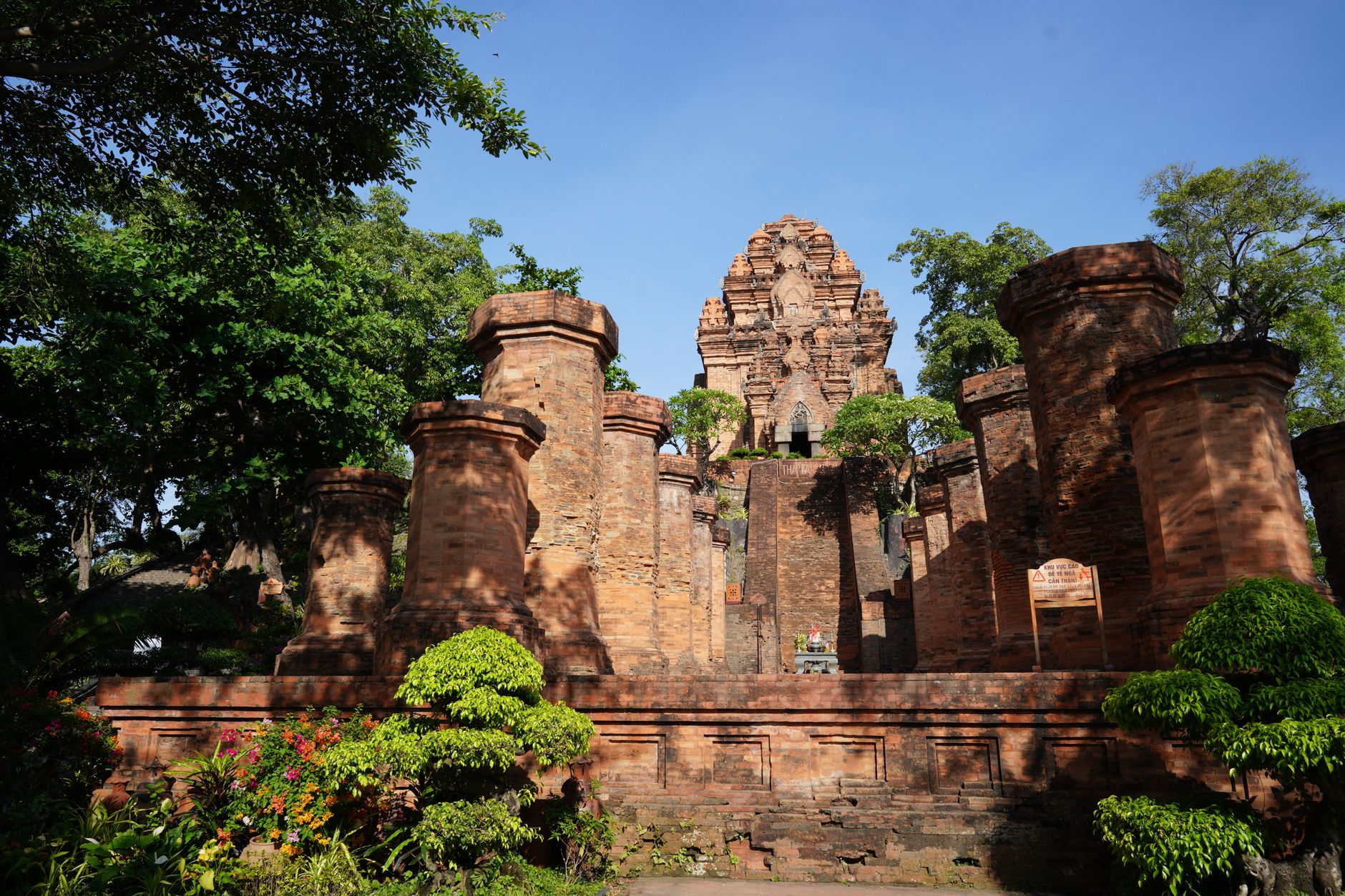
What Diep Son actually is
Diep Son isn't one island — it's three. Hon Bip, Hon Giua, and Hon Duoc sit about 2.5 km off the coast of Van Phong Bay in Khanh Hoa province, roughly 80 km north of Nha Trang (냐짱 / 芽庄 / ニャチャン). What draws people here is the narrow sandbar that connects the islands, sitting just below the waterline at most tides. You walk across it shin-deep in seawater with open ocean on both sides. It's genuinely strange-looking, and the photos aren't exaggerated — the path really does appear to float on the sea.
The islands were home to a small fishing community for decades before tourism arrived around 2015-2016. Even now, Diep Son feels more like a fishing hamlet than a resort island. There are no ATMs, no convenience stores, and limited phone signal on parts of Hon Bip. That's part of the appeal.
Why travelers go
The sandbar is the main draw, full stop. At low tide it emerges fully — a 700-meter ribbon of packed sand roughly a meter wide. At mid-tide, you're ankle- to knee-deep in warm, clear water. At high tide, it disappears entirely. The experience of crossing it is simple but oddly satisfying: you're walking on the sea with nothing around you but water, sky, and a few fishing boats.
Beyond the sandbar, Diep Son appeals to people who want somewhere quiet. If you've been doing the Nha Trang bar-and-boat-tour circuit and need a reset, a night on Diep Son is the antidote. The snorkeling is decent, the seafood is fresh, and nobody's trying to sell you anything.
Best time to visit
The sweet spot is March through September. Seas are calm, skies are mostly clear, and the sandbar is at its most photogenic. April to June tends to be the best balance — warm without the intense heat of July-August, and fewer domestic tourists than the summer holiday peak.
Avoid October through January. The northeast monsoon brings choppy seas and occasional rain, and boat operators sometimes cancel crossings. Tet holiday (usually late January or early February) can work if the weather cooperates, but don't count on it.
For the sandbar itself, check the local tide chart — you want to arrive within two hours of low tide. Most boat operators time the trip accordingly, but it's worth confirming.
How to get there from Nha Trang
From Nha Trang, head north to Van Gia port (also called Cau Da Van Gia or sometimes listed as Dam Mon pier). The drive takes about 90 minutes by motorbike or car along the QL1A highway, then a turnoff toward the coast.
- By motorbike: Rent in Nha Trang for 120,000-150,000 VND/day. The road is straightforward — mostly highway, then a quiet coastal stretch. Park at the pier for free or tip someone 20,000 VND to watch it.
- By taxi/private car: Around 500,000-700,000 VND one way from central Nha Trang. Grab works but drivers may not want to wait — better to arrange a round trip.
- By local bus: Catch a bus heading toward Van Ninh from Nha Trang's bus station, then a xe om (motorbike taxi) to the pier. Cheaper but slower — budget 2-2.5 hours.
From Van Gia pier, wooden fishing boats run to Diep Son. The crossing takes about 30-40 minutes and costs 50,000-80,000 VND per person each way if you join a shared boat. Chartering a private boat runs 400,000-600,000 VND round trip. Boats typically run from 7:00 AM to around 3:00 PM — miss the last one and you're staying the night.
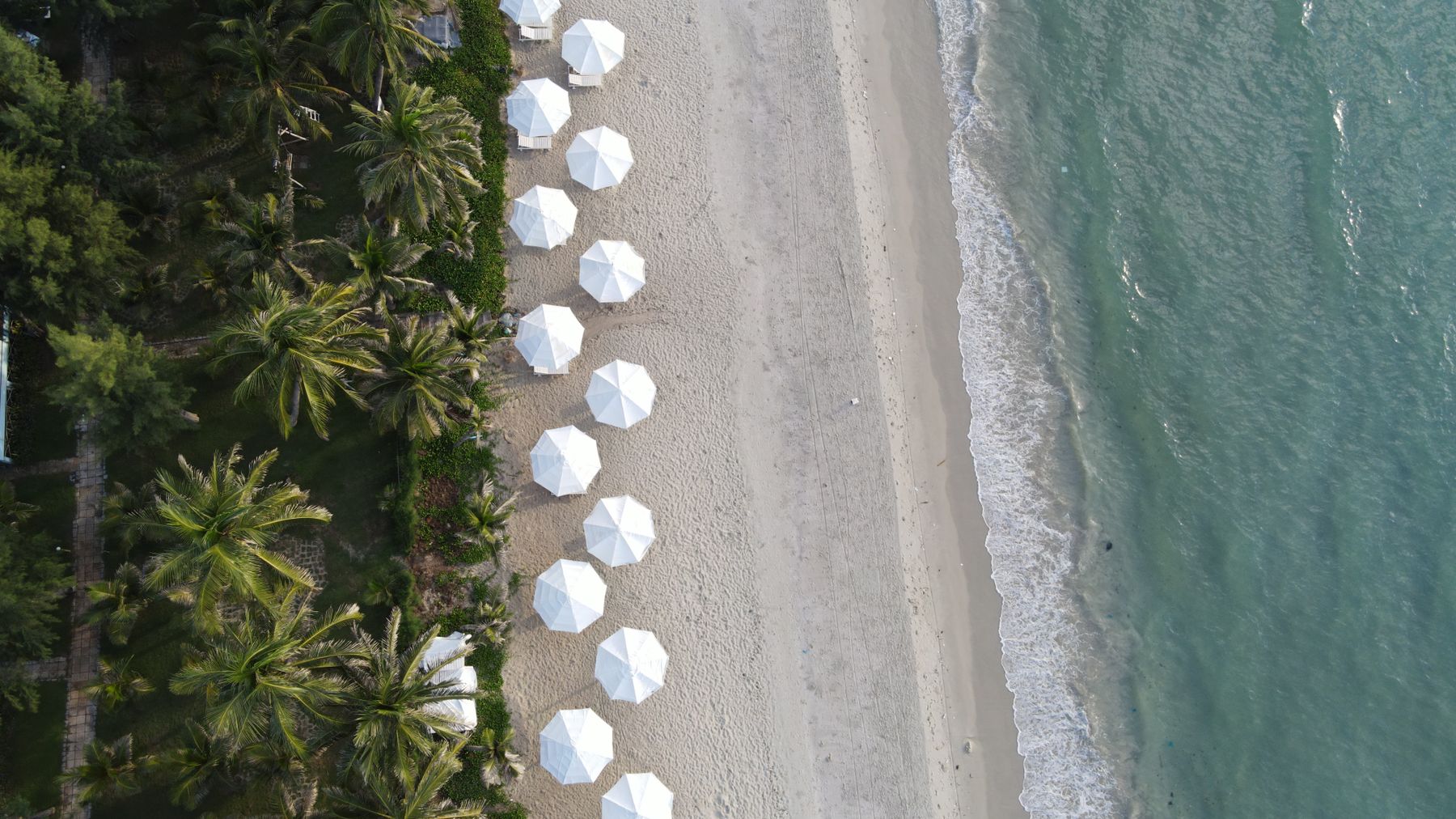
Photo by Quang Nguyen Vinh on Pexels
What to do on Diep Son
Walk the sandbar
Obvious, but do it right. Go at low tide for the full dry-sand experience, then again as the water rises for the walk-on-water effect. Early morning light is best for photos — by midday the sun is directly overhead and flattens everything. Wear shoes you don't mind getting wet; the sand has occasional shells and coral bits.
Snorkel off Hon Giua
The middle island has the clearest water and some coral patches along its eastern shore. Don't expect Raja Ampat — this is modest reef with small tropical fish — but visibility is good from March to June. Bring your own mask and snorkel; rental options on the island are limited and the gear is rough.
Hike to the viewpoint on Hon Bip
A short scramble (maybe 20 minutes) up the rocky hill on the largest island gives you a top-down view of the sandbar and all three islands. There's no marked trail — follow the worn path behind the homestays. Bring water; there's no shade at the top.
Eat seafood with the fishing families
Several households on Hon Bip cook meals for visitors. Point at whatever came in on the boats that morning — expect crab, squid, sea snails, and whatever small fish were running. A full seafood spread for two runs 200,000-400,000 VND depending on what's available. It's not a restaurant experience; you eat on plastic chairs under a tin roof, and it's better for it.
Do absolutely nothing
Diep Son is one of the few places near Nha Trang where doing nothing actually works. No music, no jet skis, no tour groups (on weekdays, at least). Bring a book.
Where to eat nearby
On the island, your options are homestay-cooked seafood meals — fresh and simple. Ask for "goi cuon" with shrimp if they have it, or grilled squid with salt-pepper-lime dip.
Back on the mainland near Van Gia, look for local "hu tieu" stalls — the southern-influenced noodle soup is common in this part of Khanh Hoa and makes a solid post-boat meal. A bowl runs 30,000-40,000 VND.
Where to stay
On Diep Son: Basic homestays on Hon Bip — think mattress on the floor, mosquito net, shared bathroom, fan cooling. Expect 150,000-300,000 VND per person per night, often including dinner and breakfast. Camping is possible if you bring your own tent; some homestays rent tents for around 100,000 VND.
Back in Van Phong Bay area: A handful of guesthouses and small resorts near the coast offer more comfort. Budget places run 300,000-500,000 VND/night; mid-range options with air conditioning and hot water go for 600,000-1,000,000 VND.
In Nha Trang: If you're day-tripping, you'll have the full range — from 200,000 VND dorm beds to beachfront hotels.
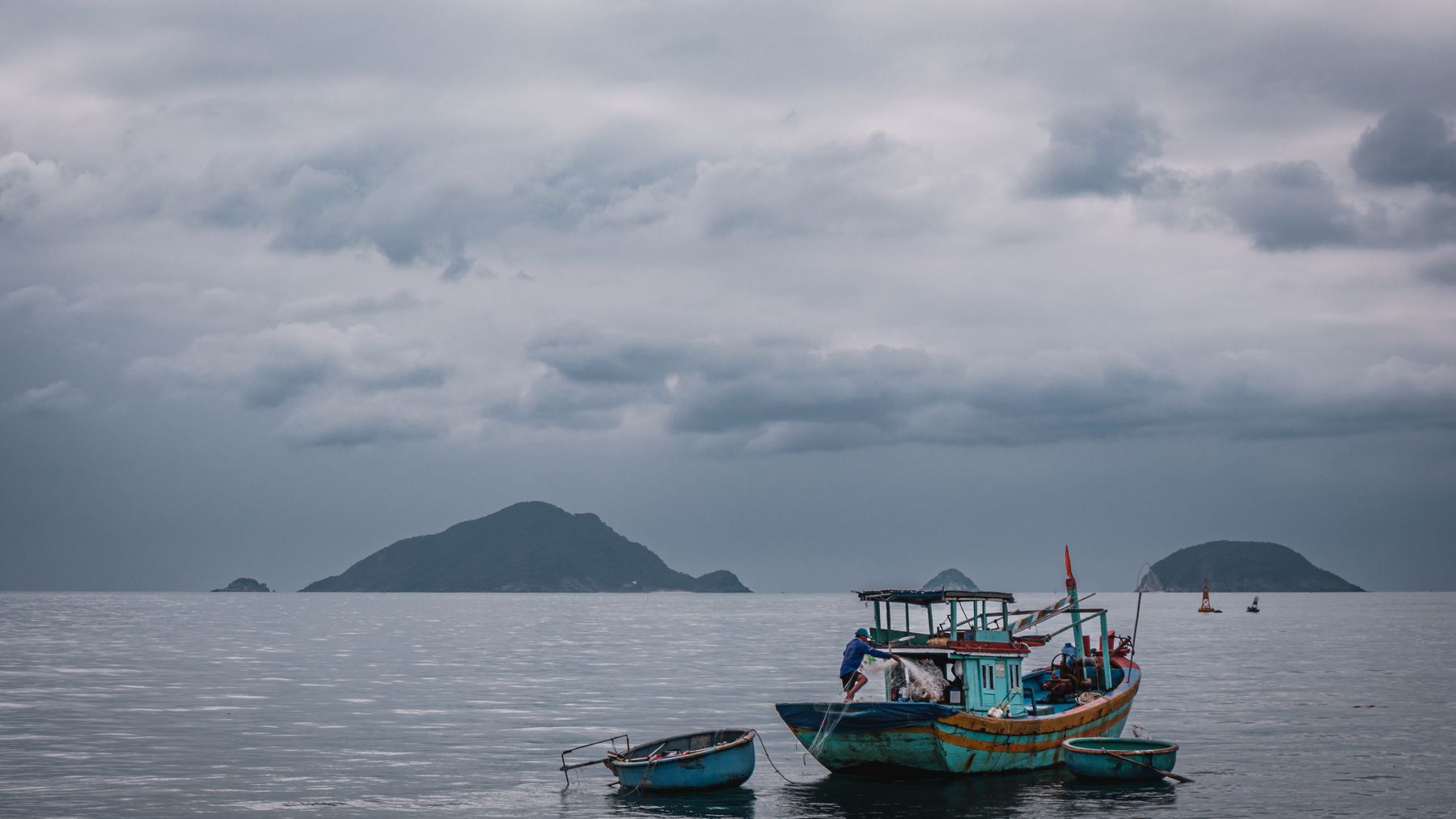
Photo by Luke Dang on Pexels
Practical tips locals would tell you
- Bring cash. No card readers exist on Diep Son. Bring more than you think — there's no ATM until you're back on the mainland.
- Pack light but pack smart. Sunscreen, a hat, reef-safe insect repellent, a dry bag for your phone, and a refillable water bottle. Fresh water on the island is limited.
- Confirm boat times the day before. Weather and tides shift schedules. Your homestay host or a local fisherman at the pier can give you the real departure time.
- Weekend vs. weekday matters. Vietnamese domestic tourists pack Diep Son on summer weekends — the sandbar gets crowded and homestays fill up. Weekdays are dramatically quieter.
Common mistakes to avoid
- Arriving at high tide and wondering where the sandbar went. Check the tide chart. If you show up at the wrong time, you'll wait hours or miss it entirely.
- Expecting resort-level accommodation. This is a fishing island. If you need air conditioning and hot showers, stay on the mainland and day-trip in.
- Not bringing enough water. The island has some bottled water for sale, but supplies run out, especially on busy days. Bring at least 2 liters per person.
- Skipping the overnight. The day-trip crowd all arrives and leaves in the same window. If you stay the night, you get the sandbar at sunset and sunrise mostly to yourself.
Practical notes
Diep Son works best as a one- or two-night detour from Nha Trang — long enough to catch the tides right and decompress, short enough that the basic facilities don't wear on you. It pairs well with a broader Khanh Hoa itinerary that includes Nha Trang's food scene and the coast north toward Van Phong Bay. Go on a weekday, time the tides, and bring cash.
Last updated · May 26, 2026 · independently researched, never sponsored.