What it is
Doi Tuc Dup is a modest granite hill — roughly 300 meters long and 200 meters wide, topping out around 216 meters above sea level — in Tri Ton district, An Giang province. The name comes from Khmer ("tuk dup" meaning "water at night"), a reference to the natural springs that flow through the hill's cave system after dark. During the American War, local forces used the hill's network of caves and tunnels as a base, and it took heavy bombardment over months. Today it's a memorial site and a quiet day-trip destination, popular with domestic visitors but rarely seen by foreign travelers.
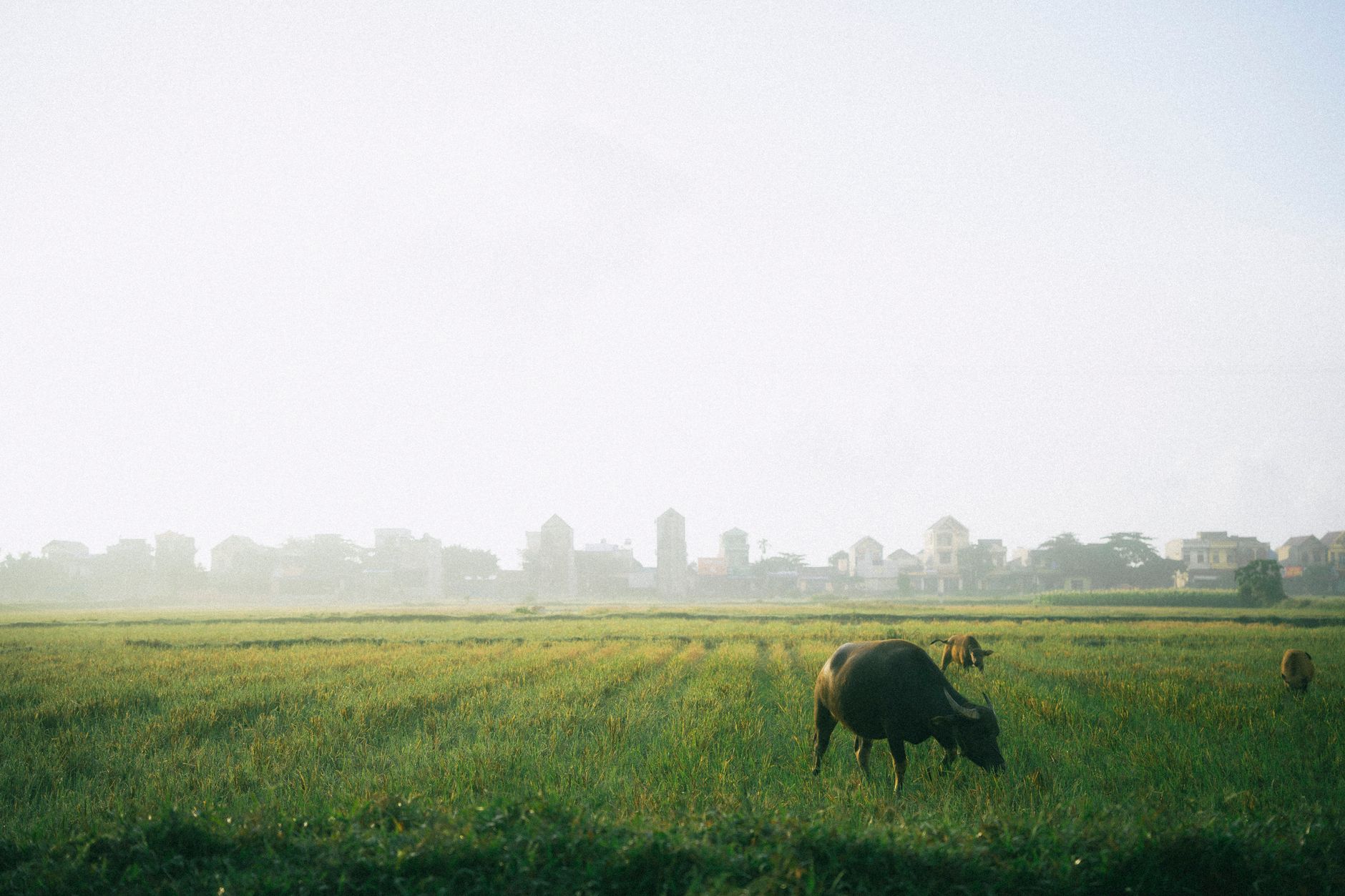
The hill sits in the Seven Mountains ("Bay Nui") area near the Cambodian border — a cluster of low peaks that rise unexpectedly from the flat rice paddies of the Mekong Delta (메콩 델타 / 湄公河三角洲 / メコンデルタ). The landscape alone makes it worth the detour.
Why travelers go
Most foreign visitors skip this part of An Giang entirely, heading instead for Chau Doc or the floating markets near Can Tho. But Doi Tuc Dup offers something different: a half-day of scrambling through natural caves, walking shaded forest paths, and getting a sense of wartime history without the crowds of Cu Chi Tunnels. The Seven Mountains backdrop — jagged granite against impossibly green rice fields — is one of the more photogenic corners of the delta.
It's also a chance to see rural Khmer communities in the Tri Ton area, visit nearby pagodas with Theravada architecture, and eat Khmer-influenced dishes you won't find in Saigon.
Best time to visit
The dry season (November to April) is ideal. The trails and cave entrances get slippery in the wet months, and the heat is slightly more manageable from December through February. That said, the post-rain season (late October, early November) turns the surrounding paddies electric green — worth it if you don't mind some mud.
Avoid major Vietnamese holidays like Tet if you want the place to yourself. Domestic tourists flood the memorial site during public holidays, especially April 30.
How to get there
From Saigon
Drive or bus to Chau Doc (roughly 250 km, 5-6 hours by road). From Chau Doc, Doi Tuc Dup is about 40 km southwest via QL91 and DT948 — another hour by motorbike or car. Buses run from Saigon (사이공 / 西贡 / サイゴン)'s Mien Tay station to Chau Doc or Tri Ton town.
From Can Tho
About 150 km, 3-3.5 hours by car via Long Xuyen and Chau Doc, or cutting through Tinh Bien.
Local transport
Once in Tri Ton, you can hire a "xe om" (motorbike taxi) for around 50,000-80,000 VND one way to the hill. Having your own motorbike gives the most flexibility — the roads through the Seven Mountains are quiet and scenic.

Photo by Pew Nguyen on Pexels
What to do
Explore the cave and tunnel system
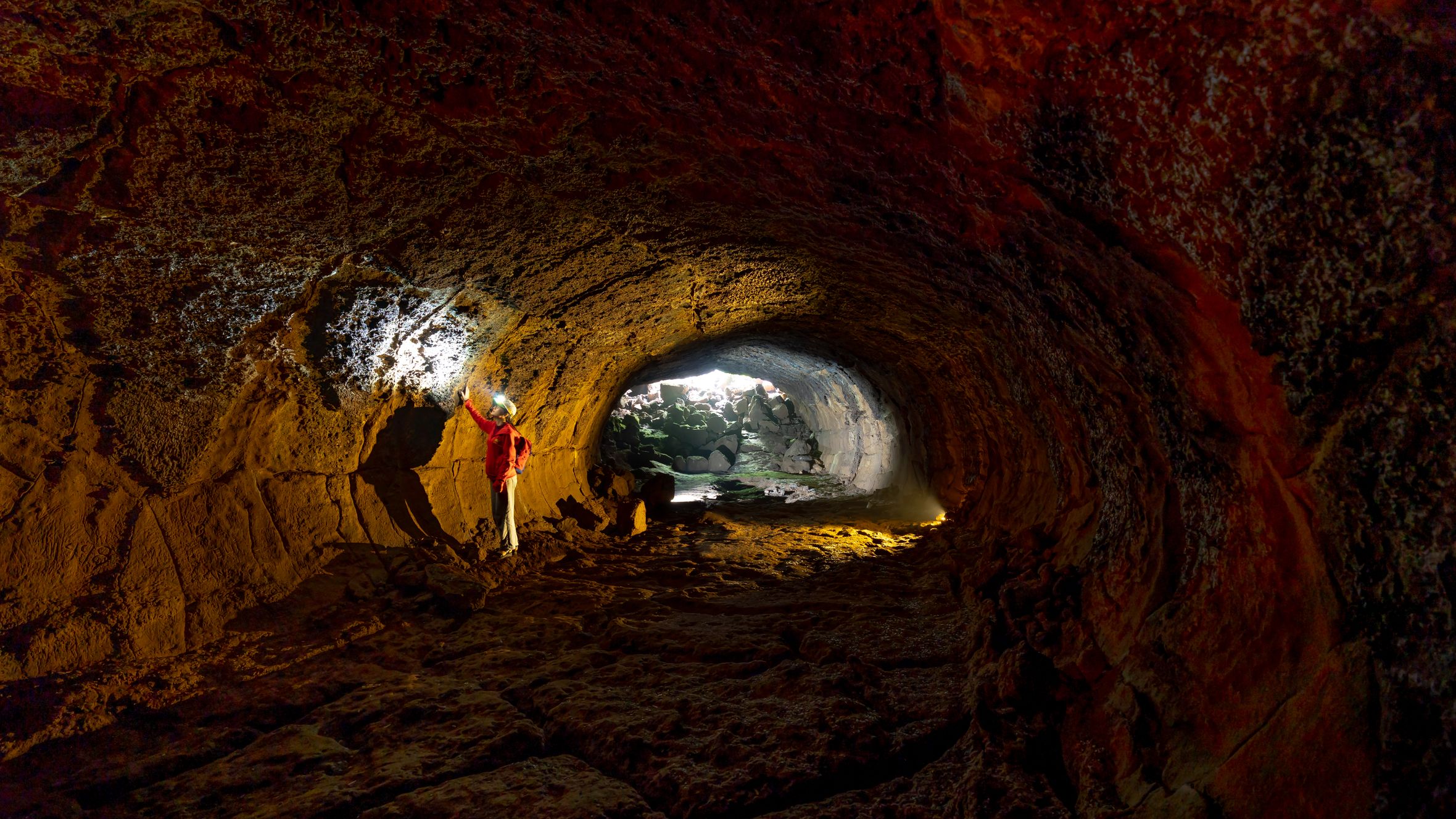
The main draw. A marked path leads through several natural caves that were expanded during wartime into a multi-level tunnel network — meeting rooms, storage areas, a field hospital. Some sections require ducking or crawling. Bring a flashlight (phone light works in a pinch). The full circuit takes 45 minutes to an hour.
Climb to the summit
A stepped path leads to the top of the hill. The view from up there — the flat delta stretching to the horizon, dotted with the other peaks of Bay Nui — is worth the 15-minute climb.
Visit the memorial and museum
A small museum near the entrance displays wartime artifacts, photos, and maps. Signage is mostly in Vietnamese, but the physical objects (bomb fragments, cooking implements, medical tools) tell their own story.
Drive the Seven Mountains loop
If you have a motorbike, combine Doi Tuc Dup with Nui Cam (the tallest of the seven peaks), the Khmer pagodas around Tri Ton, and the palm sugar workshops along the road. A full loop takes a day.
Where to eat
Tri Ton town has a handful of local rice-and-noodle shops. Look for:
- "Bun ca" (fish noodle soup) — the Mekong Delta version, with snakehead fish and turmeric broth. Around 30,000-40,000 VND a bowl.
- Khmer-style grilled dishes — whole fish or chicken grilled over charcoal with lemongrass, served at open-air spots on the road between Tri Ton and Tinh Bien.
- "Banh xeo" Ba Cuc — a well-known local spot for the crispy crepe stuffed with shrimp and bean sprouts. Expect 20,000-30,000 VND per piece.
For something more substantial, head back to Chau Doc where the restaurant scene is better developed — the floating fish-farm restaurants along the river serve excellent "hu tieu" and grilled "com tam" plates.
Where to stay
There's no accommodation at Doi Tuc Dup itself. Your options:
- Tri Ton town: A few basic guesthouses ("nha nghi"), 200,000-350,000 VND per night. Clean enough, don't expect English.
- Chau Doc (40 km away): Better range — from 300,000 VND budget hotels to mid-range places like Victoria Chau Doc for around 1,500,000 VND. Most travelers base themselves here and day-trip to the hill.

Photo by Du Tử Mộng on Pexels
Practical tips
- Entrance fee: 20,000 VND per person (as of early 2024). Minimal.
- Footwear: Closed-toe shoes with grip. The cave floors are uneven and can be wet.
- Water: Bring your own. There's a small drink stand at the entrance but selection is limited.
- Time needed: 2-3 hours covers the caves, summit, and museum comfortably.
- Language: Almost no English spoken in the area. A translation app or basic Vietnamese phrases help.
- Combine with: Sam Mountain (Nui Sam) near Chau Doc, the Tra Su cajuput forest, or the Tinh Bien border market for a fuller trip.
Common mistakes
- Rushing it as a pure war-history site. The caves and landscape deserve attention on their own. Don't just tick off the museum and leave.
- Coming without your own wheels. Public transport to the hill itself is thin. Without a motorbike or hired car, you'll spend more time waiting than exploring.
- Skipping the surrounding area. Doi Tuc Dup alone might feel brief. The Seven Mountains loop, Khmer villages, and sugar palm countryside are what make this corner of An Giang worth multiple days.
Final note
Doi Tuc Dup won't be on any "top 10 Vietnam" lists, and that's part of why it works. It's a place for travelers who've already done Saigon and the delta's greatest hits and want to push further into the country's quieter edges. Pair it with a couple of nights in Chau Doc and you've got one of the more interesting loops in southern Vietnam.
Last updated · May 29, 2026 · independently researched, never sponsored.