Saigon runs on "hu tieu" the way Hanoi runs on pho — it is the default breakfast, the hangover cure, and the 11 p.m. wind-down, all in one bowl. If you have walked past a cart loaded with pork bones, dried squid, and shrimp crackers and had no idea how to begin, this is your entry point.
What You Are Actually Eating
Hu tieu (후띠우 / 粿条 / フーティウ) is a southern rice-noodle soup built on a pork-bone broth that simmers for hours with dried shrimp and squid until it turns sweet and clear — nothing like the spiced red broth of "bun bo hue" up north. The noodles are thin, slightly translucent, and have a chewier bite than pho. Toppings typically include minced pork, sliced pork liver, shrimp, quail eggs, and fried shallots. A tangle of fresh bean sprouts, garlic chives, and a wedge of lime come on the side plate.
The thing that trips up newcomers is that hu tieu is not one dish. The three versions you will encounter most often in Saigon (사이공 / 西贡 / サイゴン) are:
My Tho Style
Originates from My Tho in Tien Giang province. The broth is lighter and sweeter, often finished with a drizzle of pork lard. Noodles are finer. This is the baseline most visitors picture.
Nam Vang Style
"Hu tieu Nam Vang" (Phnom Penh style, brought by Cambodian-Chinese communities) is slightly richer, usually topped with pork offal, whole shrimp, and sometimes a raw egg cracked in tableside. The broth has a deeper, rounder sweetness from dried flounder.
Kho — the Dry Version
If you see "kho" on the menu or a sign that says hu tieu kho, that means you get the noodles tossed in lard and seasoning, served with a small bowl of broth on the side for sipping. Same toppings, completely different experience. Texture-forward, slightly sticky, better suited to people who find soup too heavy in the heat.
How to Actually Order
Most hu tieu spots in Saigon operate as single-dish stalls or small shophouses. The menu, if there is one, is usually a laminated card or written on the wall. Here is what you need to know:
1. Decide: nuoc (soup) or kho (dry). Point and say nuoc or kho — staff will understand.
2. Decide: lon (large) or nho (small). A small bowl is usually enough for breakfast. Large if it is your main meal.
3. Say what you do not want. Liver-averse? Say khong gan (no liver). Avoiding shrimp? Khong tom. Most stalls are used to this.
4. Customize at the table. Every table has a condiment rack: tuong den (dark soy), tuong ot (chili sauce), fish sauce, sugar, fresh chilies, white pepper. Start with a taste before you add anything — the broth at a good spot does not need much.
5. Eat the side plate first. Pile bean sprouts and chives into the bowl, squeeze in the lime, then eat quickly. Hu tieu noodles go soft faster than pho noodles.

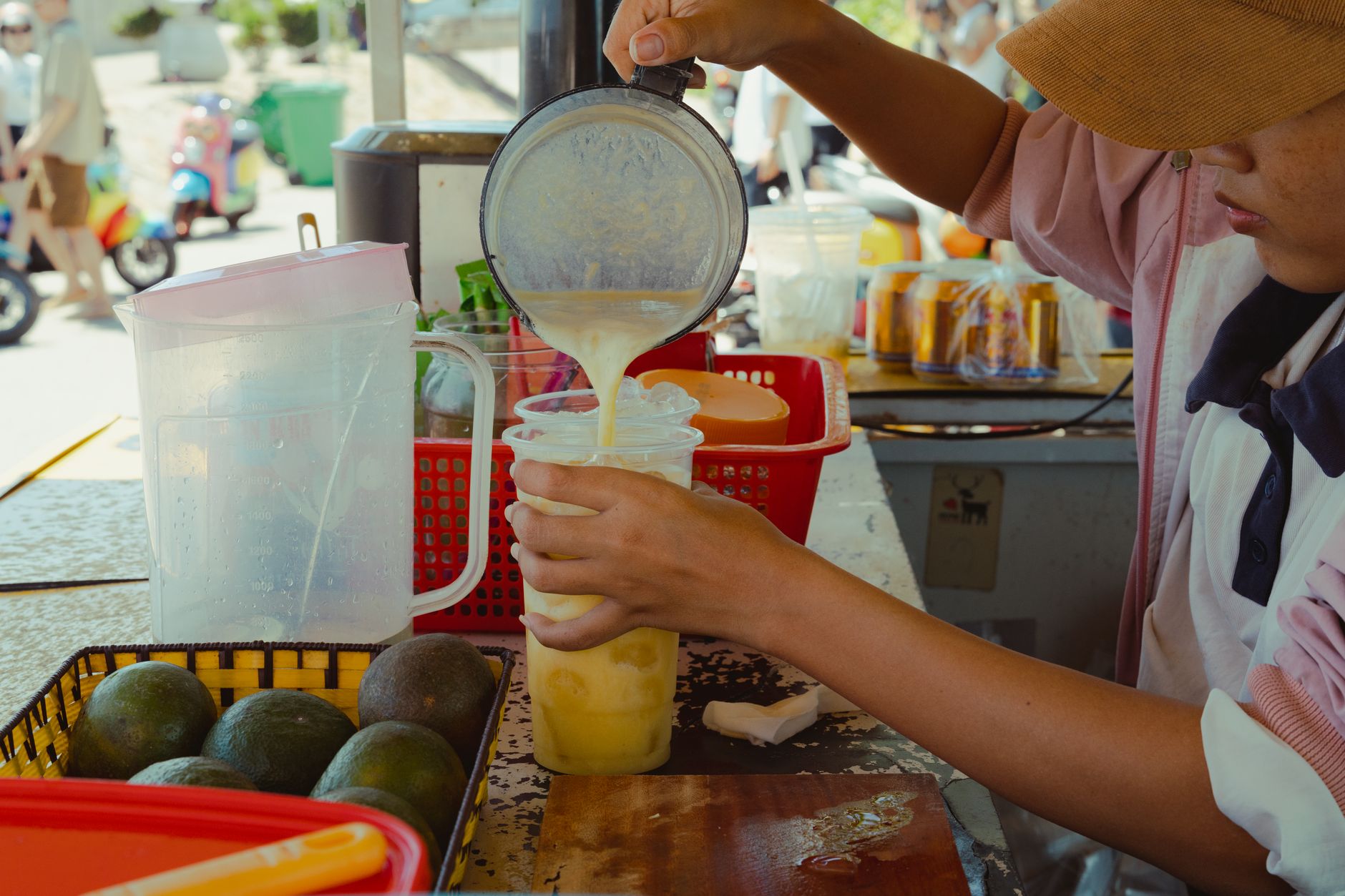
Photo by Pew Nguyen on Pexels
Where to Go in Saigon
Hu Tieu Nam Vang Ly Canh Hoa — 96 Vinh Khanh, District 4. One of the most-referenced Nam Vang spots in the city. Opens around 6 a.m., usually sold out by 10 a.m. A bowl runs 50,000–70,000 VND depending on toppings. District 4 is a ten-minute taxi ride from Bui Vien.
Quan Ky — 167B To Hien Thanh, District 10. Old-school shophouse, open from roughly 6 a.m. to 1 p.m. Known for clean broth and generous pork portions. Around 45,000–55,000 VND.
Hu Tieu My Tho Thanh Xuan — 159 Nguyen Trai, District 1. Convenient if you are staying in the backpacker corridor. My Tho style, lighter broth, reliable. Open 6 a.m. to noon, 40,000–60,000 VND.
For the dry version, any stall advertising hu tieu kho along Nguyen Thi Minh Khai or in Cho Lon (District 5–6) is worth stopping at — that neighborhood has the densest concentration of Chinese-Vietnamese hu tieu vendors in the city.

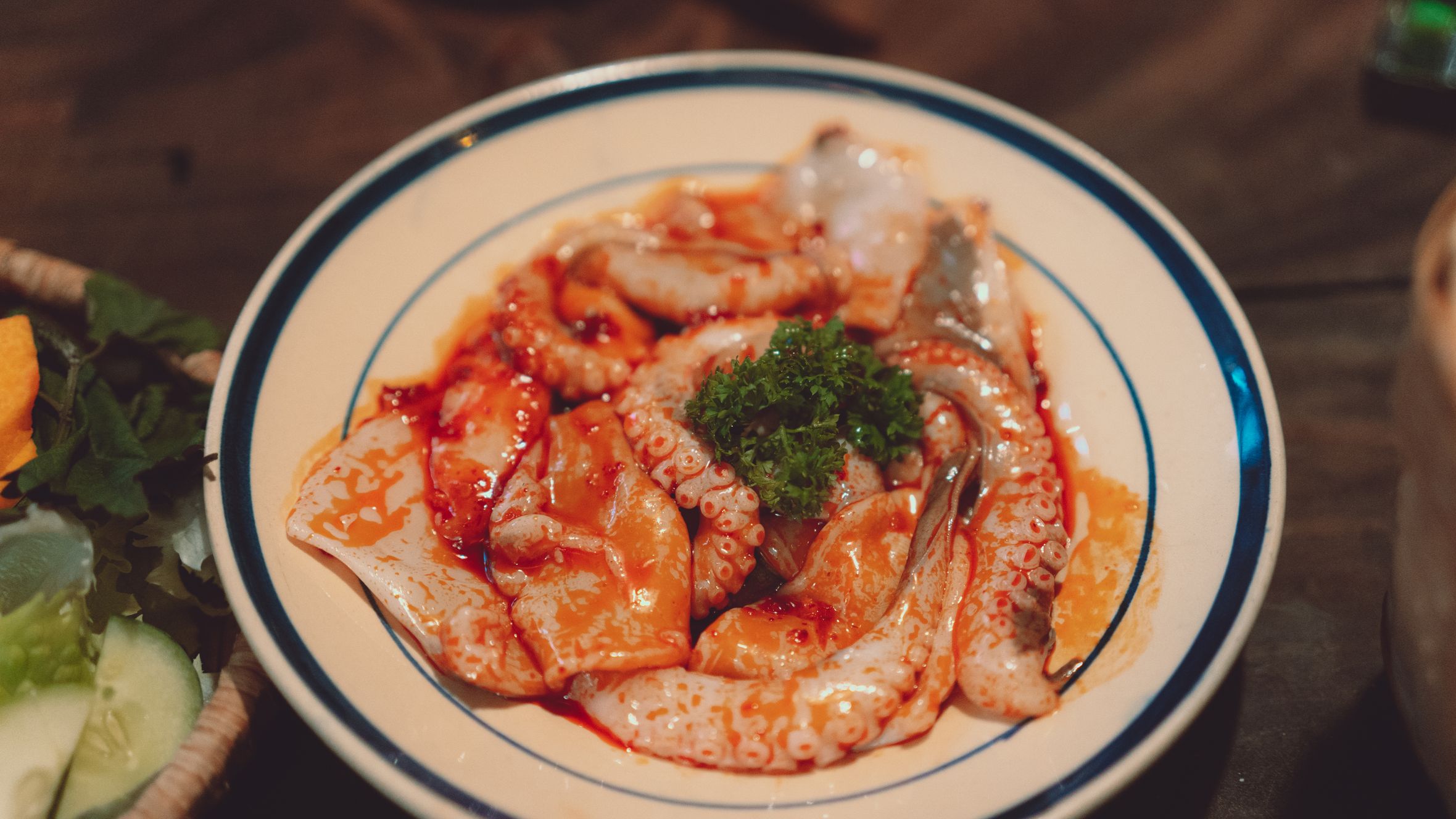
Photo by Trần Phan Phạm Lê on Pexels
A Few Things Worth Knowing
Hu tieu is a morning-to-midday dish at most stalls. If you show up at 2 p.m., many spots will already be closed or out of broth. The carts that appear at night near Ben Thanh Market or along Nguyen Chi Thanh are usually a different, simpler operation — still good, just not the same depth.
The shrimp crackers (banh phong tom) that come free at some stalls are not a garnish — snap them in half and drop them into the broth. They soften into something between a crouton and a dumpling skin.
If you are already exploring Saigon's wider noodle landscape, "bun rieu" and "banh canh" are natural next stops — both southern, both very different from hu tieu, and both available at breakfast hours.
Practical Notes
Budget 40,000–70,000 VND per bowl across most of the spots above. Arrive before 9 a.m. for the best broth and the widest topping selection. Bring small bills — most hu tieu stalls do not have card readers.
Last updated · May 29, 2026 · independently researched, never sponsored.