
The smell hits you before the bowl does. "Lau mam" — Mekong-style fermented fish hotpot — is the dish southern Vietnamese are proudest of and most amused to watch outsiders encounter for the first time. Can Tho is the right city to try it: the Cai Khe neighborhood has been doing this longer than anywhere else, the prices are honest, and the cooks have zero interest in dialing it down for tourists.
What You're Actually Eating
The base is "mam ca linh" or "mam ca sac" — fermented snakehead or small river fish that has been salted and packed down for weeks, sometimes months. The broth starts from that paste, loosened with coconut water or plain water, then simmered with lemongrass, galangal, and dried chili until the funk softens into something rich and deeply savory. It doesn't smell polite. It smells like the river, in the best possible sense if you let yourself adjust.
What goes into the pot after that is up to you, and this is where first-timers freeze. The table arrives loaded: raw pork belly, shrimp, squid, fried tofu puffs, eggplant, morning glory, banana blossom, water spinach, and a tangle of rice vermicelli. The server lights the burner under the clay pot, and then — nothing. No further instruction. You're expected to know.
How to Order at a Cai Khe Restaurant
The neighborhood to head to is Cai Khe, roughly 2 km southwest of the Ninh Kieu waterfront. The stretch of Nguyen Cu Trinh Street and the lanes running off it have half a dozen lau mam spots operating from around 10 AM through to 9 PM.
Quan Lau Mam Ba Lien (50 Nguyen Cu Trinh, Cai Khe ward) is the one locals actually send people to. It's been running for over 20 years, the broth is made fresh each morning, and the portions are honest. A full set for two — broth pot, mixed protein plate, full vegetable basket, vermicelli, and dipping fish sauce — runs 180,000 to 220,000 VND depending on the protein add-ons. Shrimp and squid cost more than pork; order the mixed plate if it's your first time so you get a bit of everything.
When you sit down, you'll be asked one question: "Cay khong?" — spicy or not. Say "it cay" (a little spicy) unless you genuinely want heat. The default southern spice level is aggressive.
If the menu is handwritten and you can't read it, point at the table next to you. This works every time and nobody minds.
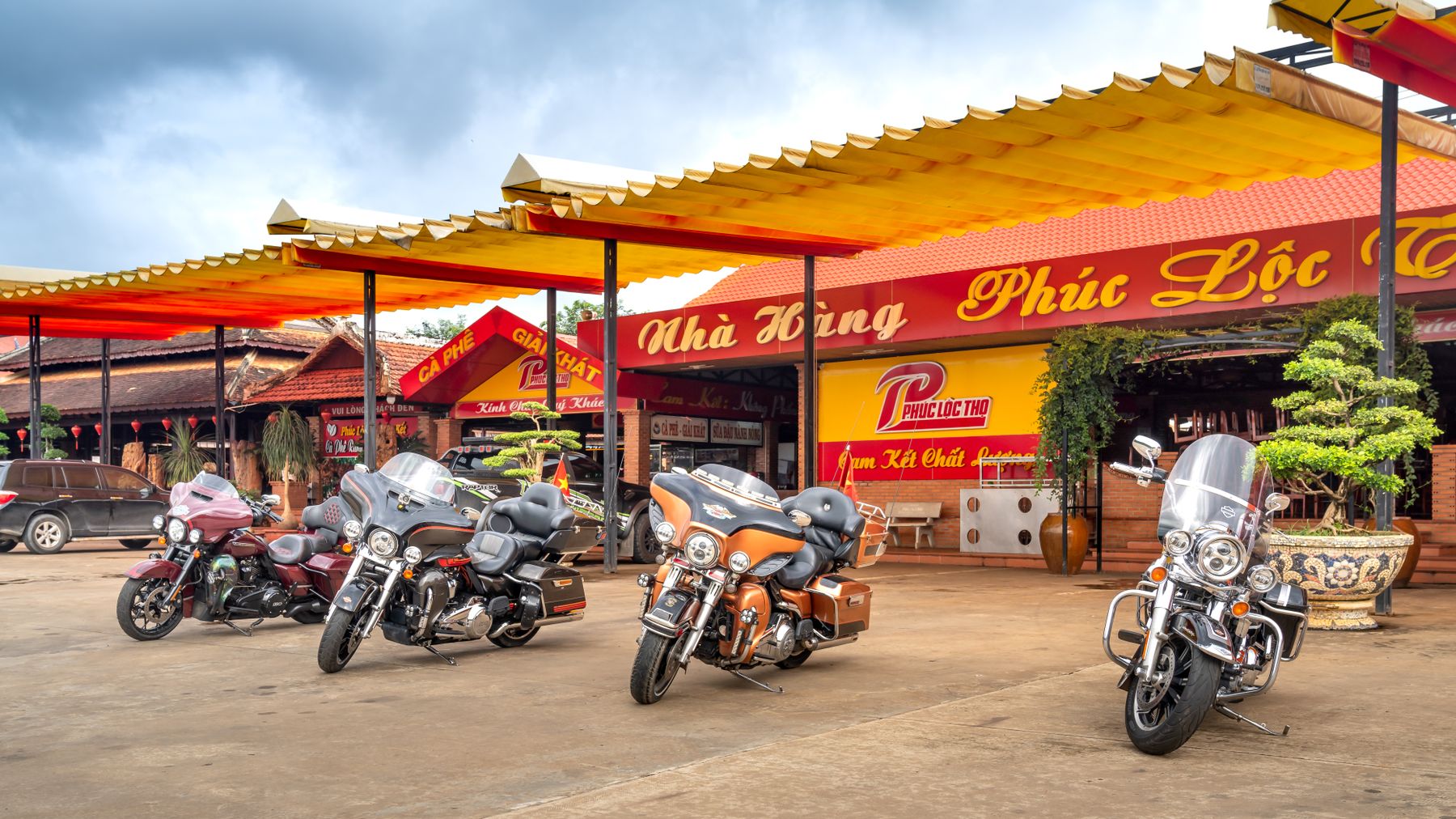
Photo by Quang Nguyen Vinh on Pexels
The Order of Operations at the Table
Once the pot is bubbling — give it four or five minutes — add the harder vegetables first: eggplant, banana blossom, tofu. They need time. Morning glory and water spinach go in last; thirty seconds and they're done.
For protein, add a few pieces at a time rather than dumping everything in. Shrimp cook in ninety seconds. Pork belly needs three to four minutes. Fish slices, if you ordered them, go in last.
Eat by pulling cooked pieces into your bowl over a tangle of vermicelli, then ladle a little broth over the top. The dipping sauce on the table — usually a thinned fish sauce with fresh chili and lime — is optional but good with the pork.
Don't let the pot run dry. Flag the server for extra broth ("them nuoc" — just say it slowly). Most places refill once for free.
A Note on the Smell
Yes, it smells strong. Within ten minutes of eating, you stop noticing. The fermented fish paste, once cooked into the broth, loses its sharpest edges and becomes something closer to a very deep, salty umami. Think of it less as "rotting fish" and more as the Vietnamese equivalent of a very aged parmesan — the same biological process, different animal, different climate.
If you've handled "bun bo Hue" or "banh canh" with fermented shrimp paste, you're already halfway prepared. Lau mam is louder, but the principle is the same: fermentation as flavor, not as flaw.

Photo by Quang Nguyen Vinh on Pexels
When to Go
Lunch service (11 AM to 1:30 PM) is when the broth is freshest and the vegetables haven't been sitting. Avoid arriving after 8 PM — most Cai Khe spots are winding down by then and the broth has been going all day.
Weekends get busy. If you're going Saturday or Sunday, arrive by 11:30 AM or expect to wait for a table.
Practical Notes
Bring cash — 200,000 to 250,000 VND covers two people eating well. Cai Khe is a short xe om or Grab ride from central Can Tho (껀터 / 芹苴 / カントー), usually under 25,000 VND. Wear something you don't mind smelling like the Mekong for the rest of the afternoon, because you will.
Last updated · May 26, 2026 · independently researched, never sponsored.







