The Real Tom Hum Vung Tau
"Tom hum Vung Tau" — spiced prawns cooked with lemongrass, chilies, and fish sauce — sounds simple on paper. But the difference between a bowl from a tourist beachfront stall and one from a neighborhood spot where fishermen eat breakfast is the difference between a postcard and the actual place.
Vung Tau (붕따우 / 头顿 / ブンタウ)'s tom hum works because the prawns here are landed fresh in the morning. The dish doesn't need to hide behind heavy sauces or expensive add-ons. It's alive in your mouth: sweet, sharp, spiced enough to make you reach for rice immediately.
This isn't haute cuisine. It's the meal that dock workers order at 6 a.m. and office workers crave on lunch breaks. Here's where you find it.
Spot 1: Quan Com Binh Dan (Seafront Worker Canteen)
If you want to eat where fishermen and port staff actually sit, find Quan Com Binh Dan near the Back Beach pier, just south of the main harbor. The shop front is unmarked—literally a blue corrugated-metal shack with three low plastic tables and benches. You'll know it's the right place when you smell charred lemongrass and see ice buckets of prawns.
Order "tom hum" and specify size: small (around 150g for 120,000–140,000 VND), medium (200g for 180,000–200,000 VND), or large (250g+ for 220,000–260,000 VND). The cook splits the prawns down the spine, flattens them, and hits them on a charcoal grill with a handful of lemongrass stalks, dried chilies, and garlic. The shells char almost black. The meat inside stays sweet and just-cooked.
Eat around 10 a.m.–noon. After 1 p.m. the lunch crowd empties and they may run out of the best catch.
Spot 2: Nha Hang Hai San 53 (Proper Seafood Restaurant)
A step up in comfort but not in authenticity: this sit-down restaurant sits on Tran Hung Dao Street, about 500m inland from the beachfront. White tiles, ceiling fans, a proper counter with ice displays of the morning's catch. The tom hum here is grilled the same way—charcoal, lemongrass, no cream or butter nonsense—but served on actual plates with herbs and dipping sauce on the side.
Cost runs 200,000–280,000 VND for a medium portion. The prawns are typically sourced from the same boats as the canteens, but the restaurant buys premium grade (larger, less broken). Service is fast. You order, wait 8–10 minutes, eat.
Lunch (11 a.m.–2 p.m.) is busiest and when the ingredients are freshest. Dinner is quieter and the morning's catch is gone; evening stock is either frozen or left-over from lunch.
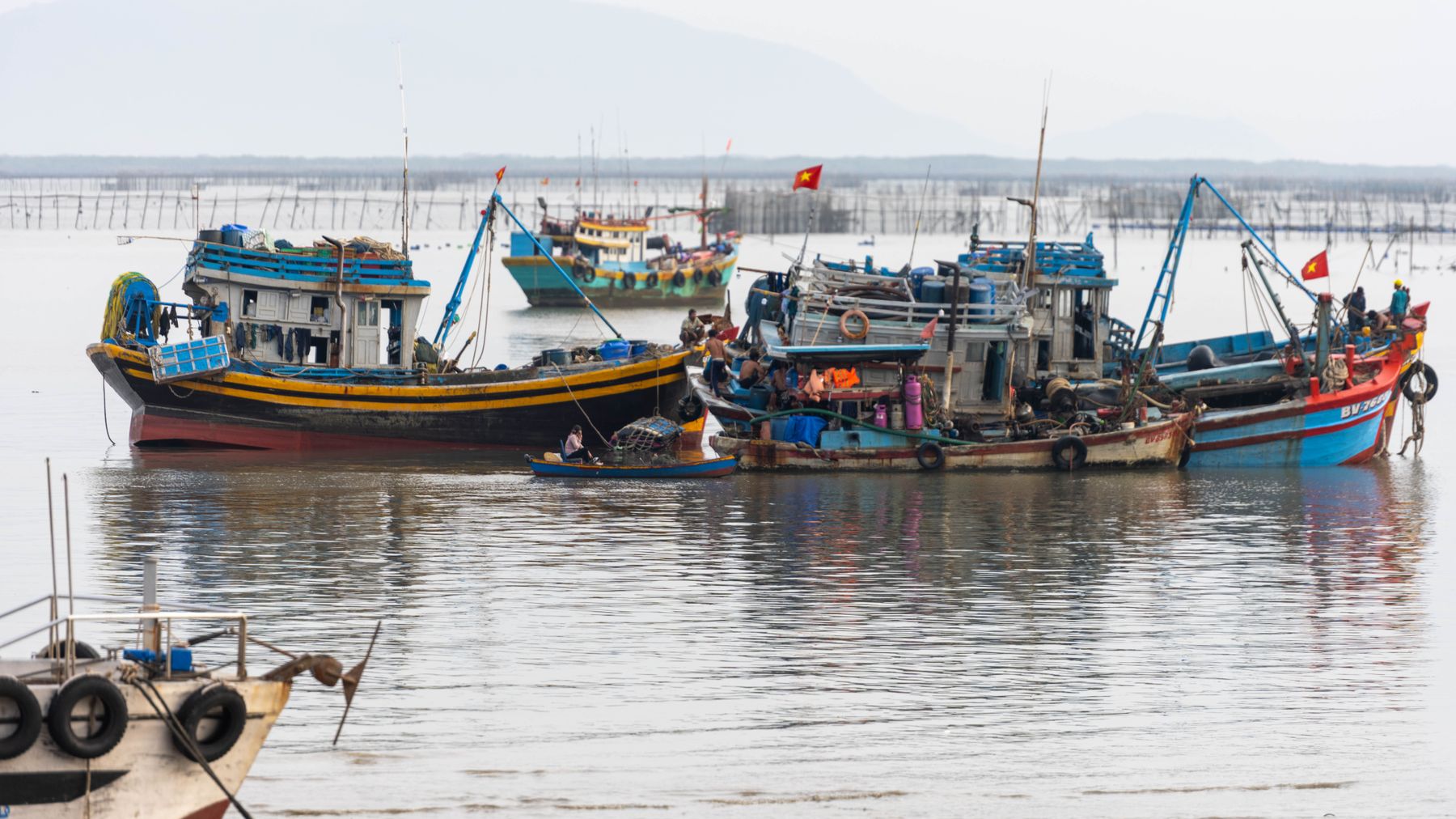
Photo by Quang Vuong on Pexels
Spot 3: Com Tam Vung Tau (Rice-Centric Lunch Joint)
A smaller, less-obvious choice: this "com tam" (broken-rice) stand on Hoang Hoa Tham Street serves tom hum as a side dish alongside grilled pork ribs and fresh herbs. The tom hum here is slightly smaller than other spots—more delicate, less dramatic char—because they grill faster over higher heat to keep the meat tender. It's their house style.
Order "tom hum + com tam (껌땀 / 碎米饭 / コムタム)" (broken rice) for around 150,000 VND total. You'll get 4–5 medium prawns, a heap of rice, raw vegetables, and a fish sauce dip. This is how locals eat it on a weekday lunch break: quick, complete, not fussy.
Best time: 11 a.m.–1:30 p.m.
Spot 4: Beachfront Stall Near Phu My Harbor (Tourist-Proof Gem)
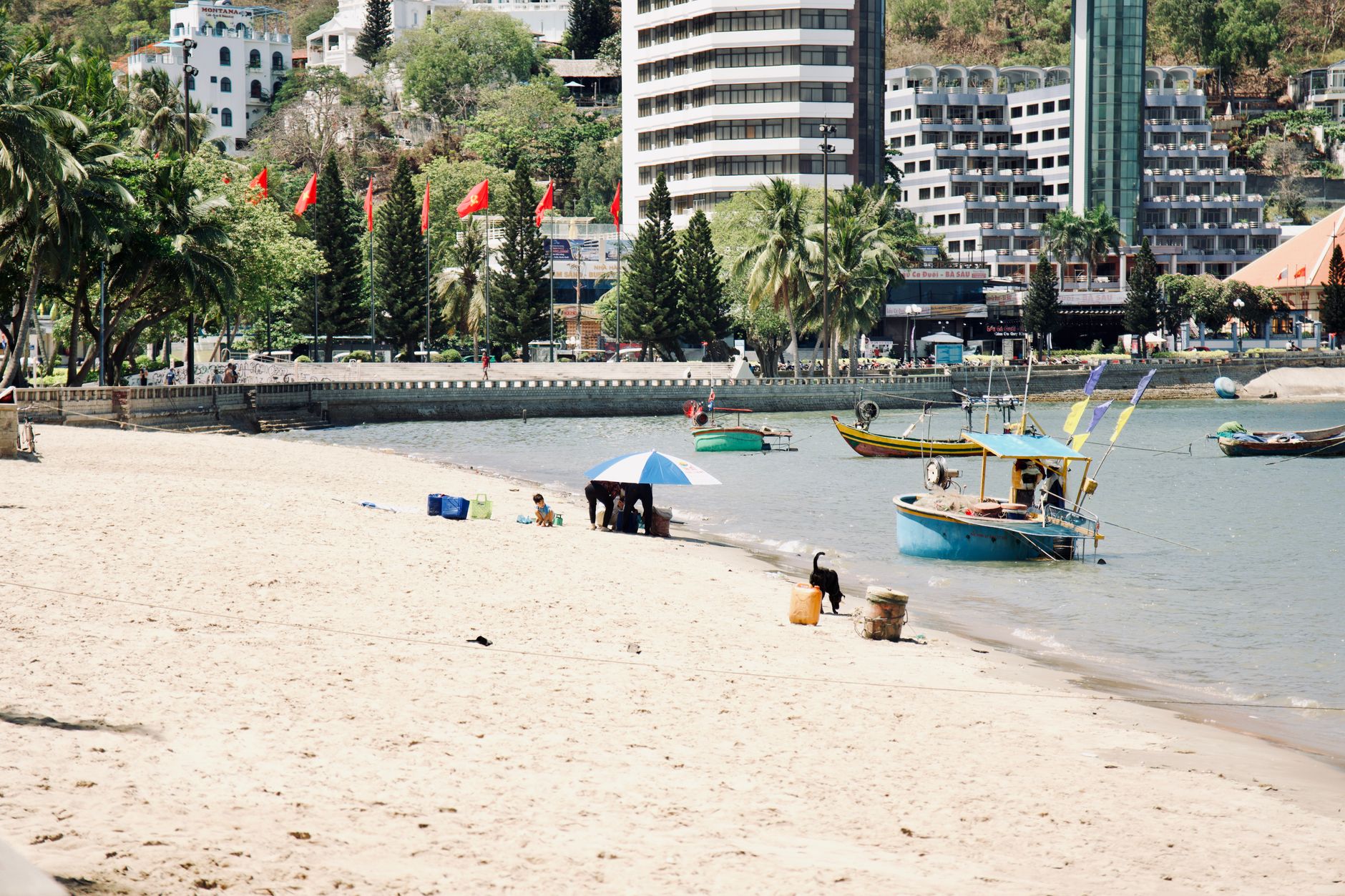
Walk along the beach near Phu My Harbor (northeast of Back Beach) and you'll see a loose scatter of wooden shacks and blue umbrellas selling grilled fish and prawns directly to passing joggers and morning swimmers. One regular stall (look for the owner, Van, who's been there 15+ years) sells tom hum for 130,000–180,000 VND per portion, depending on size.
The advantage: you watch it cooked in front of you. The disadvantage: no plate, no napkins, no dipping sauce—you eat standing up with your hands while looking at the sea. It's the purest version but the least civilized. Go if you want the experience; skip if you need creature comforts.
Early morning (6–8 a.m.) is the real local window before tourists flood the beach.
What Makes Tom Hum Vung Tau Different
The prawns landed in Vung Tau are smaller and sweeter than those in Saigon markets or Da Nang supply chains because the boats fish the nearby shallow waters off Con Dao and Phu Quoc shelf—12–24 hours from catch to kitchen, not 48+. The meat doesn't toughen or dry out as fast.
Second: local cooks use fresh lemongrass almost obsessively. Other cities might add a single stalk for flavor; here, the bunch is the main event. It chars, releases oils, and perfumes the prawn. No stock sauce, no oil reduction, no fancy plating.
Third: Vung Tau tom hum is rarely served as a standalone main course. It comes with rice (broken rice, white rice, or sticky rice depending on the spot), fresh herbs, and fish sauce dip. You're meant to mix and eat, not Instagram the prawn alone.

Photo by LUC PH@M on Pexels
How to Order (In English or Gesture)
Point to the prawns in the ice display or bucket and hold up your fingers to show size: small (this big), medium (this big), large. Say "tom hum" or "tom nuong" (grilled prawns). If the stall has a price board, it'll show "tom hum 150k", "tom hum 180k", etc.—these are price per portion by weight category, not per prawn.
Ask "Bao nhieu?" (How much?) if you're unsure. "Chín chưa?" means "Is it cooked?" — you're checking it's not undercooked. A nod or thumbs-up means yes.
Bring cash. Most street and small-restaurant spots don't take cards.
When to Go
Best: Early morning, 6–10 a.m., especially Tuesday–Friday. The boats unload at dawn; the ice is fresh; cooks have energy. Tourist spots are empty. Locals are eating.
Good: Late morning into early lunch, 10 a.m.–1:30 p.m. Still strong supply. Busier, faster service.
Avoid: Late afternoon (3–5 p.m.) and dinner (6 p.m.+). By late afternoon, the morning catch is picked over. Evening stock is frozen or left-over. Taste flattens.
Weekends: More crowded but not significantly different in quality, as long as you eat before 2 p.m.
Practical Notes
Tom hum Vung Tau is cheap—even the best spots run 150,000–260,000 VND (roughly USD 6–11 per portion), and you can eat well for 200,000 VND. Bring small bills (50k, 100k notes); many stalls don't carry change for larger notes. The eating experience is fast and casual; expect to sit elbow-to-elbow with locals. If you're squeamish about eating with your hands or shells, order at a proper restaurant (Hai San 53) rather than the canteen. Morning visits are quieter and more rewarding than lunch or dinner crowds.
Last updated · May 26, 2026 · independently researched, never sponsored.