What it is and why it matters
The tomb of General Vo Nguyen Giap sits on a hillside called Vung Chua, overlooking the East Sea near the village of Gia An in Quang Trach district, Quang Binh province. Giap, who died in 2013 at the age of 102, was Vietnam (베트남 / 越南 / ベトナム)'s most celebrated military strategist — the general behind the 1954 victory at Dien Bien Phu and a figure of enormous respect across the country. He reportedly chose this coastal site himself, and it's easy to see why: the location faces a wide sweep of ocean with Yen Island just offshore, wind blowing through casuarina trees, and very little else around.
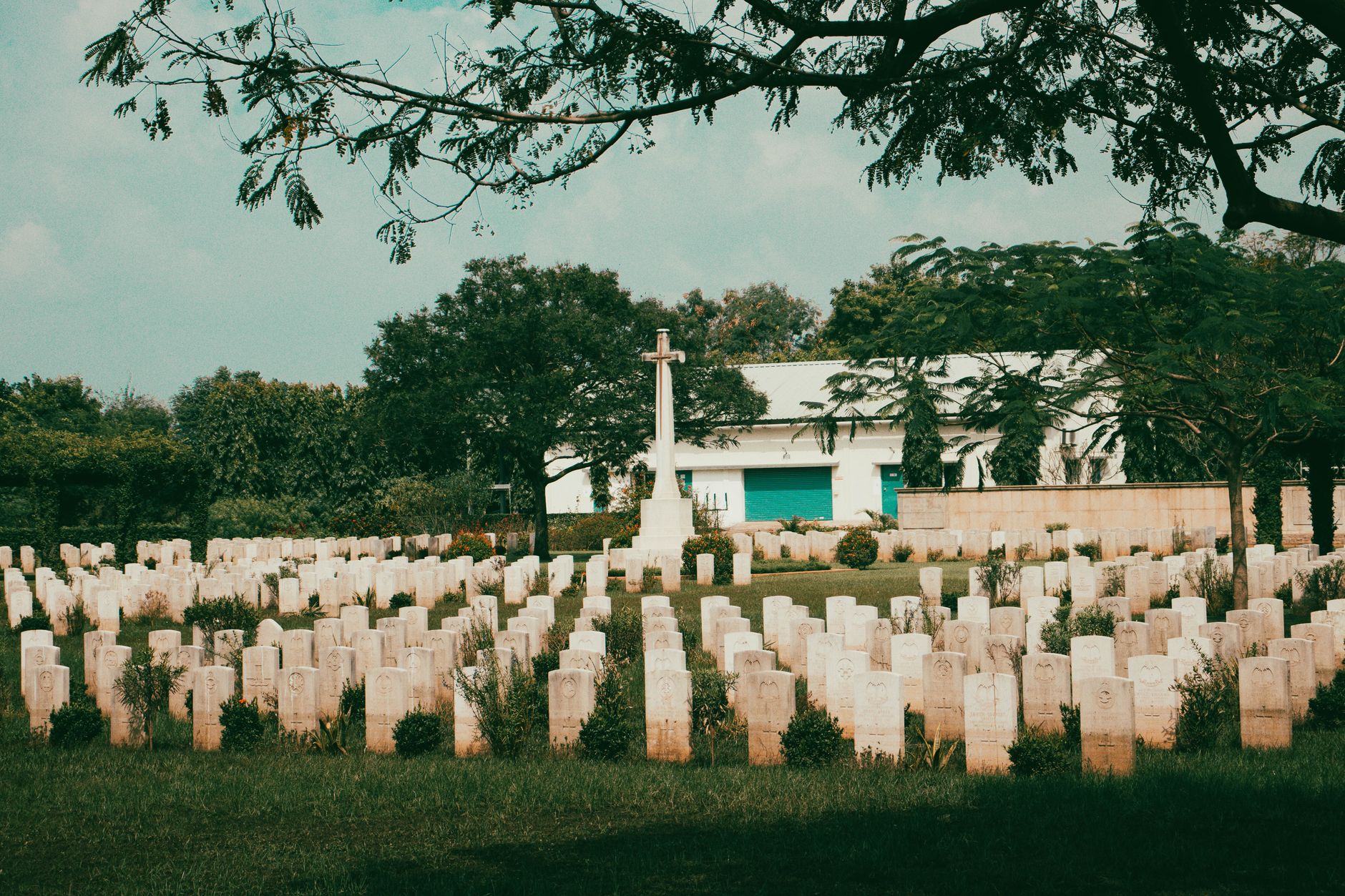
The tomb complex is simple by design. There's no grand mausoleum or gilded gates. A granite headstone, a low stone wall, and a path through landscaped grounds. The Vietnamese government maintains the site, and it draws a steady flow of domestic visitors — especially around national holidays and the anniversary of Giap's passing on October 4th. For foreign travelers, it's a quieter, more contemplative stop that adds depth to a Quang Binh itinerary otherwise dominated by Phong Nha caves.
Why travelers go
Most international visitors come to Quang Binh for the caves. But Vung Chua gives you something different: a window into how modern Vietnam relates to its own history. The site isn't commercialized. There are no ticket booths, no souvenir hawkers. People come with incense and flowers, often standing quietly for a few minutes before leaving. If you're interested in 20th-century history or want to understand the weight Giap carries in Vietnamese culture, this is one of the more genuine places to do that.
The coastal scenery doesn't hurt either. The road to the tomb winds along a stretch of coastline that sees almost no tourist traffic.
Best time to visit
Quang Binh's dry season runs roughly from March to August, with April and May being the sweet spot — warm but not yet scorching, low humidity, and clear skies over the coast. The rainy season (September through February) brings heavy downpours, and the access road to Vung Chua can get slippery.
If you visit around October 4th (anniversary of Giap's death) or during Tet, expect larger crowds of Vietnamese visitors. The site stays respectful either way, but you'll share the path with more people. Early morning visits, around 7:00–8:00 AM, are the quietest year-round.
How to get there
The tomb is about 55 km north of Dong Hoi, the main city in Quang Binh and the base for most travelers heading to Phong Nha (퐁냐 / 峰牙 / フォンニャ).
From Dong Hoi by motorbike or scooter: The most common option for independent travelers. Head north on National Route 1A, then turn east toward Quang Trach district. The ride takes about 1 hour 15 minutes. Scooter rental in Dong Hoi runs 120,000–150,000 VND per day. The final stretch of road is paved but narrow.
By car or taxi: A private car from Dong Hoi costs around 500,000–700,000 VND for a round trip with waiting time. Your hotel or guesthouse can arrange this.
By bus: Local buses from Dong Hoi head north toward Ba Don town. From Ba Don, you'd need a xe om (motorbike taxi) for the remaining 15 km to the tomb. This is doable but slow — budget 2 hours each way.
From Phong Nha: If you're based near the caves, the tomb is about 90 km northeast. Combine it with a day trip along the coast. The ride by motorbike takes roughly 2 hours through countryside that's flat and easy.

Photo by Robert So on Pexels
What to do at the site
Pay respects at the tomb
The main visit takes 20–30 minutes. Walk up the stone path to the headstone, observe the inscriptions, and take in the view. Incense is available near the entrance if you'd like to light some — it's not required, but it's the local custom. Dress modestly: long pants or a skirt below the knee, and covered shoulders.
Walk down to the coast
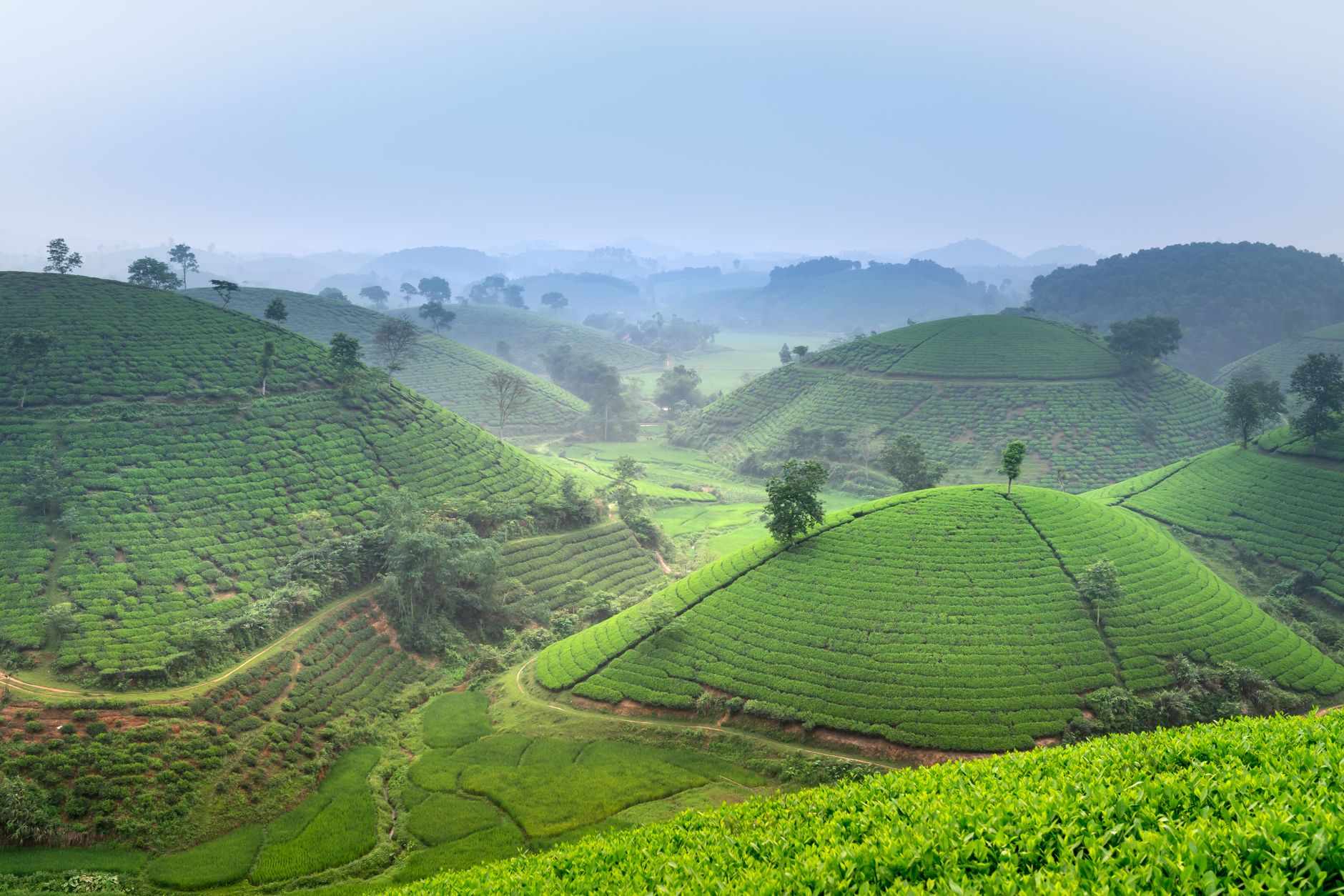
Below the tomb complex, a path leads to a rocky stretch of shoreline facing Yen Island. The water is rough here and not for swimming, but the views are wide and the air is salt-heavy. Spend 15 minutes just standing there.
Visit the small exhibition hall
Near the entrance, a modest display room shows photographs from Giap's life and the construction of the tomb. Signage is mostly in Vietnamese, but the images tell the story clearly enough.
Drive the coastal road
The road from Ba Don to Vung Chua passes through fishing villages and empty beaches. If you're on a motorbike, slow down and take it in. Stop at one of the small seafood shacks along the way — grilled squid and fresh clams for almost nothing.
Combine with Phong Nha
Most travelers use Dong Hoi or Phong Nha as a base. The tomb works well as a half-day side trip before or after exploring the caves. If you're heading north toward Hue afterward, you can visit the tomb on the way out of the province.
Where to eat nearby
There aren't restaurants at the tomb itself, so eat before or after in Ba Don town or back in Dong Hoi.
In Ba Don, look for "banh canh" — the thick, tapioca-based noodle soup that's a staple in Quang Binh. The local version uses crab broth and costs about 25,000–35,000 VND a bowl. "Chao canh" — rice porridge with fish — is another regional dish worth trying at any of the small com binh dan (rice-and-sides) spots along the main road.
Back in Dong Hoi, the seafood along Nhat Le beach is reliable and cheap. Grilled "muc" (squid) and steamed clams with lemongrass go for 80,000–150,000 VND per plate.
Where to stay
Stay in Dong Hoi or Phong Nha. There's no tourist accommodation near the tomb.
- Budget (Dong Hoi): Guesthouses along Quach Xuan Ky street, 200,000–350,000 VND per night. Basic but clean.
- Mid-range (Dong Hoi): Hotels near Nhat Le beach, 500,000–900,000 VND. Most include breakfast.
- Phong Nha homestays: 250,000–600,000 VND. More atmosphere, and you're close to the caves.

Photo by Lucas Tran on Pexels
Practical tips locals would tell you
- Bring water and sun protection. There's minimal shade on the walk up to the tomb, and no convenience stores nearby.
- Go early. The site opens at sunrise and is best before 9:00 AM, both for light and for avoiding midday heat.
- Silence your phone. Vietnamese visitors take this site seriously. Keep conversation low and behavior respectful.
- Fuel up in Ba Don. If you're on a motorbike, fill your tank before the last stretch — there are no gas stations near Vung Chua.
- Check the weather. Coastal Quang Binh gets sudden rain. A light rain jacket saves the ride back.
Common mistakes to avoid
- Showing up in beachwear. Shorts and tank tops draw looks. This is a place of reverence, not a scenic overlook.
- Skipping it because it's "just a tomb." The setting and the atmosphere make this worth the detour, especially if you have any interest in Vietnamese history.
- Trying to visit from Hue as a day trip. Hue is 160 km south. It's technically possible but exhausting. Base yourself in Dong Hoi instead.
- Not combining it with other stops. On its own, the visit is short. Pair it with the coastal drive and a seafood lunch in Ba Don to make a proper half-day.
Practical notes
No entrance fee. The site is open daily from early morning to around 5:00 PM. There are basic toilet facilities near the parking area. If you're visiting Quang Binh for Phong Nha, Vung Chua adds maybe three hours to your schedule and gives you a completely different side of the province — coast instead of karst, contemplation instead of adventure.
Last updated · May 29, 2026 · independently researched, never sponsored.