What it is
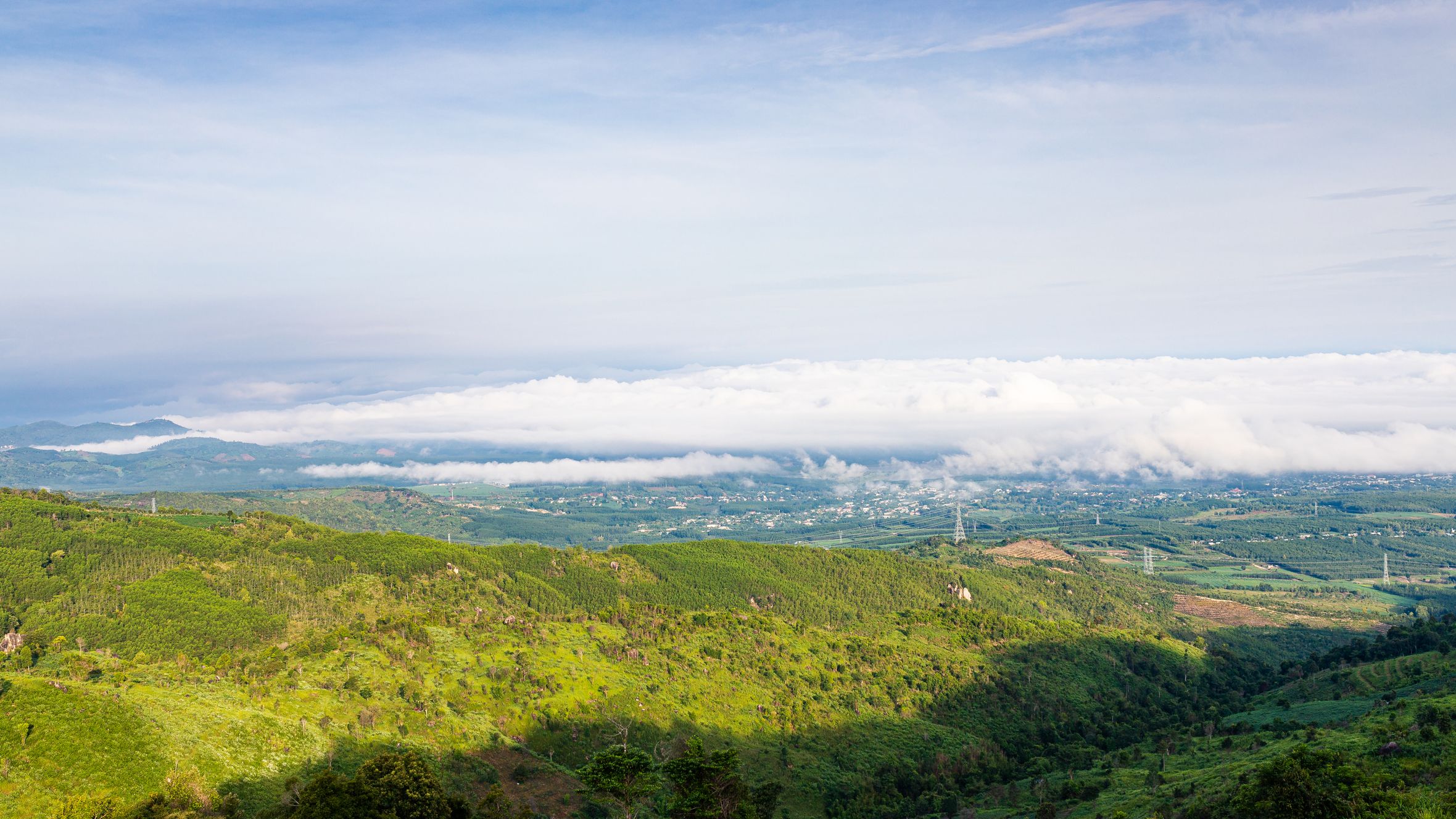
U Minh Thuong National Park sits in the southwestern corner of the Mekong Delta (메콩 델타 / 湄公河三角洲 / メコンデルタ) — a 21,100-hectare expanse of peat swamp forest dominated by "tram" (melaleuca) trees. It's one of the last significant patches of wetland forest remaining in southern Vietnam, and it feels like stepping into a version of the delta that existed before rice paddies took over everything.
The park was originally part of Kien Giang province but now falls under the expanded An Giang administrative area. For travelers, the distinction barely matters — you're deep in the delta either way, roughly 90 km southwest of Can Tho.
Historically, the melaleuca forests here served as cover during wartime, and the area was heavily damaged by herbicides and fires. What you see today is partially regenerated — the core zone has been protected since 2002, and the ecosystem has bounced back remarkably. Fishing cats, otters, and over 180 bird species now call it home.
Why travelers go
U Minh Thuong is not on most tourist itineraries, which is precisely the appeal. You won't find tour buses or souvenir stalls. What you get instead:
- Birds: Oriental darter, painted stork, black-headed ibis, spot-billed pelican. The park is a genuine birding destination, not a zoo-like setup.
- Landscape: Flooded forest with narrow waterways cutting through dense melaleuca. Early morning light filtering through the canopy is something else entirely.
- Quiet: On any given day, you might be one of five visitors in the entire park.
- Authenticity: This is working delta — locals fish, collect honey, and harvest melaleuca oil around the buffer zone.
If you've already done the floating markets near Can Tho (껀터 / 芹苴 / カントー) and want something beyond the standard Mekong Delta circuit, U Minh Thuong delivers.
Best time to visit
The sweet spot is December through April — dry season in the south. Water levels are lower, trails are accessible, and bird concentrations peak as they gather around shrinking pools.
During wet season (May–November), large sections flood deeply. Boat access improves but walking trails disappear, and mosquitoes become genuinely aggressive. September–October sees the highest water — atmospheric but limiting.
For birding specifically, target January–March. Migratory species are present and breeding colonies are active.
How to get there
U Minh Thuong is remote by delta standards. Most travelers base in Can Tho or Rach Gia and arrange transport from there.
From Can Tho
Drive southwest toward Rach Gia on QL61, then cut south on provincial roads toward Vinh Thuan district. Total distance: about 130 km, roughly 3 hours by car or motorbike. The last 20 km is narrow rural road — passable but slow.
From Rach Gia
Closer option — about 60 km south. Take DT963 toward Vinh Thuan, then follow signs for the national park. Around 1.5 hours.
From Saigon
It's 340 km. Either drive the full stretch (6–7 hours) or take a bus to Rach Gia and arrange local transport. No direct public transport reaches the park gate.
A motorbike gives you the most flexibility for exploring surrounding villages, but the roads require confidence — expect unmarked turns, wandering buffalo, and sections without phone signal.
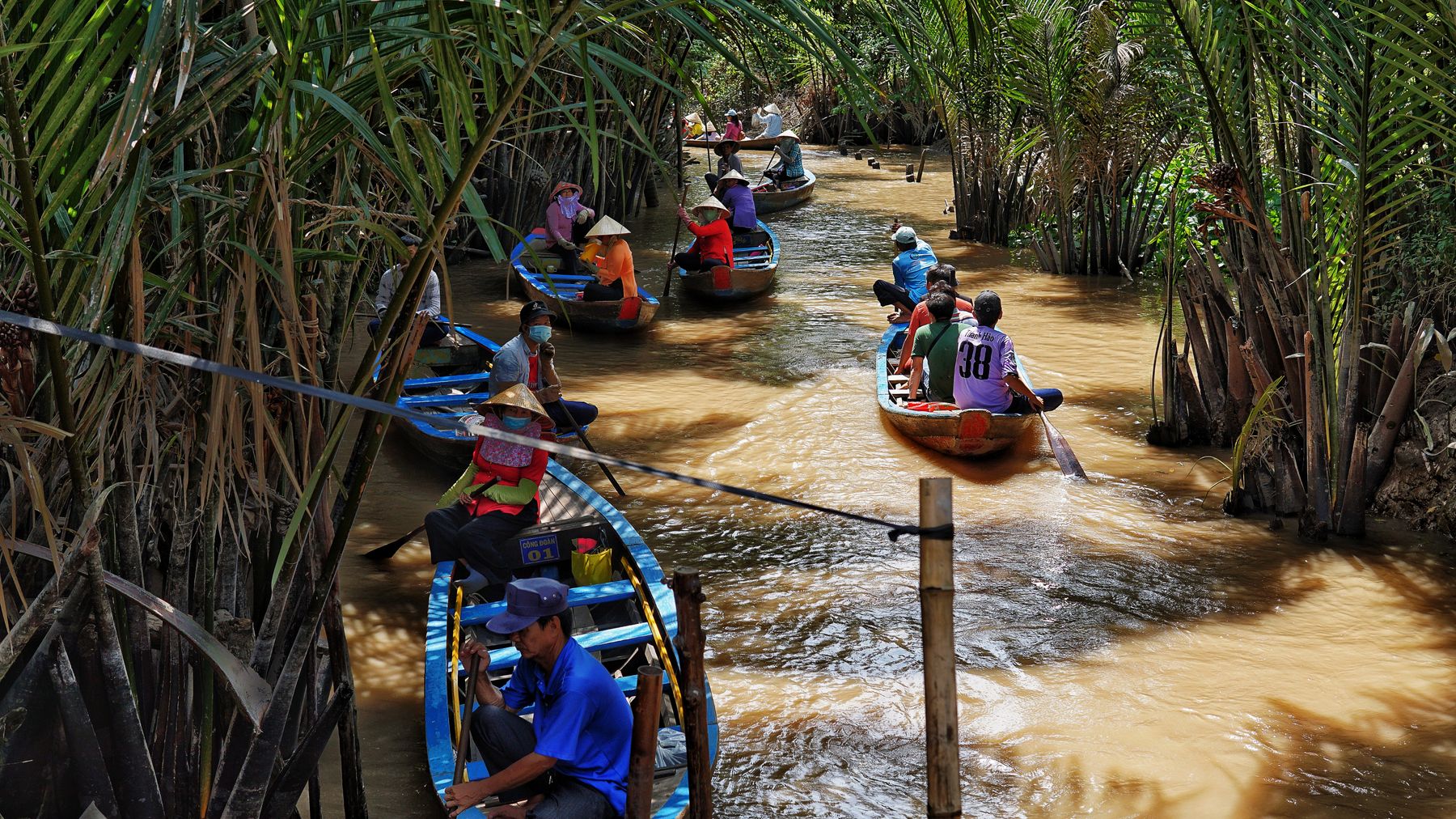
Photo by Noel Nicolas on Pexels
What to do
Boat tours through the melaleuca forest
The park operates small motorized boats (around 200,000–350,000 VND per boat, fits 4–6 people) along designated waterways. Trips run 1.5–2 hours and penetrate the flooded forest core. Early morning departures (before 7 AM) give you the best light and bird activity.
Walking trails
A few kilometers of elevated boardwalk cut through the buffer zone. In dry season, you can walk deeper on packed earth paths. Bring water — shade exists but humidity is punishing.
Birdwatching tower
A wooden observation tower near the core zone gives views over the canopy. Bring binoculars — the park doesn't rent them. Dawn and the hour before sunset are prime.
Honey harvesting (seasonal)
Local beekeepers collect wild honey from melaleuca blossoms between March and June. If you time it right, rangers can connect you with a harvester willing to let you tag along. It's not a polished tourist experience — it's a guy in a sampan with a smoker and bucket.
Where to eat
There's no restaurant scene here. Options:
- Park canteen: Basic rice plates, fried fish, morning glory. Around 40,000–60,000 VND per meal. Tell them the day before if you want something specific.
- Vinh Thuan town (15 km north): A handful of "com binh dan" (everyday rice) shops and one or two spots doing decent "hu tieu" for breakfast.
- Pack snacks: Bring fruit, bread, and water from Rach Gia or Can Tho. There's nothing to buy inside the park beyond the canteen.
The local specialty worth seeking out is "ca loc nuong trui" — snakehead fish roasted in straw, served with rice paper, herbs, and fermented fish sauce. Ask at the canteen or any village eatery nearby.
Where to stay
Inside the park
The national park has basic guesthouse rooms near the entrance — fan-cooled, clean enough, around 250,000–400,000 VND per night. Don't expect hot water or reliable wifi. Book ahead through the park management board (phone only, Vietnamese language helps).
Vinh Thuan town
A couple of "nha nghi" (local guesthouses) exist, costing 150,000–250,000 VND. Functional, not charming.
Rach Gia
For actual comfort — air conditioning, decent mattress, hot shower — stay in Rach Gia and make U Minh Thuong a day trip. Hotels there run 350,000–700,000 VND.

Photo by Flint Huynh on Pexels
Practical tips
- Bring cash: No ATMs near the park. Load up in Rach Gia or Can Tho.
- Mosquito defense: Repellent with DEET, long sleeves, and pants — especially wet season.
- Language: Almost no English spoken. Download Vietnamese phrases offline or bring Google Translate downloaded for Vietnamese.
- Phone signal: Spotty inside the park. Viettel works best in rural delta areas.
- Entry fee: Around 30,000–50,000 VND per person. Boat fees are separate.
Common mistakes
- Arriving midday: The park is best at dawn. Heat peaks between 11 AM and 3 PM, birds vanish, and you'll be miserable on the boardwalk.
- No binoculars: The birds are the main draw and they're not close. Even a cheap pair transforms the experience.
- Expecting infrastructure: This isn't Phu Quoc. There's no tourism machine here. Embrace the roughness or you'll be frustrated.
- Skipping the buffer zone villages: The communities around the park — fishing, honey collecting, rice farming — are as interesting as the forest itself. Stop, say hello, buy some honey.
Final note
U Minh Thuong rewards travelers who are comfortable with imperfect logistics and empty itineraries. It's not a highlight-reel destination — it's a slow, quiet, genuinely wild corner of the Mekong Delta that most visitors never reach. That's exactly why it's worth the detour.
Last updated · May 26, 2026 · independently researched, never sponsored.









