
Vietnam (베트남 / 越南 / ベトナム)'s spice rack is short but decisive. Three aromatics — star anise, cassia bark, and black cardamom — do more to define the country's cooking than anything else on the shelf. Understanding where they come from, and what separates a quality batch from a mediocre one, makes a real difference whether you're cooking at home or shopping at a market.
Star Anise — Lang Son's Most Valuable Crop
"Hoi" is the Vietnamese name for star anise, and if you've ever had a bowl of pho, you've tasted it. That deep, sweet-savory backbone that makes the broth smell like something worth waiting for — that's hoi, along with cassia, doing the heavy lifting.
Vietnam is one of the world's top producers of star anise, and the majority of it comes from Lang Son province, about 150 km northeast of Hanoi near the Chinese border. The terrain there — cool, humid, limestone-heavy — suits the Illicium verum tree well. Harvest runs twice a year, with the main crop coming in around July and August and a smaller one in late January.
Lang Son star anise has a noticeably stronger anise oil content than what you'll find pre-packaged in supermarkets. When you break open a fresh pod, the smell is almost aggressive — sweet, slightly medicinal, very clean. Compare that to a bag of the stuff that's been sitting in a plastic jar on a shelf for six months and you'll understand why sourcing matters.
If you're in Hanoi (하노이 / 河内 / ハノイ), the best place to find quality Lang Son star anise is Dong Xuan Market, specifically the dried goods section on the ground floor. Vendors who sell whole spices for "pho" broth blends know their product. Expect to pay around 80,000–120,000 VND per 100g for good dried pods.
Cassia — Not Quite Cinnamon, But Better for This Job
Westerners often call it cinnamon, but Vietnamese cassia (Cinnamomum loureiroi) is a different species with a sharper, more resinous character than the Sri Lankan variety. It's used in pho broth, in "bun bo Hue" spice blends, and in slow-braised meat dishes where you want warmth without sweetness.
Quang Nam province — specifically the Tra My district in the western highlands — produces what many cooks consider the best cassia in Vietnam. Tra My cassia has a higher essential oil content, which translates to a more potent, almost spicy-warm fragrance. Local farmers harvest the bark from trees that are at least 15 years old; younger trees give thinner, less aromatic bark.
Yen Bai province in the north also produces a significant volume of cassia and is easier to find in Hanoi markets. The quality is good, though Tra My bark commands a premium among those who know the difference.
What you're buying matters: look for thick, tightly rolled quills with a reddish-brown interior. Thin, papery bark that crumbles easily has lost most of its volatile oils. In Hoi An, you can find Tra My cassia sold in small shops along Tran Phu Street — it's one of those local specialties that doesn't get enough attention compared to the lanterns and tailors.
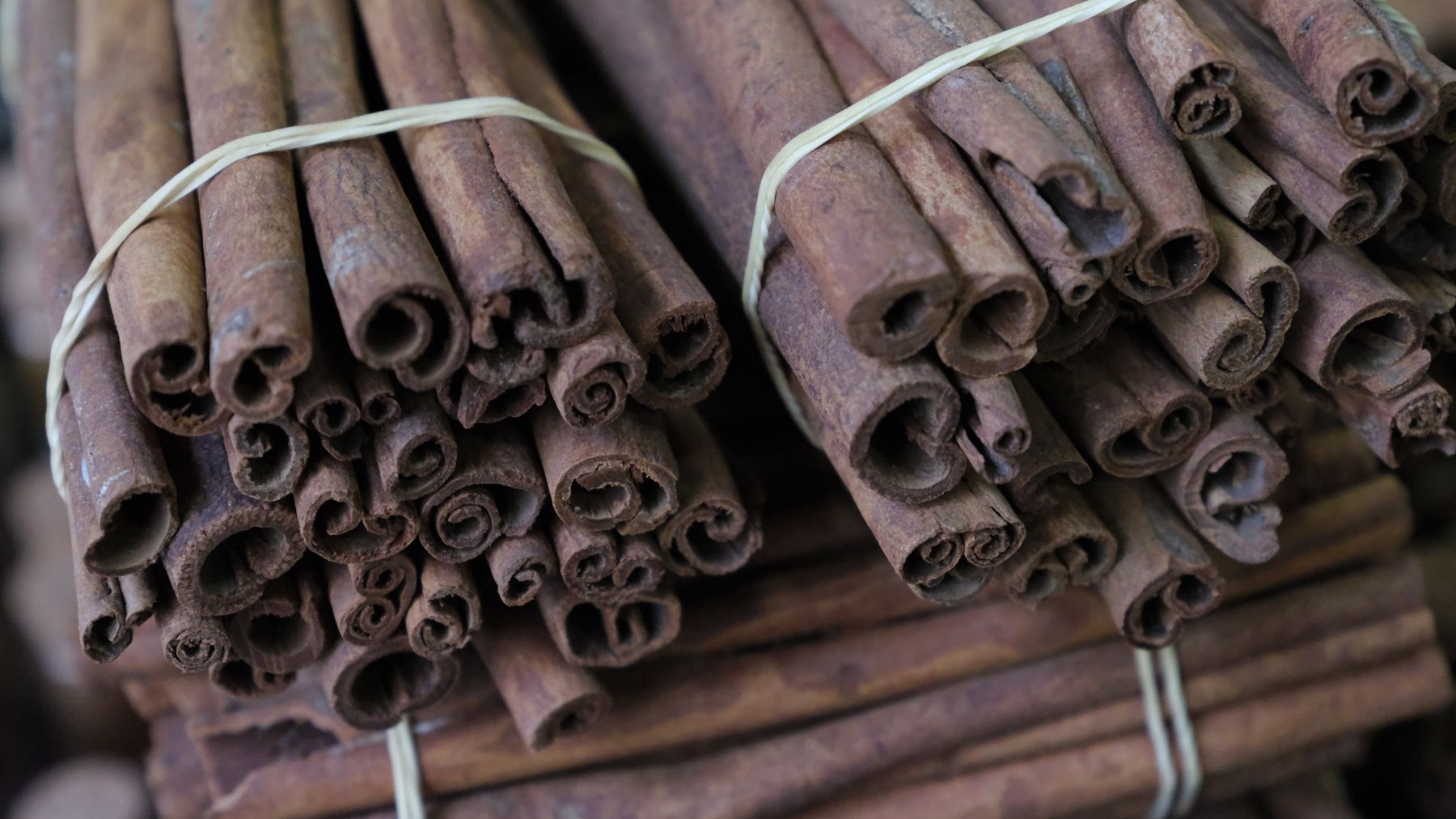
Photo by Alfredo Marco Pradil on Pexels
Black Cardamom — The One Most Visitors Miss
"Tham tu" or "thao qua" in Vietnamese, black cardamom (Amomum tsaoko) is the spice most tourists don't clock when they taste it in a pho broth — but they'd immediately notice if it were absent. It adds a smoky, slightly camphor-like depth that keeps the broth from tasting flat or one-dimensional.
Black cardamom is not the same as green cardamom used in Indian or Middle Eastern cooking. The pods are large, dark, and dried over wood fire, which gives them that distinctive smokiness. Vietnam's production is concentrated in the northern highlands — Ha Giang, Lao Cai, and Lai Chau provinces — where the plant grows at elevations above 1,000 meters in the shade of forest canopy.
For home cooks, black cardamom is worth seeking out specifically rather than substituting. A single pod, lightly toasted in a dry pan before going into the broth pot, is enough to do its job. Over-use and it turns medicinal and aggressive.
In Hanoi's Old Quarter, the spice shops around Hang Chieu and Lan Ong streets stock black cardamom reliably. Prices run around 60,000–90,000 VND per 100g. In Saigon, Binh Tay Market in Cho Lon has an excellent dried goods section where you can find all three spices, often sold together as a pre-portioned pho spice pack.

Photo by Tuan Vy on Pexels
How to Buy Well
The general rule: buy whole, buy from a vendor who turns over stock quickly, and smell before you commit. Stale star anise smells faintly of nothing. Fresh cassia should almost sting your nose. Black cardamom should have a clear smoky-herbal note, not dust.
For tourists who want to bring spices home, whole spices travel better than ground — they hold their oils longer. Pack them in a sealed container rather than the paper bags markets often use. Customs rules vary by destination, but whole dried spices are generally permitted in most countries; check your own country's biosecurity rules before packing a kilo of cassia in your luggage.
If you're serious about sourcing, the specialty food floor at Dong Xuan Market in Hanoi or the herb and spice vendors at Ben Thanh Market in Saigon are the most reliable urban options. For provenance-specific buying — Tra My cassia, Lang Son star anise — you'll get better prices and fresher product closer to the source.
Practical Notes
These three spices are the core of most northern Vietnamese braising and broth cooking, so learning to identify quality versions pays off in the kitchen. Prices at wholesale markets like Dong Xuan or Binh Tay are significantly lower than at tourist-facing shops. If you're buying to cook pho at home, a standard pot needs roughly 3–4 star anise pods, one 7–10 cm cassia stick, and 2 black cardamom pods — go heavier and the broth tips into medicinal territory.
Last updated · May 29, 2026 · independently researched, never sponsored.




