01
Travel Tips
Vietnam in September, October and November: Why Fall Is the Sweet Spot
The September–November window is when Vietnam quietly becomes its most travel-friendly: harvest season in the north, dry days in the center, and a calmer south.
47 guides tagged best-time-to-visit — sort or switch view to find what fits.
The September–November window is when Vietnam quietly becomes its most travel-friendly: harvest season in the north, dry days in the center, and a calmer south.
Both September and March are excellent windows for northern Vietnam — but they reward different kinds of travelers. Here's how they compare across Hanoi, Sapa, and Ha Giang.
Central Vietnam has a famously awkward climate, but mid-February through April is the one window where Hoi An, Da Nang, and Hue all behave themselves at once.
Southern Vietnam's dry season runs December to March — but each month feels different on the ground, from cool Saigon nights to the wind-battered coast of Phu Quoc in January.
The Mekong Delta reads completely differently depending on when you show up — flooded cajuput forests from September to November, easy canal cruising from December to March.
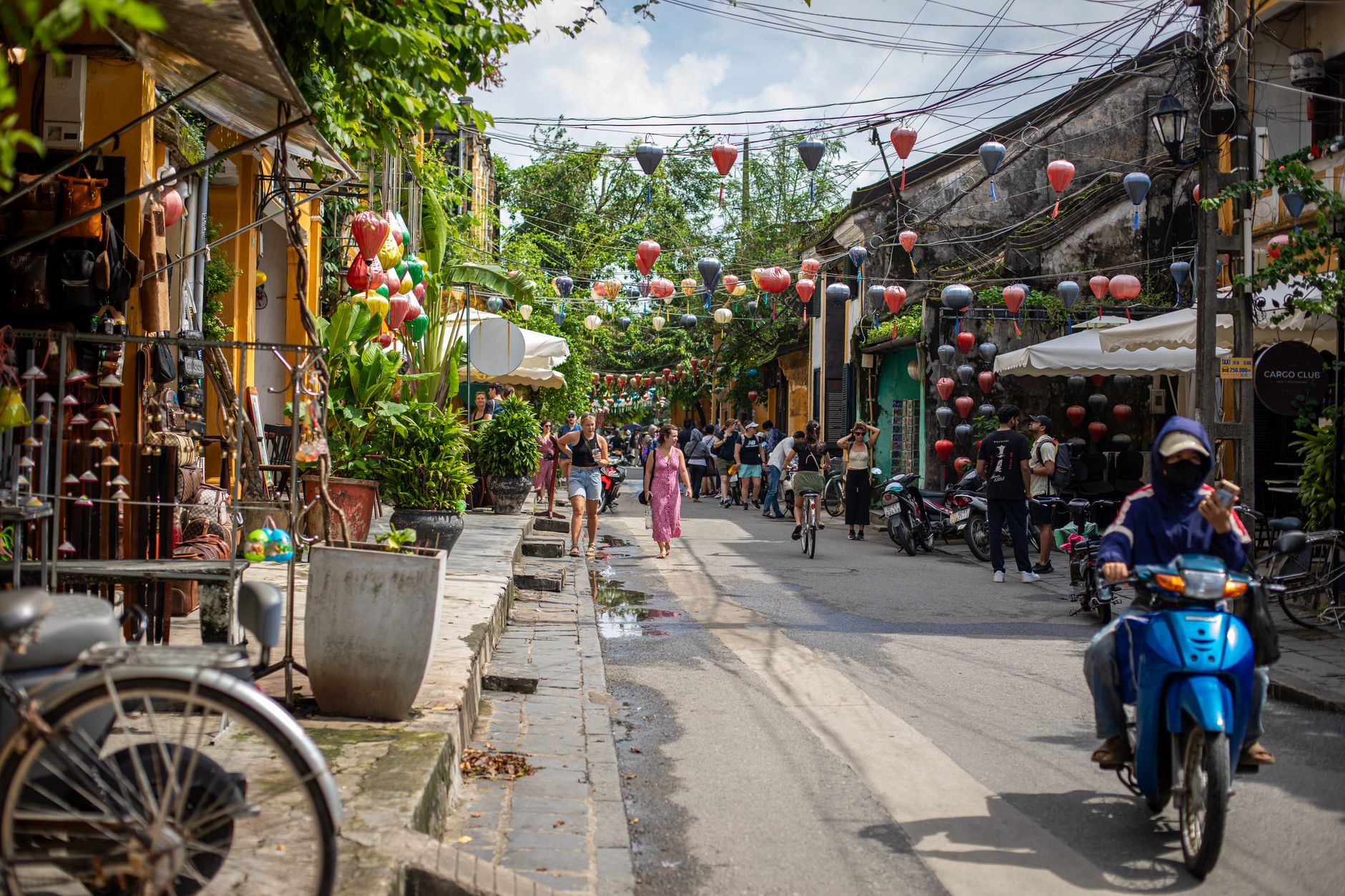
February to April is Hoi An's sweet spot — reliably dry, warm but not brutal, and noticeably quieter than peak December. Here's how to read the calendar.
If you only get one trip to Vietnam, timing matters more than itinerary. Here are the two narrow windows when the north, center, and south cooperate at once.
Ben Tre's tropical climate swings between hot-wet and hot-dry. November to April offers the most comfortable weather and clearest canal views; May to September brings monsoon rains and fewer tourists.
Khanh Hoa's weather shifts dramatically across the year. Here's what each season brings, when festivals happen, and how to avoid the worst crowds.
We use minimal analytics + ads (no personal tracking). See our privacy policy.