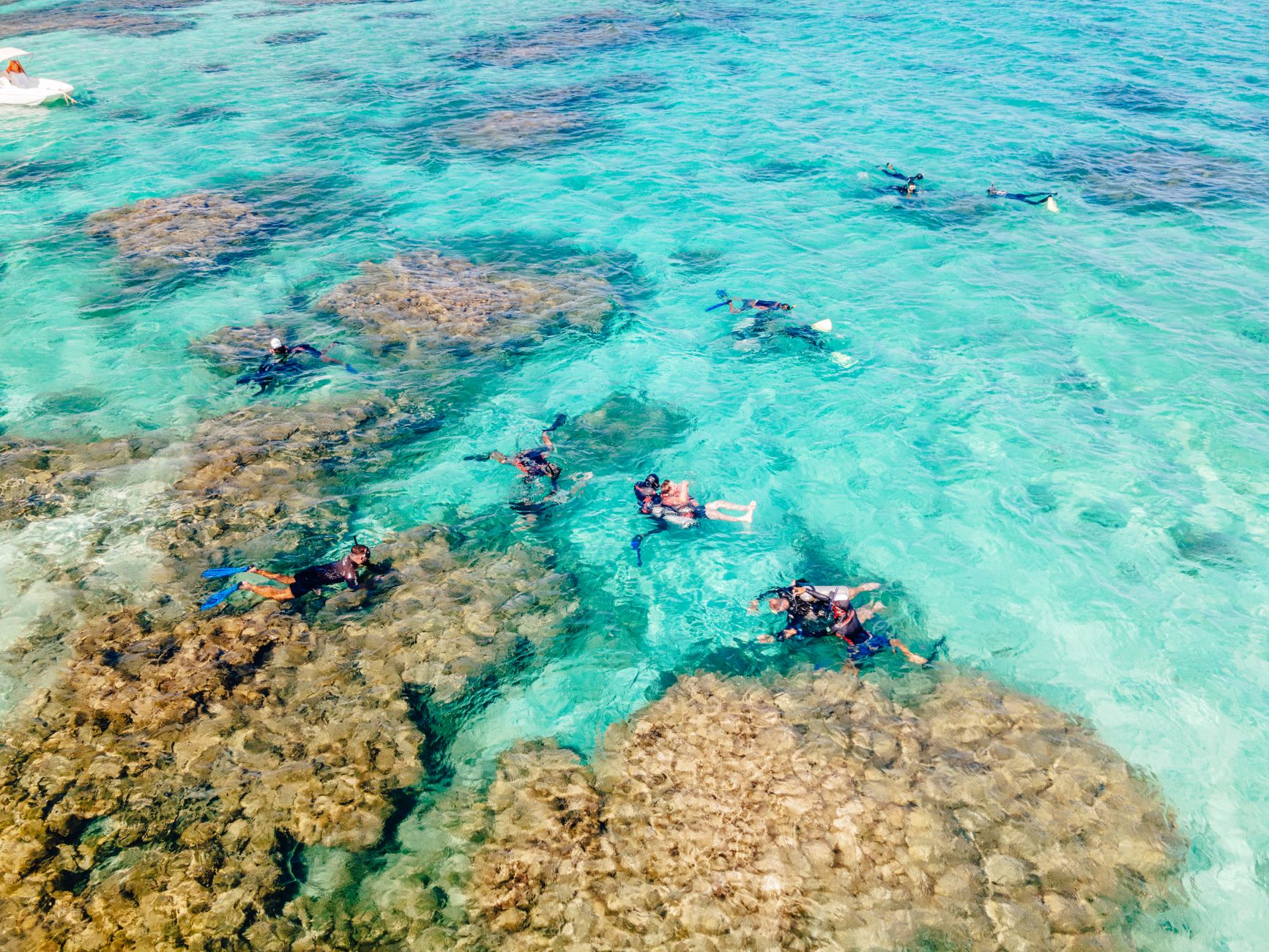
Khanh Hoa is warm year-round, but "best" depends on what you're chasing — calm seas for diving, dry skies for hiking, or fewer tourists. The province swings between two monsoons, so timing matters more than you'd think.
The quick answer
Visit September to November or March to May if you want a balance of good weather and manageable crowds. May to August brings rain, heat, and peak domestic tourism. December to February is coolest and driest but also most crowded with foreign tourists. January alone fills hotels fast.
Weather by season
Dry season (November to April)
This is Khanh Hoa's showcase window. Days are warm (25–30°C), humidity drops, and rain is rare. The sun doesn't feel oppressive. Seas stay calm enough for boat trips to Nha Trang (냐짱 / 芽庄 / ニャチャン) and Cat Ba; visibility for diving hits 20–30 meters.
February and March are the sweetest months — still warm, less crowded than January, wind is gentle. By late April, heat creeps up and occasional showers start.
Downside: everyone knows this season exists. Hotels in Nha Trang charge peak rates. Domestic holidays (Tet in late January/early February, Easter, school breaks) flood the beaches.
Monsoon and warm season (May to September)
This is when Khanh Hoa gets humid and wet. Southwest monsoon brings afternoon rains (often 2–3 hours of heavy downpour, then clear). Temperature reaches 32–35°C; humidity hovers near 80%. Seas get choppy; many boat tours cancel.
June to August see the heaviest rainfall and strongest winds. Visibility for diving drops to 10–15 meters. This is low season — hotels offer 30–50% discounts, beaches are quiet, and restaurants have fewer queues.
If you can handle rain and heat, September and October can be sweet spots. Monsoon eases, prices stay low, and foreign tourists haven't returned yet. Occasional typhoons are possible but rare.
Cool-ish season (October to November)
The transition period is underrated. October lingers warm (28–32°C) with decreasing rain. November shifts into the dry season — days are pleasant (26–30°C), humidity normalizes, and crowds are still manageable. Hotels start raising rates in late November.
Festival and event calendar
Khanh Hoa doesn't have as many major festivals as northern provinces, but a few mark the calendar:
Tet (뗏 (베트남 설날) / 越南春节 / テト) (late January or early February): The Vietnamese New Year brings school holidays, family vacations, and a short peak of domestic tourists to Nha Trang beaches. Hotels are full; beaches are packed. If you come mid-Tet (after the first few days), the worst crowds ease slightly.
Hung Kings Festival (eighth day of the fourth lunar month, typically April): This honors Vietnam's legendary founders. Nha Trang doesn't have the large temple celebrations of the north, but if you're in the province, local temples mark it quietly. Not a draw for tourists.
Mid-Autumn Festival (fifteenth day of the eighth lunar month, September or October): Kids wear masks and carry lanterns; temples decorate. Not a major event for visitors, but you'll see lanterns and lion dances in Nha Trang's Old Town around this date.

Photo by Tuan Vy on Pexels
Month-by-month breakdown
January: Peak season. Coolest, driest weather. Tet holidays mean high prices and crowded beaches. Book hotels 2–3 months ahead. Good for diving and island trips, if you tolerate crowds.
February: Still dry and cool. Tet hangover eases mid-month. Prices remain high. Fewer tourists than January. Excellent for outdoor activities.
March: Warm but not hot (26–30°C). Rain is rare. Crowds thin compared to January–February. Good value if you book a week or two in advance. Shoulder season prices.
April: Heat rises; occasional afternoon showers start. Still mostly dry. Schools break for summer; domestic crowds build. Late April starts the wet transition.
May: Monsoon rains begin. Hot and humid (32–35°C). Many boat tours operate on reduced schedules. Low prices. Good month to explore Nha Trang Old Town, markets, temples — indoor/urban activities.
June–August: Heaviest rain and heat. Seas are choppy; visibility underwater is poor. Strongly discourage diving. Domestic tourists still visit (summer holidays). Budget airlines run deals. Best for budget travelers willing to sit out rain.
September: Rain eases toward month's end. Still warm. Prices remain low. Fewer foreign tourists. Good for hiking, hillside exploration (Co Tien Mountain, nearby villages).
October: Transition into dry season. Cooler (28–32°C), less rain. Crowds still light. Good value. Visibility underwater begins to improve.
November: Dry season starts. Comfortable weather (26–30°C). Crowds pick up as word spreads. Prices rise by late month. Excellent balance of good weather and manageable crowds.
December: Dry and cooler. Holiday travelers (expats, early winter bookers) arrive. Hotels raise rates. Crowds build toward New Year. Still very pleasant weather.
What to expect: crowds and pricing
Peak season (December–March): Hotels 80–120% above low-season rates. Nha Trang City beaches packed, especially weekends. Restaurants with sea views have waits. Tour operators run full boats. Book everything 1–3 months ahead.
Shoulder season (April, October–November): Prices 20–40% above low season. Manageable crowds. Easy same-day bookings for tours. Good time for solo travelers or families wanting comfort without peak chaos.
Low season (May–September): Hotels 30–60% cheaper. Beaches quiet. Short queues at restaurants. Empty boats on tours. Rain is the trade-off, not crowds. Tour operators may reduce frequency (not daily departures).
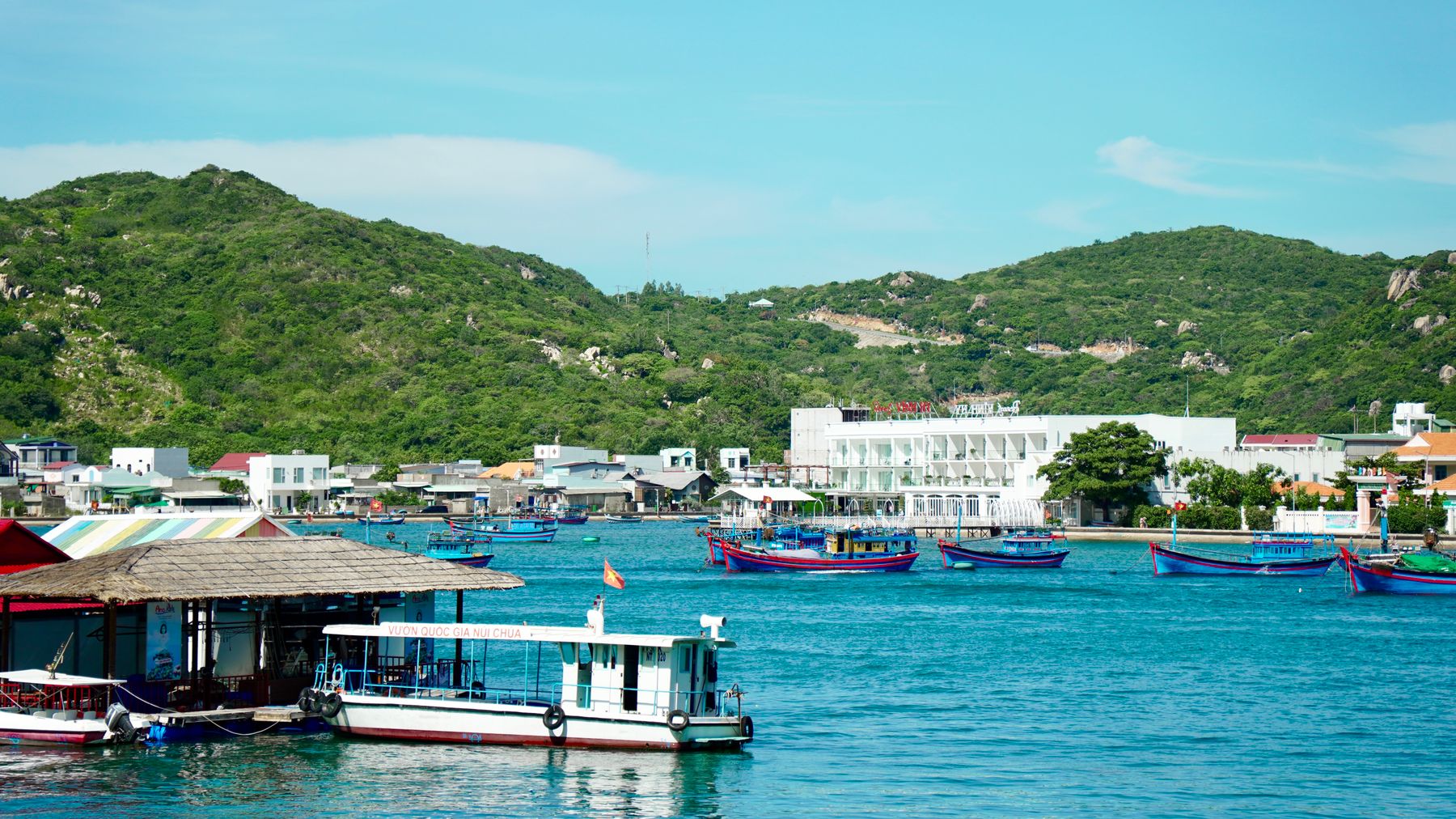
Photo by Tuan Vy on Pexels
Why Khanh Hoa for beach and diving
Nha Trang is the tourism hub, but Khanh Hoa province sprawls south to Ninh Thuan. If you're chasing calm waters and visibility, March to May is ideal — warm enough, dry, seas settled. If you're hiking to Yaly Waterfall or exploring villages in Nha Trang's hinterland, February, March, September, and October avoid the worst heat and wet.
Practical notes
Book flights and hotels 6–8 weeks ahead for December–February travel. For March–November, 2–3 weeks is usually enough. Bring a light rain jacket even in the "dry" season — a brief shower is always possible. If you're diving-focused, avoid June–August entirely; visibility is poor and seas rough. Beach days are still possible in rainy season, just plan indoor activities (museums, cooking classes, "egg coffee") for heavy downpour afternoons.
Last updated · May 29, 2026 · independently researched, never sponsored.