Northern Vietnam in Monsoon Season: What May to September Actually Looks Like
Rain in northern Vietnam is not a reason to cancel your trip — but it does change the game. Here is what the wet season actually looks like and how to work with it.

18 guides tagged monsoon — sort or switch view to find what fits.
Rain in northern Vietnam is not a reason to cancel your trip — but it does change the game. Here is what the wet season actually looks like and how to work with it.
Southern Vietnam's wet season gets a bad reputation it doesn't fully deserve — but there are real trade-offs to understand before you book.
September through December brings real flooding to central Vietnam — here's what the conditions actually look like, when to go anyway, and what to do when the water rises.
Vietnam's coastline runs 3,200 km and three separate weather systems govern it. Pick the wrong month for the wrong coast and you'll sit in rain.
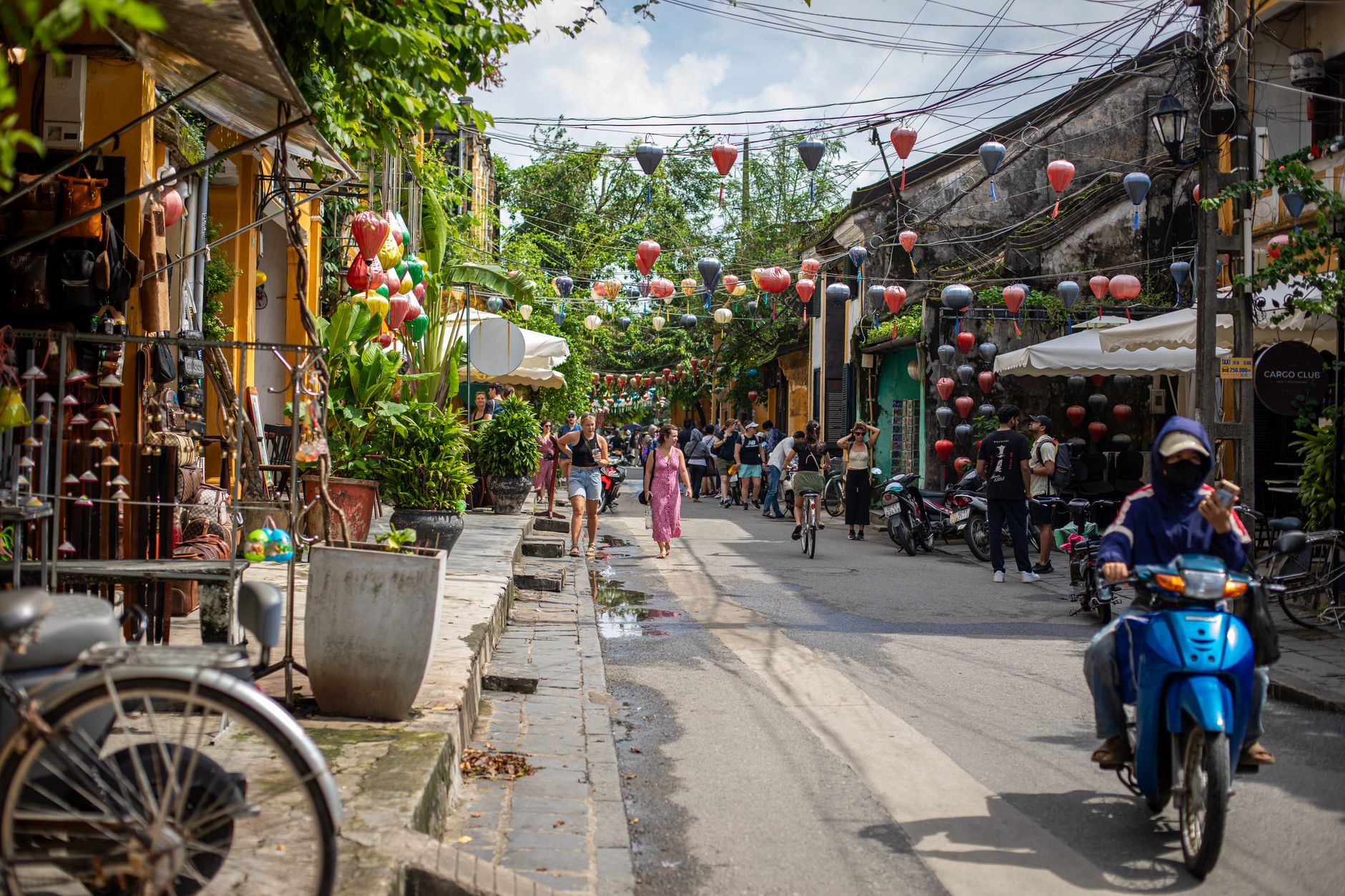
February to April is Hoi An's sweet spot — reliably dry, warm but not brutal, and noticeably quieter than peak December. Here's how to read the calendar.
Phu Quoc has a tight dry season and a punishing wet one. Here's how to read the calendar so you land when the water is clear and the beaches aren't wrecked.
If you only get one trip to Vietnam, timing matters more than itinerary. Here are the two narrow windows when the north, center, and south cooperate at once.
Ben Tre's tropical climate swings between hot-wet and hot-dry. November to April offers the most comfortable weather and clearest canal views; May to September brings monsoon rains and fewer tourists.
Ninh Thuan's dry season runs May–September, but crowds peak December–January. Here's how to pick your window based on weather, festivals, and what you actually want to do.
We use minimal analytics + ads (no personal tracking). See our privacy policy.