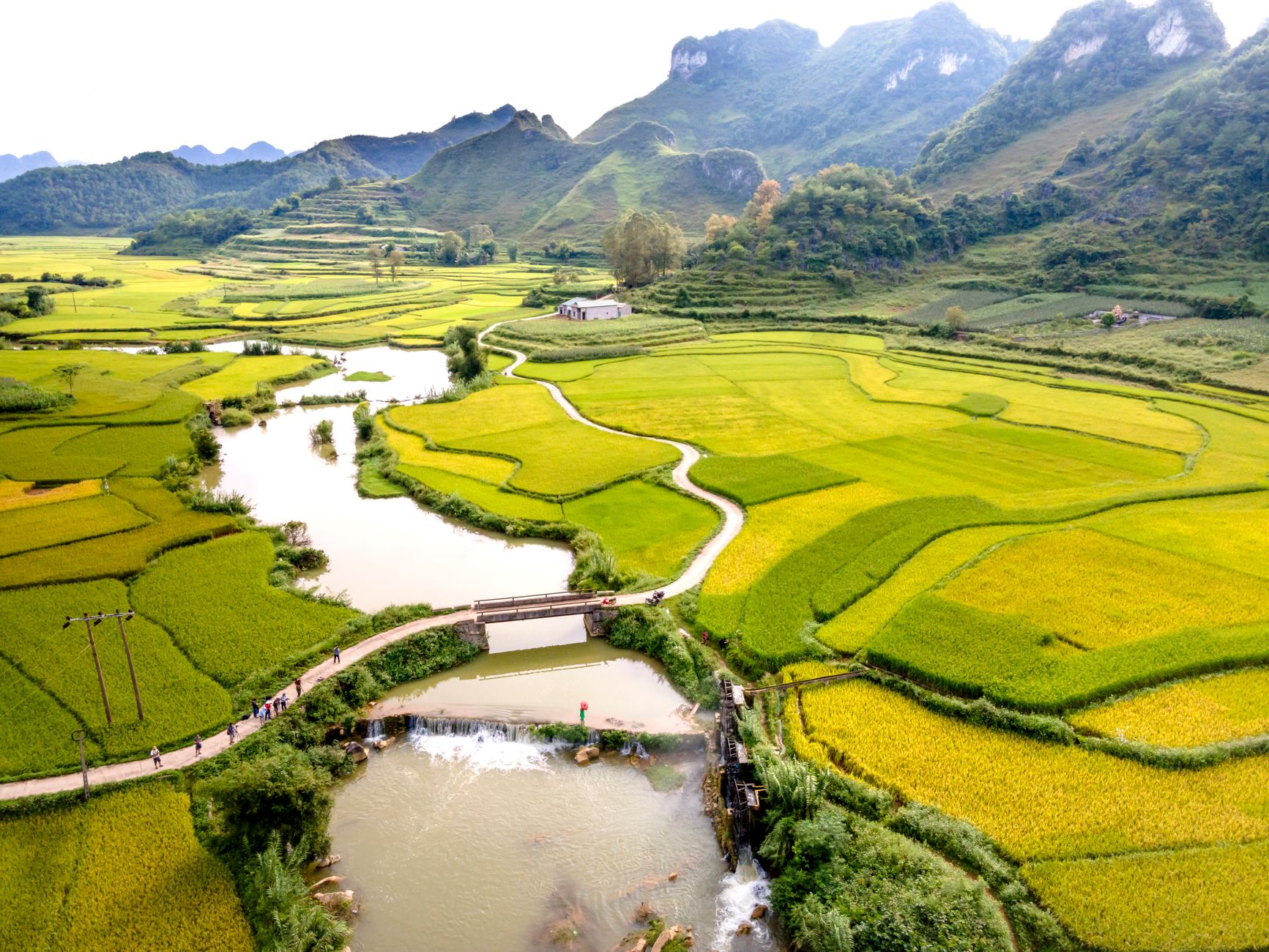
Ninh Thuan is Vietnam's driest province—a narrow coastal strip in central Vietnam wedged between the highlands and the South China Sea. Most tourists skip it in favor of Nha Trang (냐짱 / 芽庄 / ニャチャン) (90 km north) or Phan Rang (the provincial capital, 100 km inland), which means Ninh Thuan stays quiet most of the year. The trade-off: limited accommodations and fewer English speakers, but also fewer tour buses and more authentic fishing villages.
Before you book, understand that Ninh Thuan's seasons are inverted from much of Vietnam (베트남 / 越南 / ベトナム). What works for Hanoi (cool, dry winters) doesn't apply here. And what works for Saigon (hot, humid summers) is actually decent in Ninh Thuan.
May to September: Dry season (best for most travelers)
This is objectively the best window. The northeast monsoon is gone, and Ninh Thuan enters its dry season—the only months when reliable sun is guaranteed.
May–June: Air temperature 30–33°C (86–91°F). Humidity climbs mid-month. Morning swims are warm; afternoons feel heavy. Crowds are still minimal. Hotels offer discounts. This is an underrated shoulder period if you can tolerate heat.
July–August: Peak dry season. Clear skies, calm seas, 32–34°C (90–93°F). Humidity is high but manageable near the coast. Winds are light. Ideal for kitesurfing at Ninh Chu Beach or motorbiking to Phan Rang's Cham temples without rain interruptions. Domestic tourists start arriving late July. Accommodation prices rise slightly. Still far quieter than Nha Trang.
September: Tail end of dry season. 30–32°C (86–90°F), but tropical storm season is creeping in. Morning rain is possible late-month. Not a deal-breaker—showers are short and localized. Discounts return as crowds thin before October rains. A smart budget pick if you're flexible on weather.
October to November: Transition (mixed conditions, fewer tourists)
October: Officially the start of the southwest monsoon. 28–30°C (82–86°F). Rainfall increases significantly—expect 2–3 rainy days per week, mostly afternoon downpours. Seas get choppier. Tour groups avoid it. Hotels and guesthouses in Phan Rang run empty. Prices drop 15–20%. If you're comfort-tolerant and want solitude, October is viable. Bring a compact rain jacket.
November: The wet season settles in. 27–29°C (81–84°F). Rain frequency stays high but intensity eases slightly from October. Seas remain rough. This month is skipped by nearly everyone except budget backpackers. Accommodation is cheapest. Only visit if rain doesn't bother you.
December to February: Dry again, but crowded
Ninh Thuan enjoys its second dry window as the northeast monsoon returns. However, this coincides with Christmas/New Year holidays and Vietnamese Tet / 越南春节 / テト) (lunar new year) winter travel.
December: 25–27°C (77–81°F), sunny, low humidity. Ideal weather. Tour groups from Da Nang and Nha Trang start day-tripping to Cham temples. Hotel rates climb 20–30%. Book ahead if December is your window.
January: Peak tourist season. 24–26°C (75–79°F), perfect conditions. Vietnamese Tet holidays (January 25, 2025; February 13, 2026) bring family travelers. Prices reach annual highs. Beaches and temple sites see noticeable crowds (by Ninh Thuan's low standards—still quiet compared to Nha Trang or Saigon). If you must visit in peak season, book 4–6 weeks ahead.
February: Tet week clears; crowds thin. 25–27°C (77–81°F). Still dry and sunny. A sweet spot if you missed January—good weather without holiday premiums. Prices normalize mid-month.

Photo by ㅤ quang vinh ㅤ on Pexels
March to April: Hot transition (avoid if possible)
March: 28–31°C (82–88°F), no rain yet, but oppressive heat builds. Humidity creeps up. Winds are erratic. Not many tourists come; hotels offer mid-range rates. Doable if you're heat-resilient, but not ideal.
April: 31–33°C (88–91°F), the hottest and most uncomfortable month in Ninh Thuan. Locals say it's when the land bakes hardest. Rain hasn't started, but humidity spikes. Few tourists visit. Prices are low, but conditions are punishing. Avoid unless you have no other option.
Festivals and events
Ninh Thuan has limited major festivals compared to northern provinces. The Cham people (Muslim ethnic minority) make up ~30% of the population and observe Islamic holidays, but these are not tourist events.
Cham Islamic holidays (dates shift yearly): Eid al-Fitr and Eid al-Adha are observed in Phan Rang's Cham villages. If you're interested in Cham culture, visiting during Eid means seeing traditional celebrations, but few English-language tourism services exist. Check lunar dates in advance.
Tet (January–February, lunar calendar): Vietnamese families travel home; prices spike, but no major festivals specific to Ninh Thuan. The province becomes a transit/rural hub, not a destination for celebrations.
No major international or national festivals draw tourists specifically to Ninh Thuan during particular months. Plan around weather and crowds, not events.

Photo by Serg Alesenko on Pexels
Crowd levels and booking strategy
- December–January: Busy. Book 4–6 weeks ahead. Expect 40–60% higher prices. Day visitors from Nha Trang and Da Nang.
- February: Moderate. Book 2–3 weeks ahead. 10–20% price premium.
- May–September: Quiet to moderate. Walk-in booking is usually fine except peak weeks (late July–August). Prices 15–30% below peak.
- October–November: Very quiet. Walk-ins standard. Lowest prices. Rain is real, though.
- March–April: Quiet but hot. Avoid if possible.
What to do in each season
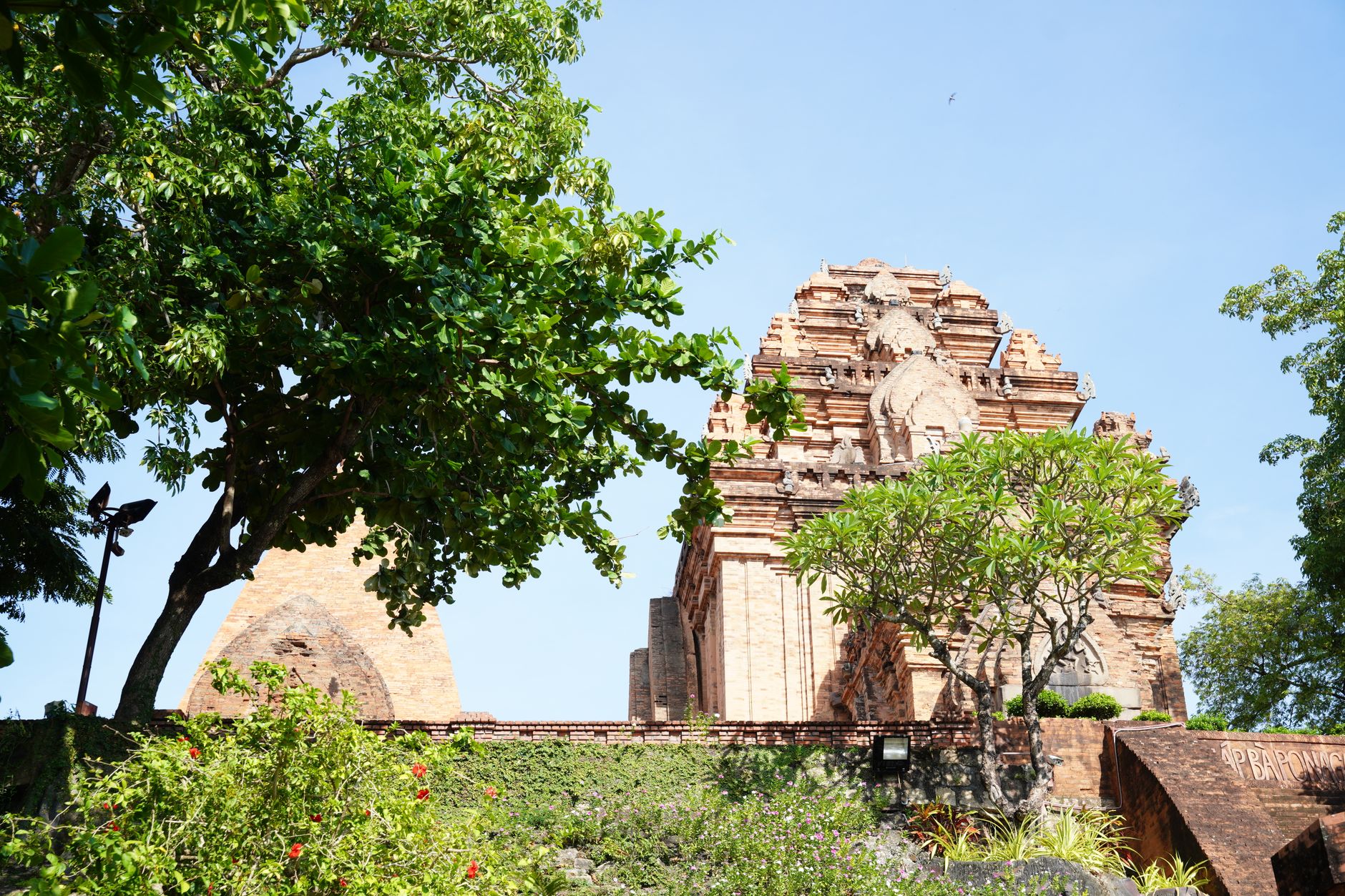
Dry season (May–September): Kitesurfing at Ninh Chu, motorbiking to Phan Rang's Po Klong Garai and Po Nagar Cham towers, swimming, snorkeling. Roads are passable; beach days are reliable.
Wet season (October–November): Walking tours of Phan Rang's old town and temple interiors. Cham villages are less crowded. Photography of dramatic storm light over the coast. Hiking is muddier but greener. Not ideal, but possible.
Cool dry season (December–February): All activities work. Peak for kitesurfing conditions. Outdoor exploration is most comfortable. Temple and museum visits overlap with tour groups.
Practical notes
Ninh Thuan has one main town, Phan Rang, 100 km inland. Coastal areas like Ninh Chu and Vinh Hy are 30–50 km from Phan Rang. Accommodation is basic (guesthouses, budget hotels; no luxury resorts). Restaurants serve pho, com tam, and fresh seafood; English menus are rare outside Ninh Chu Beach resort areas. Public transport is minimal; renting a motorbike (150,000–300,000 VND/day) is standard. The nearest major hub is Nha Trang (90 km, 2 hours by bus or car).
Last updated · May 29, 2026 · independently researched, never sponsored.