— HẾT —
Cập nhật lần cuối · May 27, 2026 · nghiên cứu độc lập, không tài trợ.
We use minimal analytics + ads (no personal tracking). See our privacy policy.
Bai Mon is a crescent of white sand tucked beneath the Mui Dien lighthouse in Phu Yen — one of the quietest beaches on the central coast, if you show up early enough.

Cập nhật lần cuối · May 27, 2026 · nghiên cứu độc lập, không tài trợ.
Bài viết khác về thành phố này.

Locals live on Zalo, tourists default to WhatsApp — here's why that gap matters and how to bridge it before your trip.

…
Hotels, homestays, hostels — strongest inventory in Vietnam.
Thousands of foreigners teach English or freelance in Vietnam on tourist visas. Here is what Vietnamese law actually says, when it gets enforced, and how to do it properly.

The Wise debit card works well in Vietnam if you know the fee structure. Here's how to use it at ATMs and merchants without losing money on bad rates.
Bài viết khác trong vùng này.

Forget everything you know about standard noodle soup. In the Central Highlands city of Pleiku, the local obsession is 'pho kho', a two-bowl ritual that defines the region's breakfast culture.
Da Lat has quietly become Vietnam's most liveable remote-work base — cool air, cheap rent, and more cafes than you can reasonably test in a month.

Hoi An is slow, cheap, and surprisingly well-connected. Here is what a working month actually looks like — costs, internet, and where to sit with a laptop.
More articles from the same category.
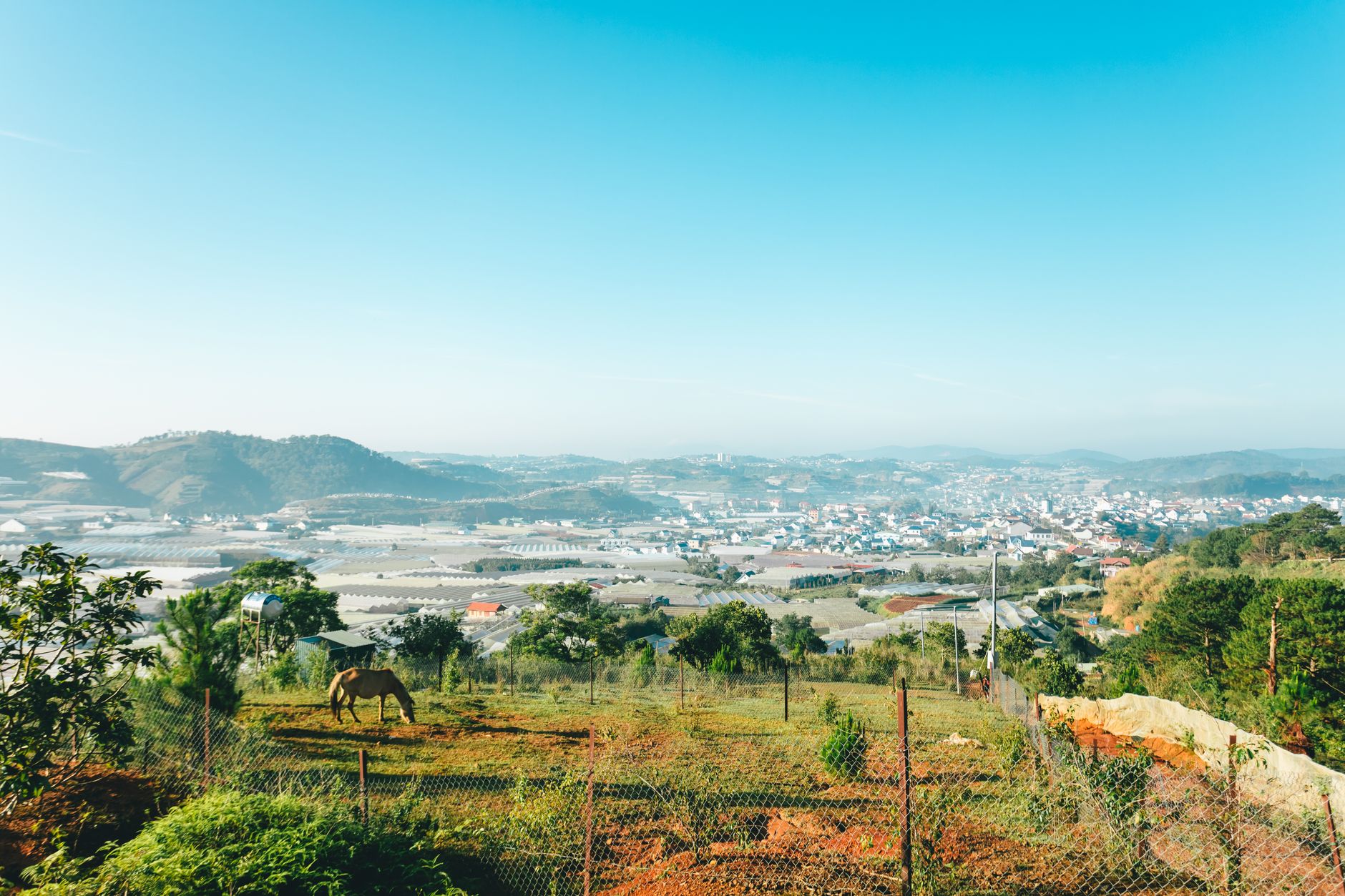
Yok Don is Vietnam's biggest national park and one of its least-visited. Here's what actually lives inside — and how to do it properly.
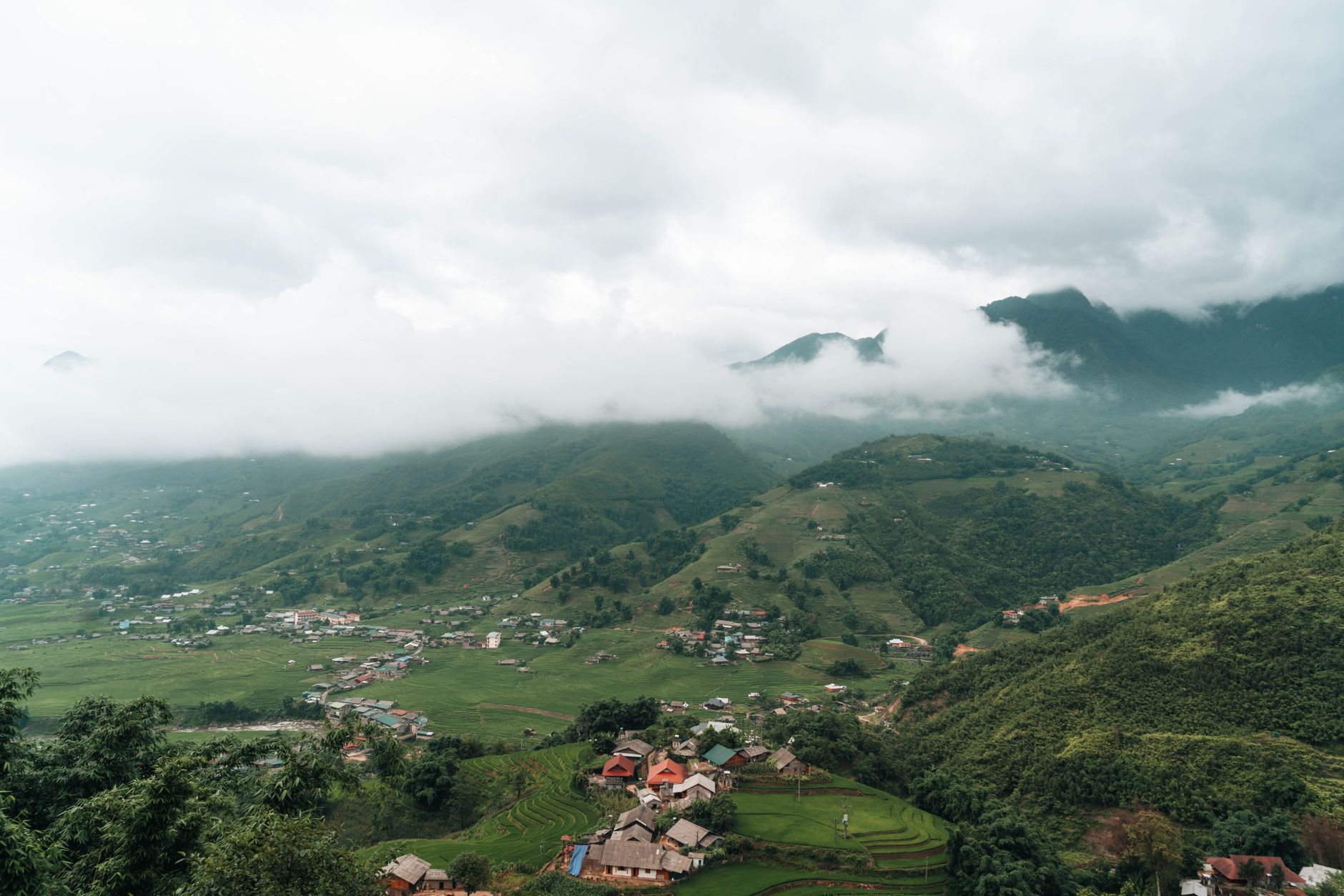
Y Ty is a Ha Nhi ethnic commune in Lao Cai province where sea-of-cloud mornings run from September to March — and almost nobody shows up compared to Sa Pa.

Y Ty's sea of fog is not a rumor — but it only appears reliably for a few weeks a year. Here's when to go, where to stand, and how to sleep close enough to catch it.

Yen Tu in Quang Ninh province is Vietnam's most significant Buddhist pilgrimage site — a forested mountain where a 13th-century king renounced his throne and founded a homegrown school of Zen.
Skip the crowds of Sapa for Y Ty, a remote highland outpost in Lao Cai where clouds settle in the valleys and ancient mud-walled houses dot the terraced hills.
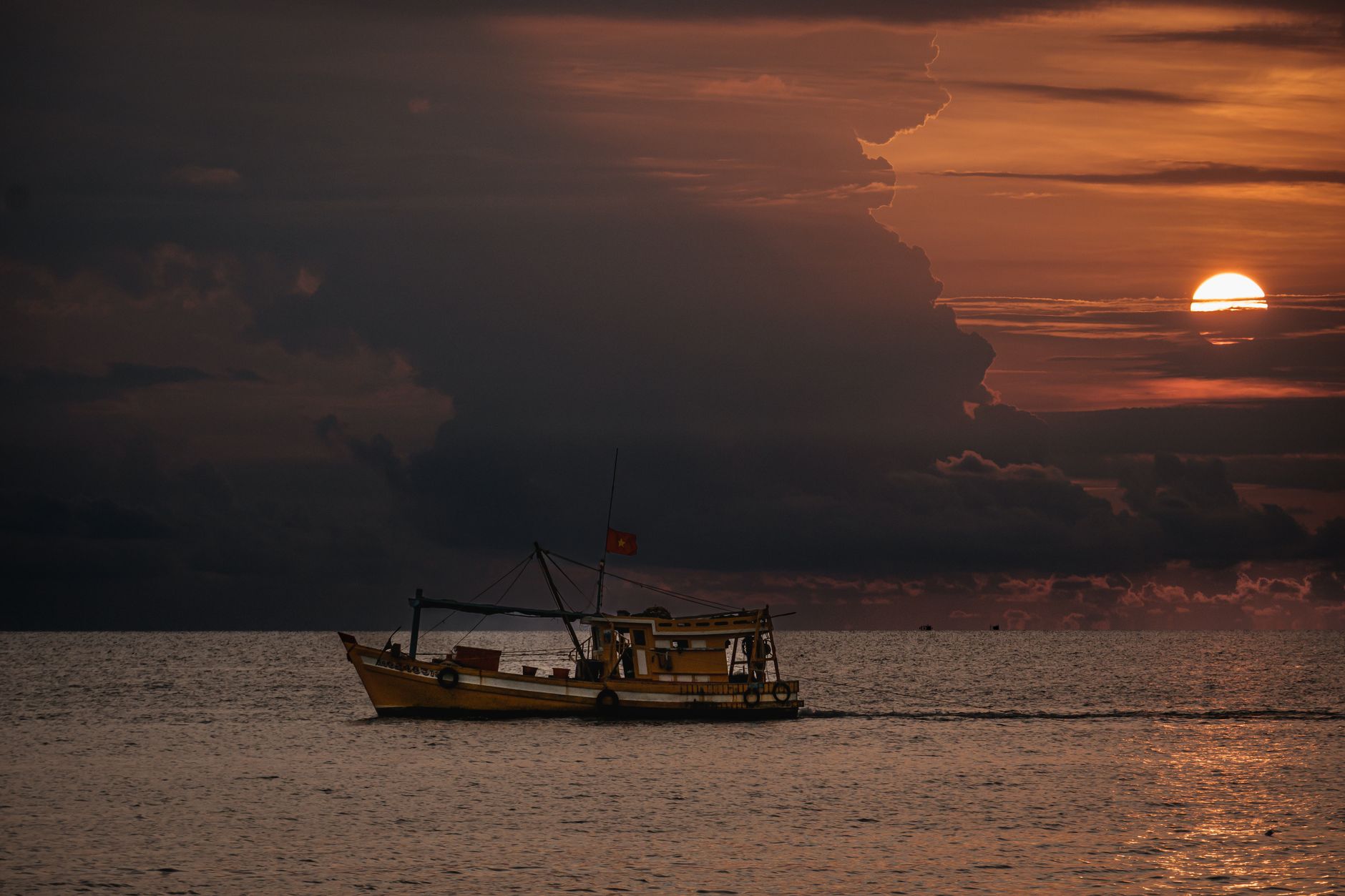
Skip the mega-resort bubble and head south to the An Thoi archipelago. This independent day-trip route covers speedboat logistics, quiet snorkeling spots, and local seafood.
Bai Mon is not a beach that markets itself. There are no sun-lounger rentals, no cocktail shacks, and on most mornings before 9 a.m., no other visitors. What there is: a tight crescent of white sand backed by sea-carved rock, cold clean water, and the lighthouse of Mui Dien — the easternmost point of Vietnam (베트남 / 越南 / ベトナム)'s mainland — sitting on the headland above.
Mui Dien cape sits at the southeastern tip of Phu Yen province, about 30 km south of Tuy Hoa city and roughly 85 km north of Quy Nhon. The nearest town is Dai Lanh, which straddles the Phu Yen–Khanh Hoa border on National Highway 1. From Dai Lanh, a narrow road heads northeast up into the headland — it is paved but steep in places, and if you are on a scooter you will feel it. The ride from Dai Lanh takes around 15 minutes.
Most visitors coming from Da Nang or further north stop here as part of a coastal drive south. From Da Nang it is about 280 km — a long day on a motorbike but an easy stretch by car or sleeper bus to Tuy Hoa followed by a hired xe om south. If you are already based in Quy Nhon, the beach is under two hours up the coast.
There is no public transport that drops you at Mui Dien. Rent a motorbike from Tuy Hoa (around 120,000–150,000 VND per day) or negotiate a one-way car from Tuy Hoa's taxi stands.
Bai Mon sits in a natural cove directly below and north of the Mui Dien lighthouse. The cape shields it from the worst of the northeast winds between November and January, which is part of why it holds up better in the shoulder season than beaches further north. The sand is coarse white, the kind that doesn't compact much underfoot, and the bay curves maybe 400 metres from headland to headland.
The water is cold by central Vietnam standards — the cove faces open ocean and gets real swell when the wind picks up. On calm days between February and August the visibility underwater is good enough to justify bringing a snorkel. There are rocks at either end of the crescent and a flat sandy bottom in the middle.
Facilities are minimal by design. There is a small concrete structure near the car park used by a rotating cast of vendors who sell banh mi, instant noodles, and coconut water. Do not count on them being there. Bring your own water.

Photo by Ngân Dương on Pexels
Bai Mon's reputation as a quiet alternative to Phu Yen's busier spots — like Bai Xep or the Long Beach near Tuy Hoa — is accurate, but only conditionally. By mid-morning on weekends between April and August, domestic tour groups begin arriving. By 11 a.m. the car park is full and the beach has the churned-up energy of any popular attraction in peak season.
Arrive before 7:30 a.m. and the dynamic is completely different. The light is low and gold, the lighthouse catches it from the hill, and you may well have the entire beach to yourself for an hour. If you are driving the coastal route and sleeping somewhere around Dai Lanh or Vung Ro the night before, timing this is straightforward. If you are coming from Tuy Hoa, leave by 6 a.m.
This also applies to the hike up to the lighthouse. The path climbs steeply from the beach access road and takes about 20–25 minutes on foot. The lighthouse itself is not open to visitors, but the view from the ridge below it — down to Bai Mon on one side and across the open South China Sea on the other — is the reason people make the climb. In full midday sun with a crowd behind you, it is uncomfortable. At 7 a.m. with the sea breeze still cool, it is a different experience entirely.
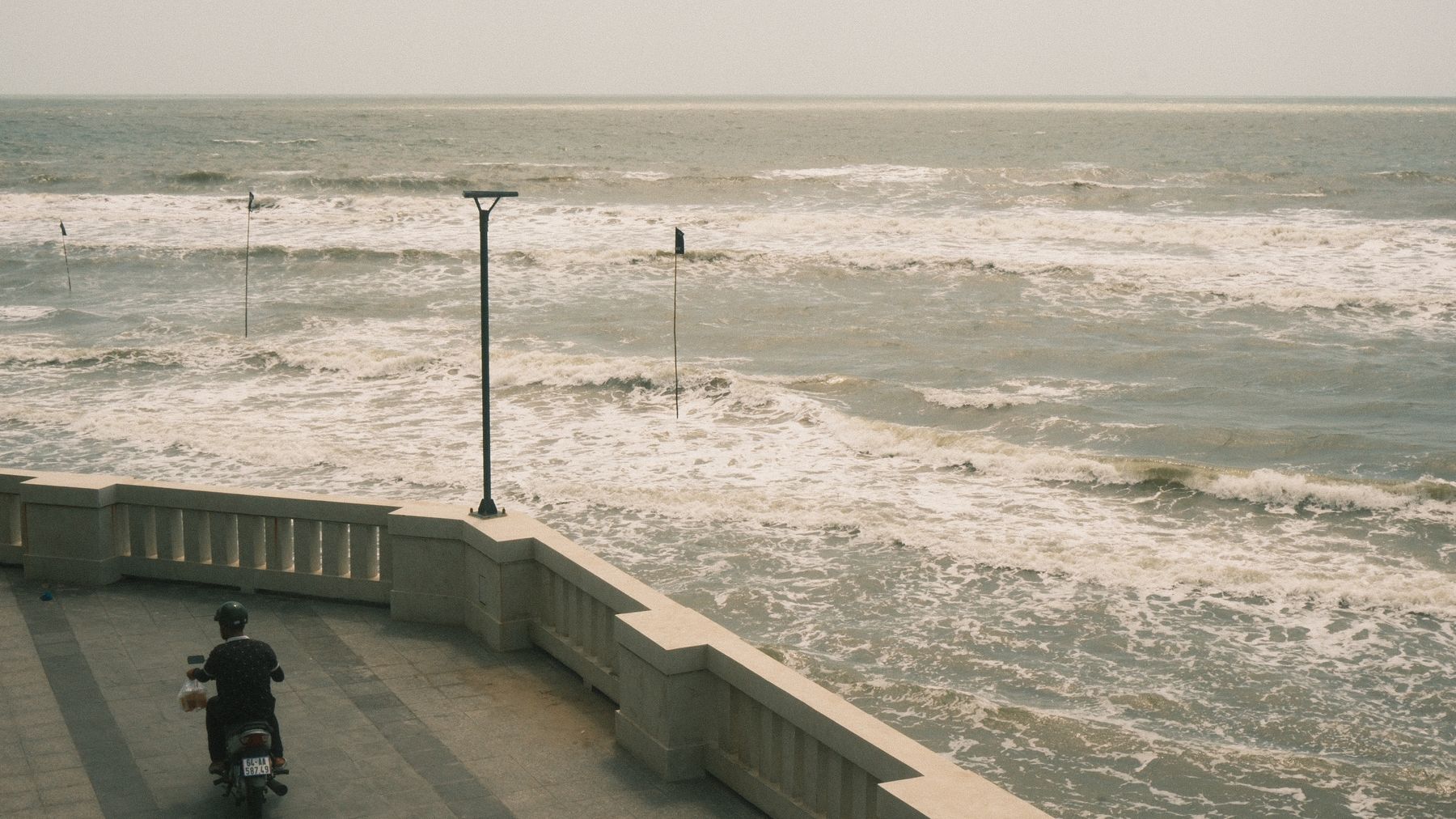
Photo by Ngoc Nguyen on Pexels
Dai Lanh town, 15 minutes back down the road, is your best option for a real meal. Look for "bun ca" — fish noodle soup — at the small stalls near the market in the early morning. Phu Yen is serious about its fish, and a bowl here will cost you 30,000–40,000 VND. The province is also known for "ca ngu dai duong" (skipjack tuna), which shows up in various forms at local com binh dan restaurants — grilled, braised with ginger, or pressed into fish cakes.
If you are heading south toward Nha Trang (냐짱 / 芽庄 / ニャチャン) afterward, the seafood restaurants along the bay at Dai Lanh are worth a lunch stop. Nothing fancy — plastic chairs, fresh catch, cold beer.
There is no entrance fee to reach Bai Mon or the Mui Dien area, though parking costs around 10,000–20,000 VND. Swim in the designated area if conditions look rough — the open-ocean exposure means rip currents are possible after heavy weather. There is no accommodation at the cape itself; Tuy Hoa has the widest range of guesthouses in the area, with budget rooms starting around 250,000 VND per night.