— HẾT —
Cập nhật lần cuối · May 30, 2026 · nghiên cứu độc lập, không tài trợ.
We use minimal analytics + ads (no personal tracking). See our privacy policy.
Thousands of foreigners teach English or freelance in Vietnam on tourist visas. Here is what Vietnamese law actually says, when it gets enforced, and how to do it properly.

Cập nhật lần cuối · May 30, 2026 · nghiên cứu độc lập, không tài trợ.
Bài viết khác về thành phố này.

Locals live on Zalo, tourists default to WhatsApp — here's why that gap matters and how to bridge it before your trip.
…
Hotels, homestays, hostels — strongest inventory in Vietnam.
Da Lat has quietly become Vietnam's most liveable remote-work base — cool air, cheap rent, and more cafes than you can reasonably test in a month.

Winter in the north is damp, grey, and surprisingly chilly. Forget the tropical gear and pack for layering to survive the humidity.
Bài viết khác trong vùng này.

The Wise debit card works well in Vietnam if you set it up right. Here's how to avoid fees, use the VND balance, and when it beats alternatives.

The Wise debit card works well in Vietnam if you know the fee structure. Here's how to use it at ATMs and merchants without losing money on bad rates.
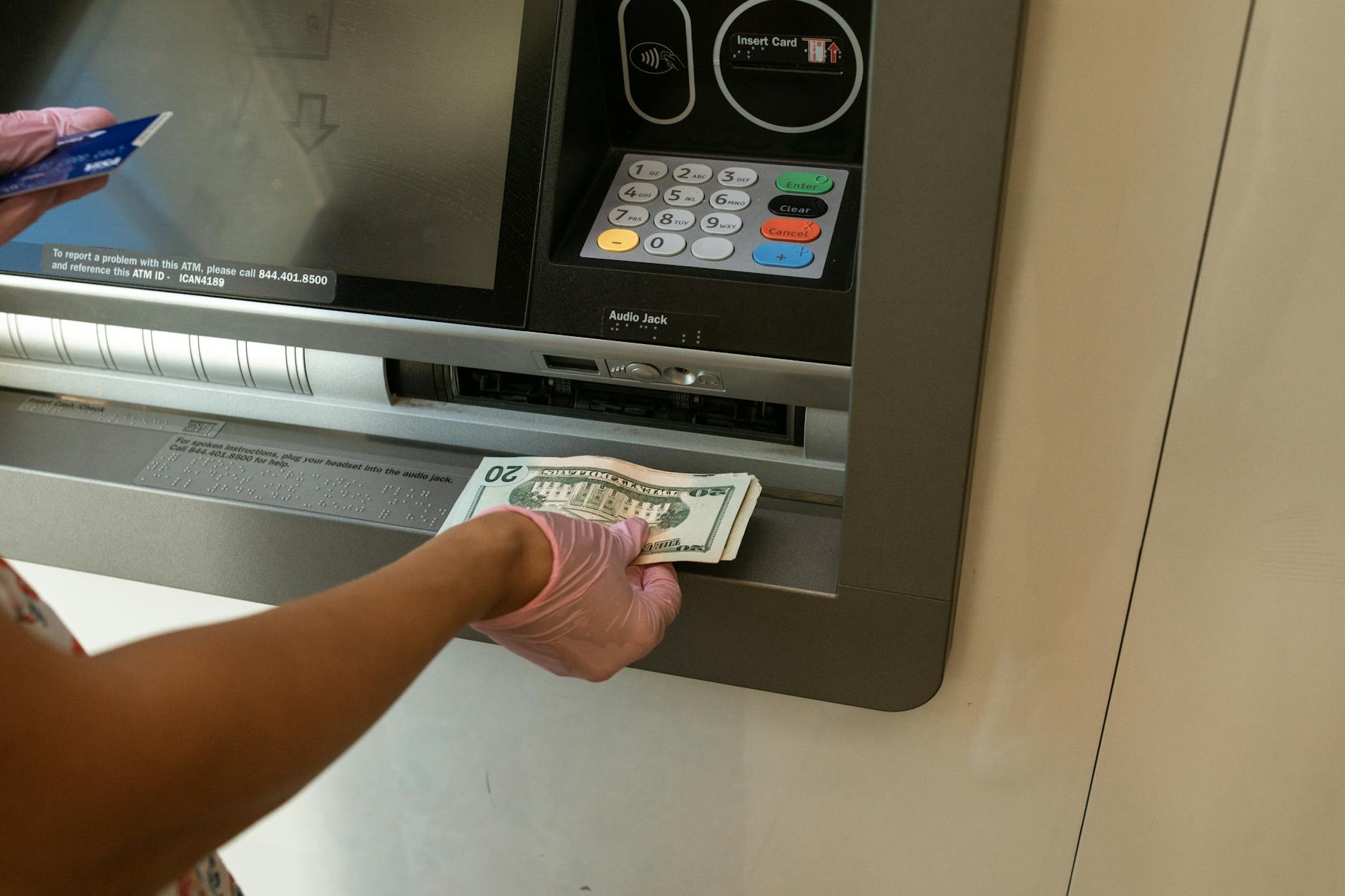
Vietnam runs on dong, but there are real situations where USD cash matters. Here is where you can actually pull USD from an ATM or bank counter.
More articles from the same category.

Forget the heavy gear. Packing for the Mekong Delta is about managing humidity, protecting your skin, and staying mobile on the water.

Wise works for sending VND to Vietnamese banks, but the process has quirks. Here's what fees to expect, which banks receive fastest, and why transfers get rejected.
Fees, speeds, and bank coverage compared for the three most-used international transfer services into Vietnam — so you pick the right one before you send.
Forget the resort-brochure packing lists. Here is the gear you actually need for Vietnam's coast, from the sands of Da Nang to the islands of Phu Quoc.
Mastering basic time and day markers in Vietnamese will save you from missed buses and confused taxi drivers. Here is the essential cheat sheet for your trip.

Most travel insurance policies have gaps that matter specifically in Vietnam — motorbike coverage, medical evacuation, and hospital payment methods. Here is what to check before you buy.
Vietnam (베트남 / 越南 / ベトナム) has one of Southeast Asia's more straightforward visa systems for tourists — and one of the murkier ones for people who want to stay and work. If you have spent any time in Hanoi or Saigon, you have met the person nursing a "ca phe sua da" at a co-working space who has been here three years on back-to-back tourist visas. You have also, probably, met the person who got sent home.
Vietnam's e-visa grants most nationalities 90 days, single or multiple entry. The visa-on-arrival system exists too, mostly for nationalities not covered by e-visa. Neither authorizes employment. That sounds obvious, but the legal language matters: under the Law on Foreigners' Entry into, Exit from, Transit through, and Residence in Vietnam (revised 2023), a tourist visa (DL stamp) permits travel and tourism only. Receiving payment from a Vietnamese entity — a school, a company, a client — while on a tourist visa is, on paper, unauthorized employment.
The relevant enforcement mechanism is Decree 152/2020/ND-CP, which governs foreign workers in Vietnam. It requires any foreigner working in Vietnam to hold a work permit ("giay phep lao dong") and a matching residence visa (typically DN or LĐ category). Employers who hire unpermitted foreign workers face fines. So do the workers themselves.
Enforcement is inconsistent, and that inconsistency is the actual story here.
The English-teaching market in particular runs partly on informal arrangements. Small language centers — the kind operating out of a shophouse on a side street in Hoi An or Da Lat — often pay foreign teachers cash per session with no contract. No contract, no paper trail, and historically, no visit from labor inspectors. Freelance remote workers present an even grayer case: if you are being paid by a company outside Vietnam and simply happen to be sitting in a cafe in Da Nang while doing it, Vietnamese authorities have rarely treated that as local employment.
But "rarely" is not "never," and the calculus has shifted.

Photo by RDNE Stock project on Pexels
A few situations reliably trigger scrutiny:
Formal employer complaints. When a foreign teacher has a dispute with a school — salary withheld, contract broken — they sometimes file a complaint. This opens the school to a labor inspection. The inspector finds unpermitted foreign staff. Everyone gets fined, and the teacher loses leverage entirely because they were working illegally.
Visa runs flagged at the border. Immigration officers at Moc Bai, Lao Cai, and the major airports are well aware of the "live in Vietnam, exit every 90 days" pattern. If your passport shows a consistent pattern of tourist entries over multiple years, you may be questioned, denied entry, or issued a shorter visa than requested. There is no published threshold — it is officer discretion.
Crackdowns in expat-dense neighborhoods. Periodic sweeps in Hanoi's Tay Ho district and Saigon (사이공 / 西贡 / サイゴン)'s Binh Thanh and Thu Duc areas have caught foreign workers at language schools operating without permits. These tend to cluster before major national events and are unpredictable.
Working for a Vietnamese-registered business on-site. Remote freelancing for a foreign client in your apartment is one thing. Showing up daily at a Vietnamese company's office and collecting a local salary is another. The latter is the scenario most likely to surface in an audit.
If you plan to work in Vietnam — teach, consult, manage — the right route is a work permit plus a long-term visa or temporary residence card ("the tam tru").
Work permits require your employer to sponsor you. The employer submits documents to the Department of Labor, Invalids and Social Affairs (DOLISA) in the relevant province. You need a clean criminal background check from your home country (apostilled), proof of relevant qualifications, and a medical certificate. Processing takes roughly three to four weeks and costs around 600,000–800,000 VND in government fees, though employers often absorb this.
Once the work permit is issued, you apply for a DN (business) or LĐ (labor) visa at a Vietnamese embassy abroad, or adjust status if you are already in-country through a licensed immigration agent. This converts to a one- or two-year temporary residence card on renewal. Foreigners with a valid work permit and TRC have the same right to sign leases, open bank accounts, and access services as any legal resident.
The process is not fast and it requires an employer willing to do the paperwork. That is the real barrier — many small schools would rather pay cash and avoid the admin. But reputable language chains (ILA, Apax, Wall Street English) and international companies do run proper permit processes routinely.

Photo by Kenneth Surillo on Pexels
For a remote worker paid entirely by a foreign employer, the legal exposure in practice is low — but it is not zero, and it depends heavily on which province you are in and what political moment you happen to be working through. For someone teaching English at a physical school and being paid in cash, the risk is meaningfully higher, especially if the school is operating without proper business registration.
The risk is not just deportation. A formal finding of unauthorized employment can result in a multi-year entry ban. That is the outcome worth taking seriously.
If you are planning a short trip to Saigon, Hoi An, or Ha Long Bay as a tourist, none of this applies to you. But if you are thinking about staying and earning — even informally — it is worth understanding the distinction between "rarely enforced" and "legal."
Work permit applications must be submitted by the employer, not the individual — you cannot self-sponsor. Criminal background checks from most Western countries take four to eight weeks to process and apostille, so start early. Licensed immigration consultants in Hanoi and Saigon (fees typically 3–6 million VND) can handle the paperwork and help avoid common errors on employer submissions.