— HẾT —
Cập nhật lần cuối · May 29, 2026 · nghiên cứu độc lập, không tài trợ.
We use minimal analytics + ads (no personal tracking). See our privacy policy.
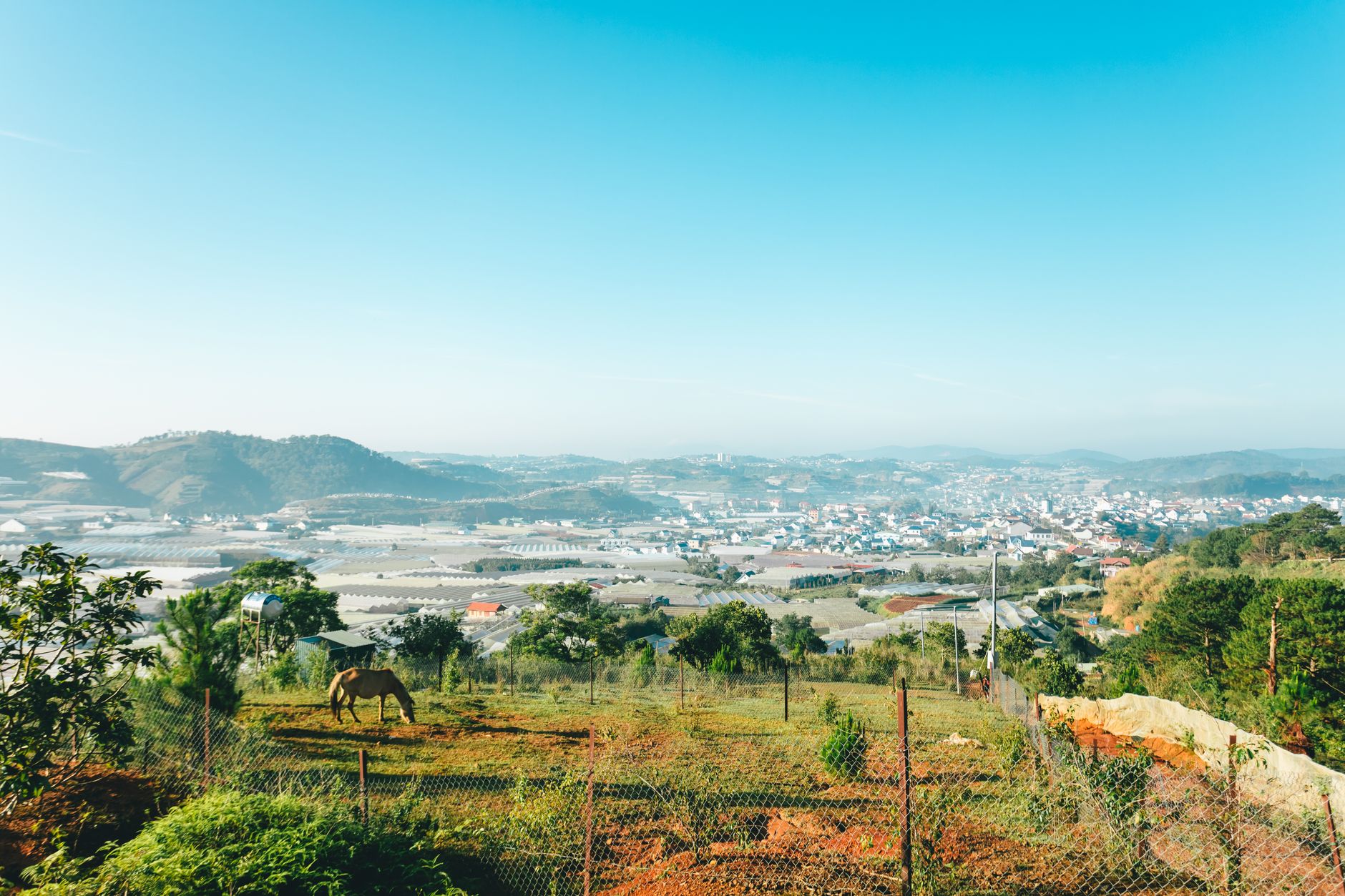
Yok Don is Vietnam's biggest national park and one of its least-visited. Here's what actually lives inside — and how to do it properly.
Cập nhật lần cuối · May 29, 2026 · nghiên cứu độc lập, không tài trợ.
Bài viết khác về thành phố này.

Buon Ma Thuot produces most of Vietnam's coffee, yet few travelers bother to visit. Here's how to tour the farms, taste the harvest, and find what to bring home.

…
Hotels, homestays, hostels — strongest inventory in Vietnam.
Buon Ma Thuot is Vietnam's coffee capital, but the city's beef-centric street food is just as worth the trip — here's what to eat and drink.
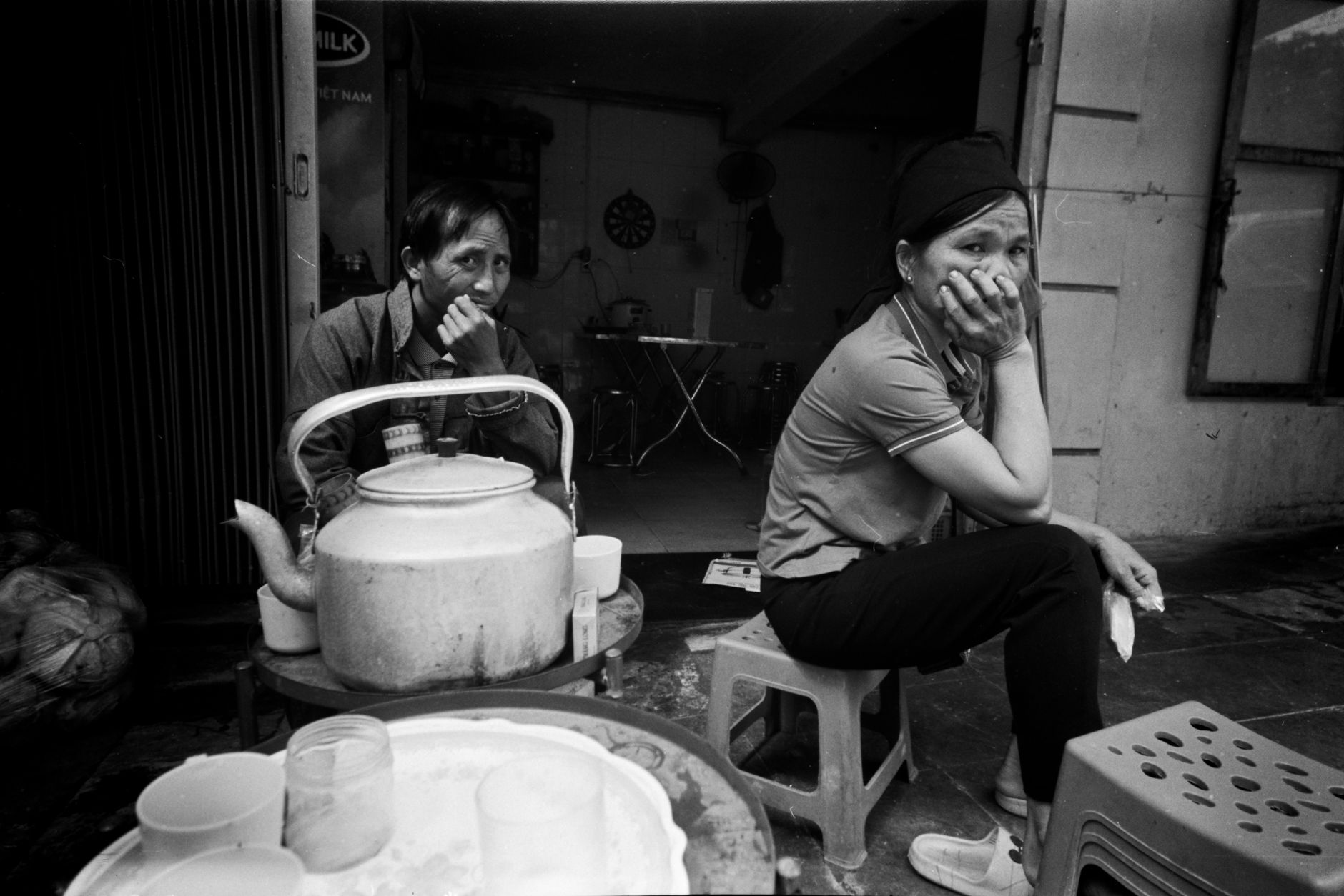
From the misty highlands of Da Lat to the red-soil farms of Buon Ma Thuot, this 10-day trail follows Vietnamese coffee from the cherry to the cup.
Bài viết khác trong vùng này.

Forget everything you know about standard noodle soup. In the Central Highlands city of Pleiku, the local obsession is 'pho kho', a two-bowl ritual that defines the region's breakfast culture.

Quy Nhon is often overlooked for its neighbors, but its rice-based specialties, particularly the local take on vermicelli, define the city's culinary identity.

Da Lat has quietly become Vietnam's most liveable remote-work base — cool air, cheap rent, and more cafes than you can reasonably test in a month.
More articles from the same category.
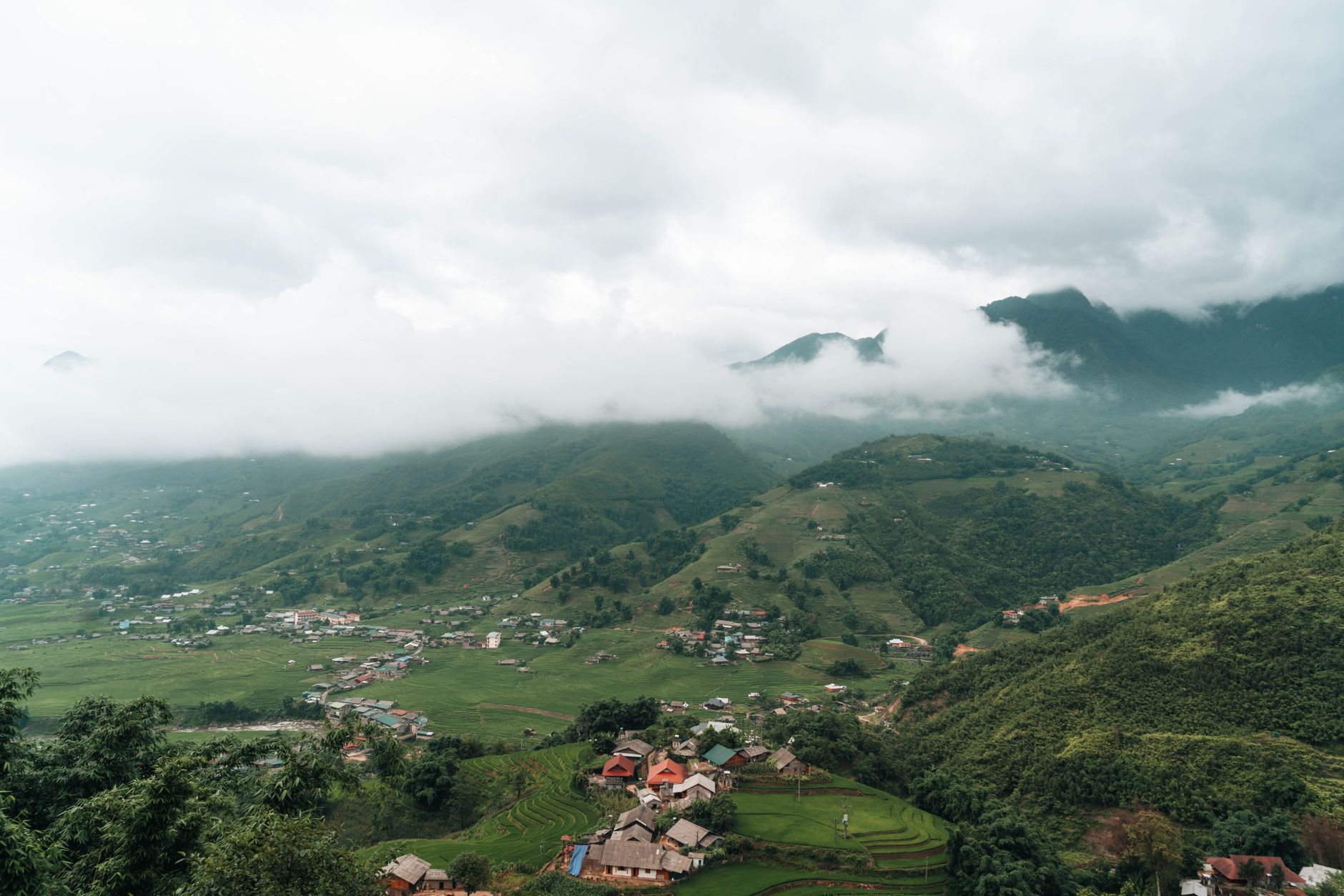
Y Ty is a Ha Nhi ethnic commune in Lao Cai province where sea-of-cloud mornings run from September to March — and almost nobody shows up compared to Sa Pa.

Y Ty's sea of fog is not a rumor — but it only appears reliably for a few weeks a year. Here's when to go, where to stand, and how to sleep close enough to catch it.

Yen Tu in Quang Ninh province is Vietnam's most significant Buddhist pilgrimage site — a forested mountain where a 13th-century king renounced his throne and founded a homegrown school of Zen.
Skip the crowds of Sapa for Y Ty, a remote highland outpost in Lao Cai where clouds settle in the valleys and ancient mud-walled houses dot the terraced hills.

Skip the mega-resort bubble and head south to the An Thoi archipelago. This independent day-trip route covers speedboat logistics, quiet snorkeling spots, and local seafood.

A practical, no-nonsense guide to visiting Phong Nha Cave independently, including how to navigate the boat-sharing system, costs, and what to expect.
Yok Don National Park covers roughly 115,000 hectares of Dak Lak province's dry dipterocarp forest, making it the largest national park in Vietnam by area. Most foreign visitors to the Central Highlands (중부 고원 / 中部高原 / 中部高原) stop at a coffee plantation outside Buon Ma Thuot and call it done. That's a mistake worth correcting.
Forget lush green jungle. Yok Don's landscape is open, dry dipterocarp woodland — tall, widely spaced trees with sparse canopy, dry grass underneath, and a palette that runs from dusty gold to burnt orange depending on the season. It borders Cambodia along its western edge and sits within one of Southeast Asia's most important wildlife corridors.
The park shelters wild Asian elephants, gaur, banteng, sun bears, and several hundred bird species. You won't see large mammals on a two-hour walk — that's not how Yok Don works — but multi-day treks deep into the forest give you a real chance at gaur sightings and, if you're patient, elephant tracks. The ecosystem feels genuinely different from anything else in Vietnam, closer in feel to dry-season forests in Thailand's west than the wet mountains of Sapa or the karst of Ninh Binh (닌빈 / 宁平 / ニンビン).
Yok Don made headlines a few years back for phasing out elephant riding — one of the better decisions made by a Vietnamese national park in recent memory. The park now runs a "walking with elephants" program through its elephant conservation center, where previously captive elephants are being gradually reintroduced to more natural conditions.
You walk alongside them through the forest at a respectful distance. You watch them forage. There's no sitting on their backs, no performance. Visits cost around 750,000 VND per person for a half-day session and need to be booked through the park office in advance — don't rely on guesthouses in Buon Ma Thuot to sort this; call the park directly or arrange through a reputable local tour operator. Numbers per session are limited, which is exactly how it should be.
The rehabilitation is ongoing and imperfect — these are former working elephants with complicated histories — but the direction of the program is the right one.
The M'Nong people have lived inside and around what is now Yok Don for generations, and the park employs local M'Nong rangers and guides for its trekking programs. This is worth paying attention to when booking: a guide from the M'Nong community reads the forest differently than a tour-company generalist from the city. They know the dry creek beds where animals drink, the fruiting trees that pull birds in, the difference between tracks that are a day old and tracks that are an hour old.
Multi-day treks run one to three nights, overnighting in forest camps or occasionally in M'Nong villages near the park boundary. A two-night trek for a group of four typically costs in the range of 2,500,000–3,500,000 VND per person including guide, meals, and camping equipment, though pricing varies by operator and group size. The trails are not technically demanding — this is flat to gently rolling terrain — but the heat in dry season is serious and the distances are real. Bring more water than you think you need.
Day treks are available too, but a single day gives you only the park's outer edges. If you're making the trip to Buon Ma Thuot specifically for Yok Don, budget at least two nights inside.

Photo by SABIK NISAM on Pexels
Dry season — roughly November through April — is the right window. The dipterocarp forest is at its most atmospheric when the grass is gold and the trees have shed enough leaves to open sightlines. Wildlife concentrates around water sources, which makes spotting more predictable. Trails are accessible.
The wet season from May through October transforms the park significantly. Leeches emerge in quantity, trails become muddy and occasionally impassable, and the dense green growth closes off visibility. Some areas are effectively off-limits. The park stays open, but serious trekking is harder work for less reward.
Peak wildlife activity is typically February to April, just before the first rains arrive.
Yok Don's main entrance is about 40 km northwest of Buon Ma Thuot, roughly a 50-minute drive. Rent a motorbike in Buon Ma Thuot (around 150,000–200,000 VND per day) and ride out yourself, or hire a xe om driver for the return trip. There's no reliable public bus direct to the park gate.
Buon Ma Thuot itself is served by flights from Hanoi and Saigon, with flight times of around one hour and 45 minutes respectively. Da Lat is about 200 km to the southeast if you're combining destinations in the Central Highlands.
The park entrance fee is 60,000 VND for foreign visitors. The visitor center at the gate can arrange basic one-day guides, but for multi-day treks, pre-arrange through the park's tourism department or a Buon Ma Thuot operator who has an established relationship with the M'Nong guide community.

Photo by Quang Nguyen Vinh on Pexels
Buon Ma Thuot is Vietnam's coffee capital in a literal sense — Dak Lak province produces more coffee than anywhere else in the country. The city itself is functional rather than charming, but the coffee culture is genuine. A cup of "ca phe sua da" from a roadside stall here, made with locally grown robusta, is a different experience than the same drink in Hanoi. The Dak Lak Museum in town has a good permanent collection on M'Nong and Ede ethnic minority culture if you want context before heading into the park.
Yok Don and the Central Highlands in general remain under-visited relative to what they offer. That's partly infrastructure, partly awareness. It also means the park hasn't been overrun — the trekking feels like trekking, not like a queue.
Book the elephant program and multi-day treks directly with the park (phone ahead; English is limited but manageable) or through a Buon Ma Thuot operator at least two to three days in advance. Pack light, wear neutral colors on treks, and budget at least three full days in the area to make the journey worthwhile.