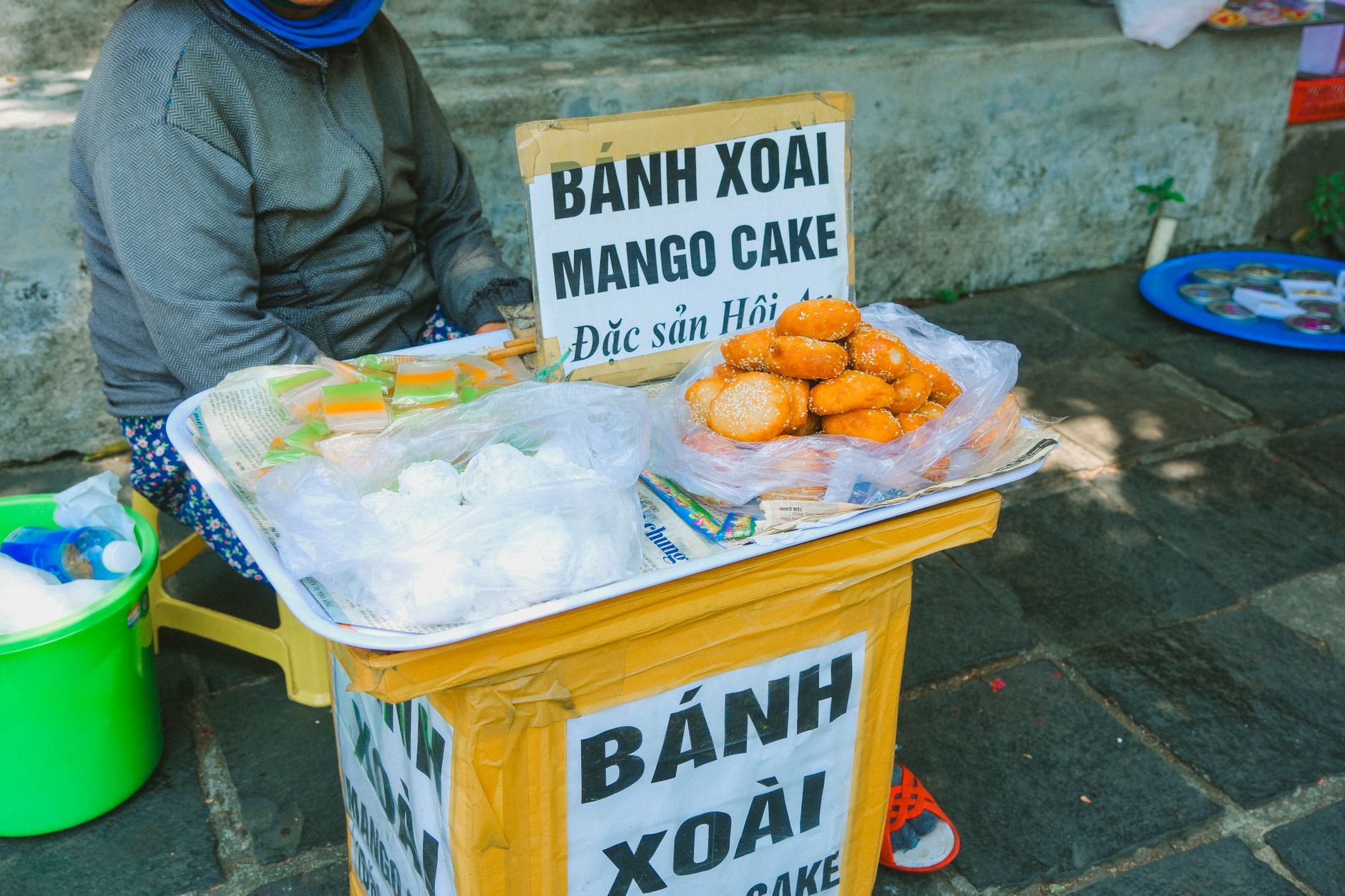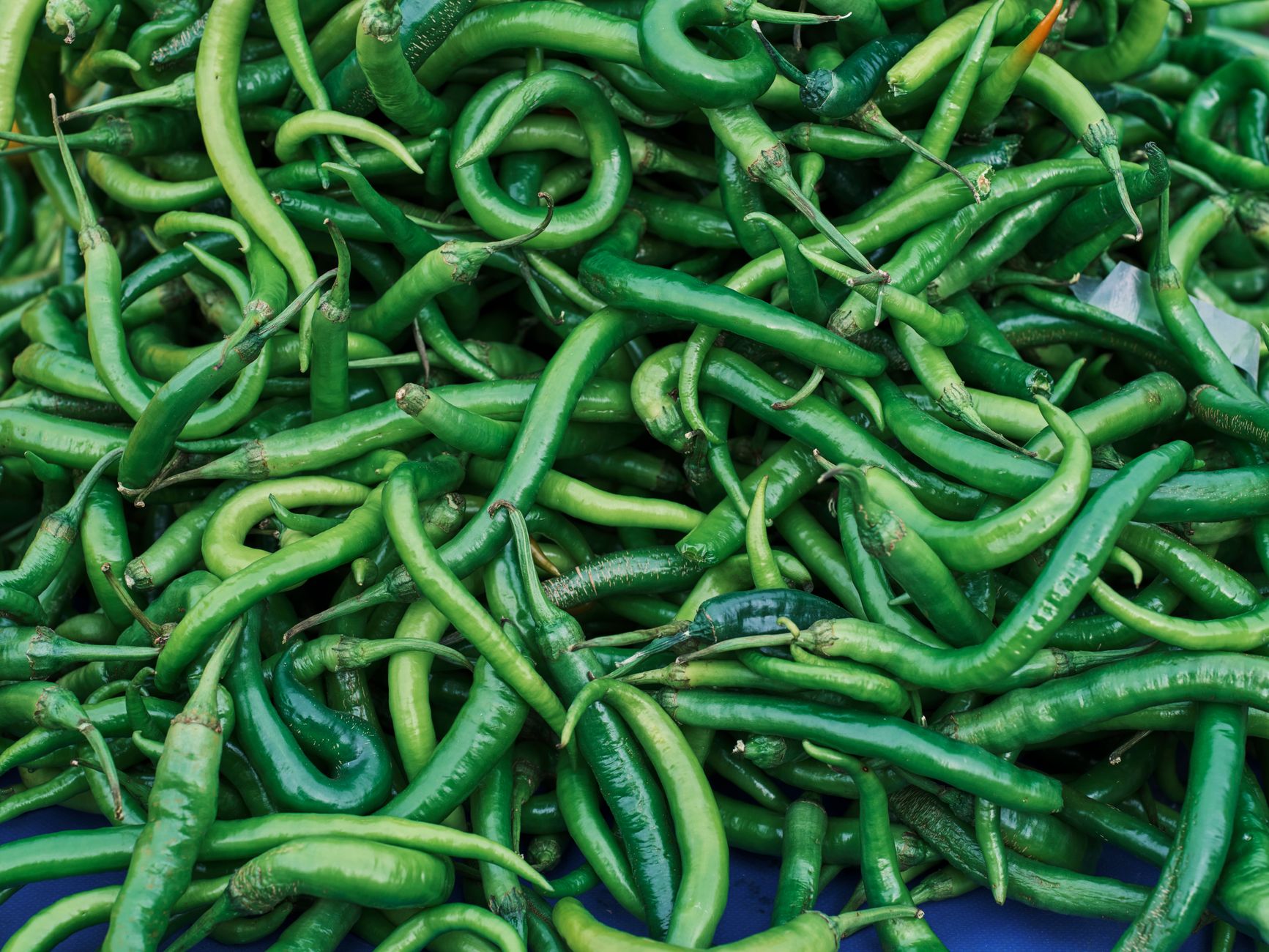
越南并不是泰国。大多数北部菜肴几乎不怎么辣——一碗“pho”在Hanoi端上来时,新鲜辣椒通常放在旁边,加不加全由你决定。但如果你往南走,或者面前摆上一碗“bun bo hue”或“mi quang”,情况就大不相同了。在食物上桌前学会如何表达你的吃辣程度,能让你免受折磨,不必再一边流泪一边尴尬地微笑。
你真正需要的短语
关键短语是:“It cay”(发音大致为 eet kai),意思是“少辣”。更具体一点:
- “Khong cay” — 完全不辣
- “It cay thoi” — 只要一点点辣(thoi 起到缓和语气的作用,大致意思是“就一点点,仅此而已”)
- “Cay vua thoi” — 中辣
- “It ot thoi” — 请少放点辣椒(ot = 辣椒)
其中,“it cay” 或 “khong cay” 是最通用的。如果你发音不准,可以把这些词写在手机上展示给店员看。在游客常去的地区,大多数摊主都见过很多次这种要求了,只要配合手势——手指捏在一起,做一个小小的动作——再加上一句“it cay”,对方就能明白你的意思。
请注意,在越南中部的一些方言中,尤其是在 Hue,发音可能会有所不同,导致你听到的“cay”发音有差异。别想太多,说出来、展示出来,并配合手势即可。
默认就会很辣的菜肴
越南并非所有菜肴默认都辣,但以下菜肴在点餐前值得特别留意:
Bun bo Hue
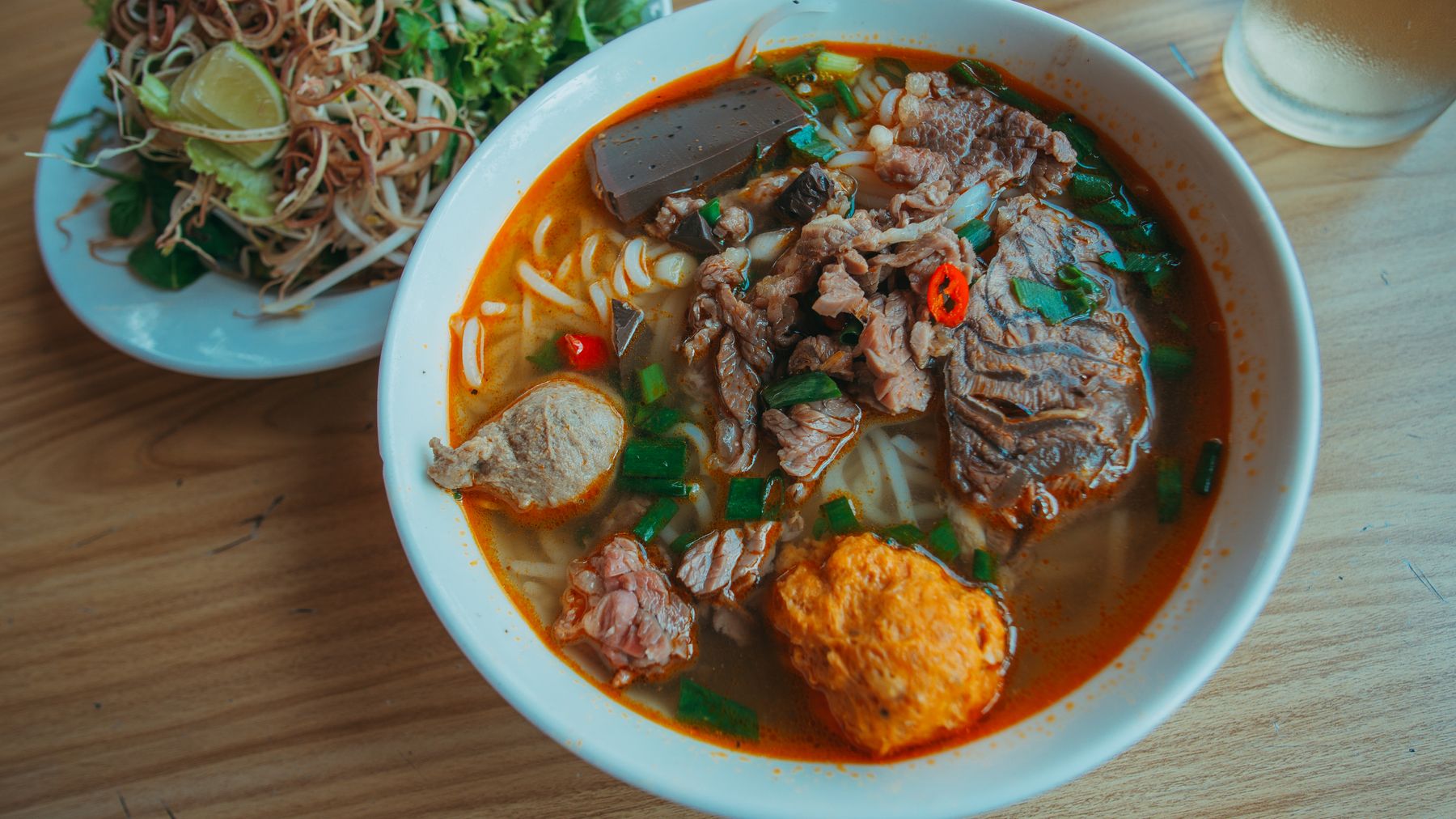
这是最容易让人“中招”的菜。"Bun bo hue" 是一种越南中部的牛肉猪肉米粉,其汤底以香茅和虾酱为基础,烹饪时通常会直接加入一勺 sate(辣椒油酱)。这种辣味是融入汤底的,而不仅仅是配菜。点餐时请记得说“it cay”或“khong cho sate”(不要放 sate)。
Mi quang
来自广南省的 "Mi quang" 汤汁较少,配料丰富,有时会加入新鲜辣椒或干辣椒。辣度取决于厨师,但越南中部的版本通常比你在 Hoi An 游客菜单上看到的要辣得多。
Bun rieu
"Bun rieu"(番茄蟹膏汤米粉)通常会加一勺 mam tom(虾酱)和新鲜辣椒。汤底本身不辣,但配料加起来可能就会很辣。指着辣椒说“it thoi”(只要一点点)或“khong”(不要)。
Hu tieu Nam Vang
"Hu tieu" 通常比较清淡,但西贡的摊位经常会在桌上放一瓶新鲜切片的辣椒和辣椒酱,有时会在上菜前直接往汤里加很多。点餐时请要求不要加辣椒。
Banh canh
"Banh canh"(类似乌冬面的粗米粉汤)各地区的差异很大。越南中部的版本可能非常辣,值得提前询问。
Ca phe 和饮品:无需担心
值得一提的是,"ca phe sua da" 和其他越南咖啡饮品完全不辣。如果你因为不小心吃了一碗加了大量 sate 的 bun bo hue 而需要解辣,冰奶咖是你的好伙伴。
图片来源:Pexels 上的 FOX ^.ᆽ.^= ∫
关于“bot ot”的情况
“Bot ot”是干辣椒粉,在许多越南餐馆(尤其是在南部和中部)常作为调味品出现。它通常放在盐和胡椒旁边的小碟子里。它看起来温和无害,但并不总是如此。如果厨师认为你可能喜欢吃辣,他们可能会在烹饪时撒上一小撮——这在一些炒菜和碎米饭("com tam")店里很常见,因为他们会在腌肉时加入调料。
与可以拨到一旁的新鲜辣椒不同,bot ot 是直接入锅的。你的保护伞就是点餐的那一刻:在烹饪开始前说“khong cay”。
粗略的辣度分布图
- 河内及北部: 通常较清淡。Pho、"banh cuon"、"bun cha" 这些菜都不辣。桌上通常备有新鲜辣椒,但加不加由你决定。
- 顺化及越南中部: 全国最辣的地区。这里的饮食文化与辣味有着深厚的渊源。一定要记得询问。
- 会安: 常见针对游客改良的温和版本,但不要想当然,最好还是问一下。
- 岘港: 融合了北部和中部的烹饪风格,视具体菜肴而定。
- 西贡及南部: 基础菜肴比顺化更清淡,口味偏甜,带有椰子味。但辣椒总是随处可见,且经常被添加。

图片来源:Pexels 上的 Pragyan Bezbaruah
如果他们还是端上来很辣的菜怎么办?
这种情况时有发生。厨房很忙,“it cay”有时会被忽略。这里有几个应对策略:
- 点新鲜青柠和糖: 在菜里挤一点青柠汁,撒一点糖(duong),可以在不破坏风味的前提下中和辣味。
- 多要一份汤: 对于汤面,多要一份汤(“cho them nuoc dung”)可以稀释辣度。
- 点一份白米饭: 在大多数餐馆,一碗蒸白米饭的价格约为 5,000–10,000 VND,可以作为中和辣味的配菜。
- 在品尝之前,不要先搅拌桌上的调味品。 这听起来很显而易见,但那碟漂浮在鱼露里的切片辣椒看起来像蘸料。其实不是,那是纯辣椒。
总结
掌握“it cay”和“khong cay”,你就能处理 90% 的情况而不会手忙脚乱。越南中部——尤其是顺化——是你最需要这些短语的地方。全国其他地区相对宽容,但多问一句总没坏处。
最后更新 · May 29, 2026 · 独立调研,无任何赞助。