— SELESAI —
Terakhir diperbarui · May 30, 2026 · riset independen, tanpa sponsor.
We use minimal analytics + ads (no personal tracking). See our privacy policy.
Skip the highway rest stops and discover the real Hai Duong. From clay firecracker battles to quiet ceramic villages, here is how to explore this Red River Delta gem.
Terakhir diperbarui · May 30, 2026 · riset independen, tanpa sponsor.
Artikel lain tentang kota ini.
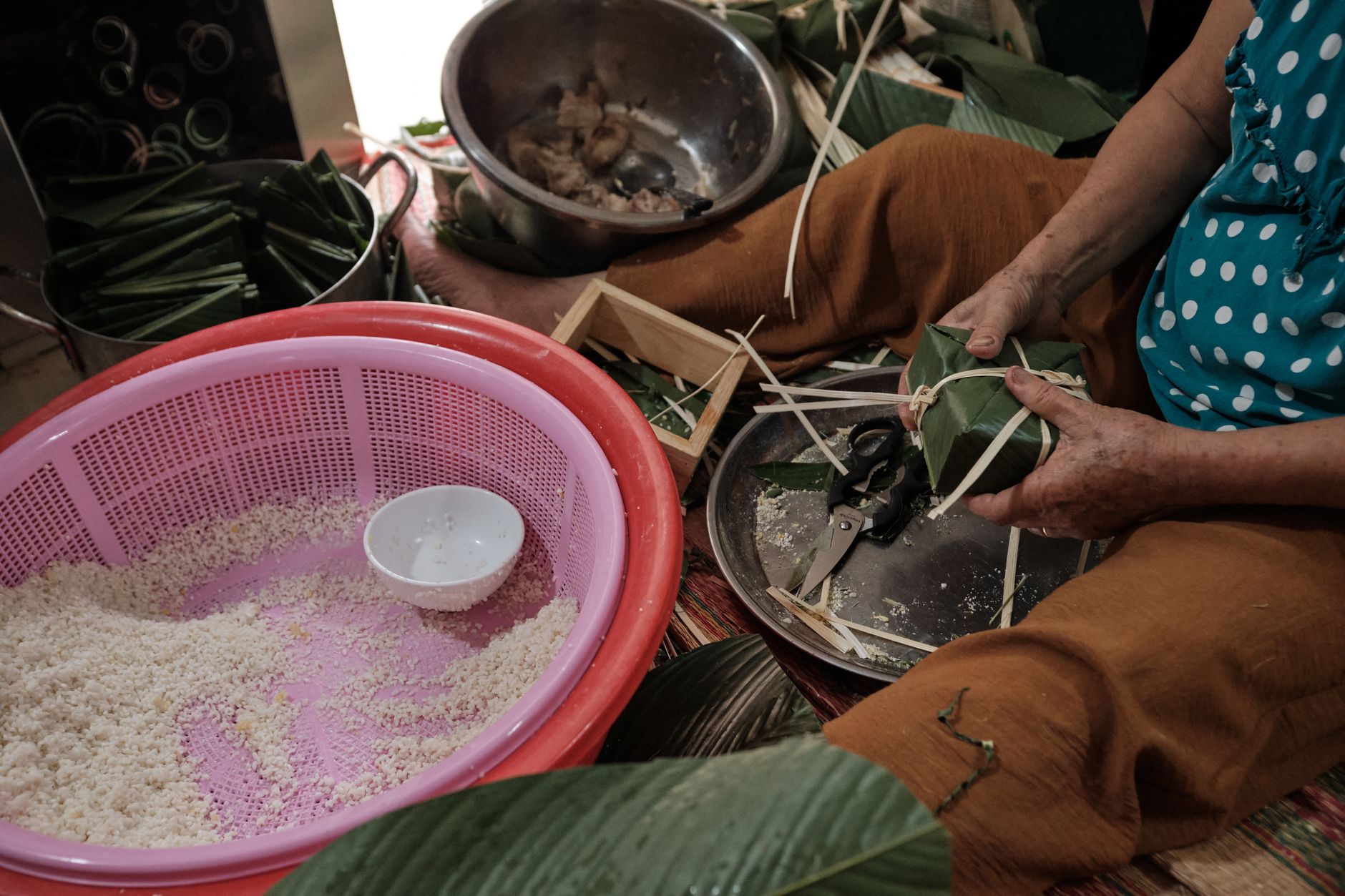
Banh gai from Ninh Giang district is one of northern Vietnam's most distinctive regional sweets — jet-black, leaf-wrapped, and nothing like the sticky rice cakes sold elsewhere.

…
Hotels, homestays, hostels — strongest inventory in Vietnam.
Hai Duong's mung-bean cake is one of northern Vietnam's most reliable edible souvenirs — dense, fragrant, and shelf-stable enough to survive a long-haul flight.
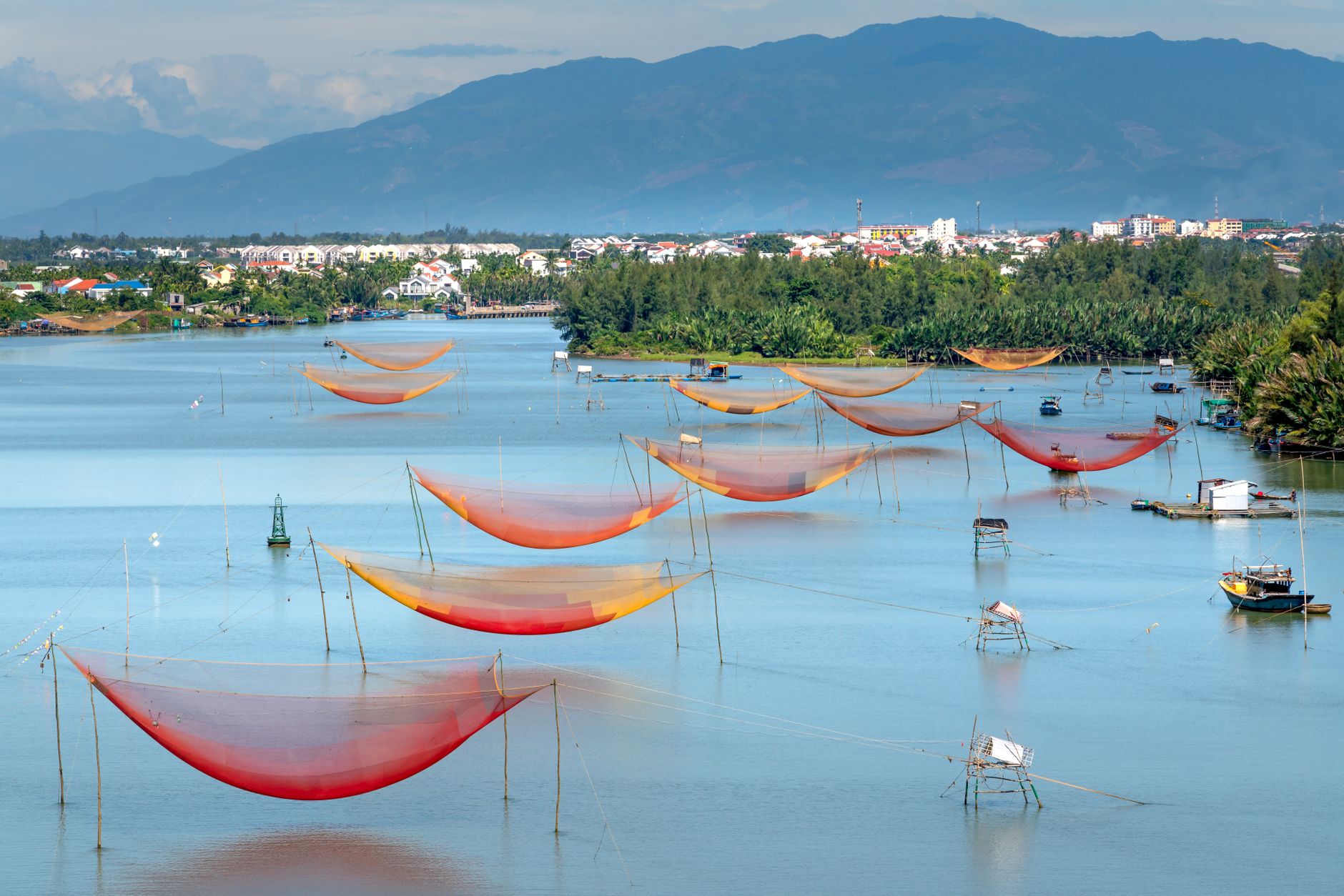
Hai Duong sits between Hanoi and Ha Long but rarely makes traveler itineraries. The food here is worth the detour: sticky rice cakes, crab soup, and markets where locals actually eat.
Artikel lain di wilayah ini.

Winter in the north is damp, grey, and surprisingly chilly. Forget the tropical gear and pack for layering to survive the humidity.
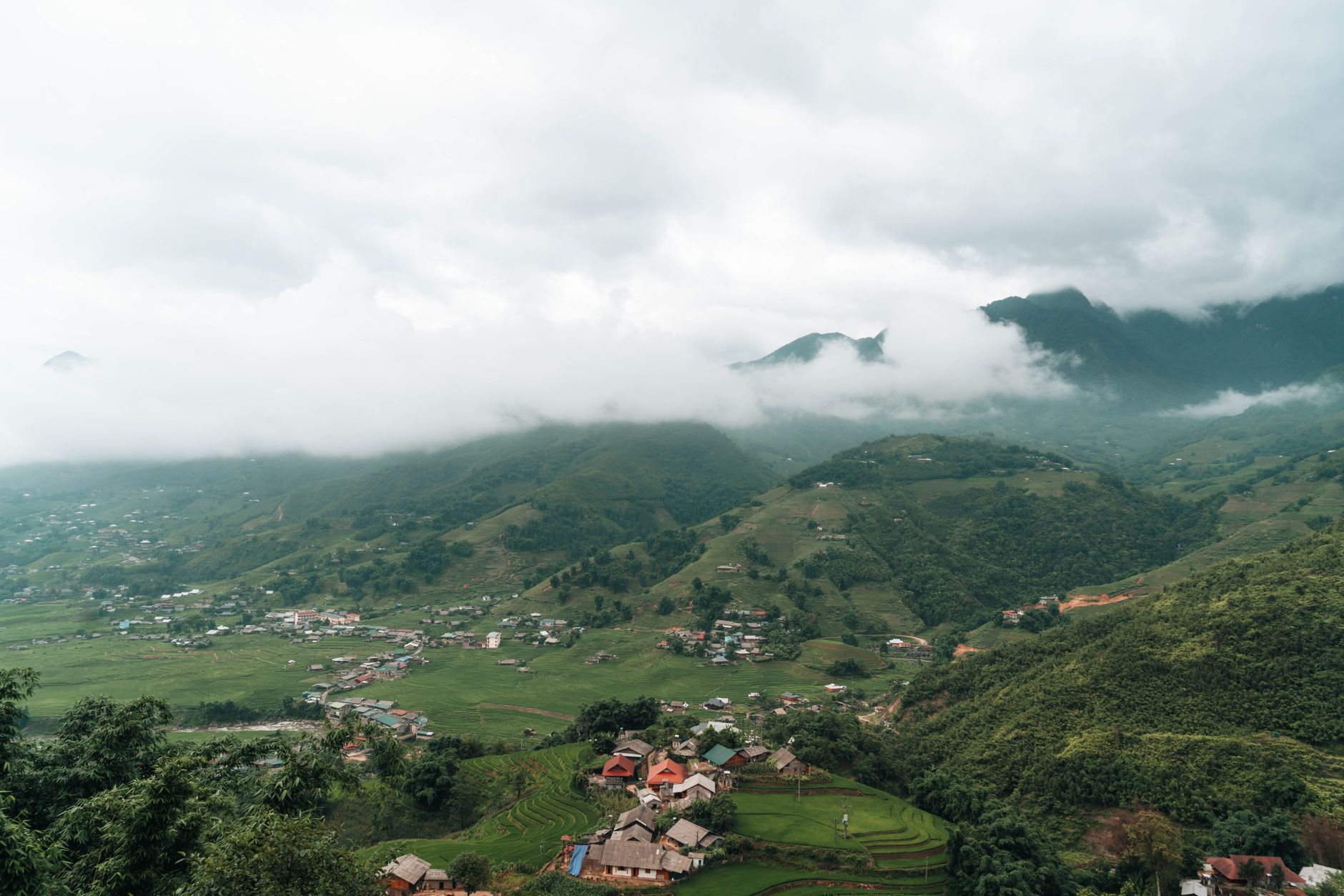
Y Ty is a Ha Nhi ethnic commune in Lao Cai province where sea-of-cloud mornings run from September to March — and almost nobody shows up compared to Sa Pa.

Y Ty's sea of fog is not a rumor — but it only appears reliably for a few weeks a year. Here's when to go, where to stand, and how to sleep close enough to catch it.
More articles from the same category.
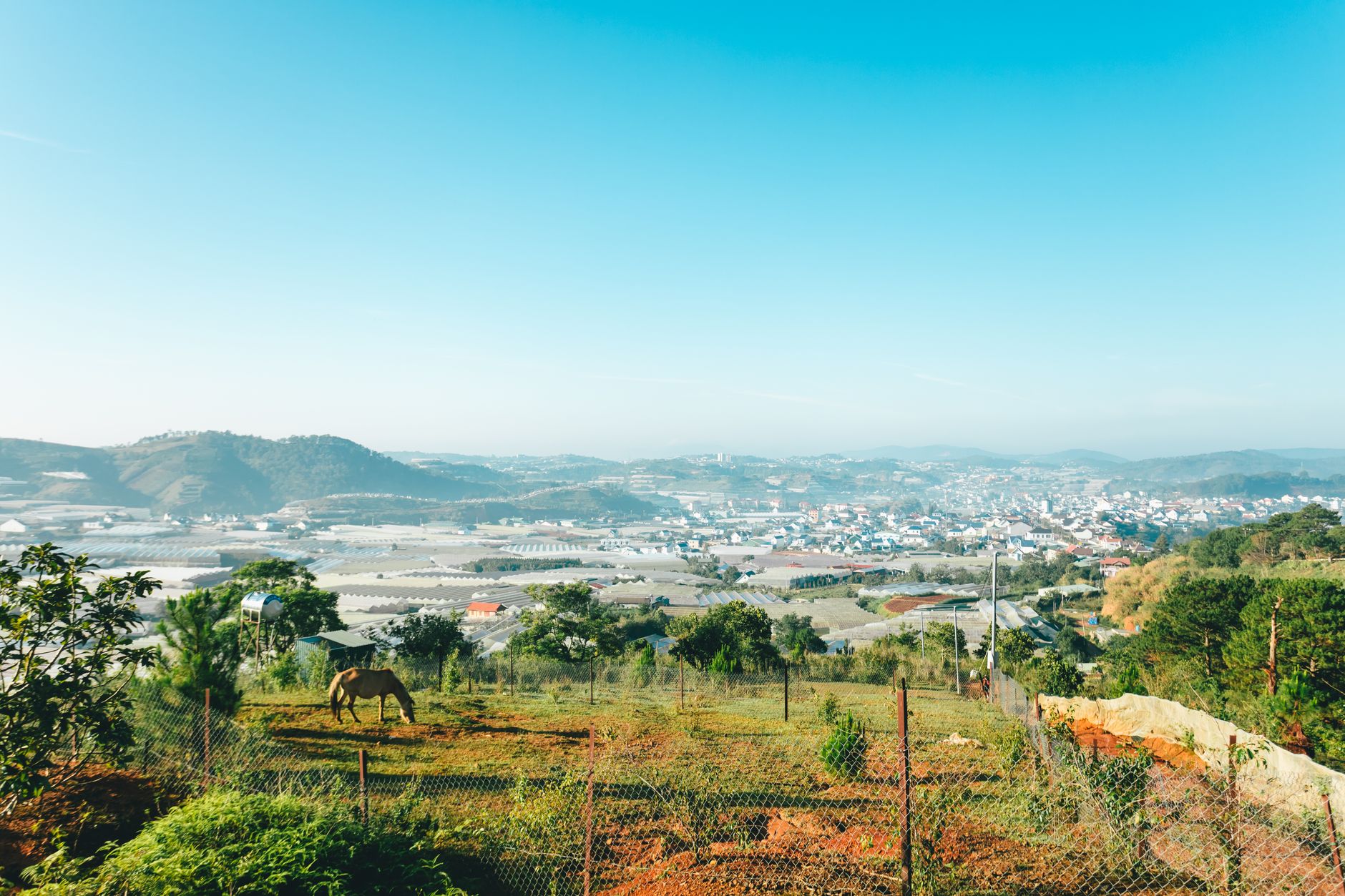
Yok Don is Vietnam's biggest national park and one of its least-visited. Here's what actually lives inside — and how to do it properly.

Yen Tu in Quang Ninh province is Vietnam's most significant Buddhist pilgrimage site — a forested mountain where a 13th-century king renounced his throne and founded a homegrown school of Zen.
Skip the crowds of Sapa for Y Ty, a remote highland outpost in Lao Cai where clouds settle in the valleys and ancient mud-walled houses dot the terraced hills.

Skip the mega-resort bubble and head south to the An Thoi archipelago. This independent day-trip route covers speedboat logistics, quiet snorkeling spots, and local seafood.

A practical, no-nonsense guide to visiting Phong Nha Cave independently, including how to navigate the boat-sharing system, costs, and what to expect.

Ditch the crowded tourist loops of the Mekong Delta for Tri Ton, a quiet district of emerald palmyra fields, sacred Khmer pagodas, and incredible street food.
Most travelers only know Hai Duong as the industrial blur outside the window of a bus running between Hanoi and Ha Long Bay. They might pull over at a highway rest stop to buy a box of "banh dau xanh" (sweet mung bean cake) before speeding off, completely missing the fact that this province holds some of the Red River Delta's oldest cultural traditions.
If you pull off the national highway, you find an older, slower Vietnam (베트남 / 越南 / ベトナム) of craft villages, quiet waterways, and pine-forested hills. Here are six of the best things to do in Hai Duong, along with a few lesser-known alternatives for the curious traveler.
In Ninh Giang district, locals keep the ancient art of "phao dat" (clay firecrackers) alive. This has nothing to do with gunpowder. Instead, men construct large, heavy oval trays out of gray clay, often weighing up to 80 kilograms. They lift them overhead and slam them face-down onto the dirt. The air trapped inside explodes outward, ripping the clay frame open with a loud crack.
It is a competitive sport, usually played during local festivals or spring gatherings. If you visit during the dry season, head to the communal yards in Ninh Giang to watch the teams practice. It is loud, dusty, and entirely free of tourist polish.
Located about 30 km from Hai Duong city, Chi Lang Nam is a literal island of birds in the middle of An Duong Lake. Over 20,000 storks and herons nest in the bamboo and shrubbery here.
The best time to visit is late afternoon, around 4:00 PM to 6:00 PM, when the birds return from foraging in the surrounding rice paddies. You can hire a small wooden rowboat to take you around the lake. The noise is deafening, and the sight of thousands of white wings descending against a sunset sky is spectacular.
Dong Giao has been a woodcarving hub for over three centuries. Unlike the commercialized craft villages closer to Hanoi (하노이 / 河内 / ハノイ), Dong Giao still feels like a working-class neighborhood.
Walking down the main street, the air smells of freshly cut jackfruit wood, mahogany, and lacquer. You will hear the constant drone of chisels and sanders. The artisans here specialize in intricate religious statues, wooden screens, and decorative panels. Most workshops are open to the street; the carvers are usually happy to let you watch them work as long as you stay out of the way of the flying wood chips.

Photo by Tuấn Kiệt Jr. on Pexels
Con Son-Kiep Bac is a sprawling historical complex nestled in the pine-covered hills of Chi Linh district. This site is dedicated to two of Vietnam's national heroes: General Tran Hung Dao and the scholar Nguyen Trai.
Skip the crowded main temples and take the stone steps up to the peak of Con Son Mountain. The path winds through dense pine forests that feel more like Da Lat than the flat plains of the Red River Delta. At the top, you will find the Chessboard of the Gods (Ban Co Tien), offering a panoramic view of the surrounding rivers and rice fields.
While most tourists watch "water puppetry" in air-conditioned theaters in Hanoi, the art form originated in the flooded rice paddies of provinces like Hai Duong.
In Thanh Ha district, the local puppet troupe still performs on a rustic wooden stage built directly over a natural pond. The puppeteers stand waist-deep in the water behind a bamboo screen, manipulating the wooden figures to tell stories of farming, fishing, and folklore. The performances here are raw, humorous, and accompanied by live traditional music.
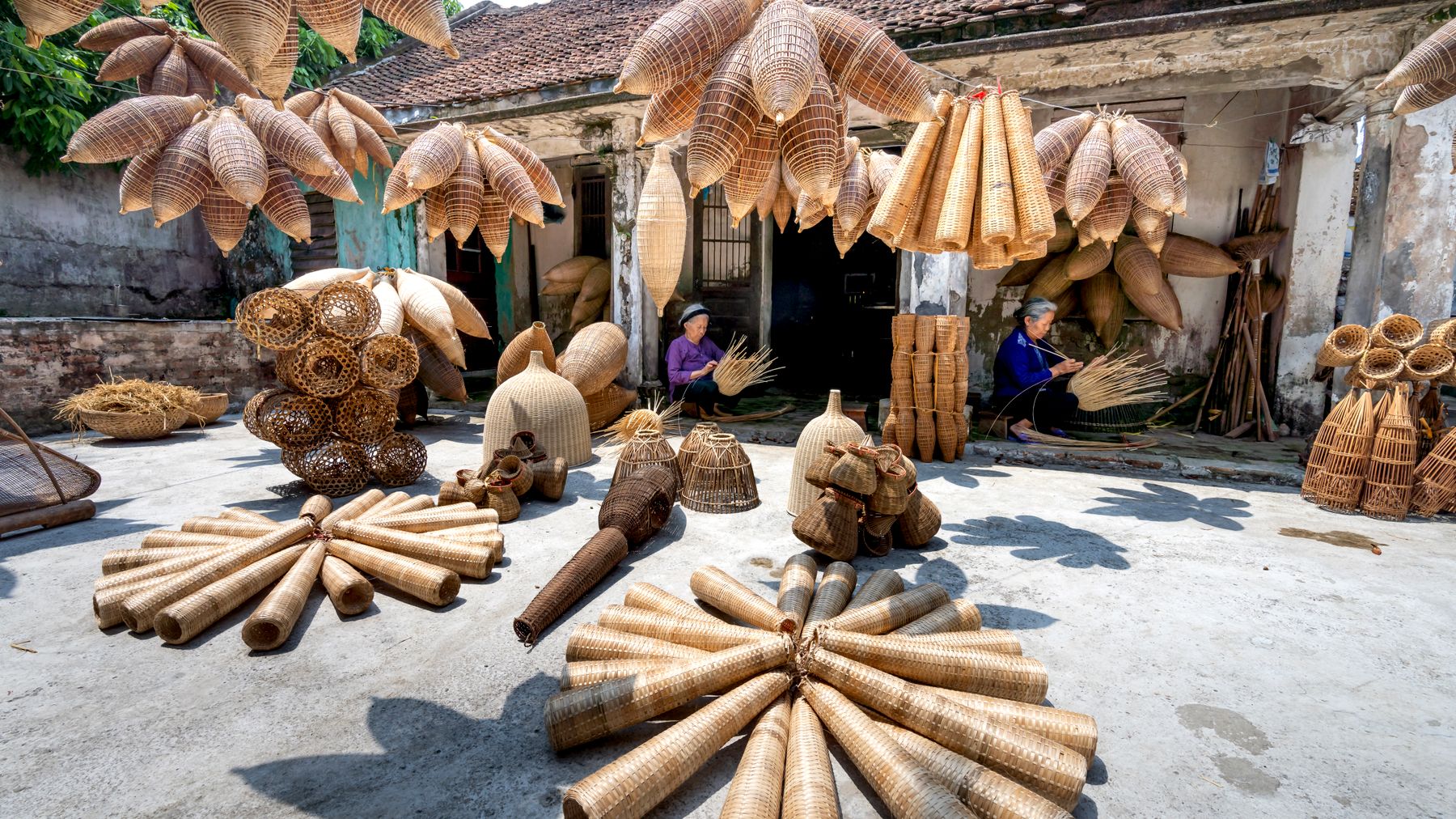
Photo by Quang Nguyen Vinh on Pexels
While mung bean cake gets all the press, "banh gai" is the true local favorite. Made from glutinous rice mixed with the paste of "gai" (ramie) leaves, the cake has a deep, glossy black color. It is stuffed with a rich filling of sweetened mung bean, shredded coconut, and chunks of pork fat, then wrapped in dry banana leaves and steamed.
Head to Ninh Giang town to buy them fresh from the steamers. The contrast of the earthy, herbal wrapper with the sweet, rich filling is an acquired taste, but one that locals pair perfectly with hot green tea.
If you want to escape the crowds entirely, skip the famous pottery village of Bat Trang near Hanoi and head to Chu Dau in Nam Sach district instead. Chu Dau ceramics were highly prized across Asia and Europe from the 14th to the 17th centuries before the art was lost during civil wars.
It was only rediscovered in the 1980s. Today, the village is a quiet, peaceful place where you can watch artisans paint delicate blue-and-white patterns onto clay plates using thin brushes made of animal hair. You can even try your hand at the pottery wheel without the tour-bus crowds.
Hai Duong is easily reached from Hanoi via the local train (about 1.5 hours) or a limousine bus departing from My Dinh or Giap Bat stations. To explore the rural craft villages and temples, it is best to hire a private driver for the day from Hai Duong city, as public transport between the districts is sparse and English is rarely spoken.