— SELESAI —
Terakhir diperbarui · May 30, 2026 · riset independen, tanpa sponsor.
We use minimal analytics + ads (no personal tracking). See our privacy policy.
Navigating Tra Vinh's tree-lined streets and scattered Khmer pagodas requires some planning. Here is how to handle local taxis, motorbike rentals, and regional buses.
Terakhir diperbarui · May 30, 2026 · riset independen, tanpa sponsor.
Artikel lain tentang kota ini.
Com dep is the Khmer-origin flat green rice made each harvest season in Tra Vinh — pounded young, eaten with coconut and banana, and tied to the Ok Om Bok festival.

…
Hotels, homestays, hostels — strongest inventory in Vietnam.
Tra Vinh province, merged with Vinh Long in 2025, sits in the southern Mekong Delta with a distinctive population—nearly a third Khmer Krom, plus one of Vietnam's largest ethnic Chinese communities. Pagodas, canals, and a quiet rhythm define the region.

Thick, chewy noodles in pork-shrimp broth — "banh canh" started in the south and spread nationwide. Here's what changes city to city, and why Trang Bang's version became a brand.
Artikel lain di wilayah ini.
Forget the heavy gear. Packing for the Mekong Delta is about managing humidity, protecting your skin, and staying mobile on the water.
Skip the mega-resort bubble and head south to the An Thoi archipelago. This independent day-trip route covers speedboat logistics, quiet snorkeling spots, and local seafood.

Ditch the crowded tourist loops of the Mekong Delta for Tri Ton, a quiet district of emerald palmyra fields, sacred Khmer pagodas, and incredible street food.
More articles from the same category.
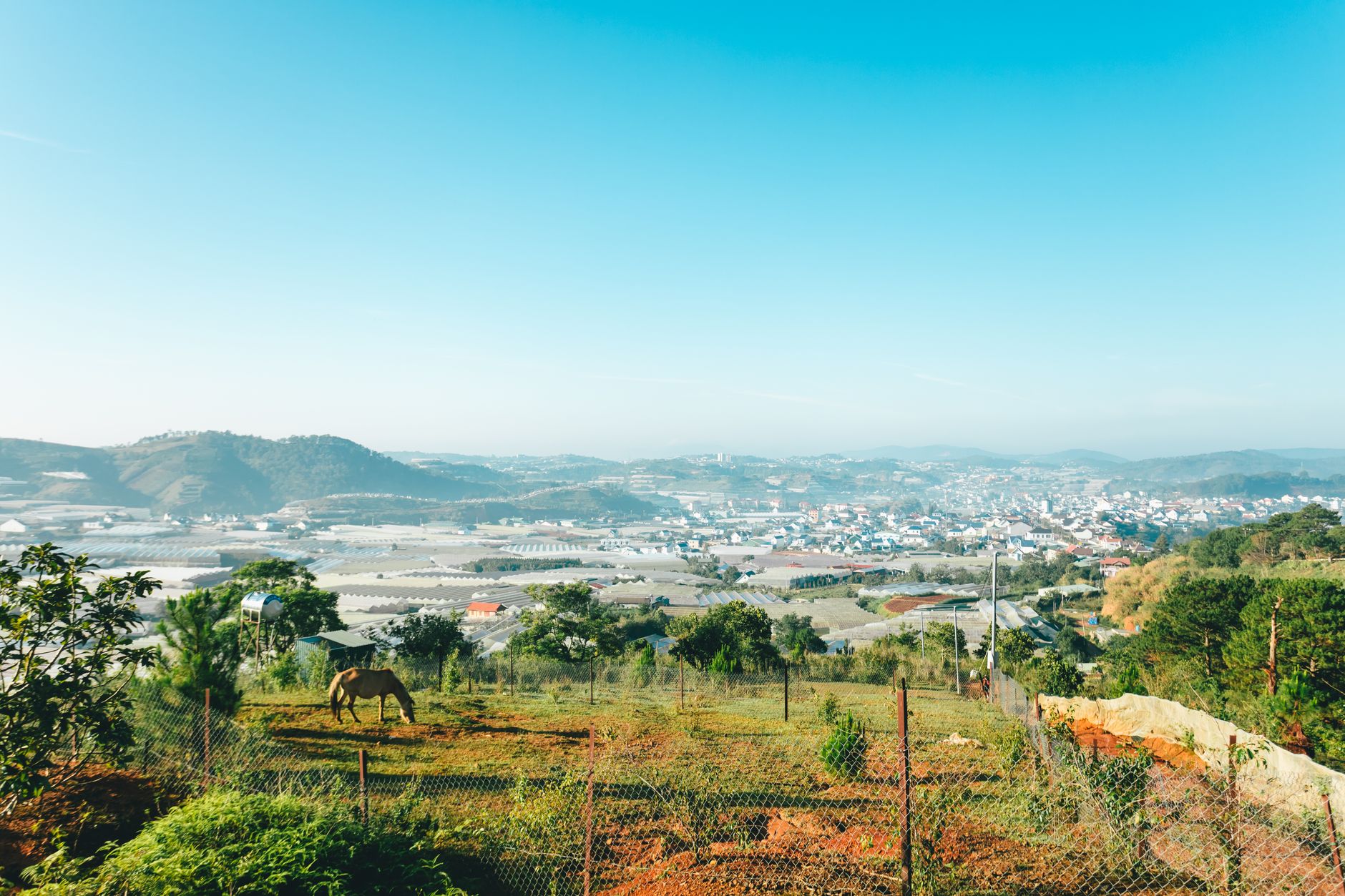
Yok Don is Vietnam's biggest national park and one of its least-visited. Here's what actually lives inside — and how to do it properly.
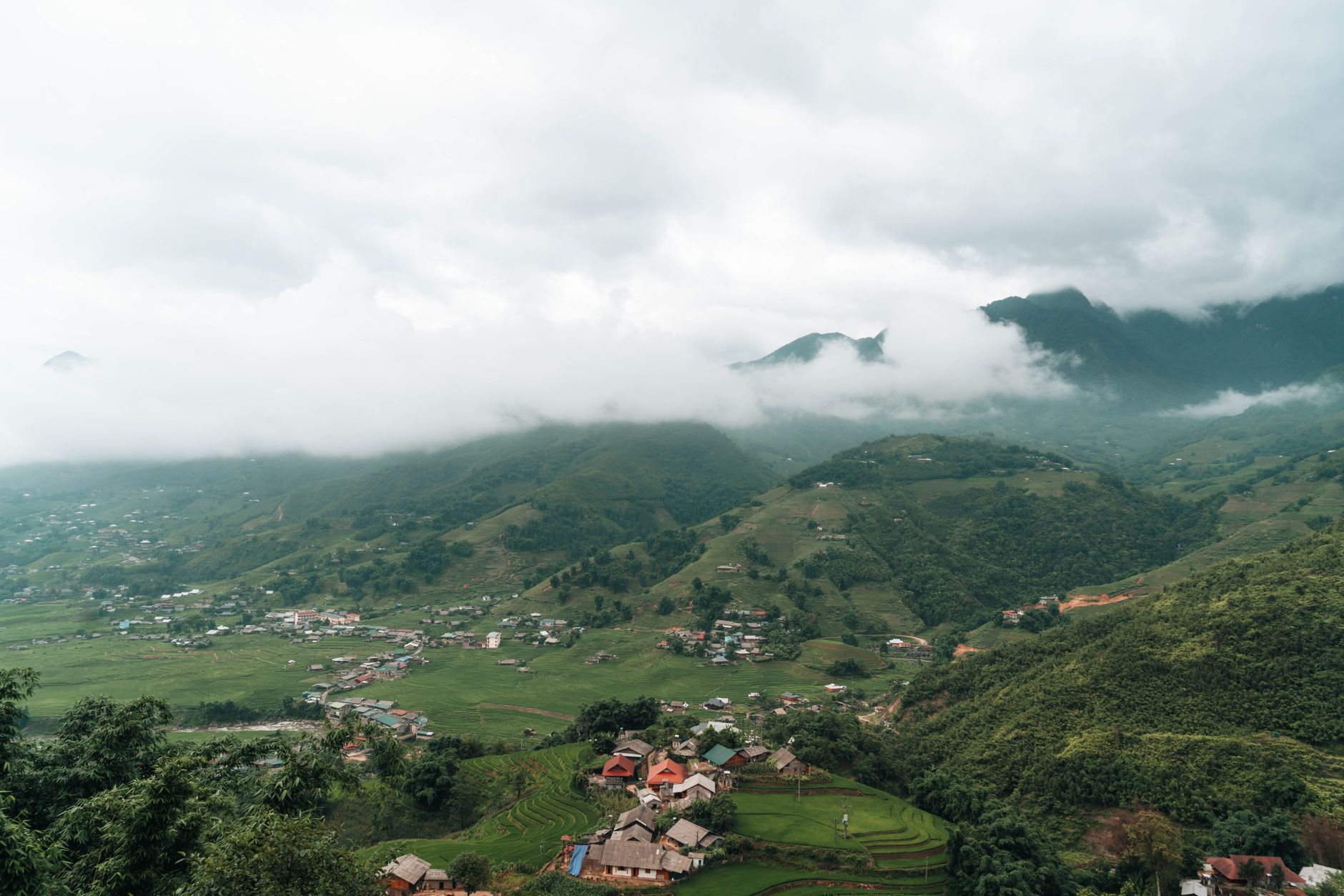
Y Ty is a Ha Nhi ethnic commune in Lao Cai province where sea-of-cloud mornings run from September to March — and almost nobody shows up compared to Sa Pa.

Y Ty's sea of fog is not a rumor — but it only appears reliably for a few weeks a year. Here's when to go, where to stand, and how to sleep close enough to catch it.

Yen Tu in Quang Ninh province is Vietnam's most significant Buddhist pilgrimage site — a forested mountain where a 13th-century king renounced his throne and founded a homegrown school of Zen.
Skip the crowds of Sapa for Y Ty, a remote highland outpost in Lao Cai where clouds settle in the valleys and ancient mud-walled houses dot the terraced hills.

A practical, no-nonsense guide to visiting Phong Nha Cave independently, including how to navigate the boat-sharing system, costs, and what to expect.
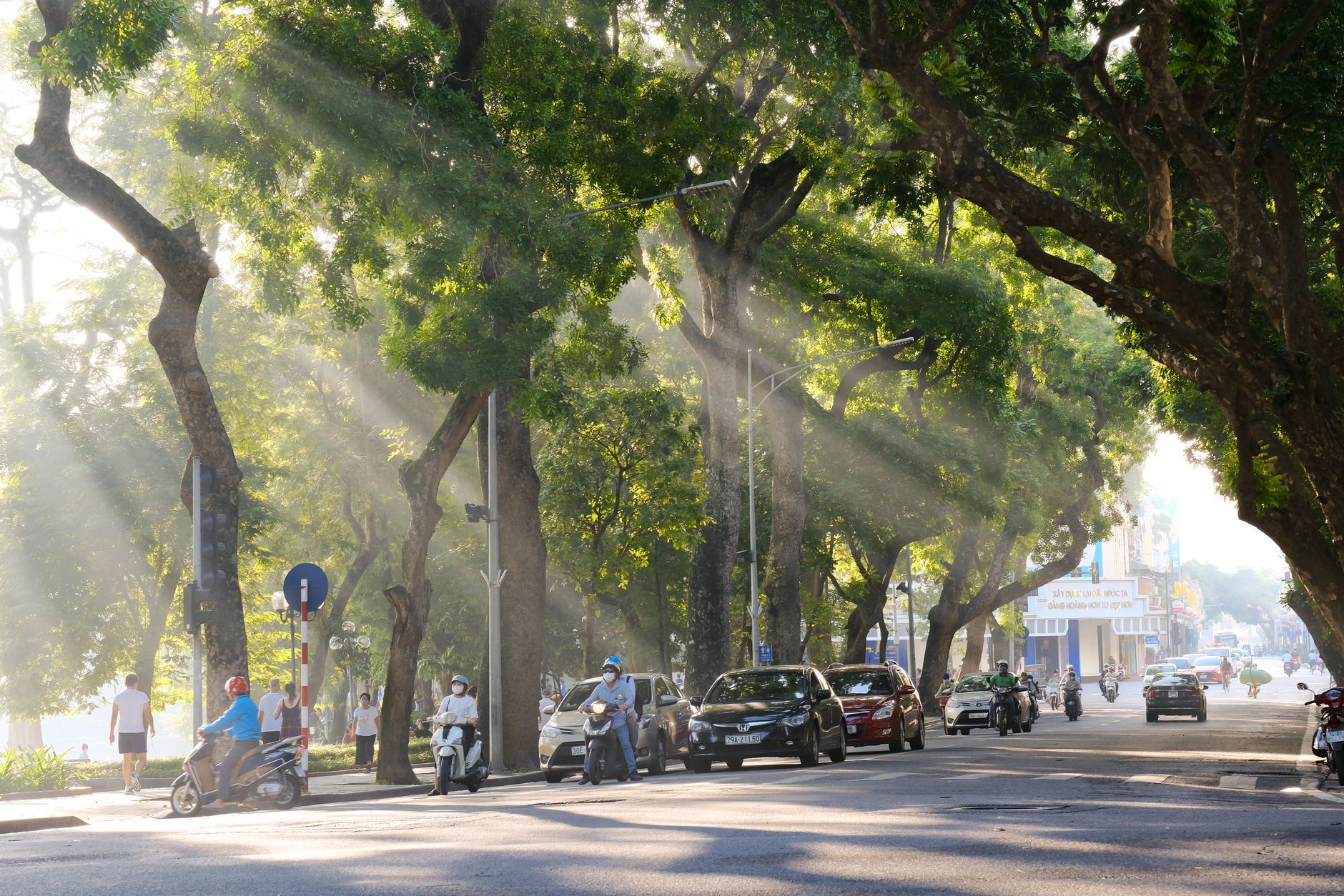
Tra Vinh is often called the greenest city in the Mekong Delta (메콩 델타 / 湄公河三角洲 / メコンデルタ), thanks to a canopy of century-old trees that shades its French-era grid. But while the city center is incredibly pleasant to wander on foot, the province's famous Khmer pagodas, rural islets, and scenic waterways are spread out. Because Tra Vinh does not have the massive tourist infrastructure of Can Tho or the high-tech convenience of Saigon, getting around requires a bit of local know-how.
This practical guide covers the best ways to navigate Tra Vinh, from renting a scooter to hailing local rides and planning your regional connections.
The city of Tra Vinh is relatively compact, bounded by the Co Chien River to the north and east. The main commercial strip runs along Dien Bien Phu, Pham Ngu Lao, and Nguyen Thi Minh Khai streets, where you will find most of the local eateries, cafes, and hotels.
However, the attractions that make Tra Vinh unique are scattered. The famous Ba Om Pond and the adjacent Ang Pagoda sit about 5 kilometers southwest of the city center. Other significant Khmer temples, like Hang Pagoda, are located even further out in the surrounding districts. If you want to explore the agricultural side of the province, you will need to cross over to rural river islands like Cu Lao Long Tri, which requires navigating local ferry crossings.
For independent travelers, renting a motorbike is by far the most practical way to see Tra Vinh. It gives you the freedom to cruise down narrow canal paths, stop at roadside fruit stalls, and visit remote temples without negotiating fares at every stop.
Unlike major tourist hubs like Da Lat or Hoi An, dedicated motorbike rental shops are rare in Tra Vinh. Your best bet is to arrange a rental directly through your hotel or homestay. Most accommodations can source a semi-automatic or automatic scooter for you. Expect to pay between 120,000 and 180,000 VND per day, excluding fuel.
When riding, stick to major petrol stations like Petrolimex to fill up, rather than buying fuel from roadside glass bottles, which can sometimes be watered down. Traffic in Tra Vinh is significantly calmer than in Saigon (사이공 / 西贡 / サイゴン), making the quiet provincial roads highly manageable even for less experienced riders.

Photo by Alberto Capparelli on Pexels
Do not expect the seamless ride-hailing experience of Vietnam's larger cities. While Grab does operate in Tra Vinh, the fleet is extremely limited. You might occasionally find a "xe om" (motorbike taxi) via the app during peak daylight hours, but GrabCar is virtually non-existent here.
For traditional four-wheel taxis, Mai Linh (the easily recognizable green cabs) is the most reliable operator in the province. You can usually find them parked near the Tra Vinh Market or ask your hotel reception to call one for you. Another local option is Thanh Thuy Taxi. Always ensure the driver turns on the meter when you get in; rates generally start around 12,000 to 15,000 VND per kilometer.
If you prefer a traditional "xe om", drivers typically gather at major street corners, near the central market, and outside the main bus stations. You will need to negotiate the fare before mounting the bike. A short trip within the city center should cost between 20,000 and 40,000 VND, while a trip out to Ba Om Pond will run closer to 70,000 to 90,000 VND.
Tra Vinh is one of the few cities in the Mekong Delta where walking is genuinely enjoyable. The city is famous for its massive "sao" and "dau" trees, which line the streets like ancient pillars and keep the temperature noticeably cooler than in neighboring provinces.
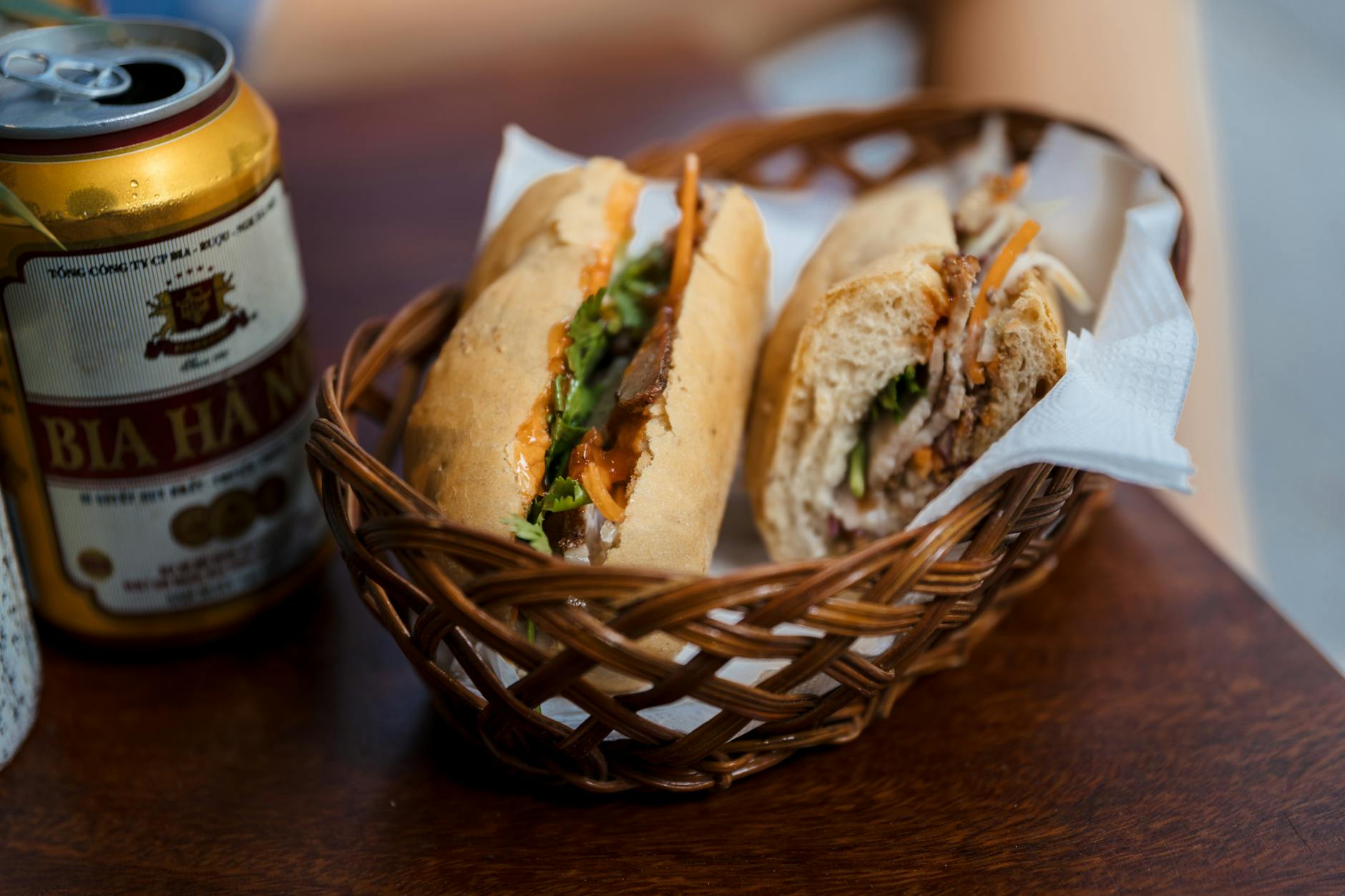
Walking is perfect for exploring the central market area, stopping for a bowl of "bun nuoc leo" (a local noodle soup featuring a rich fish broth), or visiting the historic Chinese assembly halls near the riverfront.
For trips that are slightly too far to walk but do not warrant a motorbike, cycling is an excellent alternative. Many homestays offer complimentary bicycles or rent them for a nominal fee. Pedaling out to the Khmer pagodas along the shaded, flat roads is one of the most peaceful ways to experience the local landscape.

Photo by Flint Huynh on Pexels
Tra Vinh sits on a peninsula between two major branches of the Mekong River, making it slightly more isolated than other delta destinations.
Always carry cash in small denominations (10,000 to 50,000 VND), as local bus drivers, "xe om" riders, and small family-run rental spots do not accept cards or digital transfers. Keep a basic map app downloaded offline, as mobile signal can occasionally drop when you ride deep into the rural canal paths of the province.